Kathmandu
Tuesday, June 9, 2026





A two-decade-long trail of offshore transactions, disputed tax liabilities, and regulatory uncertainty has turned Nepal's largest private telecom company into a defining case of governance failure, with its future now hinging on a 2029 state takeover
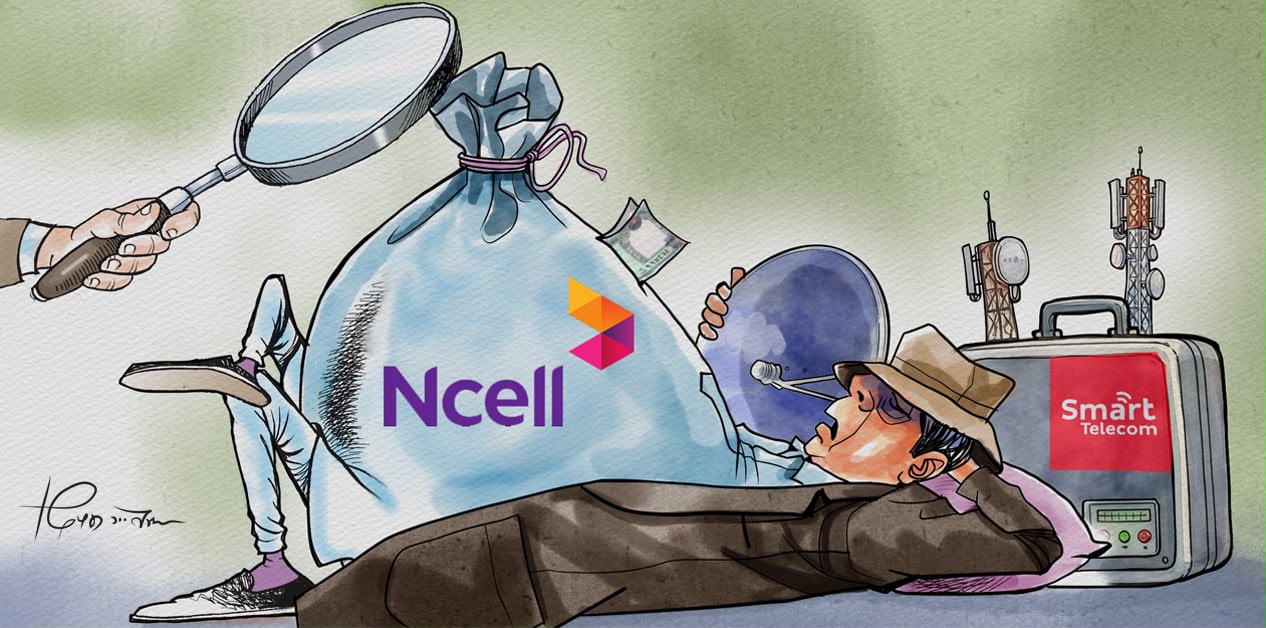
KATHMANDU: Nepal’s biggest private telecom company has been at the center of one of the most complex and consequential financial controversies in the country’s history.
Since its founding in 2004, Ncell has changed hands multiple times through opaque offshore deals, sheltered profits in tax havens across the world, left Nepal’s treasury short by tens of billions of rupees, and drawn in foreign multinationals, Nepali businessmen, multiple governments, the Supreme Court, and an international arbitration tribunal.
Its operating license expires in 2029, and the government is now preparing to take it over.
This Nepal News explainer delves into the key actors, opaque transactions, legal battles and unresolved questions that have defined the Ncell saga.
What is Ncell and how did the controversy begin?
Ncell is Nepal’s largest private telecommunications company, measured by revenue market share, and the second largest by subscriber count after state-owned Nepal Telecom.
The company was founded in 2004 as Spice Nepal Private Limited, began commercial services under the Mero Mobile brand in 2005, and was eventually renamed Ncell in 2010 following a series of ownership changes. At its peak, it served over 17 million subscribers and covered more than 95 percent of Nepal’s population with its 4G network.
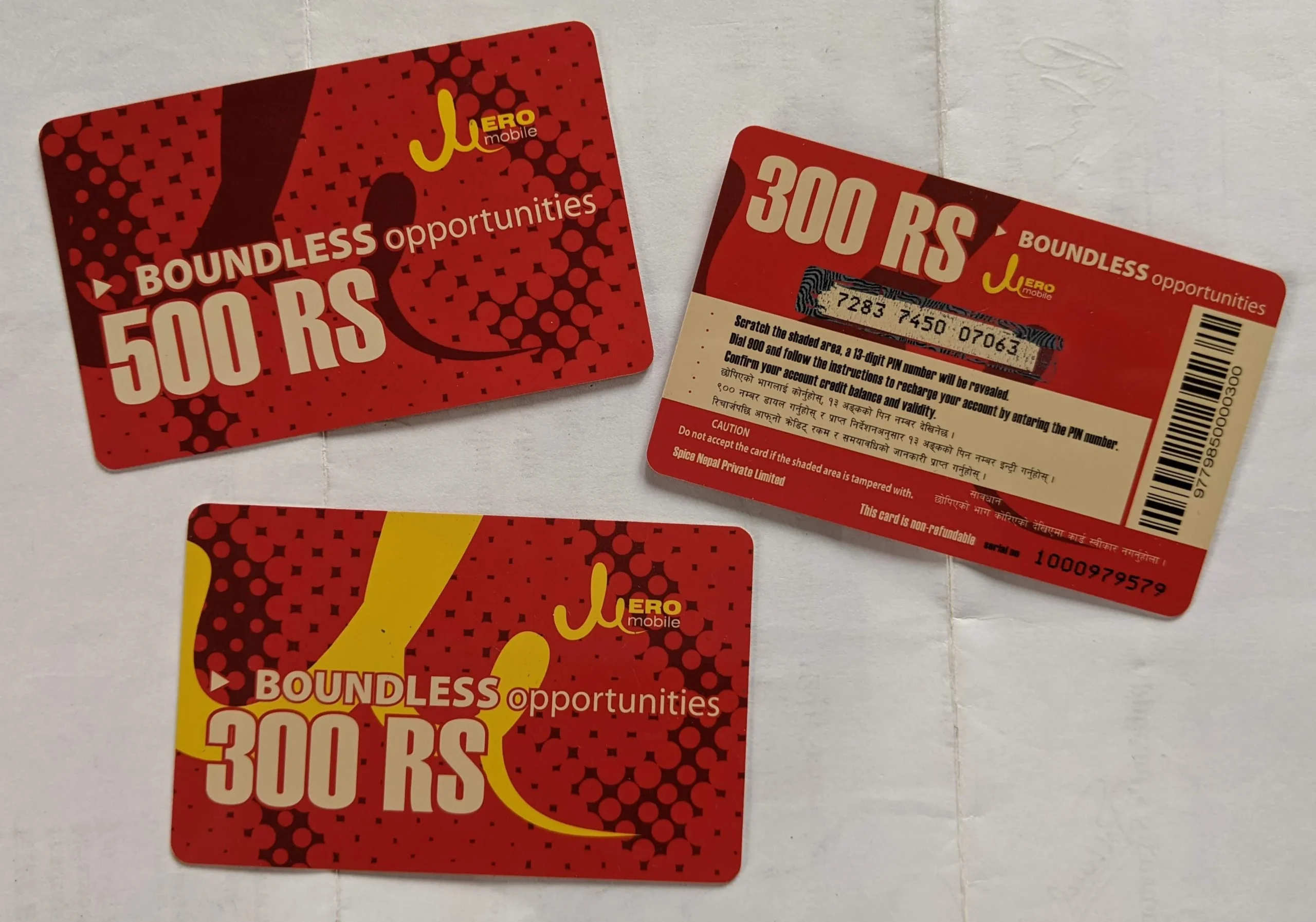
Recharge card of Mero Mobile. Photo courtesy: Reddit
The controversy did not begin with a single event but accumulated over nearly two decades of share transactions that were consistently conducted offshore, away from Nepali regulatory oversight, through companies registered in tax havens including Cyprus, St. Kitts and Nevis, the British Virgin Islands, the Netherlands, and Singapore.
Every time the controlling stake changed hands, the deal was done outside Nepal, no taxes were paid in the country where the underlying business actually operated, and Nepali authorities were either not informed or simply ignored.
The Auditor General’s office first formally raised the alarm in its 54th annual report covering fiscal year 2015/16, noting that the 2016 deal between Swedish company TeliaSonera and Malaysian giant Axiata was taxable in Nepal and that the government needed to pursue approximately Rs 32 billion in capital gains tax.
That finding, combined with years of civil society activism, parliamentary inquiries, and public interest litigations, turned Ncell from a routine corporate story into the defining test case for how Nepal taxes and regulates foreign investment.
Who are the key players and companies involved?
The web of people and entities in the Ncell story is deliberately complex, but the core figures are identifiable. TeliaSonera, the Swedish-Finnish telecommunications giant now simply known as Telia, was the controlling shareholder from 2008 and sold its stake in 2016. It operated through a chain of subsidiary companies across Norway, the Netherlands, and ultimately Reynolds Holdings, a company registered in a tax haven.
Axiata Group Berhad, the Malaysian telecommunications conglomerate, paid approximately USD 1.365 billion to acquire Reynolds Holdings, thereby taking indirect control of 80 percent of Ncell, without registering the transaction in Nepal or notifying regulators.
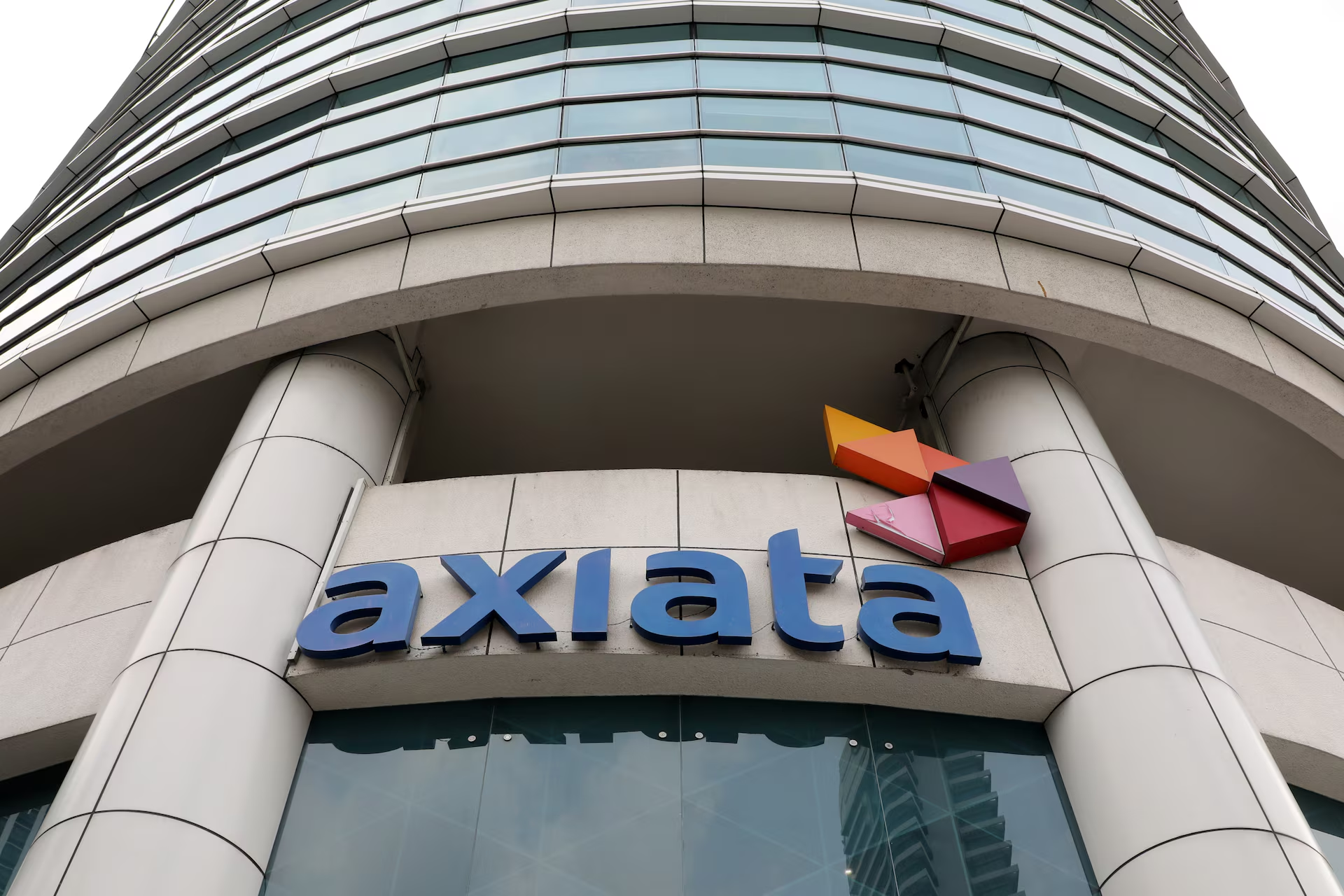
Building of axiata
On the domestic side, Dr. Upendra Mahato, the founding president of the Non-Resident Nepali Association, is the most prominently accused figure. He was an early investor in Ncell through offshore vehicles including Dalto Trade Cyprus and Synergy Nepal, and government investigations accused him of conducting share transactions as both a foreign investor and a Nepali citizen depending on what was advantageous, while paying minimal tax.
Evidence indicates that in 2008, around USD 203 million may have been transferred offshore in connection with the purchase of shares in Ncell, which was then operating under the name Spice Nepal.
Separately, there are suggestions that part or possibly the entirety of a USD 230 million offshore loan used in 2012 to acquire a 20 percent stake in Ncell could have ultimately been routed to Mahato.
Niraj Govinda Shrestha acquired 20 percent of Ncell from Mahato in 2012 and later sold it in 2016 at an enormous profit. Bhawana Singh Shrestha, through her company Sunivera Capital Ventures, bought that 20 percent stake.
Bhawana is married to Satish Lal Acharya, the Singapore-based businessman of Nepali origin who owns Spectrlite UK Limited, which in December 2023 acquired Axiata’s 80 percent stake, making the Acharya family the dominant owner of the entire company.
What is Reynolds Holdings and why does it matter so much?
Reynolds Holdings is the offshore shell company at the structural heart of the Ncell controversy. It was registered in St. Kitts and Nevis, a well-known tax haven, and held the controlling 80 percent stake in Ncell on paper.
The actual economic owners behind Reynolds changed multiple times, but because Reynolds itself, rather than Ncell, was what got bought and sold, the transactions technically occurred outside Nepal’s legal jurisdiction. TeliaSonera did not sell Ncell shares. It sold Reynolds Holdings shares.
When Axiata then sold its stake, it sold Reynolds Holdings again, this time to Spectrlite UK. The company never appeared on any Nepali share registry, no transaction was reported to Nepal’s Office of the Company Registrar, and the relevant regulatory body, the Nepal Telecommunications Authority, was not consulted or informed before any of these deals.
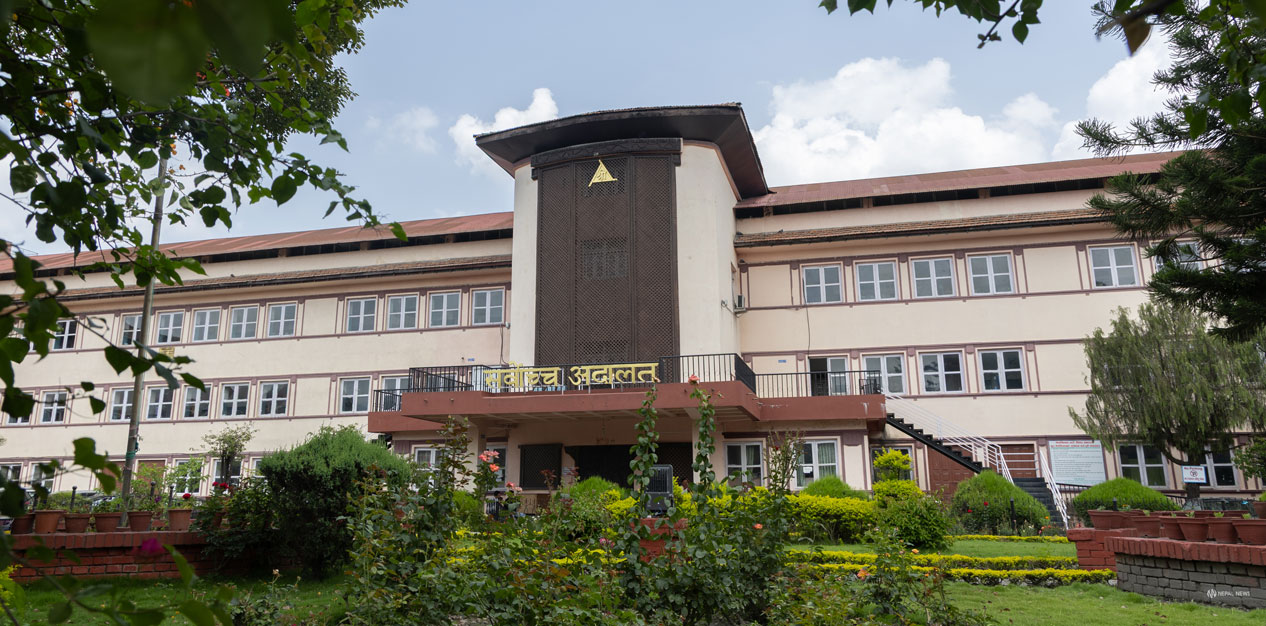
Supreme Court of Nepal. File photo
The Supreme Court of Nepal ultimately ruled that despite the offshore structure, these transactions still triggered tax liability in Nepal under Section 57 of the Income Tax Act, because what changed hands was the underlying ownership and economic control of a Nepali company.
The court’s reasoning was that Reynolds Holdings was functionally a permanent establishment of Ncell’s parent companies and that its only business purpose was to hold and trade the Ncell stake. The shell company’s lack of employees, physical presence, or any other business made it, in the court’s view, an instrument of tax avoidance rather than a legitimate commercial entity.
This ruling was groundbreaking for Nepali tax law but left numerous follow-on questions unresolved.
What is Section 57 of Nepal’s Income Tax Act and why is it so central to this case?
Section 57 of Nepal’s Income Tax Act of 2002 is an anti-avoidance provision that says if the ownership of an entity changes by 50 percent or more compared to what it was three years earlier, then that entity is deemed to have sold all its assets and liabilities at market value.
In other words, even if only the shares of a parent company change hands offshore and the local company remains formally unchanged, the law treats the local entity as if it disposed of everything it owned and must pay tax on the resulting gains.
In the Ncell situation, when TeliaSonera sold its effective 80 percent underlying ownership in Ncell to Axiata, the underlying ownership of Ncell changed by 80 percent in a single transaction. The Supreme Court confirmed in its February 2019 ruling that this triggered Section 57.
The ruling meant Ncell, as the Nepali entity, was deemed to have disposed of its assets at market value, creating a massive tax liability. The transaction price of approximately Rs 14.40 billion for the 80 percent stake became the basis for calculating the tax, which the Large Taxpayers Office ultimately assessed at around Rs 6.26 billion including penalties and interest.
After Ncell had already paid Rs 2.36 billion, the court in August 2019 revised the outstanding amount downward to Rs 2.11 billion, which Ncell paid in installments. But then the tax office levied an additional Rs 5.79 billion under Section 57 for the deemed disposal of company assets, triggering yet another legal battle that went on for years.
Why did Nepal’s government struggle to collect tax from TeliaSonera when it was the original seller?
This is one of the most revealing failures in the entire story. When TeliaSonera sold its stake in 2015 and 2016, Nepal’s Large Taxpayers Office determined that it owed roughly Rs 3.50 billion in capital gains tax. The tax authority froze TeliaSonera’s dividends to ensure payment.
However, despite these efforts, the Swedish company managed to repatriate its dividends and exit Nepal entirely before the tax was collected. The Office of the Auditor General documented that TeliaSonera left without paying.
Politicians and powerful interests who could have prevented the exit did not do so, and former acting Auditor General Sukadev Bhattarai Khatri publicly accused prime ministers and state agencies of covering up the transactions rather than investigating them.
Khatri later revealed that pressure was placed on him not to include certain findings about the Ncell share transactions in the 73rd annual Auditor General’s report. He stated that a file was hidden and that subsequent reports omitted the issues his office had raised, effectively burying the accountability trail.
As TeliaSonera had already left, the courts eventually ruled that the liability had to be collected from the buyer, Axiata, and from Ncell itself. This set the precedent that a buyer in Nepal is responsible for a seller’s unpaid tax if the seller has already exited, a ruling that while legally defensible created significant alarm among foreign investors about the risks of acquiring Nepali businesses with unresolved tax histories.
What was the role of the Supreme Court across the different stages of this case?
The Supreme Court of Nepal was called upon multiple times and delivered rulings that reshaped the legal landscape around this case.
The first major ruling came on February 6, 2019, when a full five-member bench headed by then-Chief Justice Cholendra Shumsher Rana ruled that Reynolds Holdings was a shell company, that Axiata was the real owner of Ncell, and that both Axiata and Ncell were jointly liable to pay capital gains tax because TeliaSonera had left without paying. This was a landmark determination that established offshore share sales of a company whose underlying business is in Nepal can be taxed in Nepal.
In August 2019, the same court scrapped the tax amount determined by the Large Taxpayers Office, ruling the office had not followed proper procedure in arriving at its figure. The court then set the outstanding liability at Rs 2.11 billion in a detailed ruling released in November 2019.
In 2021, when the tax office issued a fresh demand of Rs 5.79 billion under Section 57 for deemed disposal of assets, the Supreme Court issued an interim order suspending collection, noting the risk of double taxation on the same underlying transaction. As of the most recent updates, that Section 57 demand remains legally in limbo, with the interim order still in place.
Separately, in December 2024, the Supreme Court issued a directive requiring that Ncell complete all legal procedures related to changes in foreign investment and ownership, a reference to the still-unresolved question of whether the government recognizes Spectrlite UK as the legitimate new majority owner.
What happened at the ICSID international arbitration and what did it decide?
In May 2019, Axiata and its UK subsidiary Axiata Investments filed a case at the International Centre for Settlement of Investment Disputes, the World Bank’s investment dispute resolution body.
Axiata claimed damages of USD 420 million, arguing that Nepal had imposed unjust and discriminatory taxes, violated the bilateral investment treaty between Nepal and the United Kingdom signed in 1993, and failed to provide fair and equitable treatment. The case was the first ever filed by a Nepal-related company at the ICSID, and its outcome was watched closely by the foreign investment community.
Nepal initially refused to participate in the proceedings. The ICSID then appointed its own arbitrator to represent Nepal’s side. Nepal subsequently engaged five law firms and multiple legal and tax experts to mount a defense.
On June 9, 2023, the tribunal issued its ruling in Nepal’s favor on the central question of damages, meaning Nepal did not have to refund the taxes Ncell had paid or pay the USD 420 million claim, which with interest and arbitration costs could have exceeded USD 500 million.
However, the tribunal’s award also contained a significant constraint: it signaled that Nepal should not levy any further tax on Ncell and Axiata arising from the 2016 acquisition of Reynolds Holdings. This effectively meant the Rs 5.79 billion additional demand under Section 57 that the Large Taxpayers Office had assessed in 2021 would be very difficult to pursue without inviting another international arbitration.
Nepal won the battle against the damages claim but lost the capacity to collect the additional tax it believed was owed.
Who is Upendra Mahato and what exactly did the government investigation find about him?
Upendra Mahato is one of Nepal’s most prominent diaspora businessmen and a foundational figure in the Non-Resident Nepali Association, serving as its founding president when it was established in 2003. He was also an early and significant investor in Ncell when it was still Spice Nepal, operating through a network of companies registered across Cyprus, St. Kitts and Nevis, and Nepal itself.
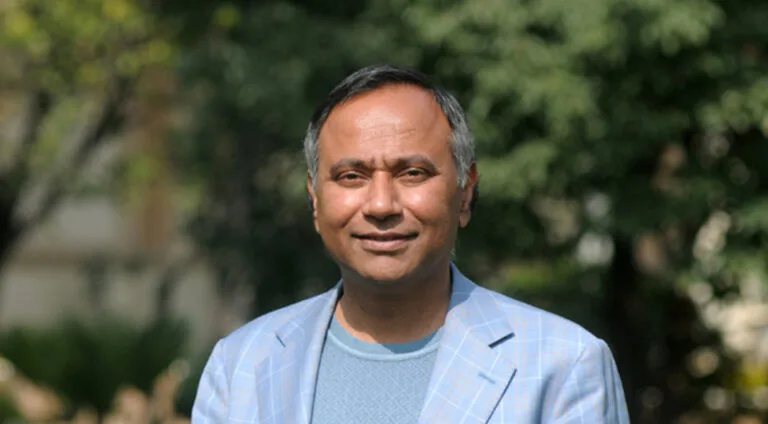
Upendra Mahato. File photo
The government investigation report led by former Auditor General Tankamani Sharma Dangal, submitted in January 2024, identified Mahato as having conducted serial tax evasion across his Ncell-related transactions. The report found that he used both domestic and foreign company vehicles to buy and sell shares in ways that were designed to minimize or avoid Nepali tax entirely.
His off-shore company held 58.6 percent of Spice Nepal at one point, and his domestic company Synergy Nepal held 20 percent, giving him dominant control of the company through both offshore and domestic entities simultaneously.
The Taxpayers Office calculated that when Mahato sold shares to Niraj Govinda Shrestha in 2012, he concealed profits of Rs 3.20 billion and evaded more than Rs 325 million in profit tax based on valuations his own lawyers disputed.
The report also highlighted that Mahato’s transactions created a fundamental legal contradiction: if he operated as a foreign investor, he violated Nepal’s Telecommunications Policy, which requires at least 20 percent domestic ownership. If he operated as a Nepali citizen, he violated the Foreign Exchange Act because he was conducting foreign currency transactions without proper authorization.
Either way, the report concluded, he should be investigated.
What was the deal between Telia and Niraj Gobinda Shrestha, and why was it so suspicious?
The 20 percent stake in Ncell that had to be held by Nepali investors became the centerpiece of a transaction so opaque that even thorough investigative journalism could not fully account for where hundreds of millions of dollars went.
In March 2012, Upendra Mahato’s Synergy Nepal sold the 20 percent stake to Mahato personally, who then sold it to businessman Niraj Gobinda Shrestha within days. Both Mahato and Shrestha separately declared to Nepali courts that the transaction price was approximately USD 3 million, or about Rs 250 million. Nepal’s tax authority believed the actual market value was closer to USD 42 million and assessed additional tax accordingly.
However, investigations found that TeliaSonera had lent Shrestha approximately USD 230 million through one of its Dutch subsidiaries in a tax haven, specifically to enable him to buy the 20 percent stake from Mahato.
If Shrestha received USD 230 million to buy shares he declared were worth only USD 3 million, the question of what happened to the rest of the money became central. TeliaSonera later wrote off the loan entirely in 2016, describing it as settled through Shrestha performing certain legal acts, which neither Telia nor Shrestha would explain.
This means Shrestha effectively received the shares for little or no actual cost, then sold them four years later for a declared profit of USD 105 million. Nepal’s central bank confirmed it had no record of the USD 230 million loan being authorised or brought into the country as legally required, raising serious concerns about foreign exchange violations and offshore profit hoarding.
How did Axiata exit Nepal and what made the December 2023 sale so controversial?
Axiata announced its exit from Nepal on December 1, 2023, citing what it called an increasingly challenging business environment, including unfair taxation and regulatory uncertainty. Through its UK subsidiary, it sold 100 percent of Reynolds Holdings, which effectively transferred its 80 percent stake in Ncell.
The buyer was Spectrlite UK Limited, a UK-registered company owned by Singapore-based Nepali businessman Satish Lal Acharya. His wife, Bhawana Singh Shrestha, already held the remaining 20 percent of Ncell through Sunivera Capital Ventures. The deal effectively transferred majority control of Nepal’s largest private telecom company to the Acharya family.
The sale price was the most immediately shocking detail: Axiata had paid approximately USD 1.365 billion to acquire Reynolds Holdings in 2016. Seven years later, it sold the same asset to Acharya for just USD 50 million, with only 5 million payable within six months and the remainder spread over four years until 2027.
The sale price represented a decline of more than 96 percent from the original purchase price. The government’s subsequent investigation committee concluded the deal violated the arm’s length principle, meaning it was not a transaction between genuinely independent parties negotiating freely.
The committee found that Axiata would continue receiving a share of Ncell’s dividends through 2029 despite nominally having sold its stake, suggesting the sale may have been structured to avoid Nepal’s nationalization provision rather than to reflect a genuine commercial exit.
Critically, Axiata had not sought prior approval from the Nepal Telecommunications Authority before conducting the transaction, in violation of regulatory requirements.
What did the government investigation committee actually conclude in January 2024?
The five-member committee chaired by former Auditor General Tankamani Sharma Dangal submitted its report to then-Prime Minister Pushpa Kamal Dahal on January 29, 2024. Despite being commissioned with public funds and significant public interest, the government kept the report confidential and never released it officially.
The committee found that Ncell’s shares had changed hands 14 times since the company’s founding, and in every single instance involving foreign investors, the transactions were conducted outside Nepal with payments made outside the Nepali banking system. No required documents were provided to Nepal’s regulatory authorities before or after any of these transactions.
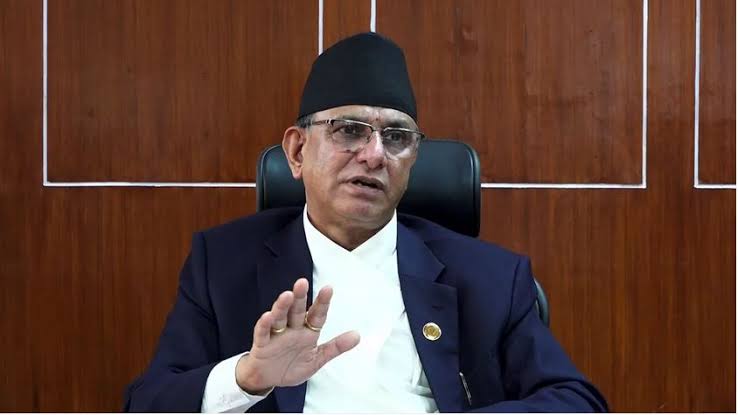
Former Auditor General Tankamani Sharma Dangal. File photo
The committee dismissed Axiata’s claim that Nepal’s business environment was unfavorable, calling that justification baseless given that Ncell remained consistently profitable throughout its operational life and had paid over Rs 30.20 billion in combined taxes and non-tax revenues to the Nepali state.
The committee also found that Ncell had brought in only Rs 81.2 million as registered foreign investment while transferring over Rs 6.69 billion abroad as profits since 2015, a ratio that illustrated how the company had been used to extract value from Nepal while minimising official footprint.
It recommended that the Spectrlite sale not be recognized, that all pending taxes be settled before any license renewal, and that further investigation be launched into Mahato, Shrestha, and others involved in the 20 percent stake transactions.
What is the legal question around the 20 percent domestic shareholding requirement?
Nepal’s Telecommunications Policy has since 2004 required that at least 20 percent of any foreign-invested telecom company’s shares be held by Nepali investors. This provision exists to ensure that domestic capital participates in the profits generated by companies serving Nepali customers, and it gives Nepal a legal mechanism to maintain some degree of economic sovereignty over its communications infrastructure.
In practice, the 20 percent domestic stake in Ncell became one of the most investigated and disputed corners of the entire controversy.
The core problem was that the people who held this supposedly domestic stake were not straightforwardly Nepali investors using Nepali capital. Upendra Mahato conducted transactions involving the domestic stake while his legal status toggled between Nepali citizen and non-resident Nepali depending on context.
Niraj Gobinda Shrestha held the stake using what appears to have been hundreds of millions of dollars in undisclosed foreign funding from TeliaSonera routed through offshore entities. Bhawana Singh Shrestha of Sunivera Capital Ventures acquired the stake through funds whose origin has never been clearly established, with investigators pointing to a USD 90 million payment from Axiata to a secretive offshore entity connected to her husband that occurred just weeks before she became Ncell’s domestic partner.
The government investigation report explicitly flagged that if these shareholders were not Nepali citizens at the relevant times, their ownership violated the Telecommunications Policy, and if they were Nepali citizens, the offshore loan and investment structures they used violated the Foreign Exchange Regulation Act. The report called for investigation on both possibilities simultaneously.
What is the double taxation debate, and did Nepal try to tax Ncell twice for the same deal?
The double taxation controversy emerged from two different legal provisions that the tax authorities applied to the same 2016 Axiata acquisition. The first was capital gains tax under Section 95A of the Income Tax Act, applied to TeliaSonera as the seller, with Ncell and Axiata made responsible for paying it after TeliaSonera left without paying.
Ncell eventually paid around Rs 4.70 billion under this head across several years. Then the Large Taxpayers Office separately assessed an additional liability of Rs 5.79 billion under Section 57, treating the change in underlying ownership as a deemed disposal of all of Ncell’s assets at market value, which would trigger yet another round of income tax on the company itself.

Ncell Corporate Tower at Lainchaur
Ncell argued this constituted taxing the same transaction twice through two different legal channels, which was fundamentally unfair and legally questionable. The Supreme Court appeared to acknowledge this concern when it issued an interim order in 2021 suspending the Section 57 collection, noting the risk of double taxation.
The ICSID tribunal’s 2023 ruling added international weight to the argument, with the arbitrators observing that further tax assessment would violate Nepal’s own Income Tax Act and the spirit of the bilateral investment treaty with the United Kingdom.
Tax experts were divided: some maintained that Sections 57 and 95A address different types of tax liability and are legally compatible even if their combined effect is severe, while others argued that applying both to the same transaction amounted to judicially acceptable but economically unfair double taxation that would chill future foreign investment.
How did politicians and powerful interests shield these transactions from accountability?
This is perhaps the most troubling dimension of the entire story. Former acting Auditor General Sukadev Bhattarai Khatri, who resigned from the position, said publicly that prime ministers and state agencies failed to investigate the Ncell transactions and appeared to play a role in covering them up.
He stated that despite his raising the issues in the 73rd annual report, subsequent reports omitted them and files were hidden. He said no senior official ever publicly challenged his accusations.
The then-independent parliamentarian Dr. Amresh Kumar Singh, now an RSP MP, filed a Supreme Court petition in December 2023 alleging that Ncell dealings were opaque. The CIAA, which received a formal referral from the Public Accounts Committee to investigate the Ncell transactions, said it had no information on the matter and had apparently taken no action.
Multiple parliamentary committees, including the Public Accounts Committee and the State Affairs and Good Governance Committee, held hearings and issued directives, but the government never published the investigation report and the committee chairs repeatedly complained that their instructions were being ignored or delayed.
A separate amendment to Section 57 of the Income Tax Act, quietly inserted into the Economic Bill passed by the House of Representatives in 2024, was criticized by financial experts and opposition politicians as a deliberate provision to exempt Ncell’s new shareholders from inheriting previous tax liabilities, benefiting the Acharya-linked ownership structure while removing a legitimate legal obligation from the company.
Who are the Acharya family and how did they come to control Ncell?
Satish Lal Acharya is a Singapore-based businessman of Nepali origin. His brother Sachin Lal Acharya sits on Ncell’s Board of Directors. His wife Bhawana Singh Shrestha owns Sunivera Capital Ventures, through which she holds 20 percent of Ncell’s shares. Together, through Spectrlite UK’s 80 percent holding and Sunivera’s 20 percent, the Acharya family controls the entirety of Nepal’s largest private telecom company.
What makes this concentration of ownership so striking is that the family was not new to the company. Bhawana Singh Shrestha acquired the 20 percent domestic stake in Ncell from Niraj Govinda Shrestha in 2016 under circumstances investigators have never satisfactorily explained.
The government’s investigation committee flagged serious concerns about the source of her investment capital, noting a USD 90 million payment from Axiata to an offshore entity connected to her husband around the time of the purchase. If that payment was the actual source of her investment, it would mean the domestic stake was not funded by genuinely domestic Nepali capital at all.
Separately, both Satish and Bhawana hold Singaporean citizenship. Under Nepal’s Foreign Investment Prohibition Act, investment abroad by Nepali citizens requires clear authorization, and investigators have raised questions about whether all the transactions involving Bhawana’s stake complied with this provision.
The Auditor General’s 2016 annual report explicitly recommended investigating Bhawana Singh Shrestha for her role in purchasing and holding the 20 percent stake, focusing on concerns about the source of investment, potential tax evasion, and money laundering. Despite that recommendation, no formal prosecution has followed.
Satish Lal Acharya’s own entry into the Ncell story came through Spectrlite UK Limited, a company he registered in the United Kingdom in September 2023, just weeks before Axiata announced the sale. His purchase of Reynolds Holdings for USD 50 million, against Axiata’s original acquisition price of USD 1.365 billion, prompted Nepal’s government investigation committee to conclude the transaction was not arm’s length and was structured to minimize tax liability on the outgoing deal.
The committee also found that Satish would assume all outstanding tax risks from prior litigation, including the still-pending Rs 5.79 billion Section 57 demand, as part of the arrangement, further suggesting the low declared price was compensated by risk transfer rather than reflecting actual commercial value.
What is the Smart Telecom connection and why has it made the Acharya family’s position even more precarious?
The Acharya family’s control of Ncell took on an entirely new dimension when Nepal’s Central Investigation Bureau began probing the auction of assets belonging to Smart Telecom, a defunct telecommunications company whose license had been revoked in April 2023. Smart Telecom had launched services in 2013 under the brand SmartCell and accumulated close to Rs 30 billion in unpaid government dues before its license was automatically canceled after it failed to pay renewal fees despite four rounds of government-approved installment extensions between 2020 and 2021.
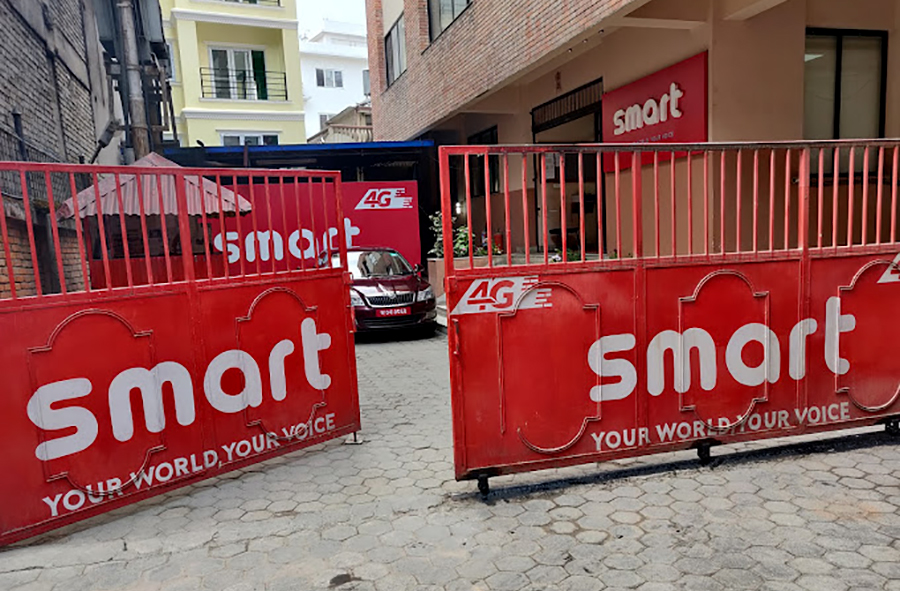
What the CIB investigation revealed was a direct family link between Smart Telecom and Ncell that investigators say was not coincidental. Sachin Lal Acharya was the founding Chairman of Smart Telecom. Satish Lal Acharya held shares in that company through his Singapore-registered firm Lal Sahu Distributors Private Limited, which controlled 70 percent of Smart Telecom. Bhawana Singh Shrestha was also associated with Smart Telecom’s ownership structure.
In other words, the same family that co-founded and controlled Smart Telecom, allowed it to run up Rs 30 billion in government liabilities, and then watched it collapse without paying, now controls Ncell, the company that purchased Smart Telecom’s assets.
Under the Telecommunications Act, once Smart Telecom’s license was revoked, all its physical infrastructure legally became state property. The Nepal Telecommunications Authority formally declared those assets under its control in a public notice issued in May 2023. From that point, only the NTA had the authority to manage and auction those assets after conducting a proper valuation to recover government dues first.
Instead, in September 2025, Nepal Investment Mega Bank, which had extended over Rs 520 million in loan facilities to Smart Telecom, published its own auction notice. On October 6, 2025, Ncell placed the winning bid of Rs 4.60 billion. Two dummy bidders, alleged by the CIB to have been set up by the bank to simulate competition, bid Rs 450 million and Rs 420 million respectively. The government received nothing from the transaction despite being owed Rs 30 billion by the very company whose assets were being sold.
The CIB’s working conclusion is that the asset transfer was not opportunistic but planned: the Acharya group allowed Smart Telecom to default on its government obligations knowing that the eventual asset liquidation could be directed toward Ncell.
Former Auditor General Sukadev Bhattarai Khatri stated publicly that settling a Rs 30 billion government claim for Rs 4.60 billion paid to a private bank cannot be explained by any legitimate commercial logic and amounts to collusion by its very nature.
The CIB has since raided Ncell’s headquarters, seized internal documents, and confirmed that its investigation is focused on whether board-level authorization from within Ncell was given for the asset purchase, which would directly implicate Satish Lal Acharya as chairman.
Satish and Bhawana have been unreachable since the investigation intensified, with sources describing them as having gone into hiding. The Bureau has stated that if they are found abroad, Interpol notices and extradition mechanisms will be pursued.
How has the Acharya family’s dividend repatriation record deepened concerns about financial misconduct?
Beyond the Smart Telecom auction and the ownership controversy, the government investigation committee led by former Auditor General Tankamani Sharma found a pattern in Ncell’s financial flows that investigators describe as one of the starkest illustrations of value extraction from a Nepali company.
The committee’s data showed that between its founding and the fiscal year 2022-23, Ncell had repatriated Rs 6.69 billion in dividends abroad while the total verified foreign investment brought into Nepal stood at just Rs 81.2 million. This means the company sent out abroad more than 800 times what it officially brought in as foreign investment.
Investigators have raised questions about whether this volume of outward repatriation was legally sanctioned at each stage, whether all required Nepal Rastra Bank approvals were obtained, and whether the structures used to route these dividends outside Nepal constituted violations of the Foreign Exchange Regulation Act or the Anti-Money Laundering Act.
The concern is not only about the scale of outflows but about their destination. With Bhawana Singh Shrestha’s 20 percent stake held through Sunivera Capital Ventures, and Satish Lal Acharya’s Singapore residency and UK-registered holding company controlling the remaining 80 percent, investigators have asked whether dividend payments were properly accounted for under Nepali tax law at each ownership level.
The committee specifically flagged the source of Bhawana’s investment capital as requiring formal investigation, noting that if funds connected to Axiata or any foreign entity were the actual source of her domestic stake, the dividends she received on that stake were not legitimate domestic investor returns but potentially disguised foreign capital flows.
No formal prosecution on these grounds has yet been initiated, but the CIB’s ongoing investigation into the Smart Telecom transaction has reopened scrutiny of Ncell’s entire financial history under the Acharya family’s watch.
What is the nationalization question, and what does Section 33 of the Telecommunications Act say?
Section 33 of the Telecommunications Act of 1997 is the legal provision that determines what happens to a foreign-invested telecom company when its license expires.
It states that if more than 50 percent of a telecommunications company’s total capital belongs to foreign investors, then upon the expiry of its operating license, the land, buildings, machinery, equipment, and all physical infrastructure automatically transfer to the Government of Nepal without compensation. The company can apply for a new license, but the infrastructure it built over its operational lifetime becomes state property.
Ncell’s original 25-year license was issued on September 1, 2004, and expires on August 31, 2029. Because Spectrlite UK, a foreign-registered company, holds 80 percent of Ncell, the company’s assets should under the existing law automatically transfer to the government in 2029.
The government recognized this in a Council of Ministers decision during the Dahal administration in early 2024, stating that Ncell would come under government ownership after its current term. The license was renewed in August 2024 for a final five-year period under the explicit condition that no changes in shareholding would be permitted and that government ownership of the infrastructure would occur upon license expiry.
Ncell and its new management, led by CEO Michael Foley, have argued this represents discriminatory treatment, invoked the Nepal-UK bilateral investment protection treaty’s provisions against nationalisation without compensation, and in January 2026 formally proposed to the government that Ncell conduct an IPO and increase Nepali ownership above 50 percent, which would legally prevent nationalisation. The government has so far not accepted or rejected that proposal.
What is the status of the Spectrlite ownership transfer and why has the government not recognized it?
Despite Spectrlite UK completing its acquisition of Reynolds Holdings in December 2023, the Nepali government has not formally recognized Satish Lal Acharya’s company as the legitimate new majority owner of Ncell.
The government’s refusal to recognize the transfer stems from several interconnected concerns. The Nepal Telecommunications Authority was not consulted or informed before the transaction was completed, violating regulatory requirements that require prior approval for any share transfer exceeding 5 percent of paid-up capital.
The government investigation committee found the deal price of USD 50 million for an asset acquired for USD 1.365 billion was unrealistically low and did not reflect arm’s length negotiation.
The Supreme Court in December 2024 issued a directive specifically instructing Ncell to complete all legal procedures related to changes in foreign investment and ownership, which analysts interpreted as requiring formal regulatory approval that had never been obtained.
Spectrlite submitted an application for regulatory approval to the NTA in March 2024, three months after the court order, but as of the latest reporting no decision had been made.
Some observers describe this extended delay as a deliberate strategy to prevent the new ownership from ever being formalized, ensuring that when the license expires in 2029, the government can argue the ownership transfer was never legally valid and claim the assets under Section 33 without complication.
Ncell’s management has repeatedly warned that this unresolved situation makes long-term investment planning, including any investment in 5G infrastructure that would cost an estimated Rs 6 billion to deploy, completely impossible without clarity on the company’s future beyond 2029.
What happened with the license renewal in 2024 and what conditions were attached?
Ncell’s original 20-year license expired in August 2024. The renewal process was contentious from the start. Ncell paid Rs 400 million upfront and applied for an instalment plan to pay the remaining Rs 1.60 billion of the Rs 2 billion renewal fee, with 10 percent interest on the outstanding balance.
The government approved the renewal in a cabinet meeting in August 2024, just days before the deadline, with several restrictive conditions attached. The most significant condition was an explicit prohibition on any changes to Ncell’s shareholding structure during the renewal period, meaning neither Spectrlite nor Sunivera could sell, transfer, or restructure their holdings until 2029.
The government’s purpose was to prevent any maneuver that might reduce foreign ownership below 50 percent before the license expired, which under Nepali law would eliminate the nationalization provision.
Critics pointed out that the restriction itself may be legally problematic, since it interferes with shareholders’ constitutional property rights. Ncell argued the condition was discriminatory because no equivalent restriction was placed on state-owned Nepal Telecom during its own renewal.
The company also objected to the 10 percent interest charge, arguing it created an additional financial burden of Rs 255 million that Nepal Telecom was not required to bear. Despite these objections, the government proceeded with the renewal under its stated conditions.
The NTA in 2025 allocated budget for a formal study on how Ncell would be commercially operated after government takeover in 2029, the first institutional step toward preparing for nationalization.
How much has Ncell actually paid in taxes and what is the broader economic picture?
Cutting through the controversy, Ncell has been the single largest private taxpayer in Nepal’s history. By the fiscal year 2024/25, the company had paid approximately Rs 36 billion in combined taxes and non-tax revenues to the Nepali government since it began operations, of which about Rs 4.70 billion was specifically capital gains tax related to the 2016 Axiata acquisition.
The company employs and supports more than 25,000 direct and indirect jobs, provides 4G coverage to more than 95 percent of Nepal’s population, and has invested over Rs 200 million in corporate social responsibility initiatives in health, education, and disaster management.
At the same time, the company’s financial position in recent years has deteriorated. Revenues have declined by roughly 25 percent over five years as over-the-top services like WhatsApp eroded voice call revenue, and the 42 percent fall in international incoming calls has not been compensated by data growth.
Ncell recorded a 74.6 percent fall in net profit in 2023. The combination of declining revenues, the heavy Rs 2 billion license renewal fee, ongoing tax uncertainty from the still-pending Section 57 assessment, and the ownership and nationalization disputes have left the company in an unenviable position.
Its CEO has publicly said it is impossible to plan a 5G rollout that would take six to eight years to recover costs without knowing whether the company will exist in its current form beyond 2029.
What has changed under the new Balen Shah government in 2026?
The new Rastriya Swatantra Party government led by Balen Shah, which came to power after the March 5, 2026, elections following the Gen Z uprising, inherited the entire unresolved tangle of Ncell controversies without having yet made definitive policy moves.

RSP Chairman Rabi Lamichhane (left) and Prime minister Balendra Shah (right)
Ncell’s January 2026 letter to the interim prime minister Sushila Karki and relevant ministries, signed by CEO Michael Foley, laid out the company’s position clearly: it sought formal recognition of the Spectrlite ownership change, a review of the conditions imposed during license renewal, a commitment to allowing the company to reduce foreign ownership through an IPO, and clarity on its future beyond 2029 as a precondition for any major capital investment including 5G.
The company invoked the bilateral investment protection agreement with the United Kingdom and warned that international litigation remained a last resort if the disputes were not resolved through dialogue.
The new government, which campaigned heavily on anti-corruption and institutional reform themes, faces a genuine dilemma with Ncell.
On one hand, pursuing the full accountability that the government investigation recommended, including formal investigation of Mahato and others and recognition of the massive unpaid tax obligations, would be consistent with its governance mandate.
On the other, if the government forces nationalization in 2029 without resolving the ownership question and the bilateral investment treaty claims, Nepal could face another costly international arbitration.
The NTA has begun technical groundwork for commercial operation studies, indicating that the nationalization path remains the operational default unless a negotiated alternative is agreed.
What remains unresolved and what could happen next?
The list of unresolved matters in the Ncell saga is extensive and affects both the company’s future and Nepal’s broader investment climate. The formal recognition of Spectrlite UK’s ownership remains pending, with the government continuing to delay a decision that should technically have been made within weeks of the 2024 Supreme Court directive.
The additional tax demand of approximately Rs 5.79 billion under Section 57, frozen by an interim court order since 2021, has not been finally adjudicated. The government investigation report implicating Upendra Mahato and Niraj Gobinda Shrestha in significant tax evasion has been kept confidential and the CIAA has taken no known action.
The Supreme Court petition filed by Dr. Amresh Kumar Singh in December 2023 challenging the Spectrlite transaction remains under consideration.
The Smart Telecom criminal investigation adds a parallel track that directly implicates Ncell’s current Nepali leadership. The CIB has confirmed it is still gathering evidence on whether board-level authorization from within Ncell was given for the Smart Telecom asset purchase.
Satish Lal Acharya and Bhawana Singh Shrestha remain out of reach of investigators, and whether the Bureau will formally seek Interpol assistance or initiate extradition proceedings against them remains one of the most consequential open questions in the case.
Looking ahead, the critical date is August 31, 2029, when Ncell’s license expires. If the ownership structure at that point still shows Spectrlite UK, a foreign-registered company, holding more than 50 percent of the capital, the Telecommunications Act mandates automatic asset transfer to the government.
Ncell’s proposal to reduce foreign ownership below 50 percent through an IPO could legally prevent that transfer, but the government’s own renewal conditions prohibit shareholding changes until 2029, creating a legal contradiction the courts or legislature will eventually have to resolve.
International investment law protections under the Nepal-UK bilateral treaty add another layer of complexity, since compulsory asset transfer without fair compensation could constitute expropriation under treaty law.
Nepal’s ability to attract foreign investment in the future will depend significantly on how it navigates the Ncell question: whether it demonstrates that it can enforce tax obligations fairly and transparently, or whether the entire episode becomes remembered as two decades of regulatory failure, political interference, and captured institutions serving private interests at the public’s expense.