Kathmandu
Friday, December 12, 2025





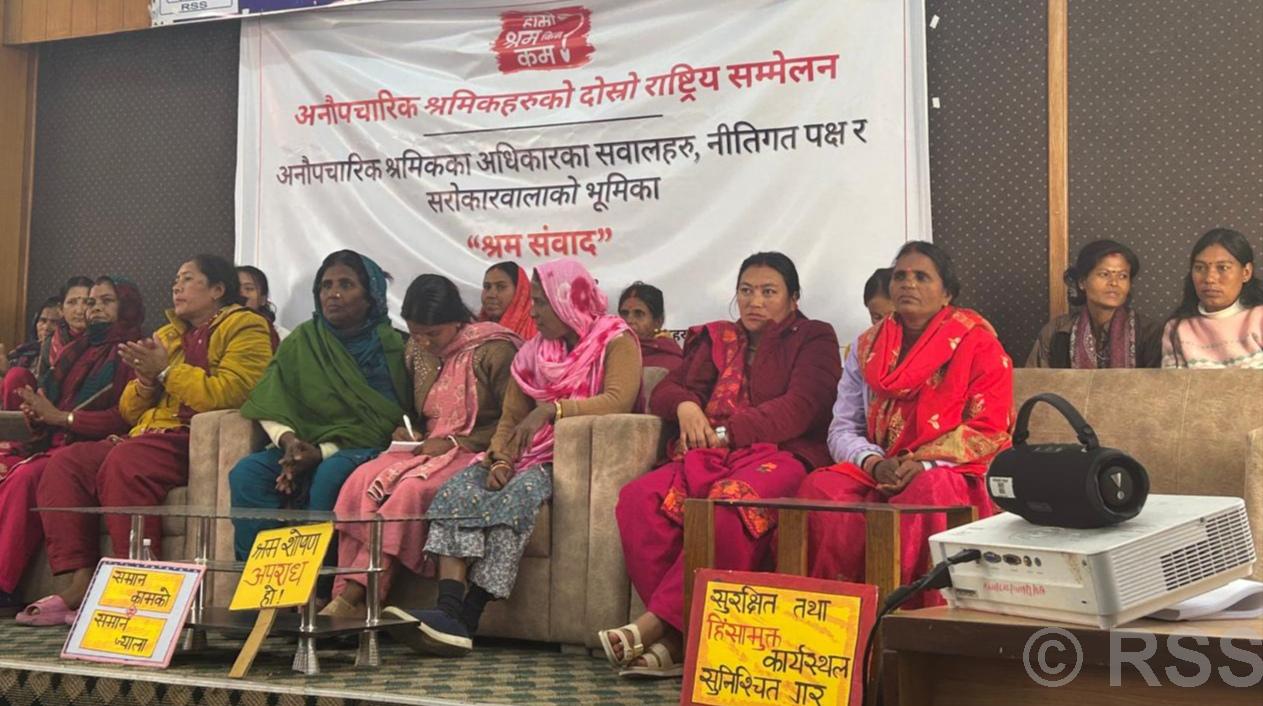
KATHMANDU: The second National Conference of Informal Sector Workers, currently underway in the federal capital, has presented a seven-point charter of demands to the government.
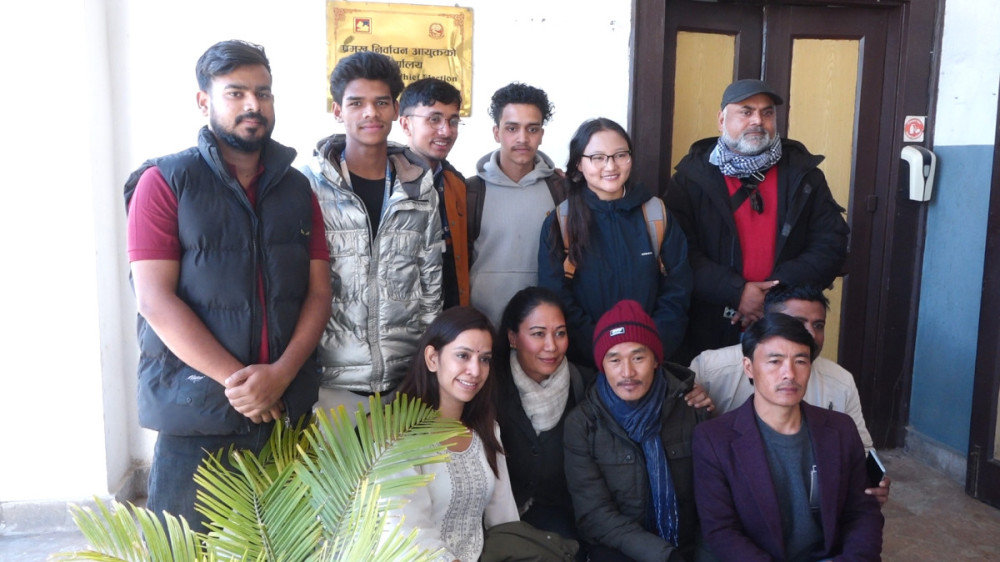
Working women from informal sectors across 13 districts of five provinces gathered here and shared their demands at a press meet today.
Their demands include the registration of all informal sector workers at the local level and a guarantee that they receive the minimum and fair wages as determined by the Labour Act 2017 (2074). They have also called for a safe workplace and access to insurance facilities.
Stating that women in the informal sector are highly vulnerable to sexual harassment, exploitation, and discrimination, they urged the concerned authorities to take prompt measures to address these issues. They further demanded breastfeeding spaces for workers with young children, access to drinking water, toilets, childcare facilities, and a guarantee of their right to dignity.
Stating that informal sector workers make up 90 percent of the total workforce in such sectors, the gathering demanded that local governments ensure the establishment of a Labour Monitoring Mechanism and formulate working procedures by law to address the exploitation and injustices they face.
“We require an exploitation-free, safe, and decent workplace,” the statement reads.
The gathering also echoed the need for their inclusion in the contribution-based Social Security Scheme, along with a guarantee of sustainable job opportunities.
Last but not least, in view of the upcoming election, they called on all political parties to compulsorily incorporate the issues of informal sector workers in their election manifestos, making them priority agendas to improve workers’ rights and ensure justice for them.
The gathering held in the context of the 17th National Human Rights Magna Meet is themed “Our Labour, Why Is It Valued Less?”