Kathmandu
Thursday, June 4, 2026





Harshal Pathak, serving as the team’s first foreign coach, expresses confidence in the Nepal women’s cricket team’s qualification for the World Cup
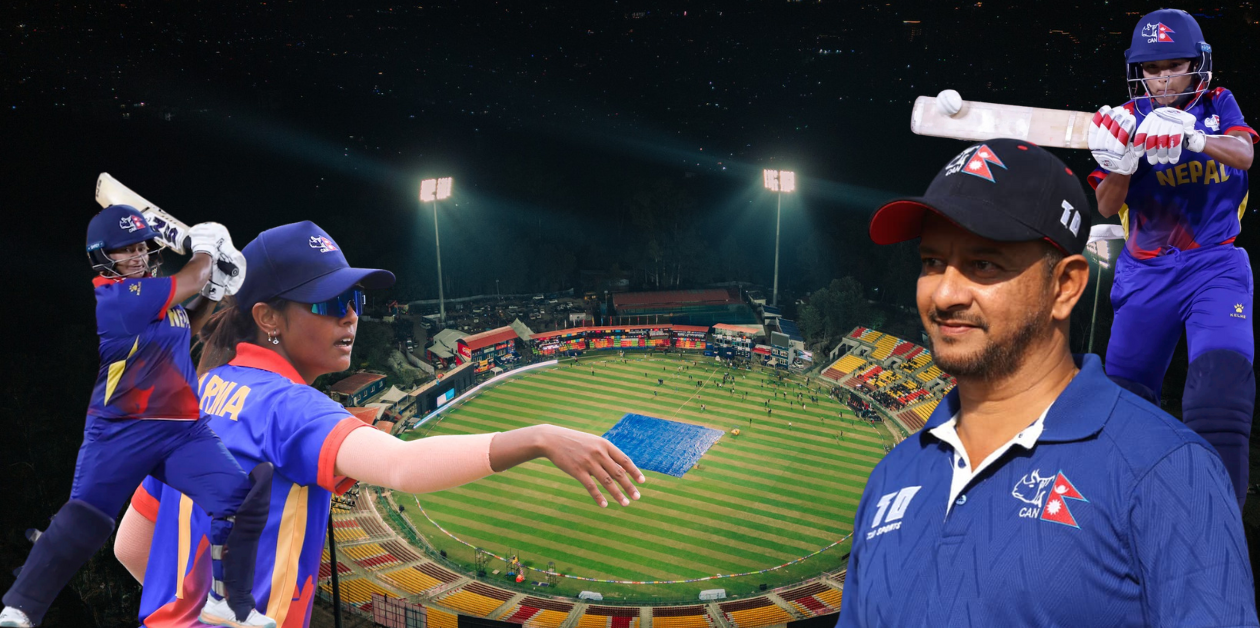
KATHMANDU: Echoing the success of the men’s cricket, the national women’s cricket team stands just one step away from making history. This comes on the heels of the men’s team securing their third T-20 World Cup qualification just two months ago.
Inspired by this very success, women players are also preparing for the ICC Women’s T-20 World Cup Global Qualifier to be organized in Nepal starting next month.
If successful in this qualifier, the women’s cricket team will also qualify for the World Cup to be jointly hosted by England and Wales. With a focus entirely on this campaign, the Cricket Association of Nepal (CAN) has recently roped in Harshal Pathak from India as the head coach.
CAN has already used more than half a dozen foreign coaches for the men’s side. However, this is the first time a foreign coach has been hired for the women’s team.
On the men’s side, Nepal has already secured its place in the World Cup three times – in 2014, 2024, and 2026. All these three accomplishments highlighted the role of foreign coaches.
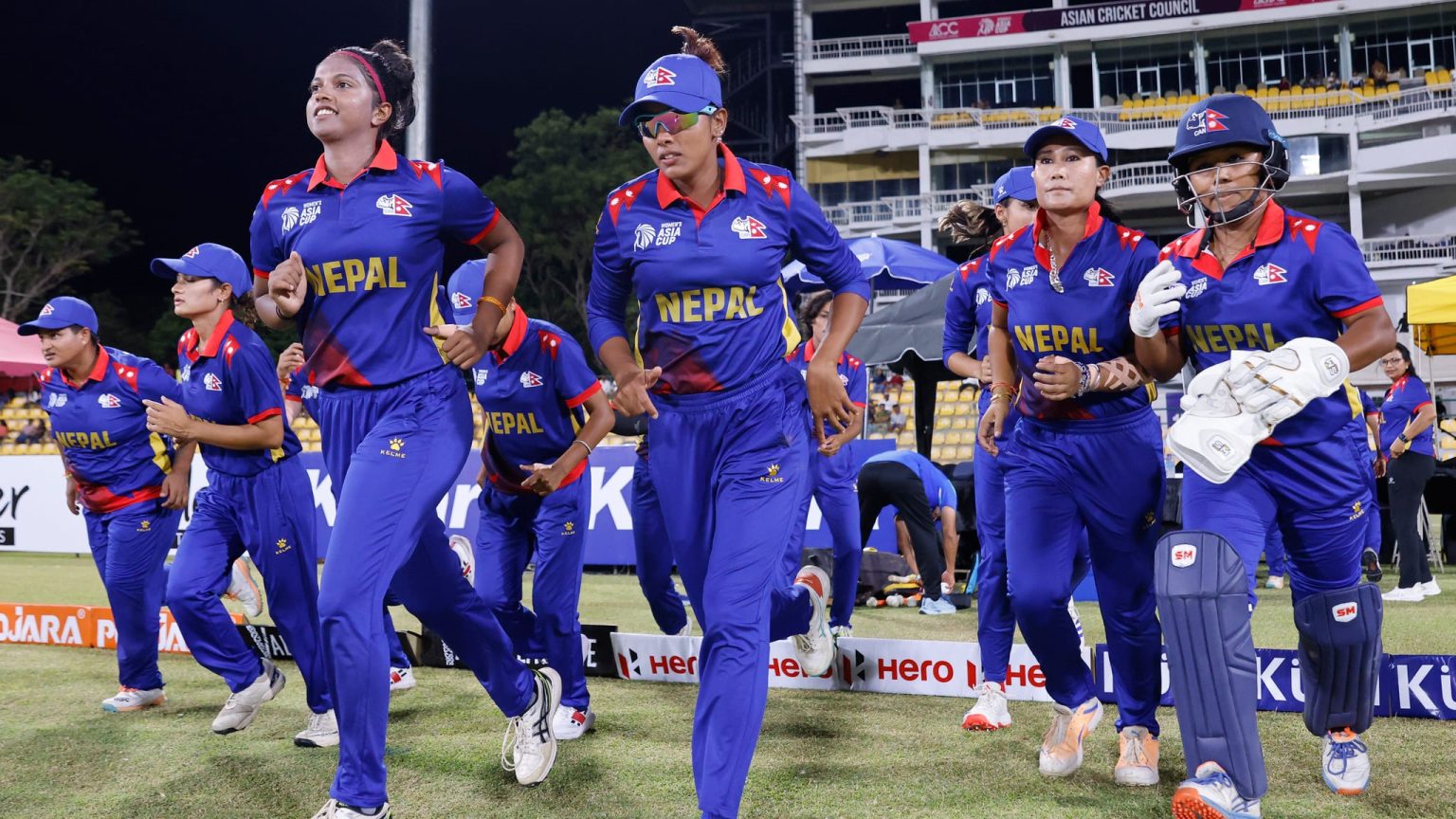
A foreign coach is being used for the first time to help improve the women’s team’s performance as well. Now, it remains to be seen how far head coach Pathak can guide the Nepali women’s cricket on the path of success.
The women’s team is yet to gather experience in a major tournament yet. Since becoming the runner-up of the ACC Women’s Championship in 2007, it appears they have been playing against only associate nations for about 18 years.
Manoj Katwal, who previously coached the women’s team, says, “The possibility is strong this time.” He was the coach when Nepal qualified for the Global Qualifier in Bangkok, Thailand, last May.
Katwal believes that the arrival of Pathak will create a positive environment in the team. “Reaching the global selection is a big achievement in itself. However, this is not the end; it is the beginning,” he says.
Successful coach, unsuccessful Nepal
Harshal Pathak is a familiar face in international cricket. He has already spent 21 years in coaching. Harshal, who led Maharashtra to the final of India’s domestic Ranji Trophy (India’s premier domestic first-class cricket tournament) after two decades, has provided personal coaching to star players like Harmanpreet Kaur. His role is considered significant in leading the Thai women’s team to the semifinals of the 2019 World Cup and the Asia Cup.

This experience forms the basis of CAN’s trust in Pathak. He says, “The Nepali team has extraordinary talent and courage.” Nepal and Thailand stepped into international cricket at the same time. However, Thailand touched the heights of success under his coaching. Nepal, however, could not maintain consistency.
The Nepali women’s team had made an excellent start by becoming the runner-up in their first international tournament, the ‘ACC Women’s Championship.’ After that success, cricket analysts said that Nepal’s women’s team was likely to play the T-20 World Cup before the men.
However, that analysis has already proven itself wrong. The greatest misfortune of the women’s team was the suspension of CAN by the International Cricket Council (ICC).
At that time, the women’s team was in excellent rhythm. However, after the suspension, only men’s cricket fell under priority. Nevertheless, even with limited means and resources, the women’s team stands strong.During this period, the women’s team played the Asia Cup twice.
It reached the semifinals of the ACC Women’s Championship three times. Thailand and the UAE have consistently become obstacles to Nepal’s success every time.
In two out of the last three qualifiers, Nepal was defeated in the decisive match against Thailand, which was earlier managed by Pathak. This time too, on May 20, Thailand defeated Nepal by 78 in the final match of the Super ‘Three’ of the Asian Qualifier in Bangkok, Thailand. However, with the ICC’s decision to have 20 teams participate in the World Cup to be held in England and Wales next year, Nepal has also obtained the opportunity to make a place in the Global Qualifier.
What is the goal now?
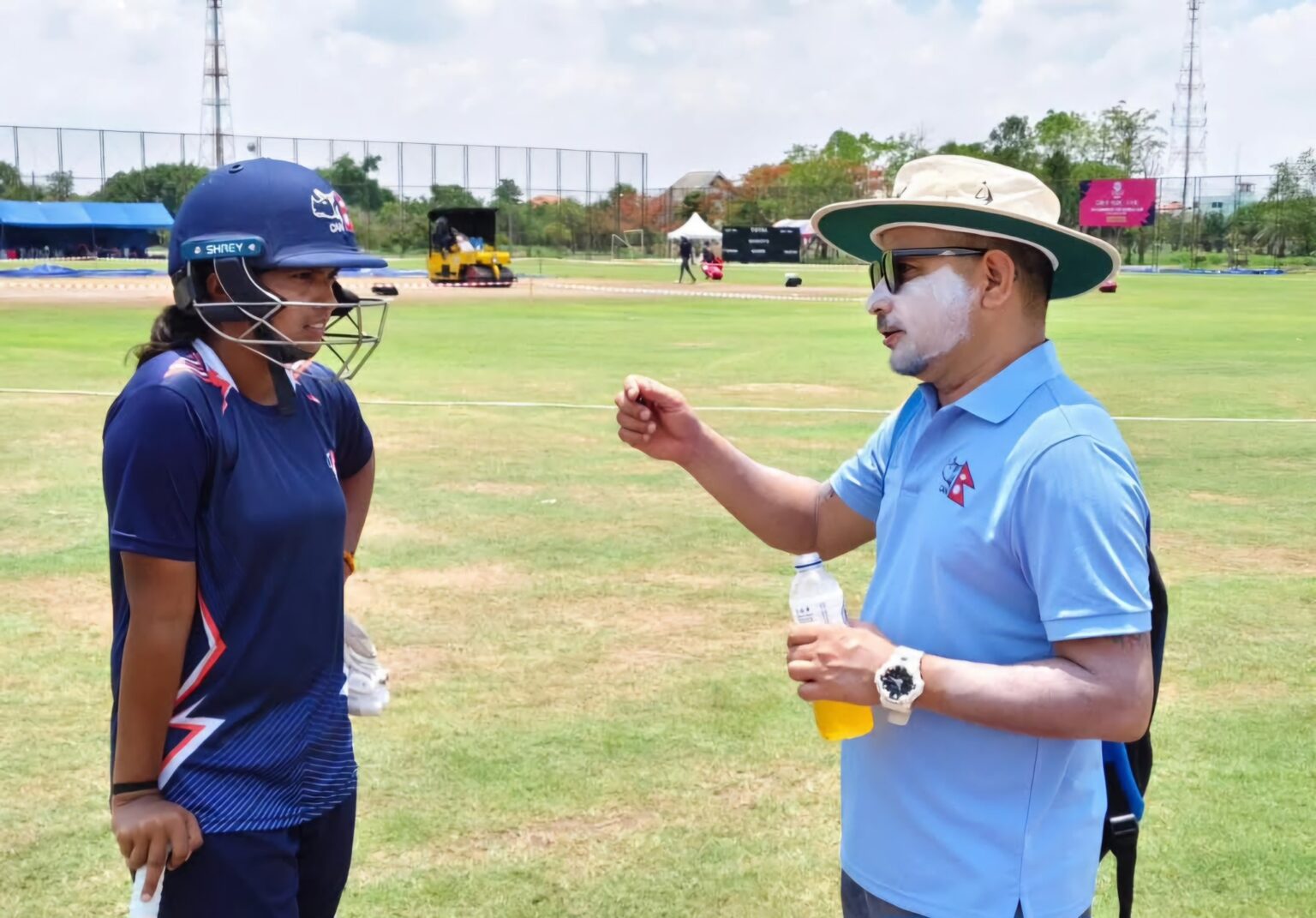
This time, Nepal has the opportunity to create another history among its own domestic spectators. The Nepali team is playing against Pathak’s former team, Thailand, on January 18. Nepal and Thailand are in Group B, which also includes Scotland, Thailand, Zimbabwe, and the Netherlands. Among these, the strongest teams are Thailand and Zimbabwe. These two teams have played in the World Cup one time each.
Like these teams, Nepal will also under pressure to reach the Super ‘Six’ to play the World Cup. Moreover, if it can remain in the top four, Nepal will open the door to the World Cup for the first time. But is the Nepali team capable of reaching there?
Pathak says, “Nepal is not a weak team.” He explains that the foundation to compete in all aspects, such as batting, bowling, and balance, has already been prepared in the Nepali team.
“Nepal has quality spinners, reliable medium-pace bowlers, and the batting lineup is continuously improving. Now, the necessary thing is to prepare self-reliant players who can take the right decisions under pressure,” said Pathak.
Pathak opines that players themselves must be able to think and take decisions on the field. Decisions such as when to start aggressive batting and when to go defensive have to be taken by the players on the field, not the coach. Therefore, he has been highlighting this aspect of the game to the players even in the practice sessions.
According to Pathak, cricket is a process of continuous learning. Experience, identification of weaknesses, new plans, and re-practice are the formulas for success.
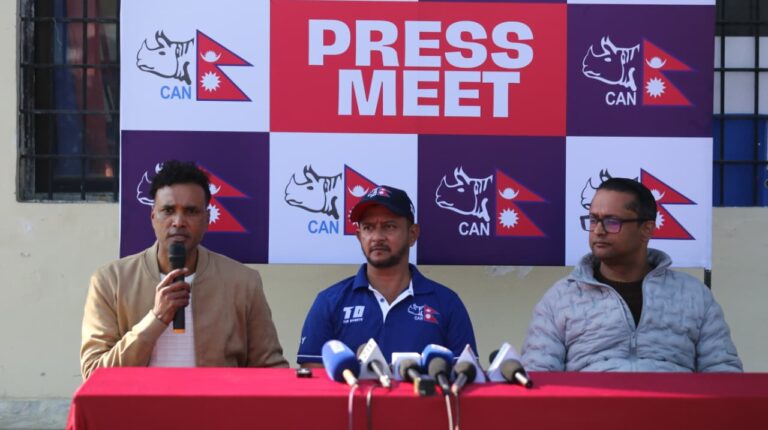
On a big stage like the Global Qualifier, the psychological aspect of the sport is considered the most decisive. He believes that in difficult situations, alternatives win the game. Therefore, players should ignore external pressure as white noise. Along with this, he emphasizes the need to focus on the present.
Pathak estimates that this thinking will help Nepal sustain itself at a level like the Global Qualifier. This philosophy of his succeeded in making Maharashtra’s comeback in Ranji.
It made a weak team like Thailand capable of playing the World Cup. This time, it is Nepal’s turn. Will he be successful in marching the Nepali women’s cricket team forward in the journey of the World Cup?