Kathmandu
Tuesday, June 16, 2026





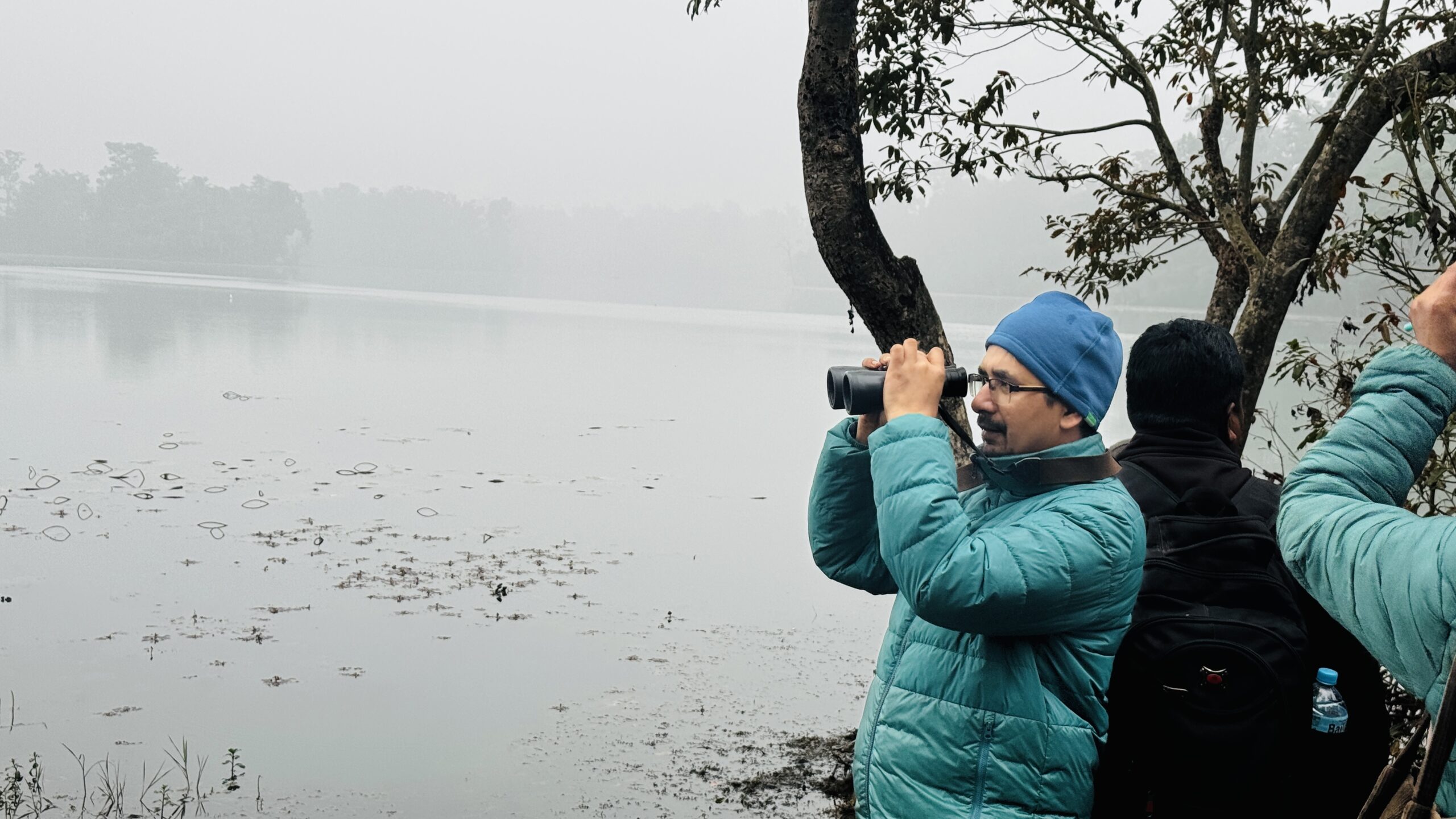
KAILALI: The population of water birds in the Ghodaghodi Wetland of Kailali has sharply declined in recent years, raising serious concerns among ornithologists and conservationists.
Unsafe habitats and a shortage of food are cited as the main reasons behind the decline, which experts say is an alarming sign for the wetland’s ecological health. Poaching has also contributed significantly to the reduction in bird numbers.
According to Dayaram Chaudhary, Chair of Bird Conservation Network Kailali, last year’s bird count in the Ghodaghodi wetland area stood at around 1,100, a notable decrease compared to records from 2022.
He added that the population of Harihans, a small duck species considered an indicator species of Ghodaghodi, has also declined in recent years.
Stakeholders have stressed the urgent need to conserve the biodiversity of Ghodaghodi, which is home to 24 lakes, including Ghodaghodi Lake, the largest natural lake in Nepal’s Terai region.
Recognising the ecological significance of the area and the presence of both native and migratory birds, the Sudurpashchim Province Government declared Ghodaghodi Lake Nepal’s first Bird Sanctuary on March 11 , 2022.
The wetland is known to host as many as 381 species of birds. Meanwhile, the annual bird census in the Ghodaghodi area began on Saturday, according to Bird Conservation Network Kailali.
The census is scheduled to conclude on January 5.