Kathmandu
Monday, June 8, 2026





Hope rises that India will change its current policy of not buying electricity produced with Chinese investment in Nepal as India–China relations improve
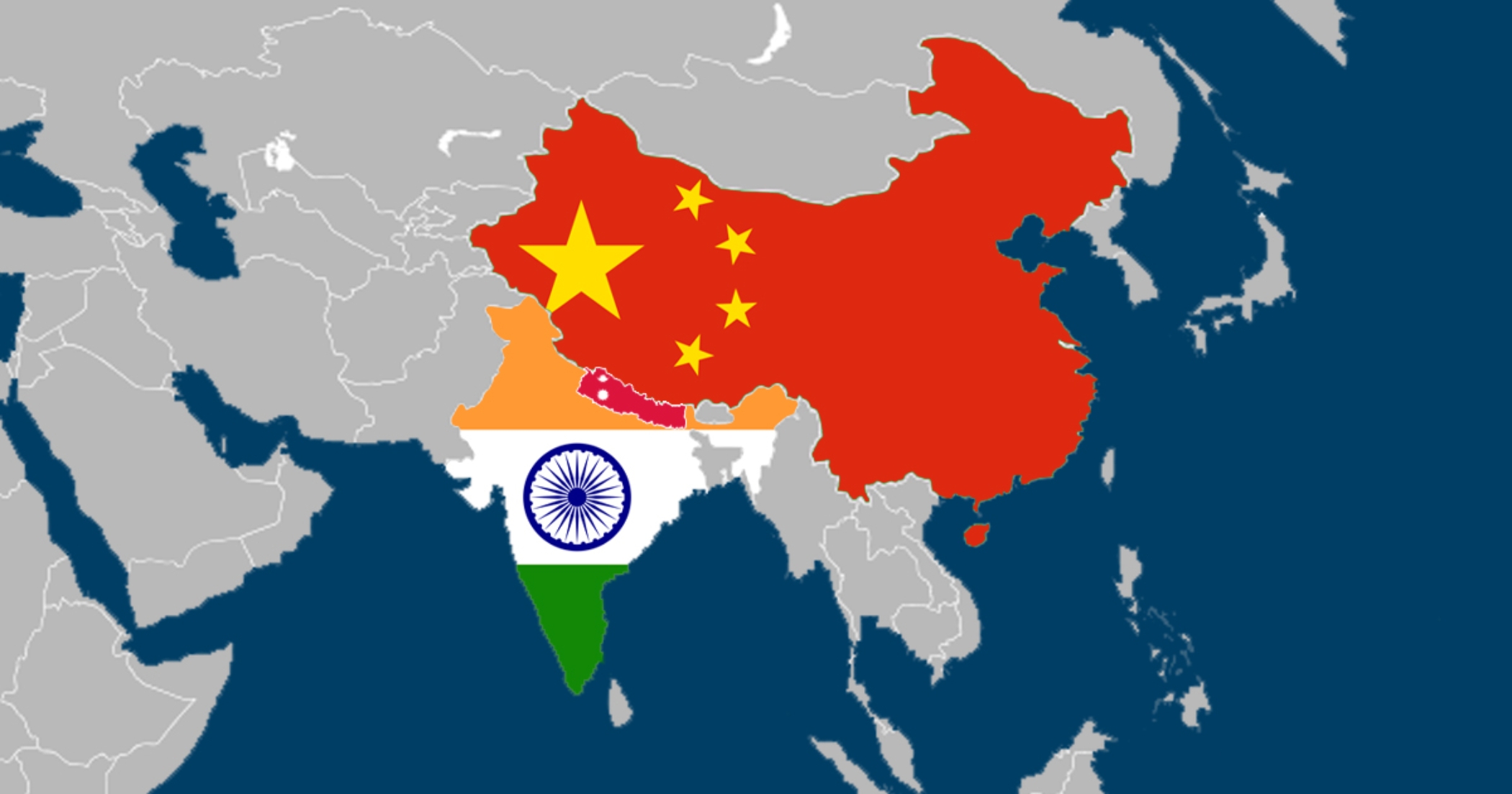
KATHMANDU: India is preparing to lift restrictions imposed five years ago that barred Chinese companies from participating in government tenders. Following the military clash between India and China in the Galwan region in 2020, New Delhi had introduced rules requiring Chinese firms to obtain political and security clearance before bidding for government contracts.
Since then, Chinese companies have been excluded from Indian government tenders worth nearly USD 750 billion. Now, however, India is moving toward reopening these tenders to Chinese firms, according to an international news agency, Reuters.
Twenty Indian soldiers were killed in the Galwan Valley clash five years ago. With tensions along the border easing and New Delhi seeking to revive commercial relations with Beijing, India is preparing to allow Chinese companies to compete again in government tenders. Reuters reports that the final decision is expected to be taken by the office of Indian Prime Minister Narendra Modi. The news also notes that a high-level committee led by former Cabinet Secretary Rajiv Gauba has recommended easing the restrictions imposed on Chinese companies.
After India barred Chinese firms from bidding, a USD 216 million railway construction contract proposal submitted by China’s state-owned company CRRC was declared ineligible.
Following the imposition of a 50 percent tariff on Indian goods by US President Donald Trump and the improvement in US–Pakistan relations, India has begun setting aside its bitterness with China and moving closer to Beijing. Alongside this, efforts are underway to deepen commercial cooperation. Prime Minister Modi visited Beijing last year, his first visit to China since the June 2020 Galwan clash. Direct air connectivity between India and China, suspended during the Covid-19 pandemic, was restored on 27 October 2025.
Good news for Nepal
India’s move is as welcome news for Nepal as it is for Chinese companies.
After tensions between India and China escalated, India issued its “Guidelines on Cross-Border Electricity Trade” on 26 February 2021, incorporating a provision that India would not purchase electricity generated in Nepal by projects built with Chinese investment. The guidelines state that India will not import electricity from projects that are invested in or controlled by individuals or companies from countries that share a border with India but do not have a bilateral power sector cooperation agreement with it.
India has signed bilateral power trade agreements only with Nepal, Bangladesh, and Bhutan. According to the guidelines, investors from India’s other neighboring countries must secure a separate government-to-government agreement through India’s Ministry of External Affairs to export electricity generated in Nepal to the Indian market.
This provision has discouraged investment in Nepal’s hydropower sector from countries like China and Pakistan, which share borders with India. So far, Chinese companies have not completed any hydropower projects in Nepal specifically aimed at electricity export. Concerns have frequently been raised that India’s policy has dampened Chinese investment in Nepal’s hydropower development.
Currently, Nepal exports surplus electricity generated during the monsoon season to India, while it imports electricity from India during the dry season.
For cross-border trade of electricity produced in Nepal, India remains the only easily accessible market. Nepal has neither signed a power trade agreement with China nor built cross-border transmission lines with it. Although Nepal has completed its internal preparations for a power trade understanding with China, it has held back due to fears of upsetting India.
Now, with New Delhi moving toward more cordial relations with Beijing, hydropower investors believe India may also lift its restriction on purchasing electricity generated by Chinese-invested hydropower companies in Nepal. Ganesh Karki, president of the Independent Power Producers’ Association Nepal (IPPAN), says, “This is good news for Nepal. If India–China relations improve, an environment could be created for selling electricity produced in Nepal with Chinese investment to India.”
Karki adds that Nepal’s Ministry of Foreign Affairs should take diplomatic initiatives to have India’s cross-border electricity trade guidelines revised. “There has been concern that India’s guidelines discourage Chinese investment in Nepal’s hydropower sector. If India–China relations improve, Nepal can also benefit. Efforts can be made through diplomatic channels to remove the existing obstacles,” he says.
However, hydropower expert Ratna Sansar Shrestha argues that India’s refusal to buy electricity need not be a problem. “The mindset that electricity produced in Nepal must be sold to India is itself flawed. Nepal should work on plans to consume electricity domestically,” he says. “If large data centers can be brought to Nepal, no matter how much electricity is produced, it can be consumed within the country.”
At present, Nepal sells electricity to India at around Rs 5 per unit. During this year’s monsoon season, Nepal sold electricity worth Rs 17 billion to India. Shrestha notes, “Data processing companies require large amounts of electricity. If such companies are brought to Nepal, the country could earn up to one US dollar per unit of electricity. Even if Nepal were to operate its own data centers, it would be difficult to meet the electricity demand.”
Indeed, Bhutan sold Bitcoins worth USD 30 million in 2024 and used the proceeds to increase government employees’ salaries. Shrestha says that the electricity Nepal sold to India worth Rs 17 billion could have been used to mine Bitcoin worth Rs 300 billion. “If Nepal focuses on new technologies, it won’t matter even if someone imposes restrictions on buying our electricity,” he adds.