Kathmandu
Tuesday, June 16, 2026





A two-century-old treaty, roughly 370 square kilometres of contested Himalayan terrain, and a lingering sense of unease continue to challenge whether India and Nepal can preserve their cherished “roti-beti ka rishta” — the deep ties of shared bread and kinship — before pride, nationalism, and external influences turn a manageable bilateral matter into a lasting strategic vulnerability.

KATHMANDU: For generations, India and Nepal have celebrated their bond as “roti-beti ka rishta” — families crossing an open border freely, citizens serving in each other’s armies, pilgrims visiting the same sacred sites, and marriages uniting communities as though no boundary divides them.
This unique closeness remains a living reality for millions. Yet, in recent years, the relationship has faced repeated strains from the unresolved territorial disagreement over the Kalapani-Lipulekh-Limpiyadhura triangle (around 370 sq km) and the smaller pocket in Susta.
What began as a question of historical maps and river origins has evolved into a symbol of national pride on both sides. As of late 2025, the issue has resurfaced prominently: Nepal’s issuance of a new Rs 100 currency note in November featuring its updated political map (incorporating the disputed areas) has reignited public attention, while the August 2025 agreement between India and China to resume border trade through Lipulekh Pass — without prior consultation with Kathmandu — prompted fresh diplomatic protests from Nepal. These developments highlight how quickly dormant tensions can flare, especially amid evolving regional dynamics.
India today aspires to lead the Global South as “Vishwa Guru”, emphasizing wisdom, partnership, and mutual respect over dominance.
That vision gains true credibility when demonstrated closest to home. Recent frictions with neighbors like Bangladesh, Maldives, Sri Lanka, and even Bhutan illustrate how goodwill can fade swiftly. Nepal stands apart — sharing not just a border but a profound cultural, linguistic, and spiritual universe. Resolving this boundary question through patient dialogue and compromise would powerfully affirm India’s maturing neighborhood policy as genuine regional statesmanship.
The roots trace back to the “Treaty of Sugauli” (signed 2 December 1815, ratified by Nepal on 4 March 1816) following the Anglo-Nepalese War. Article 5 clearly renounced Nepal’s claims to territories west of the Kali (Mahakali) River. While the treaty was precise in many ways, it left the river’s exact source unspecified. Early British surveys and maps (1816–1850s) often placed the origin at Limpiyadhura, with Nepal administering areas east of that ridge into the 1860s.
From the 1870s, Survey of India maps shifted the source southward to near Kalapani, reflecting what India views as ground realities and long-standing administrative practice. India maintains no formal Nepali protest occurred for nearly a century until a permanent presence was established post-1962 Sino-Indian War. Nepal insists unilateral map changes cannot override the original treaty intent and that its objections have been consistent since then.
Both interpretations hold some legal weight — making quiet, evidence-based diplomacy the only viable way forward, rather than public posturing.
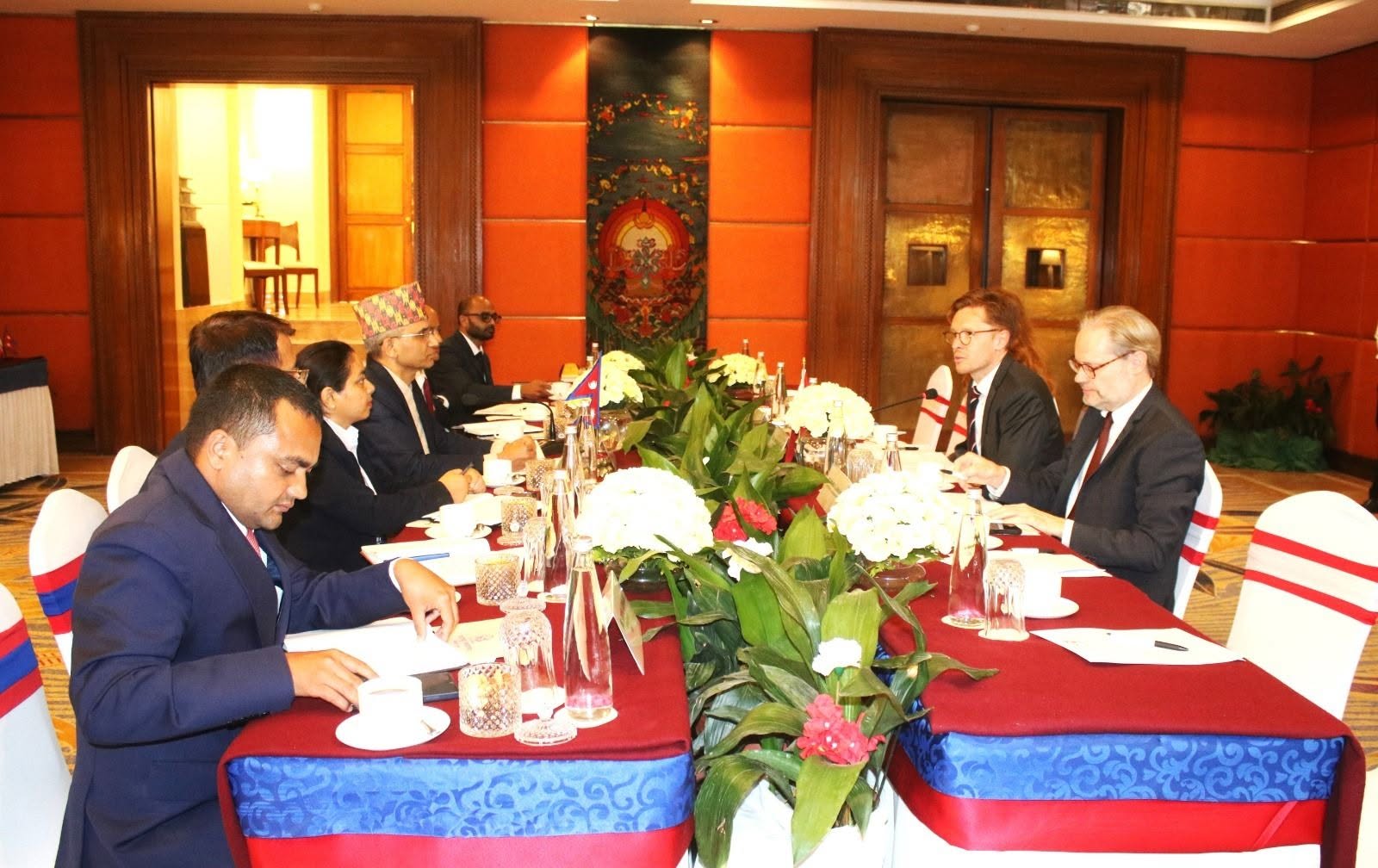
Fortunately, robust mechanisms already exist. The Joint Technical Level Boundary Committee (established 1981, later upgraded to the Boundary Working Group or BWG) surveyed the 1,850-km border, erected pillars, and resolved 97% of the line by 2014. Only Kalapani-Lipulekh-Limpiyadhura and Susta remain pending, with strip maps prepared but unsigned due to political hurdles. A foreign-secretary-level channel was agreed in 2014 during PM Modi’s Kathmandu visit to expedite resolution, and the Eminent Persons’ Group (EPG, 2016–2018) delivered a comprehensive 600-page report proposing modern updates to the 1950 Treaty of Peace and Friendship. Despite repeated calls (including in 2025), the report awaits formal acceptance.
Since Nepal’s 2020 constitutional amendment incorporating its new map, high-level talks have largely stalled, though technical BWG meetings resumed in 2025 (e.g., the seventh round in July) to handle non-disputed segments. This pattern of missed momentum is unfortunate, as the tools for progress are in place.
The costs of prolonged stalemate are mounting. For India, the area safeguards defense depth and the vital Kailash-Mansarovar pilgrimage route. For Nepal, it represents sovereign dignity after historical asymmetries. Meanwhile, the unresolved status opens space for third-party dynamics — particularly China’s expanding Himalayan footprint — turning a bilateral issue into a broader geopolitical concern, as seen in recent India-China trade understandings that sideline Nepali claims.
A fair, honorable settlement remains achievable. Revive the foreign-secretary mechanism with a clear timeline. If needed, refer the narrow hydrological question of the Kali’s source to a neutral expert body (following precedents like Bhutan-China). In the meantime, explore joint management of Lipulekh for pilgrimage and regulated trade, transforming tension into cooperation. Above all, dust off the EPG report as the foundation for a contemporary partnership that honors Nepal’s sensitivities while securing India’s legitimate interests.
India and Nepal share far more than geography — they share gods, festivals, languages, and destinies. If India’s ‘Vishwa Guru’ aspiration is to resonate globally, it must start regionally: through sustained dialogue, follow-through on existing commitments, and respect for a smaller neighbor’s narrative.
The institutions are ready; only renewed political will is required. The moment for quiet, purposeful diplomacy is now — before drift allows the dispute to become leverage for others.