Kathmandu
Thursday, June 4, 2026





Investigations into the 50-day first and 19-day second people’s movements were completed within six months
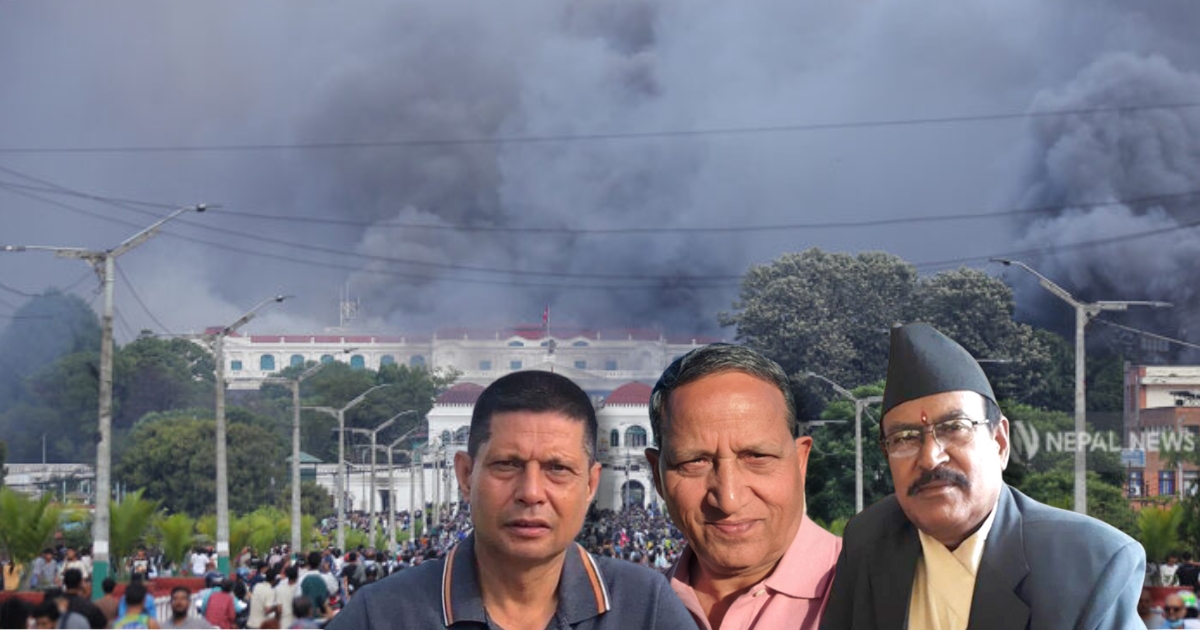
KATHMANDU: The probe commission formed to look into the human and physical damage caused during the Gen Z revolt of September 8 and 9, last year, has failed to submit its report on time. As the inquiry into a movement that lasted just two days could not be completed even after four months, the government on Thursday extended the commission’s deadline for a second time.
A Cabinet meeting on September 21, last year, had formed a three-member commission under the chairmanship of former justice Gauri Bahadur Karki. The members include former Additional Inspector General (AIG) of Nepal Police Bigyanraj Sharma and legal expert Bishweshwar Prasad Bhandari. Initially, the commission was given three months to complete its work. When it failed to submit the report within that period, the government granted a one-month extension. That extended deadline, too, expired on January 20, but the commission still could not submit the report.
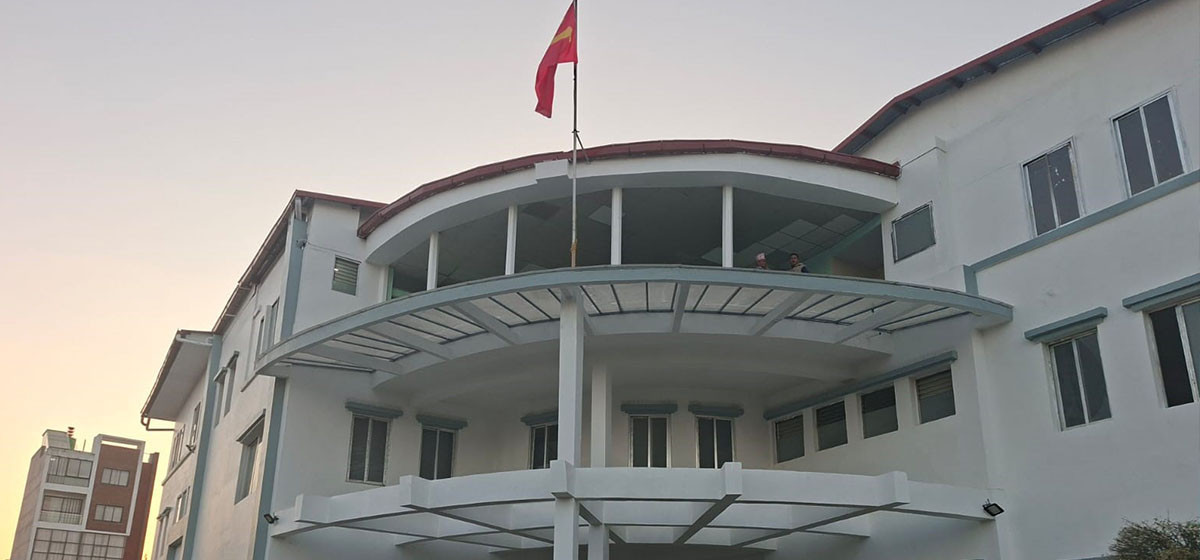
Citing that the report-writing process was not yet complete, a meeting held on Thursday at the Office of the Prime Minister and Council of Ministers in Singha Durbar—on the proposal of the Ministry of Home Affairs—decided to extend the commission’s tenure by another 20 days, government spokesperson and Home Minister Om Prakash Aryal said.
However, according to Harihar Birahi, a member of the commission formed after the 2006 People’s Movement (Jana Andolan II), the three-month period was sufficient for such an investigation. He also said that given the widespread public interest in the report, it should be made public before the upcoming elections scheduled for March 5.
The nature of the investigation did not require more time,” Birahi said. “Instead of working with urgency, that was not seen. Since the government itself lacked time, the pace of the investigation should have been accelerated.”
During the two days of the Gen Z protests, 76 people lost their lives. According to a damage assessment report prepared by the government under the leadership of the Secretary of the National Planning Commission, physical infrastructure worth Rs 84.45 billion was damaged.
Commission silent on work progress
The investigation commission has so far recorded statements from 152 individuals, including the then prime minister KP Sharma Oli and the then home minister Ramesh Lekhak. It has also taken statements from the then chief secretary Eknarayan Aryal, the then home secretary Gokarna Mani Duwadi, the then inspector general of police Chandra Kuber Khapung, Armed Police Force Chief Raju Aryal, the then director general of the National Investigation Department Hutaraj Thapa, the then chief district officer of Kathmandu Chhabilal Rijal, and the then mayor of Kathmandu Metropolitan City, Balendra Shah (Balen), among others.
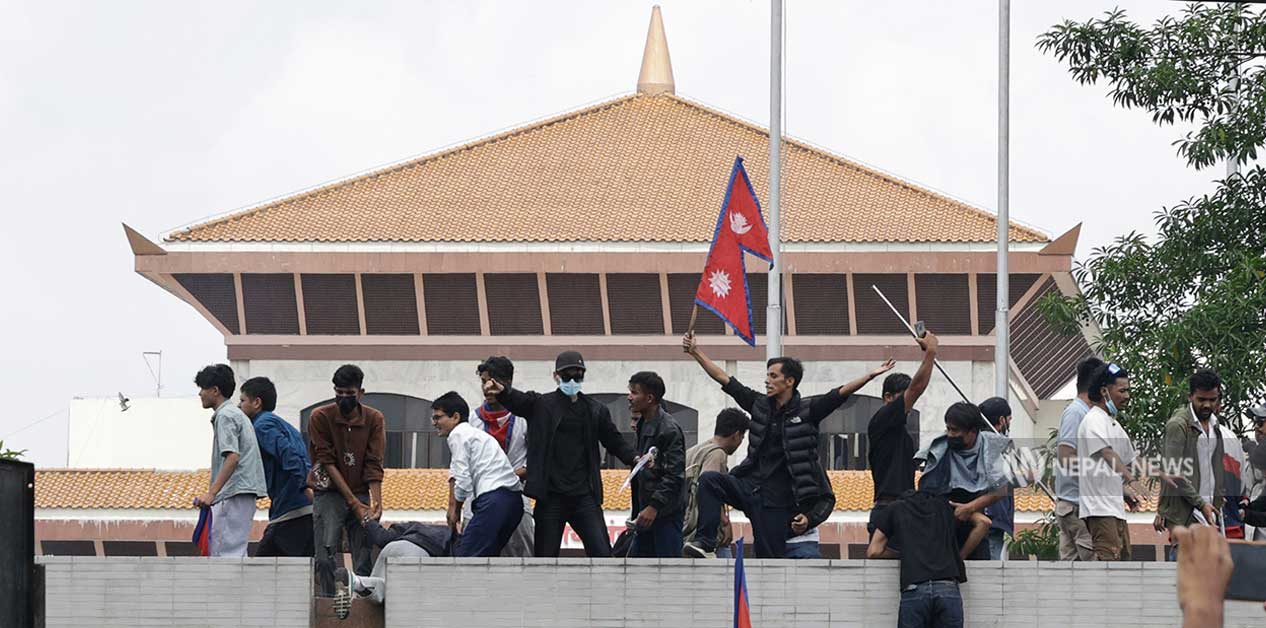
Protesters at the Federal Parliament building during the Gen-Z movement on 8 and 9 September. Photo: Bikram Rai
Former home minister Lekhak personally appeared at the commission’s office to give his statement, while former prime minister Oli and former mayor Shah submitted written statements.
However, the commission has not given a clear explanation as to why the report-writing process has been delayed. The commission members have not even disclosed how much progress has been made. “Extending the deadline is the government’s decision. I cannot say what is happening right now,” said commission member Bigyanraj Sharma.
Commission Chairman Karki had earlier stated that the report-writing process began after the statement of former PM Oli was completed. He said that a detailed investigation had been conducted into the overall events of the Gen Z revolt.
“The main issues we studied were the suppression on the September 8, the killing of teenagers, and why or how the destruction on the following day happened or was allowed to happen,” Karki had said. “We have worked honestly within the given mandate. We have examined where mistakes were made, who was responsible, and who appeared to be involved.”
In Nepal’s past as well, investigation commissions were formed to probe major political upheavals such as the People’s Movement of 1990 (2046 BS) also known as Jana Aandolan I, and the Second People’s Movement of 2006 (2062/63 BS). Both commissions had submitted their reports within six months.
People’s Movement of 1990
The First People’s Movement, which lasted 50 days (18 February to 8 April 1990), saw people take to the streets against the Panchayat system, demanding the restoration of democracy. Under the leadership of the Nepali Congress, various communist parties also joined the movement under a United Left Front.
The movement ended on 8 April 1990 with the dismantling of the party-less Panchayat system and the restoration of democracy. However, the Panchayat government at the time brutally suppressed the movement. To investigate the suppression and take action against those involved, the government formed an inquiry commission under the chairmanship of the then Justice Janardan Lal Mallik.
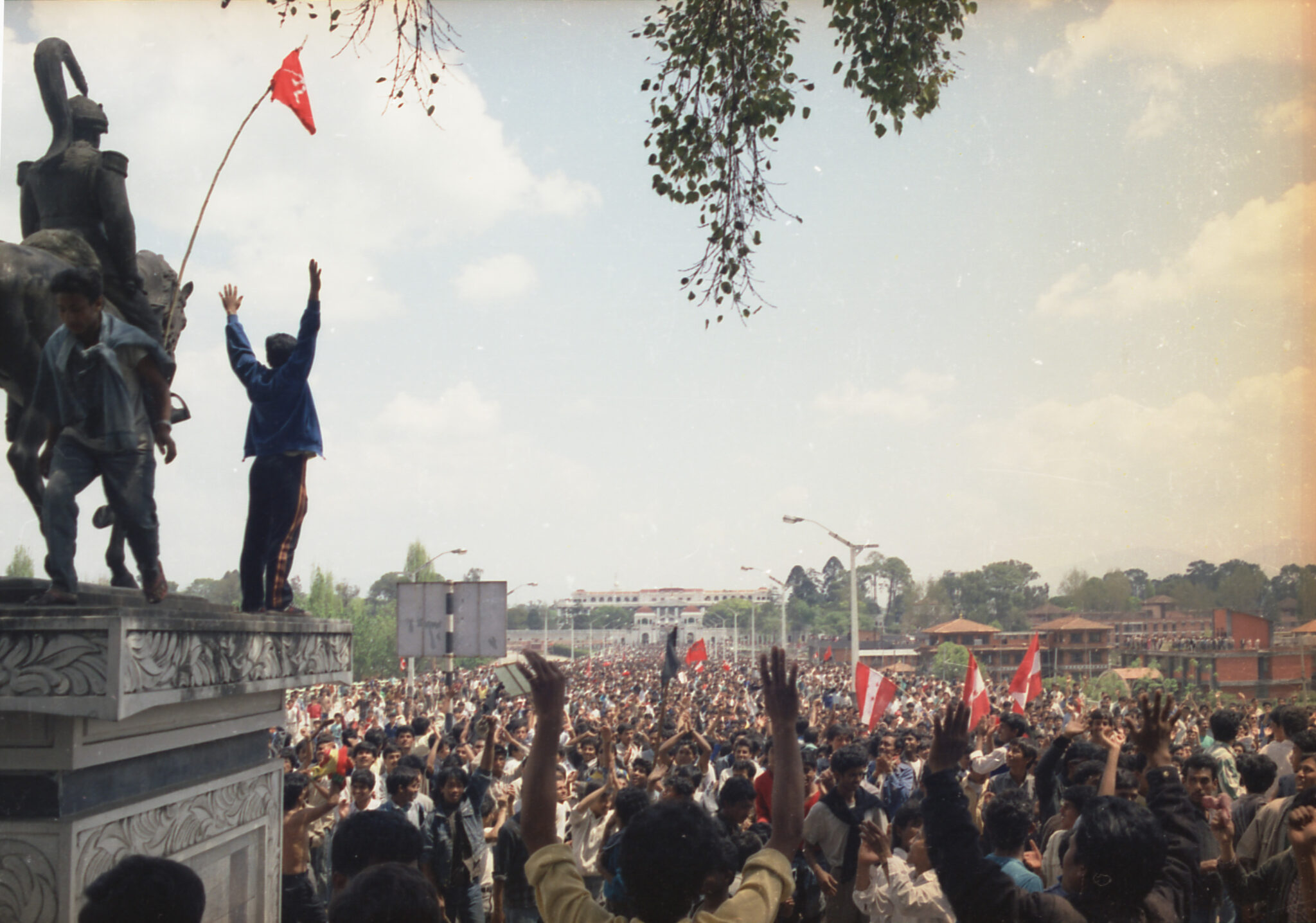
Participants in the victory rally in front of Singha Durbar after the 1990 People’s Movement. Photo: Min Ratna Bajracharya
The report prepared by the Mallik Commission has never been made public. However, the report had held thee then Panchayat-era prime ministers Marichman Singh Shrestha and Lokendra Bahadur Chand, Panchayat Policy and Inquiry Committee chair Nawaraj Subedi, the then ministers Kamal Thapa and Niranjan Thapa, and leaders Pashupati Shumsher Rana and Sharat Singh Bhandari guilty of involvement in the suppression of the movement.
People’s Movement of 2006
During the Second People’s Movement against the autocratic monarchy, which lasted 19 days (6-24 April 2006), 20 people were killed. Various political parties, along with the then Maoists who were engaged in armed conflict, participated in the movement.
The protests ended on 24 April 2006 after the then King Gyanendra Shah reinstated the House of Representatives. That House curtailed the king’s powers and transformed “His Majesty’s Government” into the Government of Nepal.
The same House conducted elections to the Constituent Assembly on 10 April 2008. On 28 May 2008, the first meeting of the Constituent Assembly abolished the 237-year-old monarchy and declared Nepal a republic.
After the movement, an investigation commission led by former Supreme Court Justice Krishna Jung Rayamajhi was formed. The commission recommended action against more than 300 individuals, including the then vice-chairmen of the Council of Ministers, Tulsi Giri and Kirti Nidhi Bista, Home Minister Kamal Thapa, Law Minister Niranjan Thapa, Army Chief Pyar Jung Thapa, and Armed Police Force Chief Basudev Oli. The commission had been given six months to investigate the 19-day movement. However, the report was never implemented.
According to Rayamajhi Commission member Birahi, the report had been completed within six months. He said that the then prime minister Girija Prasad Koirala hesitated to even receive the report after realizing it would not be favorable to him.
“They almost rendered us ineffective,” Birahi said. “At that time, there was no abnormal situation like today. There was no non-party government, and there was plenty of time.”