Kathmandu
Saturday, June 13, 2026





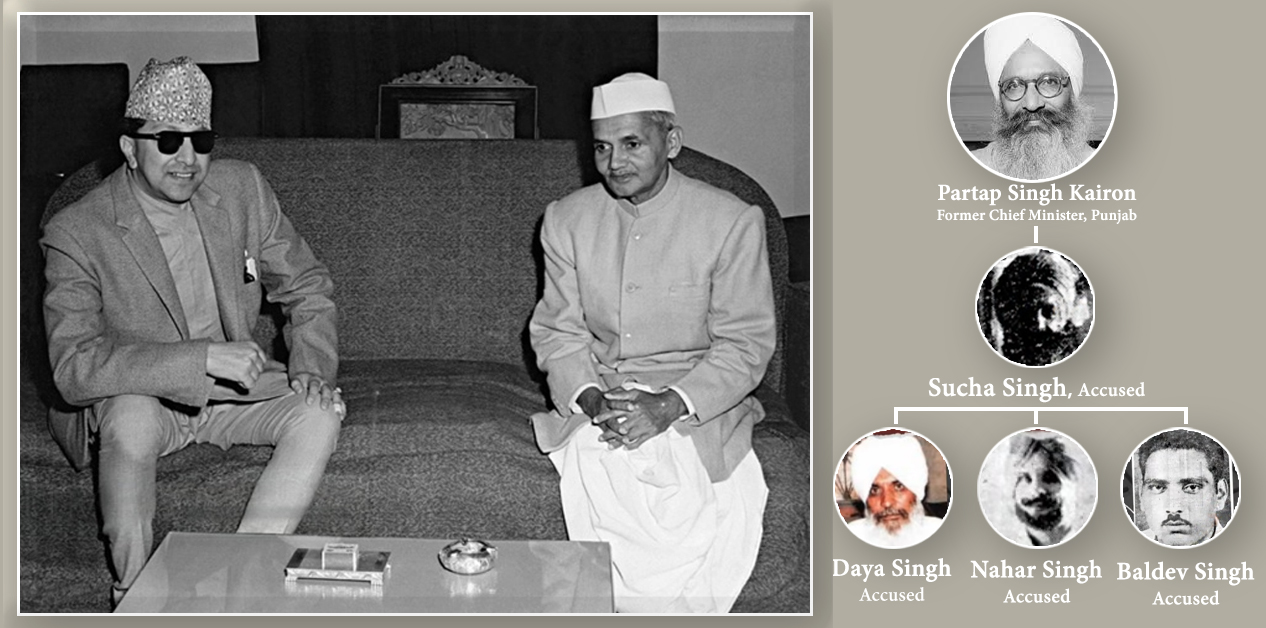
When attempts were made to arbitrarily link King Mahendra’s name with the accused Sucha Singh in the murder case of former Punjab Chief Minister Pratap Singh Kairon, King Mahendra became extremely angry with the Indian press. As a result, Kuldeep Nayar of United News of India had to issue an apology.
KATHMANDU: 22 March 1965, 3:00 a.m. A house in Mahendranagar, near the Nepal–India border. An armed group had surrounded a man from all sides and was roughing him up in a robbery-style operation. At that very moment, a unit of the Nepal Police cordoned off the entire house and took control of the unidentified armed group.
Only then did the truth come out—the armed men who had entered the house like robbers were none other than security personnel from neighboring India’s state of Punjab. They had crossed into Nepal at midnight while searching for Sucha Singh, the main planner behind the assassination of former Punjab Chief Minister Pratap Singh Kairon.
Before entering Nepal, they neither felt the need to obtain approval from the Government of Nepal nor informed their own central government. The planner of this sudden operation was Punjab Police DIG Ashwini Kumar. Under his leadership, a group of 18 armed men traveled by jeep and illegally entered up to five miles inside the Nepal–India border. The group, consisting of 12 security personnel and 6 civilians, climbed onto the roof of a shopkeeper’s house in Mahendranagar, triggering chaos.
As fear spread among local residents, the Nepal Police suddenly launched an operation and arrested everyone, including Sucha Singh. After the Punjab Police mission failed, the news reached New Delhi and then the Indian Embassy in Kathmandu.
At the time, the Indian Ambassador to Nepal was Shriman Narayan. Due to his diplomatic efforts, the Punjab Police team that had been detained by the Nepal Police was released after three days. However, Nepal refused to hand over Sucha Singh to the Government of India.
At that time, the Indian government was already unhappy with King Mahendra’s policy of leaning toward China. On top of that, Nepal’s decision not to immediately extradite the main accused in the murder of the former Punjab Chief Minister further intensified India’s frustration.
What unfolded afterward was something the Government of Nepal had never experienced before. Senior advocate Krishna Prasad Bhandari, who fought the extradition case on behalf of the Indian government in the Kathmandu District Court, says, “It was an extremely complex case. The Nepal government did not want to extradite him. But after a year-long legal battle, it had to be done.”
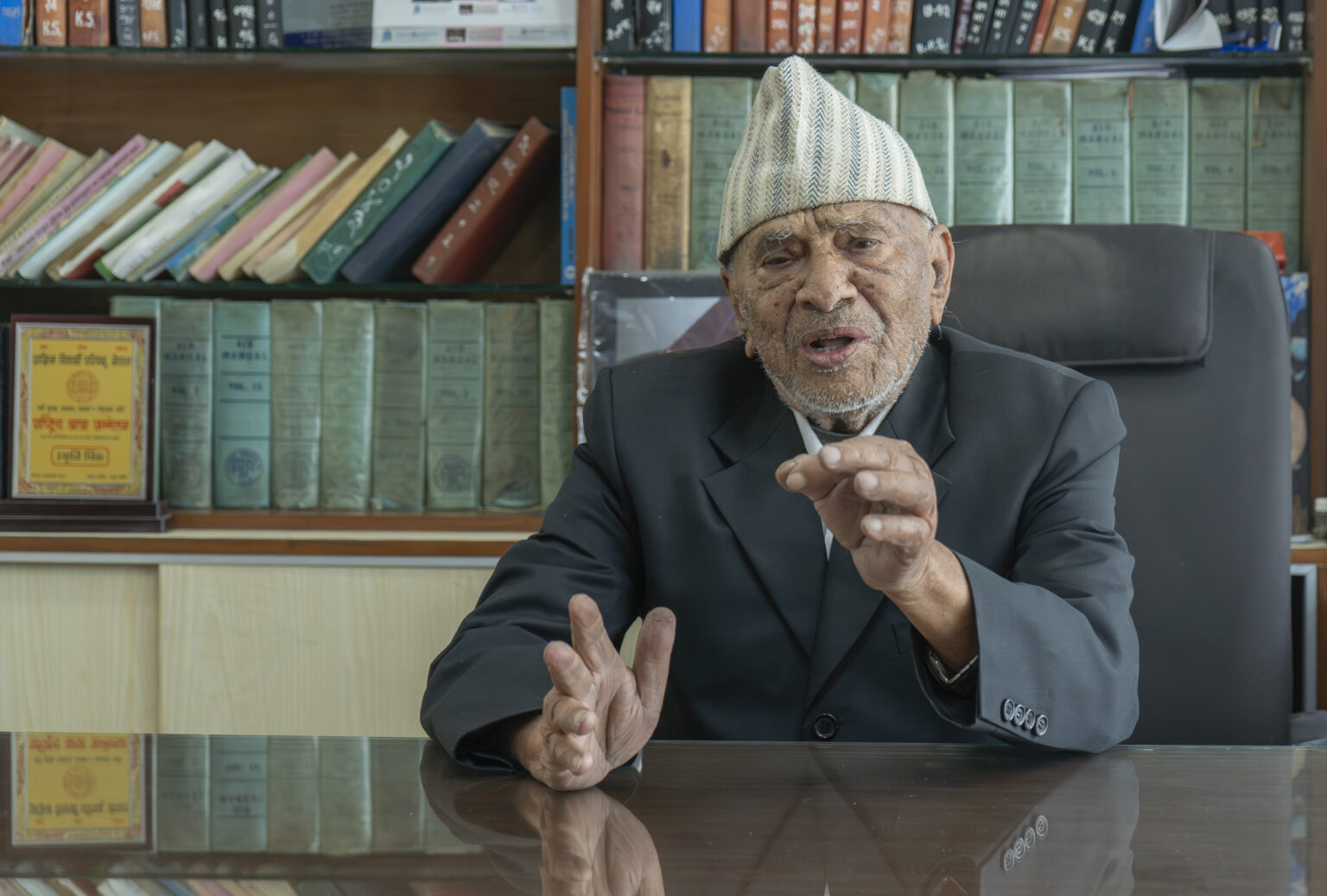
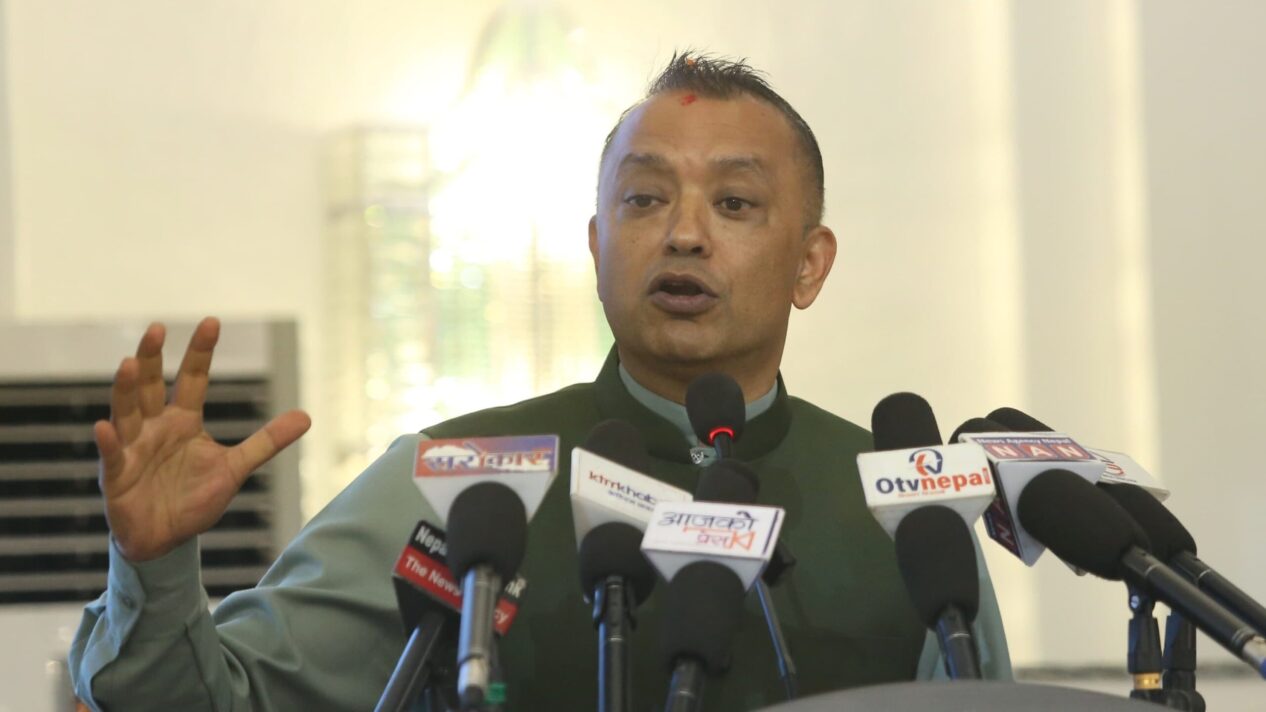
Senior Advocate Krishna Prasad Bhandari. Photo: Bikram Rai
To understand the reality of the incident, one must go back to 6 February 1965. On that day, Pratap Singh Kairon, Punjab’s third and highly influential Chief Minister, was assassinated. He was returning home after meeting India’s then Prime Minister Lal Bahadur Shastri in Delhi. At that moment, his car was stopped in Rasoi village of Sonipat district, and he was shot repeatedly. Along with him, his driver, his personal assistant, and IAS officer Balraj Kapoor were also killed.
Sucha Singh, along with Nahar Singh Fauji, Daya Singh, and Baldev Singh Sanga, was involved in the assassination. It took the police nearly one and a half months to solve the case. During this period, police arrested about 4,000 people based on suspicion alone. In Indian politics, this incident is considered one of the biggest assassinations since the murder of Mahatma Gandhi.
Sucha Singh’s involvement was confirmed when police arrested his associate Sukhlal. Prior to this, a youth named Ranjit Singh had been murdered in Punjab. Ranjit, who was considered close to Chief Minister Kairon, was killed by his own father-in-law Ajit Singh and brother-in-law Veer Singh. Sucha Singh was also involved in that murder but managed to escape. Later, on the initiative of Chief Minister Kairon himself, Ranjit’s father-in-law and brother-in-law were sentenced to death.
Based on suspicion, the Punjab Police interrogated thousands of people, but obtained no concrete information. After that, police began investigating all old cases connected to Kairon. During this process, the Sucha Singh angle emerged.
In this case, Baldev Singh was arrested first, followed by Nahar Singh Fauji near the India–Pakistan border. Daya Singh remained absconding in Pakistan for several years before being arrested. The fourth and main accused, Sucha Singh, fled and entered Nepal.
After the assassination of Chief Minister Kairon, Sucha Singh worked for a few months at a mill in Bhagwara village of Nainital district. However, as his associates began getting arrested one by one, a day came when an Urdu newspaper Pratap published a news report with his photograph.
This put him in serious trouble. A detailed anonymous letter containing full information about him also reached the Prime Minister’s Office in Delhi. The Prime Minister’s Office forwarded the letter to the Punjab government. The Punjab government immediately formed a special task force under the leadership of DIG Ashwini Kumar and sent it to Nainital.
But Sucha Singh was not found there. Sensing danger, he entered Nepal on 15 March 1965. Information about his presence in Nepal was provided to the Punjab Police by a mill owner named Nisan Singh.
Upon receiving information that Sucha Singh was hiding in Mahendranagar near the Nepal–India border, DIG Ashwini Kumar became so enthusiastic that he ignored the international boundary altogether. Without any authorization, he entered Nepal at night.
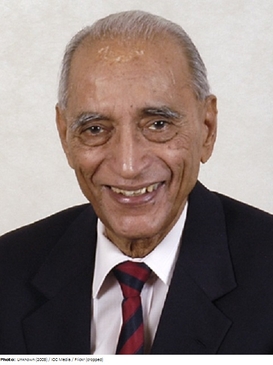
Former DIG of Punjab Ashwini Kumar
That day, he had already cornered Sucha Singh. To prevent him from escaping, his leg had been struck with pliers. However, due to the intervention of the Nepal Police, the Punjab Police mission failed. Enraged by this incident, DIG Ashwini Kumar made irresponsible statements about King Mahendra.
While returning to India on 27 March 1965, he attempted to justify the actions of his team. He did not even understand the basic diplomatic courtesy that when conducting an operation in another country, the host government must be informed. Holding a press conference in Raxaul, he instead claimed, “Sucha Singh was preparing to flee to Europe via Kathmandu after flying from Dhangadhi to Dhaka. He was traveling from Mahendranagar to Dhangadhi at 3 a.m., so there was no time to contact Nepali authorities. We entered Mahendranagar through the forest route, where there were plenty of wild animals, and the Nepali king had recently killed 16 tigers.”
The press conference in Raxaul did not satisfy him. After reaching the capital Delhi, he held another press conference and went on to say, “We were nearly killed. Nepali security personnel did not treat us well. While under their custody, they did not even give us food.”
At this point, he claimed that Sucha Singh was a friend of King Mahendra and frequently visited Nepal. Indian mainstream media amplified these baseless statements extensively. Even a leading newspaper like The Times of India did not hesitate to report that in exchange for Sucha Singh’s extradition, the Nepal government had demanded the extradition of two Nepali Congress leaders living in India—Rana brothers Subarna Shumsher Rana and Bharat Shumsher Rana.
Angered by these reports published in Indian newspapers, the Royal Palace immediately lodged a strong protest. In a statement issued by the Palace Press Secretariat on 31 March 1965, it said: “This Secretariat’s attention has been drawn to news published in some Indian newspapers linking His Majesty’s Government with a person named Sucha Singh, who is suspected by Indian authorities of involvement in a murder committed in India. We wish to clearly state that this news is completely false, baseless, and highly mischievous. The irresponsible manner in which some Indian newspapers are attempting to defame the Head of State of the neighboring friendly nation of Nepal is condemnable.”
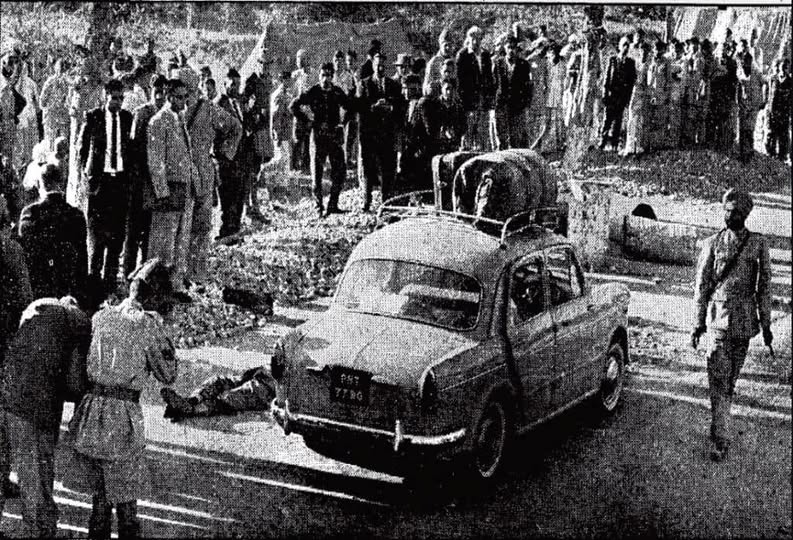
The place where former Punjab Chief Minister Pratap Singh Kairon was assassinated
While Indian newspapers continued to publish these unverified reports, preparations were already underway for Indian Prime Minister Lal Bahadur Shastri’s official visit to Nepal on 23 April 1965. He was scheduled to visit Nepal to sign a “lease” agreement with the Government of Nepal, as all construction work on the Kosi Barrage had been completed.
As Indian newspapers began defaming King Mahendra by linking him to Sucha Singh, the Indian Embassy was also compelled to issue an apology. During his Nepal visit, Shastri himself expressed dissatisfaction over the unnecessary news published in Indian newspapers. On 24 April, while attending the inauguration of the Western Kosi Canal alongside King Mahendra, the Indian Prime Minister said: “Indian newspapers must exercise restraint in matters concerning the two countries. Publishing baseless stories about a friendly nation serves no purpose. Therefore, it is essential that Indian newspapers contribute to strengthening the friendly relations between the two countries.”
At the same event, King Mahendra inaugurated the Kosi Dam and leased the project-area land to the Government of India for 199 years.
As the issue escalated and tensions between Nepal and India increased, Kuldeep Nayar, General Manager of United News of India and a renowned Indian journalist, apologized. He sent a letter to His Majesty’s Press Secretary, expressing regret over the publication of false news.
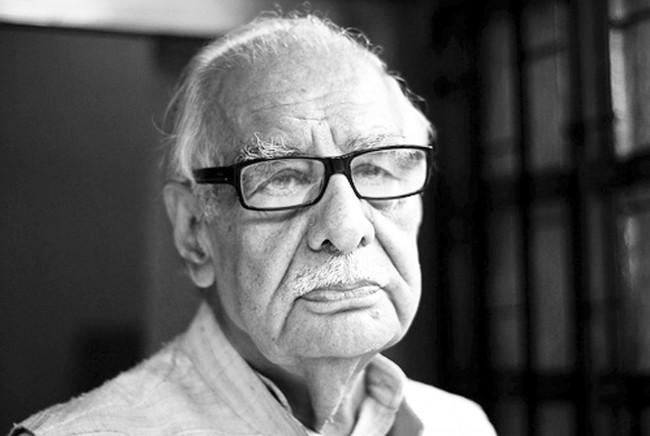
Kuldip Nayyar, a renowned Indian journalist
Under tight police security, the Nepal government brought Sucha Singh from Dhangadhi to Kathmandu by helicopter on 27 March 1965. For his extradition, two Indian government officials arrived in Kathmandu by plane via the Banaras route, carrying the required documents. However, on 2 April 1965, before Kathmandu District Court Judge Janakman Shrestha, Sucha Singh refused to identify the other accused members involved in the murder.
As a result, the case dragged on for a year. Senior advocate Krishna Prasad Bhandari, who argued the case on behalf of the Government of India, recalls the incident from 61 years ago: “At that time, I was the legal advisor to the Dela Annapurna Hotel. The Advocate General of the Punjab government and others had come to fight the case. They were staying at the Soaltee Hotel. One of the hotel staff recommended me. At that time, educated lawyers were very few—only countable on fingers. They had to translate the documents brought from India into Nepali and argue the case according to local laws. That is why I was appointed as the lawyer.”
On 19 April 1965, all documents submitted by the Indian government were in Urdu and Punjabi, so the hearing scheduled for that day was postponed. Subsequently, both sides appointed Nepali lawyers to translate the documents into Nepali.
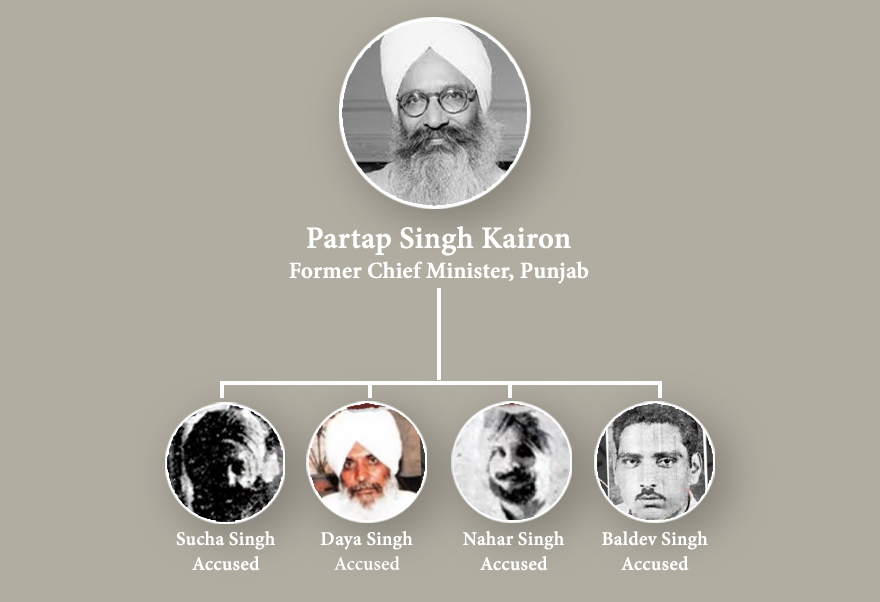
Pratap Singh Kairon’s killers
Representing the Government of India were Punjab Advocate General J. N. L. Kaushal, his associate K. L. Baga, and Punjab AIGP Kamar Shumsher Singh. Representing Sucha Singh were Supreme Court of India lawyer Balraj Tirkha, Supreme Court of Nepal lawyer Janardan Sharma, and Sarbagyaratna Tuladhar.
The Sucha Singh case lasted for nearly a year. Only after that did extradition become possible. Even after he was taken to India, the case continued in Indian courts for another six years. On 30 October 1972, the Supreme Court of India resolved the case by sentencing Sucha Singh, along with Baldev Singh and Nahar Singh Fauji, to death by hanging.
The luckiest person in this entire episode was Daya Singh. His death sentence was later converted into life imprisonment. After serving 29 years in prison, he was released in 1991.