Kathmandu
Monday, June 15, 2026





The government has shown negligence in protecting senior citizens from pneumonia and has implemented no vaccination program for them
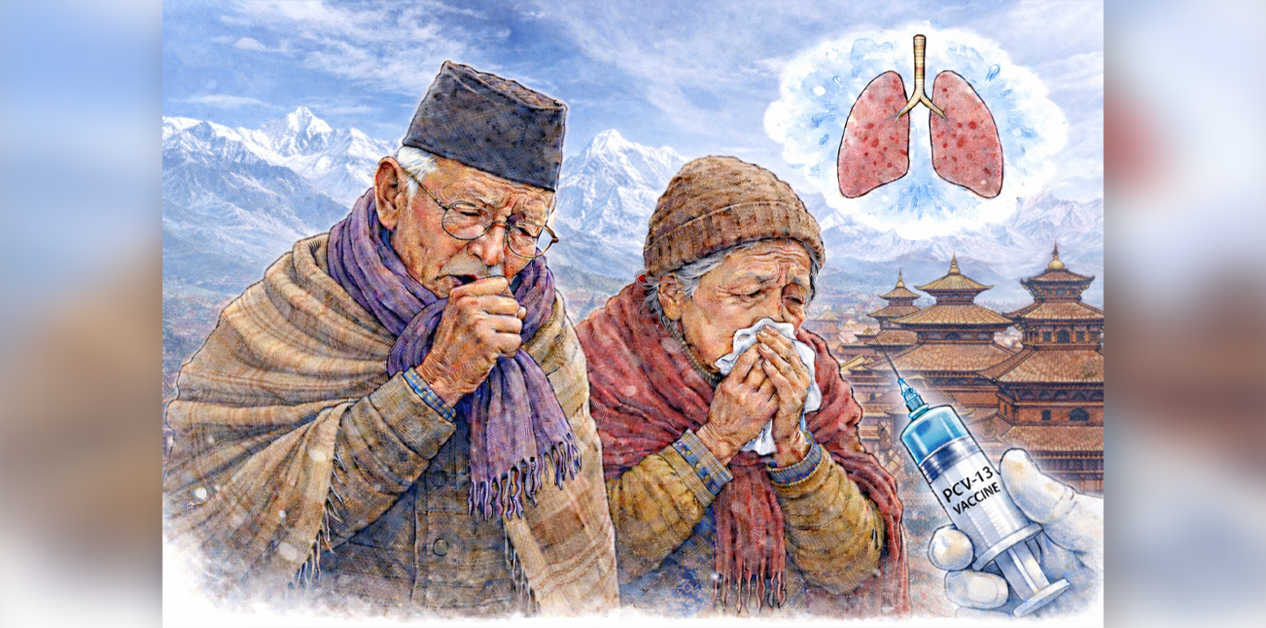
KATHMANDU: Elderly people are at high risk of pneumonia infection because their immune systems are weak and they often suffer from various chronic diseases, allowing germs to attack them more easily. According to doctors, children under five years of age and people above 65 face a higher risk of contracting pneumonia and dying from it. The risk of this infection increases during cold weather.
Among elderly people, even a common cold can quickly turn into complicated pneumonia and may lead to death, which is why this infection is considered deadly.
However, the government has no policy to provide pneumonia vaccines to senior citizens. Free vaccination programs exist only for children under five. Yet, during the cold season, along with children, people with chronic illnesses and senior citizens are also at high risk of pneumonia.
Dr Abhiyan Gautam, chief of the Child Health and Immunization Service Branch under the Family Welfare Division of the Department of Health Services, says that the government has not been able to start a pneumonia vaccination program targeted at senior citizens. “So far, the PCV vaccine program against pneumonia is only for children. Although efforts were made to include senior citizens in policy, it has not been successful,” he says.

Dr Abhiyan Gautam
Due to the lack of a vaccination program for the elderly, this age group with weaker immunity remains at high risk of pneumonia infection, Dr Gautam explains.
The government started the pneumonia vaccination program for children in 2009. According to the national immunization schedule, three doses of the PCV vaccine are administered to children from six weeks to nine months after birth.
Elderly at Risk
Pneumonia occurs when external bacteria, parasites, fungi, or tuberculosis-causing germs enter the lungs and cause infection. It usually develops when a common cold worsens and spreads to the lungs.
Dr Gautam explains that in old age the body becomes weak, reducing its ability to fight external germs. Since elderly people are often battling other illnesses as well, pneumonia becomes difficult to manage. “Germs attack quickly in elderly people and those with chronic diseases such as heart problems, asthma, and diabetes. As a result, even a simple cold can rapidly turn into complicated pneumonia,” he says.
Globally, pneumonia is among the top ten causes of death. International studies show that most pneumonia-related deaths occur among senior citizens. The Global Burden of Disease Study 2019 states that pneumonia has become a “silent killer” for people aged over 70 worldwide. The report showed that mortality due to pneumonia among the elderly is higher than among children.
According to the report, in 1990, around 600,000 people aged over 70 died of pneumonia worldwide. By 2019, this number had increased to 1.03 million. The report also states that South Asia ranks high in terms of pneumonia risk. In South Asia, the pneumonia infection rate among men aged over 70 is reported to be 48,506 per 100,000 population.
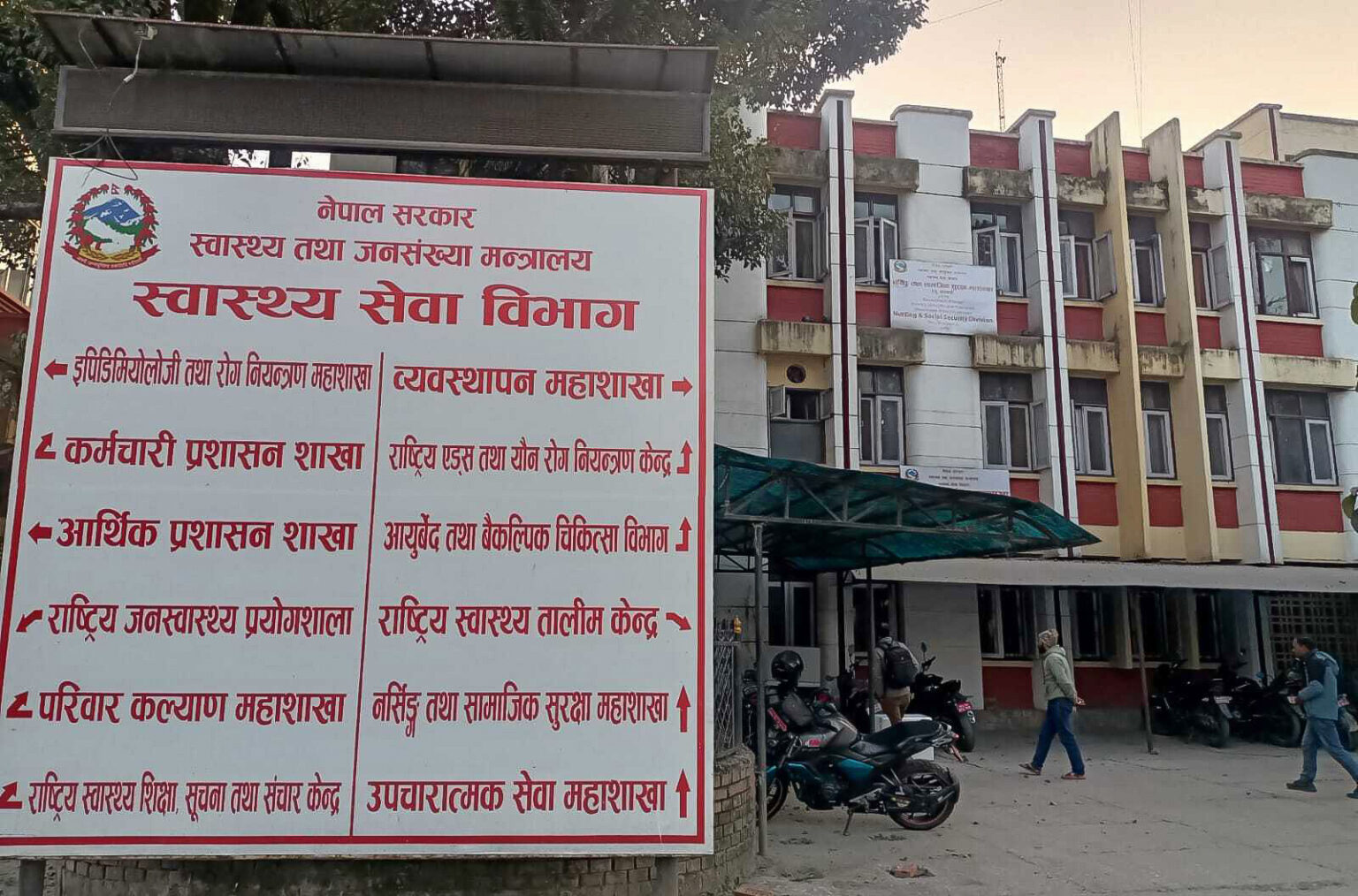
Department of Health Services
According to the report Survival Rate from Pneumonia among the Elderly, 2022, published by the international organization Comforting Home Care by Phoebe, pneumonia is extremely risky for people aged over 65 due to weakened immune systems. The report states that nearly 30 percent of pneumonia patients admitted to hospitals die.
In Nepal, government agencies have data on how many people are infected with pneumonia annually, but they do not maintain death statistics. Data from the Department of Health Services show that pneumonia infections are increasing every year. In fiscal year 2022/23, only 240 people were infected; in fiscal year 2023/24, the number rose to 744; and in 2024/25, the number of recorded pneumonia patients was 617. These figures represent only patients who came to hospitals for treatment.
Although there is no consolidated national data on how many elderly people die from pneumonia, data from some government hospitals in Kathmandu show that most pneumonia-related deaths occur among senior citizens. According to the Civil Service Hospital, from fiscal year 2023/24 to mid-December of 2024/25, as many as 75 people died of pneumonia and respiratory diseases, of whom 43 were senior citizens.
Pulmonologist Dr Diwas Bista says that during winter, the risk of pneumonia infection among elderly people increases by 30 percent.
Similarly, a 2023 study titled Community-Acquired Pneumonia among Elderly Patients Admitted to the Medicine Department of a Tertiary Health Center, conducted at Bir Hospital and published in the Journal of Nepal Medical Association, found that 21.42 percent of elderly pneumonia patients admitted to the hospital died. The study showed that one out of every five elderly pneumonia patients admitted to the hospital lost their life.
The study reported hospital stays ranging from two to 13 days, and 28.57 percent of admitted patients required intensive care (ICU).
Despite pneumonia being so deadly among senior citizens, the government’s failure to include this age group in vaccination programs has left them at high risk.
Nepal is among the 30 countries with the highest air pollution. Outdoor polluted air and indoor smoke from burning firewood or cow dung negatively affect the lungs of children and senior citizens. Dr Bista says this is one reason for the increasing rate of pneumonia infections. “Air pollution not only increases the risk of pneumonia but also reduces the effectiveness of treatment,” he says.
Financial burden due to lack of vaccination
The absence of a government policy to vaccinate senior citizens against pneumonia affects not only health but also the financial condition of the infected. Without government-provided vaccines, people must purchase them at high prices from the market. However, effective pneumonia vaccines are still not widely available in Nepal.
Currently, the Nepali market mainly offers the PCV-13 vaccine, which protects against only 13 types of bacteria. In neighboring India, the PCV-23 vaccine is available, which protects against 23 types of bacteria.
According to Dr Bista, the PCV-23 vaccine provides lifelong protection with a single dose. He suggests that the government should bring this effective vaccine to Nepal and distribute it free of cost to everyone aged over 50. He argues that while the government avoids investing in vaccines, both families and the state end up spending much more on treatment.
“A single vaccine costing Rs 6,500 can reduce the risk of death by up to 80 percent. But if an unvaccinated elderly person becomes ill and is hospitalized, it can cost hundreds of thousands of rupees in a single instance,” he says.
Dr Bista explains that pneumonia patients require intensive treatment. Unvaccinated elderly patients often need long ICU stays, antibiotics, and prolonged oxygen therapy. According to him, hospitalization costs for oxygen and antibiotics alone range from 20,000 to 100,000 rupees. In private hospitals, ICU costs can reach up to 100,000 rupees per day, which poor patients cannot afford.
“A single hospitalization due to pneumonia complications can cost between 100,000 and 300,000 rupees,” he says. “If the government provided vaccines, hospital admissions and expensive treatment costs could be reduced by up to 80 percent.”
Public health expert Dr Mahesh Maskey says that elderly people losing their lives to pneumonia due to lack of vaccines reflects government failure. “The government must prioritize this vaccine,” he says.
The government, however, cites budget constraints as the reason for not introducing a vaccination policy for senior citizens. Ministry of Health Spokesperson Dr Prakash Budhathoki says, “Due to budget shortages, we have not been able to launch a vaccination program for senior citizens. If the budget increases next year, we will consider it.”
International practices show that developed countries prioritize senior citizens in pneumonia vaccination programs. The report Vaccination Programs for Adults in Europe, 2019 analyzed adult vaccination programs in 42 European countries. It found that most European countries recommend pneumonia vaccines for adults, and some have made them mandatory for specific age groups.
European Union member states have implemented policies recommending the vaccine for people aged over 65 or those at risk. The US Center for Disease Control and Prevention (CDC) recommends pneumonia vaccination for people aged over 65.
The World Health Organization (WHO) recommends pneumonia vaccination for everyone aged over 50.
Local-level initiatives
Although the federal government has failed to provide free pneumonia vaccines to senior citizens, some local governments have started vaccination programs on their own initiative.
Lalitpur Metropolitan City was the first local government to launch a pneumonia vaccination program for senior citizens. Since 2080 BS (2023/24), it has been providing free vaccines to residents aged over 68, according to Public Health Inspector Dillisher KC. In fiscal year 2080/81, (2023/24), as many as 1,250 people were vaccinated. In 2081/82 (2024/25), as many as 2,000 people received the vaccine, and in the current fiscal year, 1,500 senior citizens have been vaccinated so far.
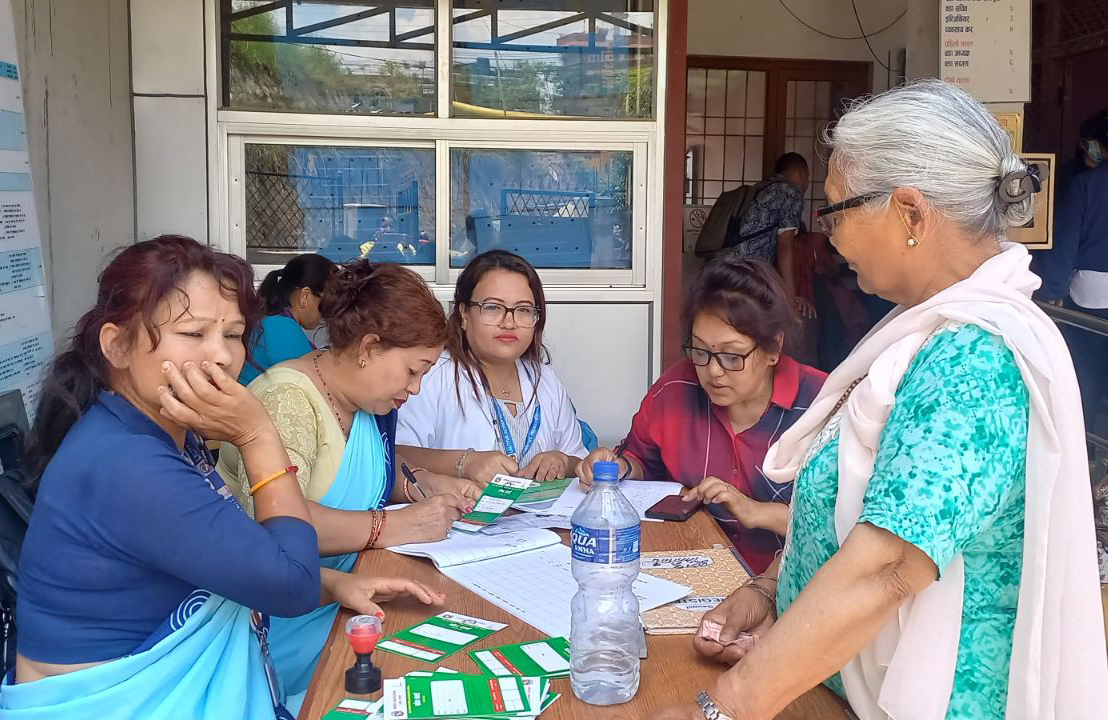
Free vaccine provided by Lalitpur Metropolitan City under the pneumonia vaccination program for senior citizens
KC says the program was implemented to reduce the financial burden on residents by preventing expensive treatments. According to him, the PCV-13 pneumonia vaccine remains effective for two years after a single dose.
Kathmandu Metropolitan City began providing free pneumonia vaccines to senior citizens starting from 9 November 2025. According to Deepak Kumar KC, chief of the Health Section, the first phase of vaccination has been completed based on a decision of the Local Immunization Coordination Committee, while the date for the second phase is yet to be determined.
“For two phases, 3,000 vaccine doses have been purchased. Priority has been given to people aged 75 and above, those with chronic illnesses, and individuals with weakened immune systems,” he says.