Kathmandu
Monday, July 13, 2026





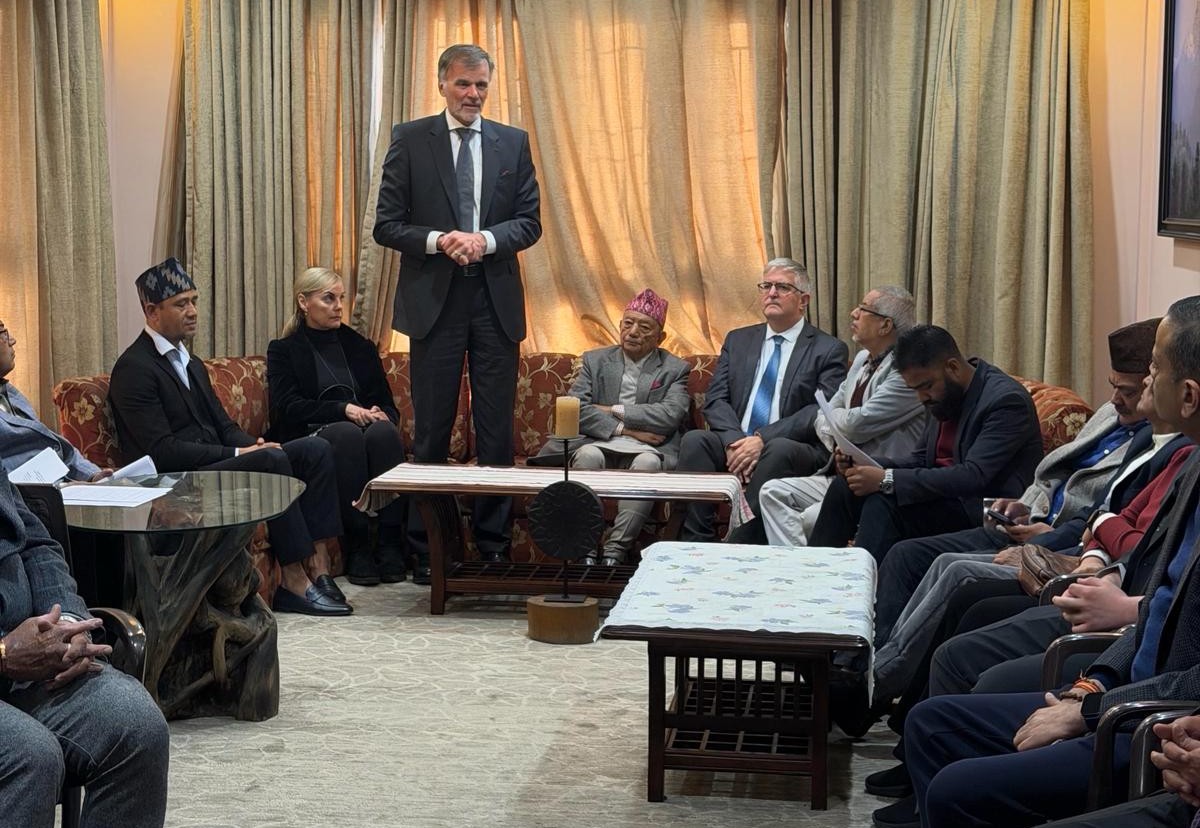
KATHMANDU: The Embassy of Israel in Nepal marked the United Nations International Day of Commemoration in Memory of the Victims of the Holocaust by hosting a memorial event titled “Zikaron Bassalon – Memory in the Living Room” in Kathmandu on Tuesday.
Organized under this year’s global theme, “Holocaust Remembrance for Dignity and Human Rights,” the event honored the memory of the six million Jewish people who were systematically murdered during the Holocaust and reflected on the importance of remembrance, human dignity, and standing against hatred and antisemitism.
The program was attended by government officials, diplomats, media representatives, and members of civil society.
Speaking at the event, Israel’s Ambassador to Nepal Shmulik Arie Bass said racial discrimination and the intent to exterminate an entire people must never be repeated. “The Holocaust is a black mark on human history,” he said.
National Human Rights Commission Chairperson Top Bahadur Magar expressed condolences to the victims of the Holocaust and said the tragedy had a profound impact on the development of international human rights law. He noted that it led to the United Nations’ adoption of key documents in 1948, including the Universal Declaration of Human Rights and the Convention on the Prevention and Punishment of the Crime of Genocide, to which Nepal is a party. “We seek a world of hope, tolerance, and social justice where people live with dignity and equality,” he said.
Germany’s Ambassador Udo Volz and Australia’s Ambassador-designate Simon Ernst also shared their reflections during the program.
A moving testimony was delivered by Holocaust survivor Sophia Geller, who recalled her experiences during the Holocaust. The program also featured musical performances by two Nepali students, creating a solemn atmosphere of remembrance. A video message from Holocaust survivor Dugo was screened, highlighting his tradition of eating falafel every January 18 as a symbol of freedom and the celebration of life.
The Embassy of Israel said it remains committed to Holocaust education and to promoting the values of peace, tolerance, and mutual respect.
The Holocaust was the systematic, state-sponsored persecution and murder of six million Jews by the Nazi regime and its collaborators in Europe between 1941 and 1945, including 1.5 million children. With very few survivors still alive, speakers underscored the urgency of preserving survivor testimonies and passing their stories on to future generations.