Kathmandu
Tuesday, February 3, 2026






KATHMANDU: Nepal News presents today’s snapshot of Nepal’s economic activities. Get quick updates on major market movements, policy shifts, and financial developments shaping the economy of Nepal. Here are the key economic highlights for today:
NEPSE Index Drops by 12.58 Points on Tuesday
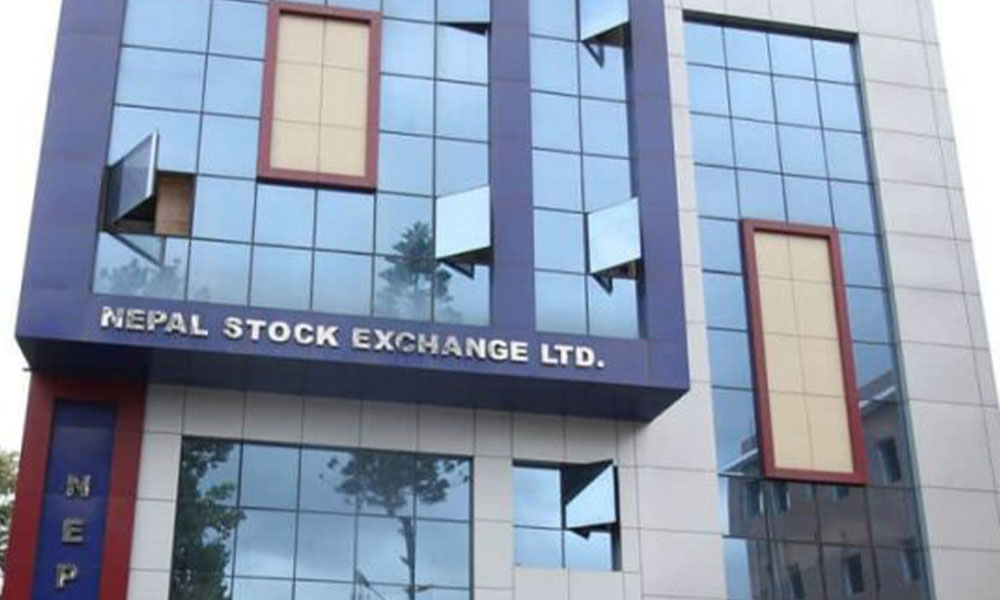
The Nepal Stock Exchange (NEPSE) index declined by 12.58 points today, closing at 2,683.15 points. This represents a 0.46 percent drop compared to the previous day. Total turnover reached Rs 8.631 billion through the trading of 18,703,183 shares across 92,338 transactions. The Sensitive Index also fell by 0.53 percent to 456.71 points. Among 13 sectors, only three recorded gains, led by Hotel and Tourism at 1.79 percent. Conversely, finance fell by 1.09 percent, while commercial banks and development banks dropped by over 0.60 percent each.
NOC Confirms Regular Supply of LPG
The Nepal Oil Corporation (NOC) announced on Tuesday that the supply of Liquefied Petroleum Gas (LPG) has normalized following brief disruptions. The shortage occurred as the Barauni Refinery in India closed for a one-week maintenance period, forcing imports from the more distant Paradip Refinery. To prevent future deficits during the election period, NOC has requested an additional 2,000 metric tons of gas for February. Records show NOC imported 47,304 metric tons in January. Consumers are urged to purchase only according to their immediate needs, as 50 bullet tankers have already departed from Barauni.
SSF Collection Exceeds Rs 100 Billion
The Social Security Fund (SSF) reported on Monday that total collections have reached Rs 132 billion, including the National Welfare Fund. Over six years, Rs 101.28 billion was specifically collected from 671,000 formal sector workers and 2 million migrant workers. SSF has already disbursed Rs 18.5 billion in claims and pensions. To improve accessibility, the fund amended its Investment Procedure 2020, reducing the contribution requirement for special loans from 36 months to 12 months. Currently, 91 local units and 38 public entities have integrated their employees into the fund.
World Bank Approves USD 95 Million for Inclusive Finance
The World Bank Executive Board has approved a USD 95 million (Rs 13.94 billion) project to promote sustainable and inclusive finance in Nepal. According to the World Bank Country Director, the project aims to expand financial access for over 100,000 small and medium enterprises (SMEs). The initiative will strengthen the Deposit and Credit Guarantee Fund (DCGF) and modernize the Credit Information Bureau of Nepal. This project aligns with the Nepal Government’s second Financial Sector Development Strategy, focusing on digital data integration and enhancing credit guarantees for women-led businesses and underserved regional sectors.
Remittance Inflow Surges to Rs 1.62 Trillion
According to Nepal Rastra Bank, remittance inflows reached Rs 1.62 trillion during the first six months of the current fiscal year. This represents a 39.1 percent increase compared to the previous year. In USD terms, inflows rose by 32.3 percent to reach USD 7.50 billion. In January 2026 alone, Rs 192.62 billion was received. Consequently, foreign exchange reserves climbed to Rs 3.242 trillion. Despite these strong external indicators, economists note that domestic capital expenditure remains low and private sector credit growth has not met expectations.
Margin Nature Loans Rise to Rs 152 Billion
Nepal Rastra Bank reports that share-guaranteed loans, or margin nature loans, increased by 8.30 percent over six months, reaching Rs 152.4 billion by January. This is an increase of Rs 11.70 billion since the start of the fiscal year. Large-scale investors dominate the segment, with those borrowing over Rs 100 million accounting for Rs 106.11 billion of the total volume. In contrast, loans under Rs 25 million totaled Rs 88.27 billion. The central bank’s data suggests a growing appetite for leverage among high-net-worth individuals in the equity market.
Foreign Employment Department to Add Orientation Centers
The Department of Foreign Employment announced on Tuesday that it will increase the number of licensed institutions providing orientation training for the Malaysia cluster. Due to a significant surge in workers departing for Malaysia, existing centers are facing excessive pressure. The department has invited interested training providers to apply for cluster migration within three days. Applicants must meet the criteria of the Orientation Training Operation Procedure 2019, providing qualified instructors and a specific curriculum. This expansion aims to ensure that departing workers receive mandatory pre-departure information efficiently without facing delays in their processing timeline.
Banking Deposits Rise While Private Sector Credit Slows
Data from Nepal Rastra Bank reveals that deposits in the banking system grew by Rs 417.48 billion by January, reaching a total of Rs 7.681 trillion. However, private sector credit only increased by Rs 197.47 billion, totaling Rs 5.695 trillion. Commercial bank lending rates averaged 7.12 percent in January, down from 8.69 percent in January 2025. Despite lower interest rates and high liquidity, the Federation of Nepalese Chambers of Commerce and Industries attributes the slow credit demand to political uncertainty and low investor confidence.
Development Assistance Decreases by 3.5 Percent
The Ministry of Finance reported in its Development Assistance Report 2022/23 that Nepal mobilized USD 1.371 billion in foreign aid. This is a 3.5 percent decrease from the previous year. Loans accounted for 66.5 percent of the aid, while grants and technical assistance made up 19.9 percent and 13.6 percent, respectively. Notably, 22.6 percent of the assistance was mobilized outside the national budget system. The USA remains the leading donor globally, followed by Germany and Japan. The Nepal government is now implementing the Foreign Aid Mobilization Policy 2026 to improve transparency and alignment with national priorities.
Ministry to Enable Secondary Market Trading for Bonds
The Ministry of Finance has unveiled a strategy to allow the trading of government bonds on the secondary market within the next five years. The Financial Sector Development Strategy aims to dematerialize bonds and integrate them into automated trading systems to diversify investment. New instruments like green bonds, index funds, and real estate investment trusts will be promoted. Additionally, the strategy introduces an SME platform for smaller companies and explores crowdfunding and peer-to-peer lending. This initiative seeks to increase public participation in government securities, which currently see low engagement due to limited promotional efforts and lack of liquidity.
Krishi Samagri Company Invites Global Tender for Urea
The state-owned Krishi Samagri Company issued a global tender on Tuesday for the supply of 30,000 tons of urea 46-0-0 fertilizer. The procurement will follow a single-stage, two-envelope international competitive bidding process. Interested bidders must submit technical and financial proposals by March 20. A bid security of USD 437,000 (Rs 64.2 million) is required. The fertilizer must be delivered to warehouses in Biratnagar, Birgunj, and Bhairahawa via Kolkata or Haldia ports. This move aims to ensure a timely supply of essential nutrients for farmers during the peak agricultural season.
Government to Provide Rs 100K Subsidy for Thalassemia
The Ministry of Health and Population has included Thalassemia in the Impoverished Citizen Medical Treatment Program, providing a subsidy of Rs 100,000 for treatment. Bheri Hospital confirmed that patients can now access surgery, medication, and laboratory services under this grant. Previously, this benefit was limited to diseases like cancer, heart disease, and sickle cell anemia. Currently, 100 thalassemia patients and 1,200 sickle cell patients are receiving regular follow-up care at Bheri Hospital. Medical experts noted that this financial support will significantly ease the burden for families in western Nepal, where the prevalence of these genetic blood disorders is highest.
Bhairahawa Customs Collects Rs 50.88 Billion Revenue
The Bhairahawa Customs Office in Rupandehi District collected Rs 50.88 billion in revenue during the first six months of fiscal year 2025/26. This figure represents 91.61 percent of the Rs 55.54 billion target set by the Department of Customs. Revenue increased by 10.53 percent compared to the same period last year, driven by the import of 86,262 motorcycles valued at Rs 10.57 billion. Conversely, exports through the office surged by 101.55 percent to reach Rs 15.13 billion. Major exports included soybean oil worth Rs 6.45 billion and synthetic yarn valued at Rs 1.72 billion.
Tanahun Hydropower Sets Compensation for Affected Families
The Compensation Determination Committee, led by the Chief District Office, has fixed compensation rates for 10 households affected by the 140 MW Tanahun Hydropower Project. The assessment covers damages in the Lokpa, Dharapani, and Jhaputar areas. Additionally, compensation was determined for orange groves damaged during the construction of the Damauli-Bharatpur Transmission Line. The project is funded with a total budget of USD 505 million, supported by the Asian Development Bank (USD 150 million), the Japan International Cooperation Agency (USD 184 million), and the European Investment Bank (USD 85 million), with the Nepal Government contributing USD 86 million.
Damauli Integrated Service Office Registers 335 New Firms
The Integrated Service Office in Damauli reported the registration of 335 new businesses during the first six months of the current fiscal year. The registrations include 180 industries, 153 commercial firms, and 2 tourism businesses. According to the Integrated Service Office, a total revenue of Rs 4.6 million was collected during this period. Additionally, the office processed 1,023 industry renewals and 988 commercial renewals. The records also show that 108 industries and 108 commercial firms were closed, while several others underwent profile amendments to update their operational status.
Prabhu Bank Appoints Suman Sharma as New CEO
The Board of Directors of Prabhu Bank has appointed Suman Sharma as its Chief Executive Officer (CEO), effective from Tuesday. Sharma, an experienced banker who previously led Machhapuchchhre Bank and the former Sunrise Bank, fills the vacancy left by Ashok Sherchan. Sherchan was suspended following a Central Investigation Bureau (CIB) probe into banking offenses. Following the suspension, Niraj Lamsal had served as the Acting CEO since November 30, 2025. The bank’s leadership transition aims to maintain institutional stability and restore stakeholder confidence amidst ongoing regulatory investigations.
Slight Increase in Prices of Gold and Silver
The price of gold and silver has slightly gone up in the market today as compared to the price on Monday. According to the Federation of Nepal Gold and Silver Dealers’ Association, the price of gold has been determined at Rs 290,300 per tola (11.66 grams) and the price of the same quantity of silver at Rs 5,335. The price of gold was Rs 286,600 per tola and that of silver Rs 5,200 per tola on Monday.