Kathmandu
Sunday, June 7, 2026





KASKI: Kaski constituency–3 covers three local levels: Annapurna Rural Municipality, Machhapuchchhre Rural Municipality, and 11 wards of Pokhara Metropolitan City.
The constituency stretches from the world-famous Annapurna Base Camp to Lakeside, Pokhara’s major tourism hub.
Within Pokhara Metropolitan City, wards 1, 2, 3, 5, and 6: key commercial areas fall under the constituency. Meanwhile, wards 18 (Sarangkot), 19 (Lamachaur and Puranchaur), 22 (Pumdi), 23 (Chapakot and parts of Bhadaure), Kaskikot of ward 24, and Hemja of ward 25 are largely rural in nature.
Voters in the constituency have called on election candidates to address their long-standing concerns, including planned development and urbanization, equitable returns in the form of facilities for taxes paid by rural residents, and solutions to the growing monkey menace that has forced many locals to migrate internally.
Proper agricultural development in Hemja, popularly known as the “Potato Village” for its potato production, has also been raised as a priority.
Many wards in Annapurna and Machhapuchchhre rural municipalities are still awaiting basic road access. Similarly, areas such as Pumdi, Chapakot, and Kaskikot within Pokhara Metropolitan City continue to lag behind in various aspects of development.
Voters say they want firm commitments from candidates to internalize these issues, advocate for them, and initiate policy interventions if elected to Parliament. Along with infrastructure development, education, health, and tourism, livelihood-related concerns remain top priorities, said voter and journalist Tanka Prasad Adhikari.
He added that Annapurna and Machhapuchchhre possess immense potential for mountain tourism and stressed the need to focus on tourism-friendly infrastructure.
Tourist destinations such as Ghandruk, Chhomrong, Machhapuchchhre Base Camp, and Annapurna Base Camp lie within Annapurna Rural Municipality, while the Mardi trekking route in Machhapuchchhre Rural Municipality has remained as a major trekking destination.
Despite their natural beauty, these areas face increasing challenges each year due to geographical remoteness and the growing impacts of climate change, which have resulted in more frequent natural disasters, said Dilip Gurung, Secretary of the Chhomrong Tourism Management Committee.
Stating it was necessary to tackle the challenges posed by heavy snowfall, blizzard and avalanches that occur from time to time, he said addressing these challenges was the present day need of this constituency.
He said that among the top 10 trekking routes in the world, the trail to Annapurna Base Camp is still not fully accessible for all kinds of tourists.
Secretary Gurung stated that permanent bridges are needed over the Hinku Khola and Modi rivers on the trekking route. He added that candidates in the upcoming election would be asked for their commitment on these issues.
“There is a big problem related to communication facilities in this constituency. Lack of easy access to smooth communication services and electrification are the other problems in this area,” he said.
He stated that electrification is an essential need in this area because the national power grid has not been extended from Chhomrong in the trail area to the Annapurna Base Camp.
The sacred sites such as Poojaniam Barah on the route to Annapurna Base Camp, the Kanchi Barah in Lumle, and Tal Barahi in Phewa Lake are religious tourism destinations in this area.
In the view of Taranath Pahari, President of the Pokhara Tourism Council, along with the tourism development in Annapurna and Machhapuchchhre rural municipalities, preserving and protecting the natural beauty of Pokhara’s main tourist destinations, Lakeside and Fewa Lake, remains a challenge in this region.
He stated that the attempt to implement the Fewa Lake standards without providing appropriate compensation or restitution to the local residents has caused problems for them, and that during the upcoming election, locals will seek commitments on these issues from the candidates seeking votes.
Pahari said that Komagane Park in the Lakeside area, the Basundhara Park, the vacant land of Nepal Trust, and the land of the Ministry of Tourism need to be used with proper parking arrangements.
Highlighting that tourism is an important foundation of prosperity in this electoral constituency, he stated that issues such as promoting sustainable and systematic tourism development along with the need for a tourism-friendly state policy would be advanced as electoral issues.
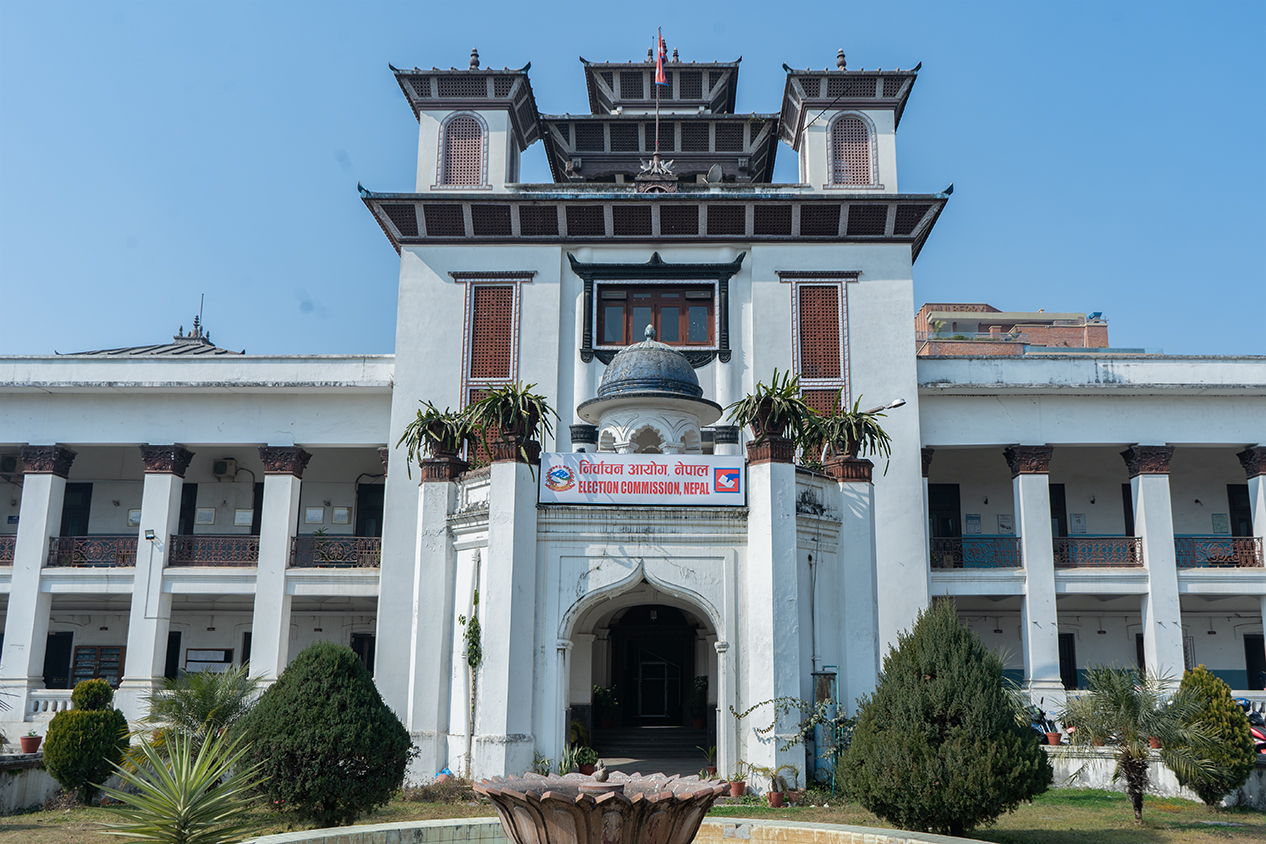
Rudra Neupane, the information officer at the Pokhara election office, said that 15 people have registered their candidacy from this constituency for the upcoming election.
Among the candidates include Manoj Gurung from Nepali Congress, Damodar Paudel Bairagi from CPN-UML, Bina Gurung from the Rastriya Swatantra Party, and Gopal Giri from the Nepali Communist Party. There are 107,560 voters in this constituency.