Kathmandu
Sunday, July 12, 2026





Even after the Gen Z revolt, there has been no real awareness anywhere of the need to review mistakes and move forward from them. The arrogance of believing “I hold power, therefore I cannot be wrong” has pushed the country toward disaster
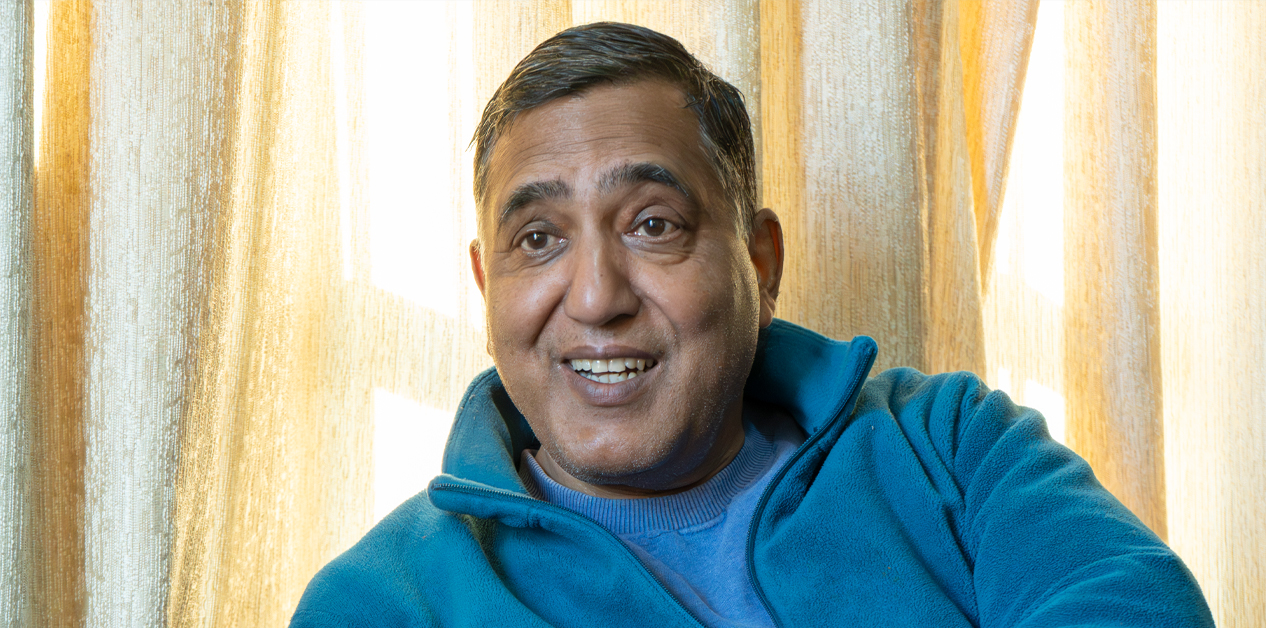
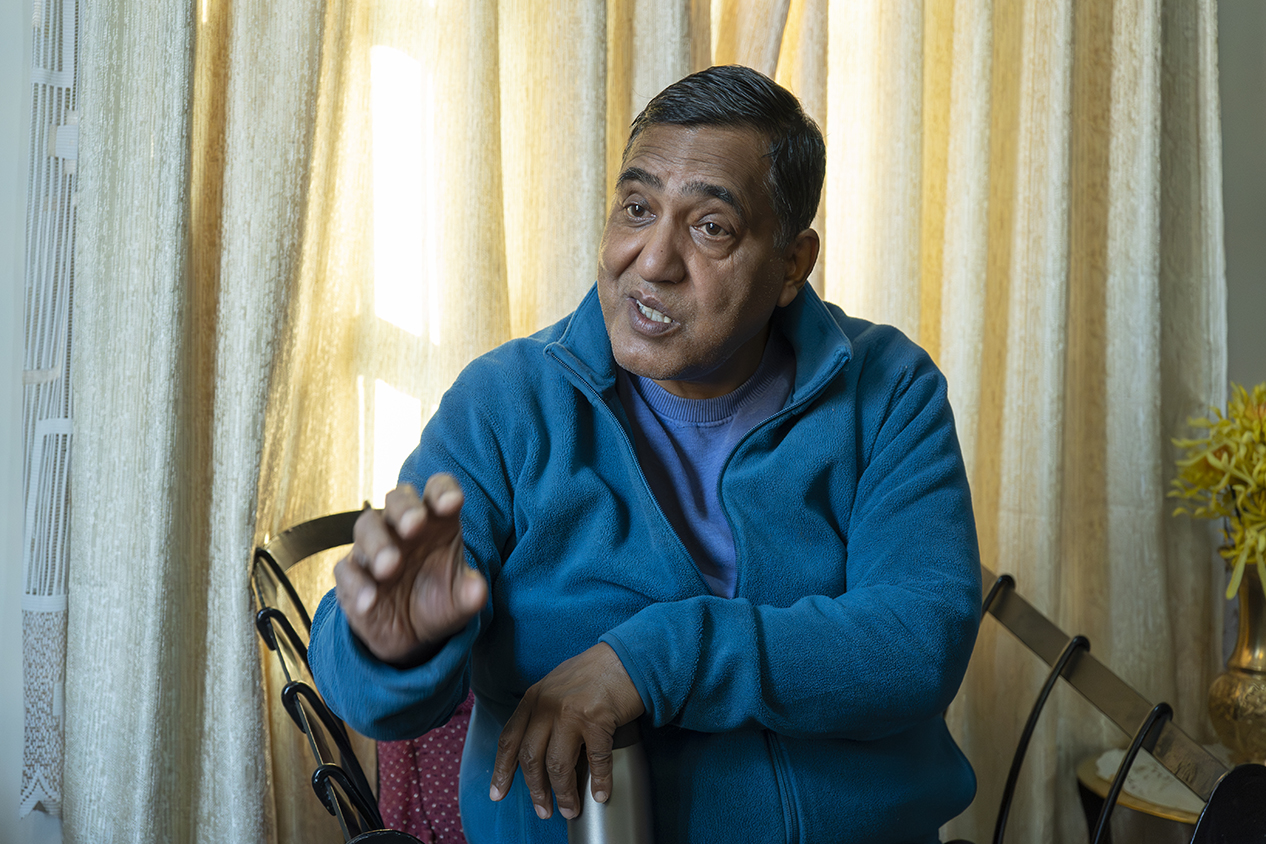
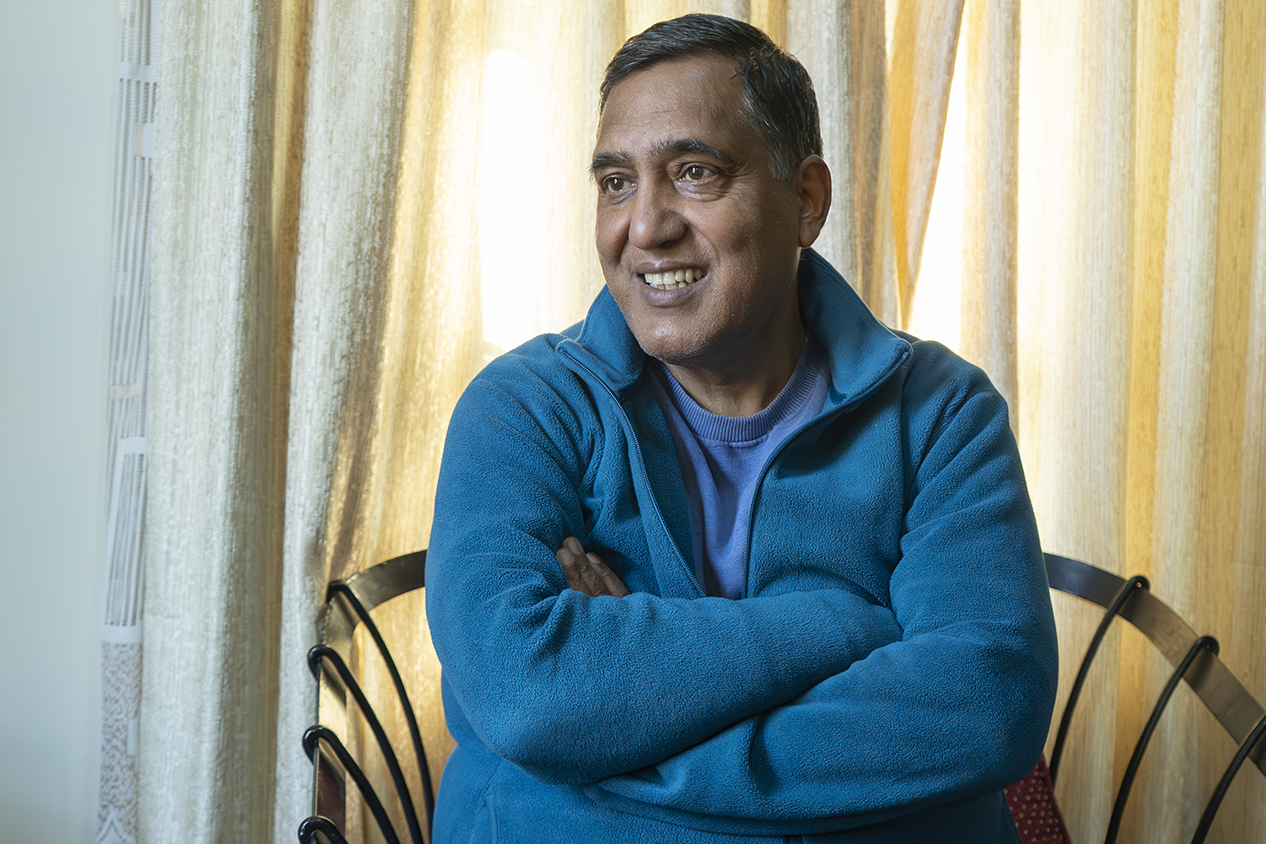
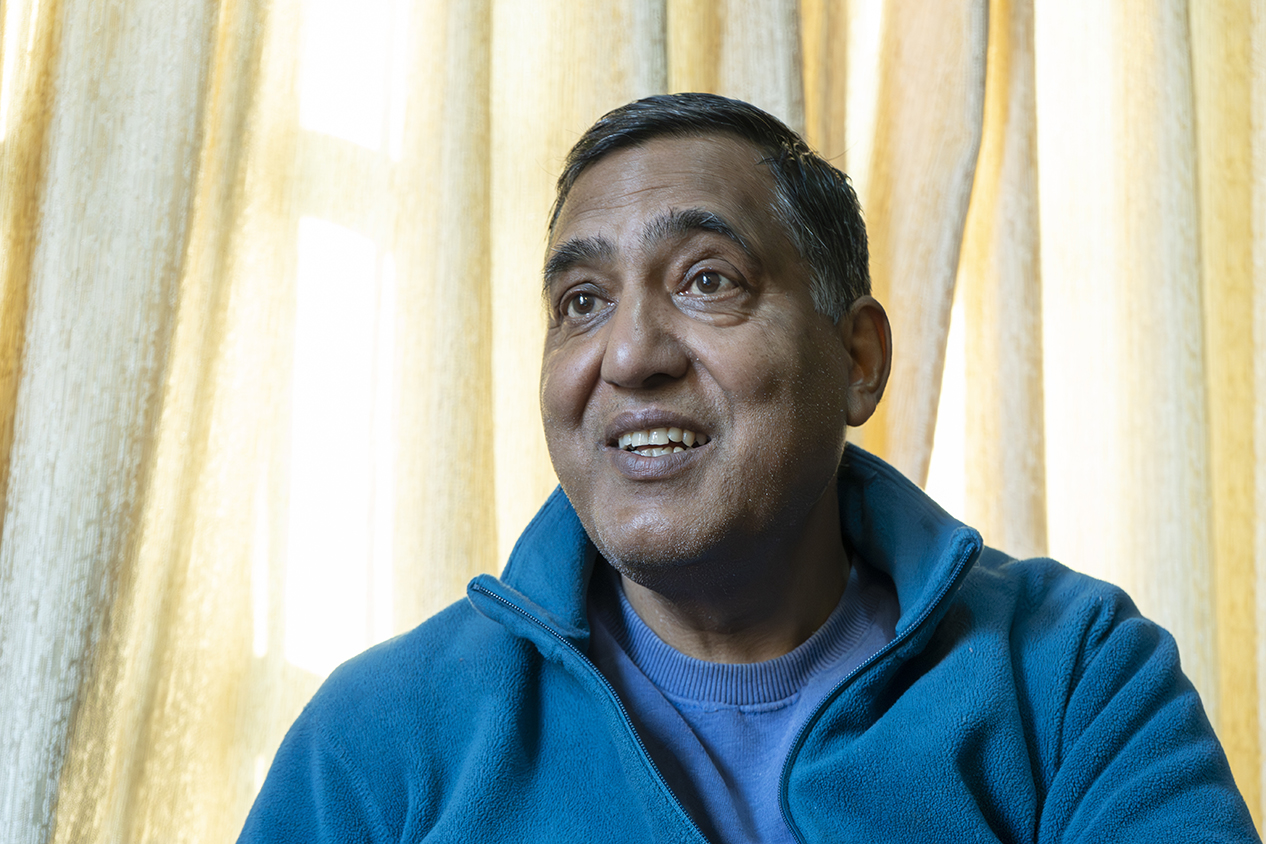
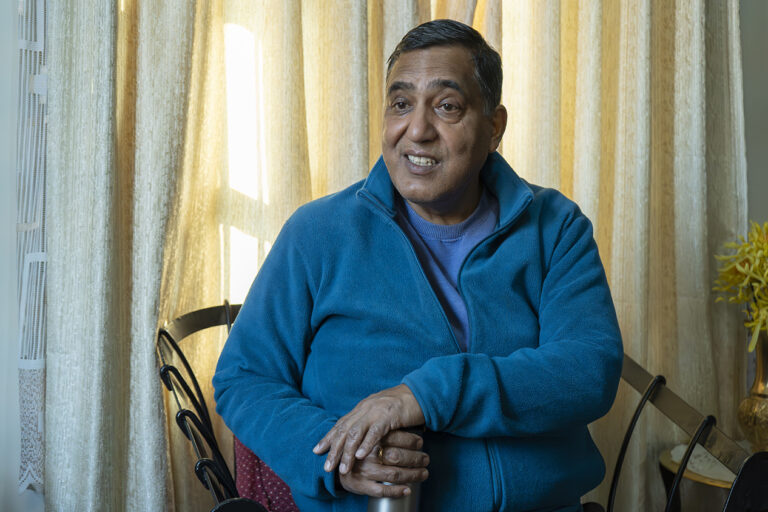
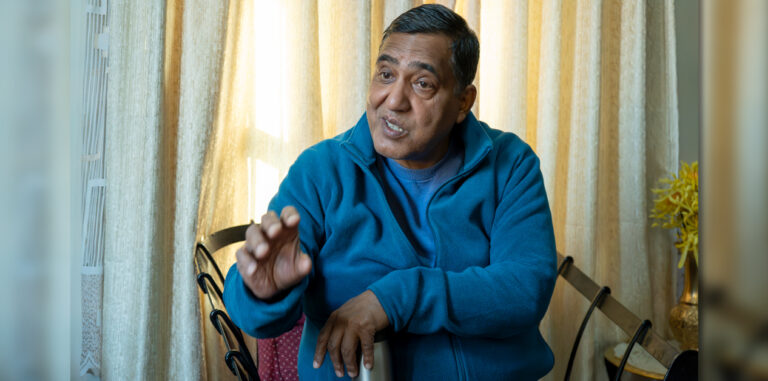
Political scientist Hari Sharma, who spent nearly seven years at Sheetal Niwas as the political adviser to Nepal’s first President Dr Ram Baran Yadav, was also at one time a political adviser to then–Prime Minister Girija Prasad Koirala. Sharma is not only a deep student of contemporary politics but also a sharp analyst. Here is an edited excerpt from an interview conducted by Baburam Bishwakarma for Nepal News, focusing on post–Gen Z movement Nepali politics and the run-up to the upcoming elections:
How are you viewing the current political developments?
The reason politics has reached where it is today is the Gen Z movement of September 8 and 9 last year. Due to the situation that arose after the movement, elections that were supposed to take place later are now being held earlier. Nepali society is currently fully engaged in election mode. Formally, candidates are active in rallies, corner meetings, processions, and door-to-door campaigns.
Has the environment for elections on March 5 been secured?
At this point, there isn’t as much time as before to run around preparing for elections. Candidate selection was also completed very quickly. Since the election code of conduct has already come into force, the elections have acquired formal legitimacy. This means the elections are assured in every sense.
Nepal has a strong history of elections. Whether it was elections during the Panchayat era, the referendum through which the people expressed their opinion, or the periodic elections under the multiparty system, elections have historically addressed political complexities of their time. Only the local elections held during King Gyanendra’s direct rule raised some turbulence and questions. Other than that, elections have been conducted using the state’s own administrative mechanisms without external assistance. Support from others has been taken only for ballot boxes, printing ballot papers, and similar materials. But in most elections so far, Nepali citizens have had an environment in which they could freely express their vote. That right has been ensured. Even in the most difficult circumstances, we have managed to conduct elections.
Nepali people take elections as a form of enthusiasm and celebration. Even looking at this election, the skepticism that arose immediately after the Gen Z movement has gradually diminished because of the elections.
On the second day of the Gen Z movement, the tragic situation that developed completely destabilized the administrative machinery of the state. We reached a point where people were asking whether the state even existed. But within a few months, a wave of public enthusiasm for elections has emerged. Nepali people are treating elections as a festival. It appears that citizens have safeguarded their right to choose their representatives. Confidence has grown that elections can cut through political confusion and uncertainty.
Will the announced elections resolve the country’s complexities?
As a political scientist, I believe democracy is a system that has the capacity to turn uncertainty into certainty. The process that provides that certainty is elections. The election outcome may be something we like or dislike. But once the people have delivered their verdict, it must be accepted and institutionalized so we can move forward. Because there will always be another election after one election.
Certainly, a single election will not solve all our problems. Nor can one election alone turn someone into a dictator. If people are dissatisfied with their decision, they must have the patience to wait until the next election. The so-called wave we are currently seeing for or against certain forces is limited to this moment in time. That is why I believe elections can calm all storms. We are living in a very unusual political situation right now, and this situation emerged because of the Gen Z movement.
How should people view or understand the Gen Z movement?
Views on the Gen Z movement are divided into three camps. One camp believes that it never really happened, that it was a conspiracy or a foreign plot. Another camp believes it had to happen, that “we did it,” and sees itself as the heir, hero, or leader of the movement.
The third camp believes the Gen Z movement occurred due to distortions within Nepali politics itself and that established political parties must take responsibility and move forward. This perspective holds that it’s not enough to merely mourn what happened; we must chart a future and proceed accordingly.
The group that rejects the Gen Z movement outright faced serious questions of governing legitimacy while in power. There has now been a legitimate electoral effort to displace arrogant and authoritarian thinking that curtailed civil rights and shut down independent sources of information.
During the Gen Z movement, the government was led by UML Chairman KP Sharma Oli. Various bills were stalled in Parliament, including a bill related to the Commission for the Investigation of Authority. The Nepali Congress, which claims to be a major democratic party, was also part of the Oli government. Yet Parliament was almost continuously obstructed. Instead of dialogue to resolve political deadlock, monologue dominated. The situation was such that even Oli’s own Minister of Communications would not take questions during press briefings – he would simply begin delivering answers. I said at the time: this is the end of the age of questioning. That environment itself was the background of the Gen Z movement.
Were the actions of the Oli government responsible for the Gen Z movement?
We all experienced Oli’s arrogant political environment, and people were fed up with it. When traditional media was already constrained, restrictions on social media further suffocated freedom of expression. Many people’s livelihoods were connected to TikTok, Instagram, and Facebook. Some were running large and small businesses entirely through social media. The government obstructed those platforms. On the one hand, independent creativity was blocked; on the other, businesses and livelihoods were disrupted. More seriously, many Nepalis’ children are abroad, connected to the world through the internet. Husbands and wives are separated across countries. Social media was often their primary means of communication.
In today’s algorithm-driven politics, people mostly receive information aligned with their own views. The government may have believed that if the political use of algorithms wasn’t controlled, the election results two years later could slip beyond its control. That control-oriented mindset created an unforeseen situation.
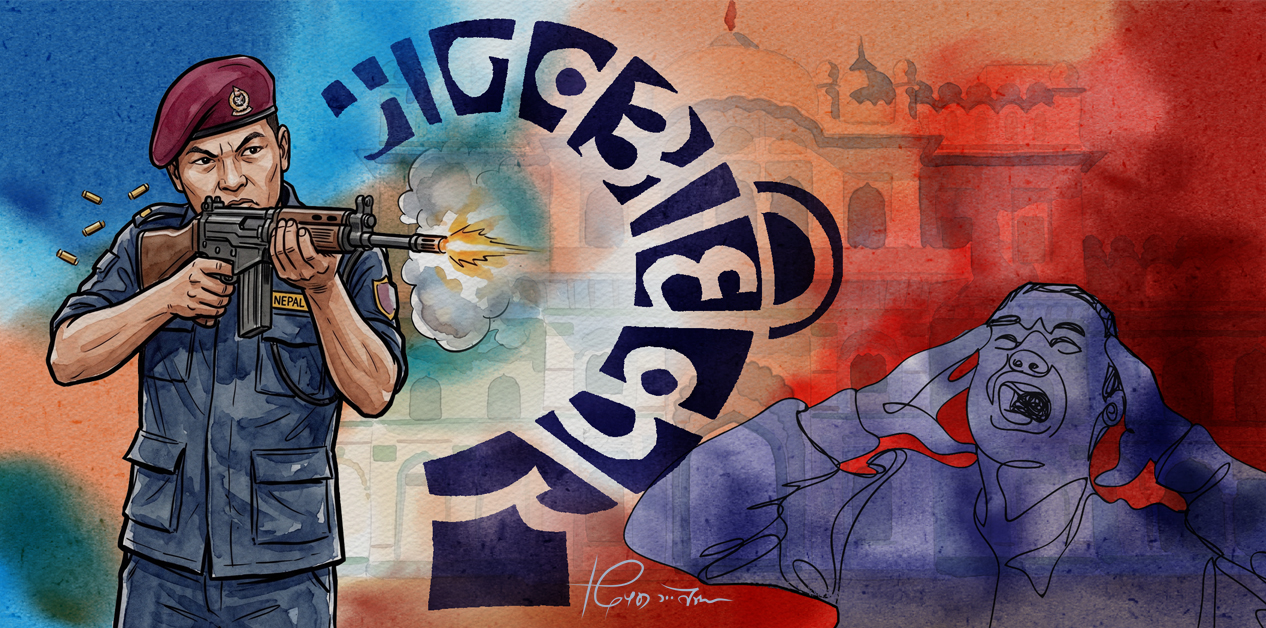
While public opposition to social media restrictions was justified, the state unexpectedly displayed far more force than necessary. The use of violence caused the government to lose its legitimacy to govern. The cycle of violence and counter-violence destroyed many state institutions. Many people called it a condition of statelessness. I called it a situation where the state had melted. Wherever people were, they simply sat there helplessly. No one did anything.
After the Gen Z movement, everything hinged on the Nepali Army and the President. When those two were not aligned, people like me were deeply afraid. Once the matter reached the President, we felt reassured that Nepal would not slide into military rule. If the country had gone into military rule at that moment, our freedoms and freedom of expression would have been further suppressed. Those two or three days were filled with immense doubt and fear. There was even fear that Nepal might not continue to exist as a society or a country. The arrogance of those in power was visible even in public policymaking. The indifference of institutions like Parliament also prepared the ground for the Gen Z movement. The practice of filling bodies such as the Election Commission and the National Human Rights Commission with loyalists and effectively capturing institutions was itself part of the background that led to the Gen Z movement.
What exactly is meant by “Gen Z”?
In the context of the recent movement, what is being called Gen Z is an “aspirational” age group that is connected to the global environment. It takes photos of food before eating. It wants to show things before consuming them. It wants to connect with the world, yet it is also deeply solitary. With a mobile phone or tablet in hand, it can remain absorbed on its own, and at the same time share that very experience with the entire world. This age group does not go to libraries; the library comes to its home. To listen to music, it may occasionally attend a concert. It listens to poetry on a computer.
So, Gen Z is aspiration. It is both introverted and extroverted. It wants to connect with the world, and it also enjoys its own freedom. That is Gen Z. When restrictions were imposed on social media, this group felt an obstruction—both to connecting with the world and to enjoying itself privately. This is a psychological matter.
Singha Durbar burned. The Supreme Court burned. The President’s Office burned. People died. There was destruction and devastation. But what happened in terms of accountability? That must be investigated. However, what happened in the country within two days—or even within a few hours—was entirely unexpected. It cannot be analyzed with an ordinary mindset. Therefore, there is no option other than accepting the environment that emerged from the Gen Z movement. If we begin examining it from every possible angle and counter-angle, we will not be able to move forward. That task can be left to investigative commissions or others. The responsibility for studying it should be left to historians, social scientists, or social-media researchers. The problem is that we are all entangled in everyone else’s arguments, largely for our own satisfaction. I believe that if we keep staring at and imagining that moment of collective madness, none of us will be able to move ahead.
Gen Z has now entered electoral politics. How do you assess their political understanding?
In the context of the Gen Z movement, analysts have raised questions: where is the issue of social justice? Where is the issue of federalism? At one point, I said the same thing myself. But now I am reconsidering. Even in electoral politics, dialogue is necessary between Gen Z and political parties on issues of social justice, caste-based violence, and violence against women. The Gen Z movement itself is not deeply reflecting on Nepal’s overall historical contradictions, historical achievements, the republic, federalism, or the governance difficulties that emerged afterward. But Gen Z is thinking about the future. It is making demands according to its own character. This cannot be dismissed, because it is aspiration.
That said, it remains to be seen whether this generation will take a stand on Nepal’s historical, social, state-related, and economic contradictions. This is precisely where dialogue is necessary. Elections normally create a large environment for dialogue, but given the circumstances under which this election is being held, it seems difficult to enter into these complex issues.
You have witnessed many elections. What is the core difference between past elections and the current one?
In past elections, leadership dominated, and leadership still appears strong now. But earlier elections allowed direct interaction and question-and-answer exchanges; this time, that seems lacking. In the 2008 election, the Maoists had not yet given up their arms. Cantonment management had not been completed. Even so, we participated in the elections as a festival.
Earlier elections were centered on the country’s future and aspirations for change. At that time, social media was not used so extensively. In the digital era, it is now said that the electoral storm that once raged at the ground level is raging even more in the sky, toward the galaxy. Today, competition in cyberspace far exceeds face-to-face interaction – by hundreds of times. The current battle is in cyber or digital space. AI has also been added to this, delivering to voters even words that people themselves never spoke.
How do you view a changed Nepali Congress, an unchanged UML, and the so-called new parties from the perspective of leadership change?
The UML is in a position of rejecting the post–Gen Z movement environment. The so-called new party is surging. It is riding the horse of heroism everywhere, from social media onward. It has “heroes” like Balen Shah and Rabi Lamichhane. Whether these two heroes will ride the same horse or not remains to be seen. Like a Kalki avatar, two heroes have arrived, ready to cut through everyone while riding a single horse. I have taken Balen’s eight-crore rupee vehicle and his other vehicles as a metaphor for that horse. His vehicle does not stop just anywhere; it is like an Ashwamedha Yagya horse. It is a very strange campaign. We do not see him stopping to talk with people; instead, visuals of him eating rice pudding or visiting temples have become media content.
Since this election is centered on personalities, has it become agenda-less?
It is more centered on personalities, but it is not agenda-less. Party manifestos are yet to be released. Nepali Congress’ new president, Gagan Kumar Thapa, has properly presented electoral agendas in his speeches. He has said: this is how I view the aspiration of the Gen Z movement. Thapa has also said that he will conduct primary elections within the Nepali Congress itself on issues of governance structure.
We are reading reports that the new party collected money from candidates in the name of holding primary elections and pocketed it. Another leader is apologizing to the public, saying, ‘Next time you don’t need to come to me to seek a ticket.’ The Nepali Congress has said it will give tickets to the candidates whom the people themselves elect. This itself is an agenda.
I have neither read nor heard leaders of the Rastriya Swatantra Party say, “We collected money, but we could not conduct primary elections this time.” At least the Nepali Congress president is saying so. Recently, he told party workers: This time it was rushed; we had to distribute 165 tickets within 24 hours. But next time, you won’t have to come to me for a ticket. He has also said that after the election, as soon as possible – or at least before the local elections – the Nepali Congress will hold its regular convention. This is a sign of change.
So, did the Gen Z movement change the Nepali Congress?
From the status-quo forces within the Nepali Congress, the party itself was the most severely wounded. If you ask Sher Bahadur Deuba, or people around him like Prakash Man Singh, Krishna Sitaula, or Ramesh Lekhak, they will say: We were not the main actors in the government; we were only partners. But we were the ones most seriously injured. That is why the Gen Z movement has had its greatest impact on the Nepali Congress.
The special convention of the Nepali Congress itself is a positive achievement of the Gen Z movement. Observing Nepali Congress politics shows that generational transfer in Nepali politics is an extremely complex issue. The way a special convention was held amid tension revealed how deeply entrenched a conservative power source was within the Nepali Congress. Everyone saw how much effort the young general secretaries had to put in to hold that special convention. But the exact opposite scene was seen in the UML.
Why has there been delay or reluctance in generational transfer within political parties?
Because the older generation does not want to let go. And because the younger generation believes it can reach leadership through blessings. This has happened because the new generation believes it can rise by pleasing the old leaders. There has been a delay in generational transfer because young people lack the courage to say: Changing leadership is my right, and I can take leadership if necessary. If the generation that has now reached leadership in the Nepali Congress, or the generation of leaders like Yogesh Bhattarai in the UML, had reached party leadership 25 years ago, pathways would have opened for others as well.
The Nepali Congress changed, but the UML did not. Why?
The UML has also said that 40 percent of its candidates will be young people. In that sense, some degree of change is visible there as well. But change has not occurred at the level of core leadership. And it is not necessarily true that when leadership changes, all agendas automatically change. Speaking about the Nepali Congress, which I have observed closely, a political party is a combination of continuity and change. A party is built on historical legacy. It has certain values and norms. Circumstances must also be created in which change can take place in line with those values.
Leadership did not change in the UML. But the election is bringing storms in terms of ideas and leadership. I believe UML candidates and cadres are grappling with this. The UML after the election will not be the same as the UML before the election. Every party will necessarily have to be different after the election. They will have to engage in self-criticism. Let us see whether the change seen in the Nepali Congress spreads to the UML and other parties or not.
What difference will it make that there were no pre-election alliances among parties?
The alliances formed in the last two elections pushed Nepali politics into a difficult corner. For example, in Chitwan, Nepali Congress cadres were unable to vote for their own party for ten straight years. That is a very strange situation. This is the same Chitwan where the multiparty system won in the referendum. The same Chitwan where martyrs were buried in the ground and beheaded in 2018 BS (1961/62 AD). The same Chitwan from whose Thori area political activists were forced into exile. Yet in such a historically significant Chitwan, people from the Nepali Congress and other parties were unable to vote for their own parties. This time, that has changed, and that is the biggest thing. There was also an alliance in the previous local elections. Last time, there was a compulsion to vote for someone else in provincial governments. That has now changed.
If no one gets a majority again under the same electoral system, won’t politics fall into the same old cycle?
When an earthquake suddenly strikes and people are shaking, the first task is to save them. You put them in temporary shelters. How can you immediately say, “I will build a big house all at once” and do it? The Gen Z movement shook the foundational base of Nepali politics and society; there is dispute in this. This election will work to give proper direction to the politics and society shaken by the Gen Z movement.
People say the state used violence during the Gen Z movement. I do not want to go in that direction. If we are to say that, then which state in the world is non-violent? The greatest authority of the state itself is the use of violence. But during the Gen Z movement, violence came from elsewhere and the state became helpless. Nepal’s military authority has said, “We did not want to respond with counter-violence during the Gen Z movement.” But there are also many views saying that if violence occurs and the state says it did not use counter-violence to stop it, then what exactly is the state’s responsibility—since the state exists precisely to exercise counter-violence?
Did the Nepali Army also fail to stop the violence during the Gen Z movement?
The Nepali Army did indeed deviate from its duty; and not just the army, the entire state apparatus failed. However, we should not remain stuck there now. Politics must be normalized through elections. We cannot drive a vehicle in fourth gear all the time. From time to time, we must change gears and move toward our destination. Those who drive the state and society must not keep them running in fourth gear at all times. Time must be given to regain balance.
The greatest drought in social thought in Nepali politics is the lack of self-criticism. I have never heard any political or social leader say, “I made a mistake.” What kind of society never makes mistakes? This is a serious question. Even after the Gen Z movement, there has been no awakening anywhere to review mistakes and move forward from them. The arrogance of believing “I hold power, therefore I cannot be wrong” has pushed the country toward disaster. In the Mahabharata, when Guru Dronacharya asks whether Ashwatthama has been killed, Yudhishthira replies, “Ashwatthama is dead—whether man or elephant.” At that very moment, many sounds erupt: conch shells, bells, war drums. Before Yudhishthira can complete his sentence, Dronacharya hears only part of it. It feels like something similar is happening now.
The noise and chaos we see on social media today make it feel as though we are not on social media but trapped in a social web. This is an illusory time. I had never seen before a movement that began at 9 a.m. reach gunfire by 11 or 12 noon and end there. We have seen long struggles for change – years of hardship, imprisonment, and suffering. But this time, before even 24 hours had passed, everything was suddenly thrown into upheaval. That is why I sometimes feel we are living in the illusory world of social media.
What do you mean by an “illusory world”?
There is no certainty about when, where, or what will happen. Old structures have collapsed. We are not accustomed to the new ones. A father at home may not be able to read letters, but by watching audio-visual cues he can call his children on a mobile phone. He has access to technology, but does not understand how it works. There is no fundamental difference between my grandmother, who once believed everything written in the Gorkhapatra newspaper was true, and people today, who believe everything they see on social media. Our social awareness may have increased in terms of usage, but that awareness itself seems stuck where it was.
Some time ago, when I went to Baglung, I met a headmaster. He was an old Nepali Congress member who had endured imprisonment and hardship. Just by watching social media, he had become a fan of Rabi Lamichhane and Balen Shah. He has never seen either of them in person. Simply by watching every morning, he has changed. In old age, he lacks the capacity to go elsewhere. Walking is difficult. His children live away from home for education. He watches social media and sits there. That is why this web-like network is illusory. What appears may not actually be real, but believing it, we keep circling within it.
On a different note, how do you view the much-discussed electoral contest in Jhapa-5?
I have already spoken about current political trends. Not only Jhapa-5, but the election result of any constituency is difficult to predict. We have seen even leaders like Kishunji (Krishna Prasad Bhattarai) lose. On the ballot paper, people look at everything and communicate information to themselves before voting. Whoever wins or loses, the people’s mandate cannot be rejected. Whatever result comes, everyone must accept it. Except for the place where I myself vote, I do not expect this or that side to win elsewhere.
What will the post-election House of Representatives look like?
In the current situation, it is not possible to say what the Parliament will look like. But the upcoming Parliament, too, will likely be inclusive and mixed, accommodating everyone – much like before. That is also the beauty of democracy. A Parliament where everyone is represented is what the country needs. But the main challenge after the election is good governance.
Before elections, I ask myself the question of governance as well. I am participating in an election. I vote for a particular party or leader. The representative elected by my vote goes to Parliament. It is not necessary that I agree with every policy adopted by Parliament or the legislature. But the MP I voted for must play a role in institution-building. Without public institutions, a country cannot function, and there can be no good governance.
We are not voting to make some Thapa, Karki, or Pariyar win. Voting means choosing a representative who will actively build institutions. That representative should raise public issues in Parliament and formulate policies in the public interest. The House of Representatives election is not being held to form a government; it is being held to build a Parliament. A government is formed through Parliament. From whatever Parliament emerges after the election, we need leadership with the wisdom to form a government. We are not in a system where one group or one leadership can win all the votes.
My expectation is that leadership that can transparently formulate public policy should reach Parliament. And that political parties with the determination and ability to create such an environment in Parliament should get there.
After multiparty democracy came, one group criticized the Panchayat system. After the republic came, republicans criticized the multiparty democrats. Now those calling themselves “new” criticize the “old.” Why are there endless blame and distrust in Nepali society?
The saying “unable to see the buffalo on one’s own body, but quick to see the lice on another’s” did not emerge without reason. It is easier to criticize others. Nepali society has not yet fully developed. We became a country and a society while running across hills and mountains within a certain historical moment. China emerged to the north, India to the south. Our geography shaped us. We thought language connected us, so we spoke of linguistic nationalism. We thought that by ensuring representation for everyone in the Constitution, we would be united. But now we are beginning to question even that. So then, what connects us? Historically, we became Nepali. Our experiences have also become Nepali.
Even if I say I am not Nepali, others will still call me Nepali. We have carried Nepali passports across the world. We thought democracy or nationalism would bind us. But now people are saying: democracy divided us.
Let us look at one example. During the COVID period, I met people only outside my home, looking at them through windows. There were situations where people could not even take their dead relatives to the cremation ground. But during the 2015 earthquake, our homes and courtyards were open to everyone. We helped each another as much as we could. Both were unexpected events. Society behaved differently in response to each. Yet fear existed in both. The fear of the earthquake opened my courtyard and home. The fear of the pandemic closed the doors of the house.
Therefore, what connects society must be sought in that emotional space. We must be able to search for the positive aspects of Nepali society. If politics is what connects us, then we must also ask what kind of politics connects us. Elections come and go. The issue of connecting society must be the central concern of our politics.
That is why tomorrow’s Parliament will consist of people who have come from different viewpoints and different contexts. Some have been burned by the fire of the Gen Z movement; others have not. Some say, “This was my fire.” Others say, “We were excluded.” When all of them sit together in one place, how will they behave? That will determine our future.
In the upcoming election, both professionals and experienced politicians are contesting. What difference do you see between the two?
Those with professional backgrounds believe that the solution to Nepal’s problems is technical. In other words, technological solutions to political problems. But today’s problems cannot be solved only by educated people, without logical reasoning. This raises a major question about moral values. Is politics merely a technical question, or is it a question of dignity and self-respect?
The technologically oriented, educated professional class we see today looks at the interests of the majority, but also at the interests of its own class. Whether it listens to the voices of other classes remains to be tested.
There is a strong wave saying, “We will completely reject the old and build the country anew.” How realistic is that?
If parents grow old and can no longer work, can we put them in a basket and throw them away? Such thinking is unacceptable. Once we accept that society is a mixture of everyone, then everyone has rights – from small children to dogs and birds. Those who live in huts have rights, just as others do. It cannot be that only well-dressed, educated people will run the country; that only we know best; that we have studied at Harvard. That kind of thinking does not work.
Some claim there was foreign involvement in the Gen Z movement. How much truth do you see in that?
Because we have large countries like China to the north and India to the south, we have a certain inferiority complex. Because of this sense of smallness, whenever something happens here, people say, “It wasn’t us—foreigners did it.” When writing poetry, songs, stories, or giving speeches, we say we are free and were never colonized. Yet mentally, we remain dependent. If we start claiming that even things that did not happen were caused by others, are we not becoming dependent? That is why I never like to even enter this topic. Yes, big countries have their interests. But what have we done to stop them?
Losing the moral authority to govern and then saying foreigners made it happen is not honest. We carry out massive movements to establish democracy, republicanism, and an inclusive system – and then go around saying, “I didn’t do this”? That is not consistent.
Saying foreigners orchestrated the Gen Z movement, and then participating in the post-movement election, is contradictory behavior. During the 2006 People’s Movement, people died and were imprisoned. Ordinary people went to jail and were injured, yet today they do not hold positions. Saying that foreigners were behind that movement does injustice to them.
In this movement, a magical, illusory scene appeared. The reason is technology. Events unfolded so rapidly – beyond human imagination – that some people may have felt this must surely have been orchestrated by external powers. If that were so, then external powers would be making this happen again and again.
Finally, what will Nepal look like after the election?
After the election, Nepal will remain as it is; nothing dramatic will change. The northern neighbor will remain to the north; the southern neighbor will remain to the south. What will change is the character of Parliament. Whether the new Parliament can establish accountability is the real challenge. If this election creates conditions for forming a stable government, constitutional amendment becomes possible; if not, it will not. If a government cannot be formed, political tug-of-war will begin again.
The election has come as a response to the situation created by the Gen Z movement. It has exposed various memories and contradictions within Nepali society. This may sound slightly provocative, but the Gen Z movement was an accident. It forced us to ask whether the country is on the right path. Now we must also ask: if another such accident happens again, where will we end up?