Kathmandu
Friday, June 5, 2026





KATHMANDU: The IT professionals in the country are generating more than Rs 125 billion annual earning through service exports, said stakeholders in an interaction program.
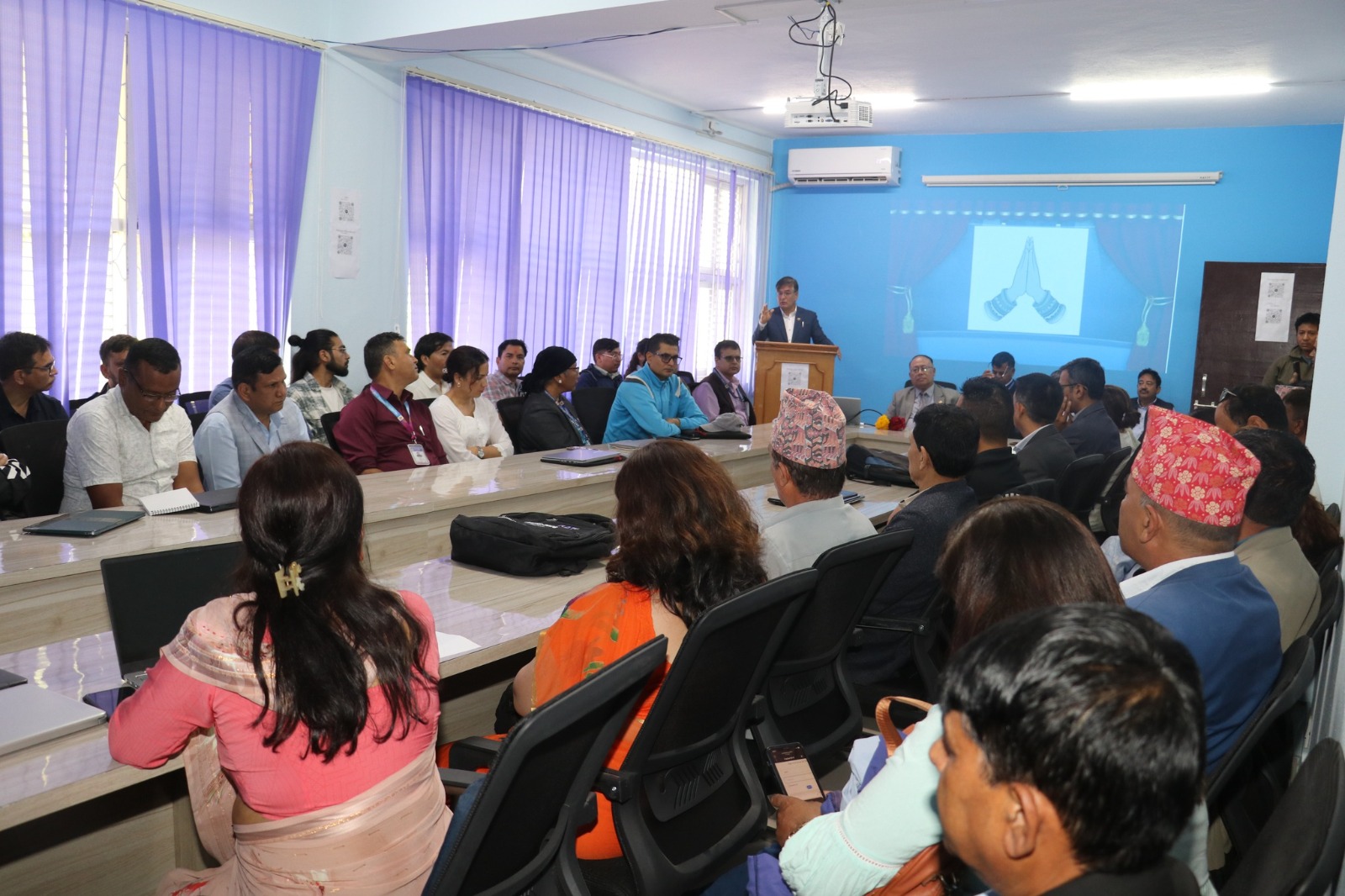
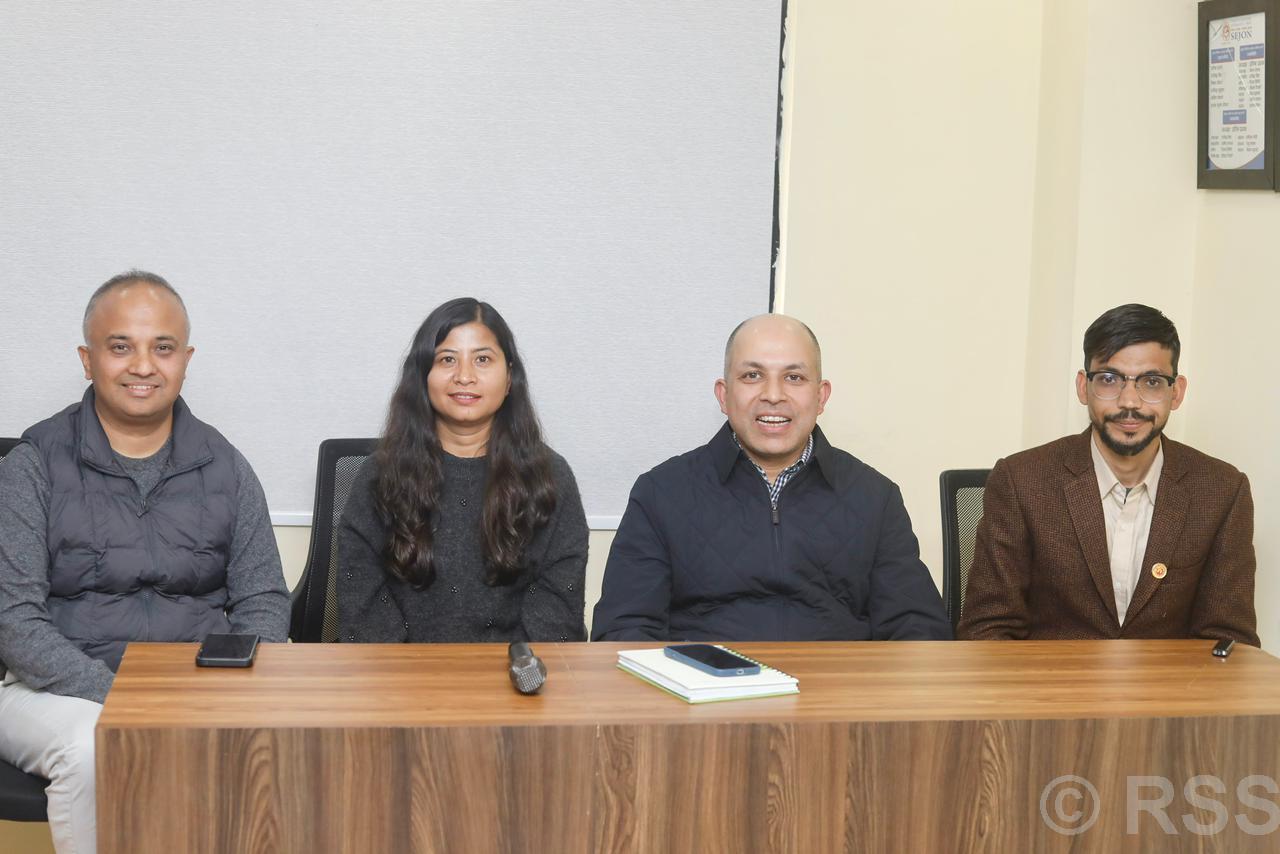
At the program themed ‘Nepal’s IT Industry’s Status, Opportunities and Challenges’, organized by the Society of Economic Journalists-Nepal (SEJON) here on Wednesday, they univocally agreed that Nepal could significantly leverage its IT industry for economic gains.
During the interaction, Gaurav Raj Pandey, President of NAS-IT, cited a study showing that Nepal exported IT services worth Rs 67 billion in 2022.
In his presentation on the prospects of digital services and Artificial Intelligence (AI), Pandey asserted that strengthening the IT services could substantially boost the national economy.
He further informed that since 2022 Nepal’s IT sector had been fetching more than USD 1 billion annually in income through the service exports.
Referring to the developed countries investing heavily in the IT sector, he suggested that Nepal should also harness its potentials and not to miss the IT-driven revolution the way it missed out on industrial revolutions in the past.
He also called for enabling investment-friendly environment in the country to attract similar investment.
Likewise, Alisha Shrestha, NAS-IT’s General-Secretary, noted that both the IT companies and skilled IT professional are steadily increasing in number in the recent years.
She informed that 80 companies are associated with the NAS-IT (Nepal Association for Software and IT Services Companies), a non-profit organization that promotes innovation and entrepreneurships to empower Nepal’s software and IT industry.
Similarly, Abhay Paudel, Treasurer of NAS-IT, said that the IT sector has now established as a service-based industry in Nepal and called on to pay attention for its development and promotion.
Outlining an ambitious target of increasing income from IT service export from existing USD 1 billion to USD 30 billion and creating 500,000 jobs within the next 10 years, he highlighted the need for a strong policy support on the part of the government to achieve this target.
He proposed a significant tax incentive, including reducing income tax to below 5 per cent at least for 10 years to encourage IT professional harness their potentials and bringing in more foreign currency.
He mentioned countries like Vietnam and the Philippines achieved a remarkable growth in IT sector through similar tax benefits.
He viewed that the government should prioritize Nepali IT companies in software procurement up to Rs 100 million.
For large foreign contracts, he suggested that at least 30-40 per cent of the work should be done in partnership with Nepali companies to help transfer skills and technology.
Furthermore, he opined that emphasis should be laid on incorporating IT and AI education in curriculum from grade 5 in schools.
Stating that many university graduates still require industry-specific training, he called for bridging the wide gap between education and industry.
He also proposed establishing a dedicated IT Promotion Board similar to the Tourism Board to address the challenges and problems of the IT sector as well as for branding Nepal’s IT sector globally.
He argued if government considers inking double taxation avoidance agreement with major international markets such as USA, UK and Australia, Nepal could attract more foreign investors.