Kathmandu
Wednesday, July 15, 2026





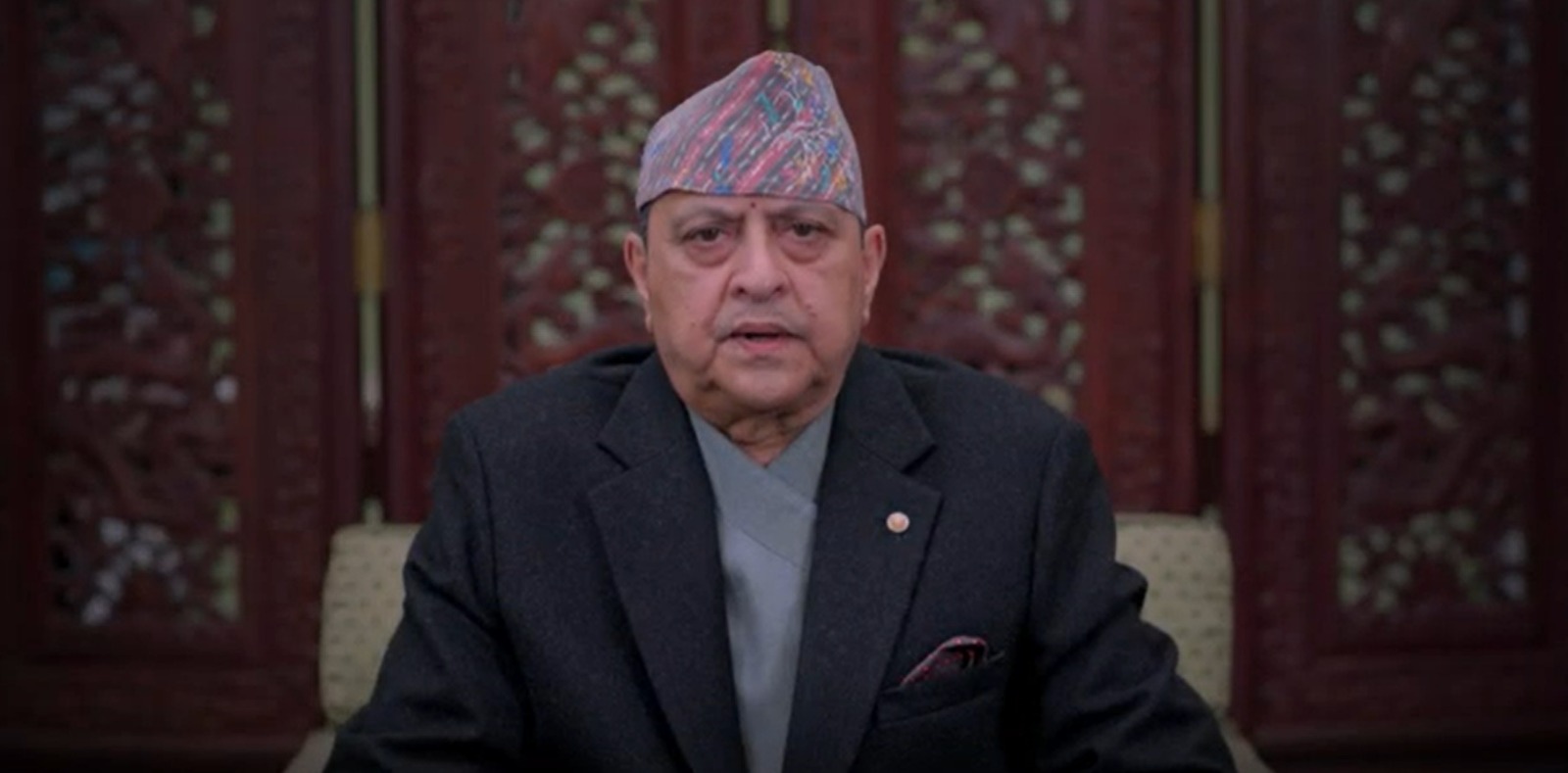
KATHMANDU: As Nepal prepares for the March 5 House of Representatives election, former King Gyanendra Shah (who deposed on May 28, 2008) released an eight-minute video on the eve of Democracy Day. He warned that elections alone cannot resolve the country’s political crisis, describing Nepal as facing “one of the most critical moments in its history” and urging that polls proceed only after broad consensus among all political stakeholders. Here is everything you need to know about his video message:
What is Former King Gyanendra Shah’s view on Nepal’s upcoming elections and political crisis?
Former King Gyanendra Shah has expressed that elections alone cannot resolve Nepal’s complex political challenges. He believes that holding polls without prior consensus among all key stakeholders may not lead to meaningful stability.
He expressed caution regarding the elections scheduled for 21 Falgun (March 5, 2026) While periodic elections are a natural part of democracy, he stressed that they should follow national consensus and resolution of pressing national issues to prevent post-election conflicts or unrest.
He said: “In a democracy, state mechanisms and processes should operate according to constitutional norms. Elections should proceed only after national consensus to avoid post-election conflict or unrest.”
Gyanendra envisions a solution within the framework of a constitutional monarchy, where cooperation between the King and political parties is central. He likely emphasizes that, given Nepal’s current political deadlock, a unified approach between the monarchy and parties is crucial to navigate the crisis and guide the country toward sustainable governance.
Why did Former King Gyanendra Shah deliver a message on the eve of Democracy Day?
Former King Gyanendra Shah delivered a video message on the eve of 7 Falgun to commemorate Democracy Day in Nepal. In his message, he highlighted both the historical significance of democracy in Nepal and the challenges the country currently faces. By speaking openly about politics, elections, governance, and geopolitical matters, he aimed to communicate not only with the Nepali public but also, via English subtitles, to international audiences. His remarks suggest an effort to present Nepal’s current political and social situation in a broader context while also reflecting on the responsibilities of the state and citizens under a democratic system.
What did he say about Nepal’s geopolitical role and democracy?
Former King Shah emphasized that Nepal’s democracy must be shaped by the country’s geographic realities and social nature. He warned against forcing people to act merely to please authorities or under compulsion, stating:
“In a democracy, the people themselves must become aware and actively engage in serving society and the public. Yet, they are forced into chains of compulsion, needing to please some and being dictated by others. Only a system suited to the country’s geography and societal nature can deliver sustainable and positive results.”
He described the current situation as “unusual”, noting that Nepal is caught in a state of unnatural turmoil, and that every patriotic Nepali feels that the nation’s identity and existence are under threat. His message underlined the importance of governance and political systems that are rooted in Nepal’s realities rather than external pressures or imposed structures.
How did he connect his message to Nepal’s historical democratic struggle?
Shah recalled the democratic revolution of 7 Falgun 2007 BS (1951 AD), emphasizing that democracy in Nepal was not achieved solely by armed struggle from the Nepali Congress’s liberation forces. It was also the result of King Tribhuvan’s leadership and the support of the Nepali people. He noted that King Tribhuvan was the one to proclaim the end of the 104-year Rana regime, earning him recognition as the Father of the Nation in democratic Nepal.
Shah highlighted this history to frame Democracy Day as a joint accomplishment of the people and the monarchy. He said:
“We remember the joyful day when democracy’s first rays dawned in Nepal 75 years ago through the combined efforts of the King and the people.”
He also paid tribute to martyrs and leaders who contributed to democracy and emphasized the royal family’s historical connection with Nepal’s democratic development.
Did he address specific communities or regions in his message?
Yes. Shah mentioned his visit to Jhapa, where he expressed gratitude to the people who welcomed him at the airport. He also acknowledged the indigenous communities of the Kathmandu Valley, particularly the Newar community, as part of his message of respect and inclusivity.
This was significant because, in previous addresses, he had not highlighted indigenous groups so directly. In this video message, he said:
“I extend heartfelt thanks to the indigenous citizens of the Valley who participated in welcoming me.”
His comments suggested an effort to connect with local communities and gain their trust, demonstrating awareness of Nepal’s cultural diversity and the importance of inclusion in democratic engagement.
What did he say about the federal democratic system and past changes?
Shah suggested that the federal democratic system, established after the monarchy was removed, has not fully succeeded. He criticized social divisions and instability, warning that a culture of Nepalis seeing each other as enemies has contributed to the country’s deep crisis. He emphasized the need to reflect on what past political struggles and changes have actually delivered for Nepal and its people.
He stated: “Our enemy is poverty and instability, yet we have encouraged a culture where one Nepali sees another as a foe, leading the country to its deepest crisis in history. A system that serves the people’s overall interests and upholds Nepal’s dignity on the global stage—the democratic system—is what suits our country. We must retain the good aspects of any system and discard the harmful ones.”
What guidance did he offer regarding citizens’ rights and duties?
Shah warned against a culture where citizens pursue rights without fulfilling their responsibilities. He stressed that only a strong sense of civic duty can give the nation momentum.
He said: “Many nations prioritize their country and people first, then exercise democracy. We too must apply democracy practically, testing and refining it while adapting to Nepal’s realities. Democracy must consider changing public needs and simplify daily life for citizens, accommodating all perspectives and cultures.”
What was his overall message on democracy?
Shah called for a democracy that is grounded in Nepal’s reality, adaptable to citizens’ changing needs, and inclusive of diverse ideas and cultural practices. He emphasized that democracy should simplify daily life, protect national identity, and promote stability, serving both the people and Nepal’s position in the world.
What is the significance of Falgun 7 in Nepal?
Falgun 7 (Tomorrow, February 19) celebrated as Democracy Day, marks a historic turning point in Nepal’s history, when the 104-year-long Rana regime was overthrown by the people, ending centuries of oppression. This day symbolizes the dawn of democracy and the reclaiming of political and civil rights by ordinary Nepalis. Before Falgun 7, the Ranas, led by Jang Bahadur Rana, had seized power from the Shah dynasty through the infamous Kot Massacre on 14 September 1846, keeping the Shah kings under control and concentrating political authority and land in the hands of a small elite.
Falgun 7 is important not only as a historical milestone but also as a reminder of the ongoing journey toward a just and inclusive democracy. It reflects the hope that today’s elections and leaders will continue the work of building a peaceful, prosperous, and equitable society. The day encourages reflection on both the achievements of the past—when ordinary citizens and the monarchy joined forces to reclaim freedom—and the challenges that remain, such as social inequality, landlessness, and the need for governance that serves the people’s welfare. Ultimately, Falgun 7 represents the struggle, resilience, and aspirations of the Nepali people to shape a democratic nation responsive to its citizens.
Why were the Falgun 7 (1950s) a transformative period in Nepal’s history?
The 1950s marked a critical turning point for Nepal, both domestically and internationally. Domestically, the decade began with the end of the 104-year Rana autocracy, ushering in a democratic era. Successive governments attempted to reshape society by dismantling feudal institutions and introducing policies aimed at social, economic, and structural reforms. However, Nepal faced significant challenges: democratic institutions were nascent, political parties were inexperienced, and the country lacked established governance mechanisms. Despite these obstacles, the period laid the groundwork for modernization and participation in democratic processes, with citizens beginning to engage more actively in shaping the nation’s future.
Internationally, Nepal’s position became increasingly important due to major regional and global developments. India had recently gained independence, Pakistan emerged as a new state, and China consolidated control over Tibet along Nepal’s northern border. During this time, Nepal signed the Peace and Friendship Treaty with India (1950), establishing a foundational framework for bilateral relations that continues to influence diplomacy today. Breaking from decades of isolation, Nepal pursued an open-door policy, attracting attention from major powers, including the United States, while balancing relationships with its immediate neighbors.
The 1950s were a period of dynamic change: internally, Nepal worked to transition from autocracy to democracy, reform social structures, and meet the needs of its people; externally, it navigated a rapidly shifting geopolitical landscape, responding to regional and global pressures. This decade set the stage for Nepal’s modernization and helped define the country’s role in both regional and international affairs.
The years that followed were politically unstable. Competing factions, inexperienced political parties, and the strategic pressures of the Cold War placed Nepal between India, China, and global powers like the US and USSR. Despite this, the period opened Nepal’s politics, economy, and foreign relations. Land reforms, educational institutions, industries, and planning commissions were established, marking the start of national development.
What is the full text of Former King Gyanendra Shah’s video message?
Nepali sisters and brothers,
On the occasion of remembering the joyous day seventy-five years ago when democracy first dawned in Nepal through the joint efforts of the people and the monarchy, I extend my heartfelt greetings to all Nepalis. We pay tribute to our forefathers, especially King Tribhuvan, whose generosity and vision helped establish democracy, and we offer our respects to him. We also honor the known and unknown martyrs who gave their lives for democracy, and all those who have actively worked for its advancement.
Upon returning to Kathmandu after spending several months in Jhapa, I wish to express my sincere gratitude to the indigenous citizens of the Valley and the broader public who welcomed me. The love and goodwill shown toward me in this difficult moment have touched my heart deeply and inspired a strong sense of duty.
Nepal today finds itself trapped in an abnormal turmoil. Every patriotic Nepali senses that the nation’s very identity and existence are at risk. Throughout history, movements and struggles have occurred in the name of change, but it is now time to reflect on what those changes have truly delivered for Nepal and its people.
Our true adversaries are poverty and instability, yet we have fostered a harmful culture in which one Nepali sees another as an enemy. This culture has brought the country to one of the most painful points in its history. In these trying times, we must halt politics of hatred and conflict, and promote a political culture grounded in goodwill and unity.
In a democracy, state institutions and processes must function according to constitutional principles. While periodic elections to select representatives are a natural part of a democratic system, the prevailing sentiment among the people is that elections should be held only after national issues are resolved. Holding elections without such consensus risks post-election conflict and unrest; only a coordinated and inclusive approach can ensure the right path forward.
In today’s unfortunate circumstances, where the tendency is to seek rights without acknowledging duties, it is not through selfish thinking-I will take my share first-but through a shared sense of responsibility-let us work together-that the country can find new momentum. In a democracy, the people themselves must be alert and proactive in serving society and the nation, rather than being bound by a coercive system that demands approval from others.
Only a system and structure aligned with the country’s geography and social character can deliver sustainable and positive outcomes. A democratic system that ensures the overall welfare of the people and enhances Nepal’s standing in the world is what suits our nation. From any system, we must retain what is good and discard what is harmful.
Many nations around the world advance democracy by prioritizing their country, their people, and their fundamental needs. Likewise, we must embrace democracy rooted in our ground realities, continually testing, refining, and adapting it. With Nepal’s unification, democratization, and modernization, it is essential to consider the changing needs and aspirations of the people, and to implement timely reforms that make daily life easier and more accessible for all citizens.
Democracy must be based on all kinds of ideas and all kinds of traditions. Socially sustainable and robust democracy grows from mutual respect and coordinated action. We must not become dependent on others to the point of losing our own initiative.
May Lord Pashupatinath bless the welfare of all.
Long live Nepal.