Kathmandu
Wednesday, June 17, 2026





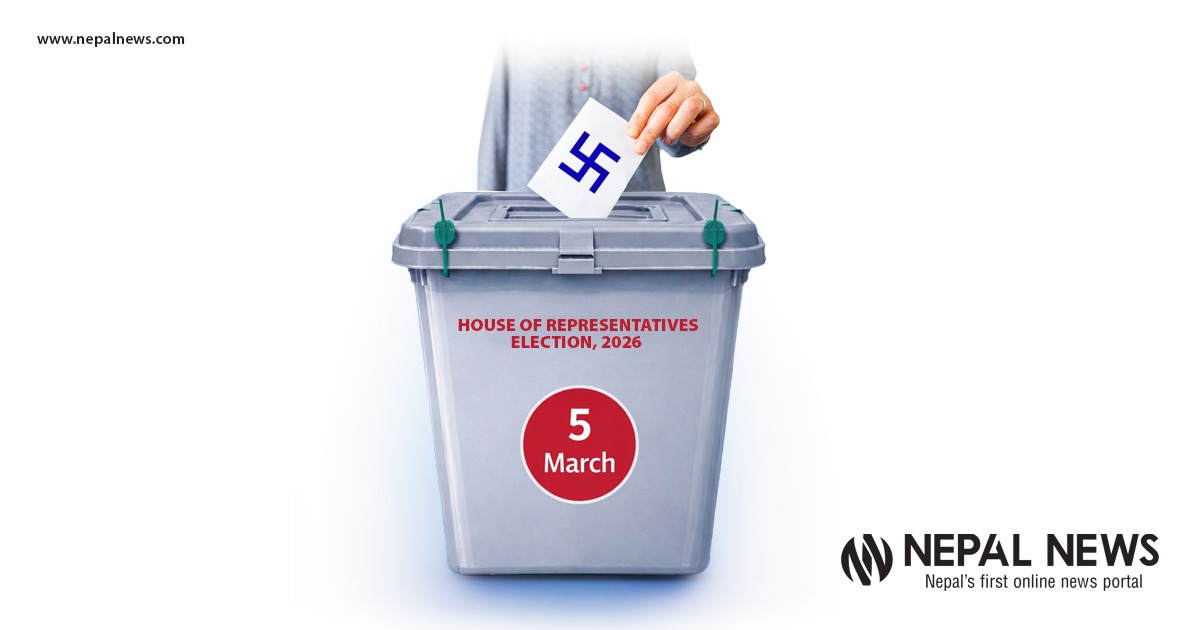
Nepal is preparing for a crucial House of Representatives election on March 5, 2026, with the Election Commission emphasizing measures to ensure transparency, safety, and inclusivity. With nearly 19 million registered voters expected to participate across over 10,000 polling stations, key protocols include limits on campaigning, traffic controls, and substance restrictions to minimize disruptions. Recent updates from the Commission highlight enhanced security, including a 72-hour border closure with neighboring countries and warnings against involving minors in political activities. Voters are advised to verify their details early and plan travel carefully due to anticipated road closures. Here’s an expanded Q&A covering essential details, drawn from official sources and recent announcements.
Who qualifies to cast a vote in this election?
Any Nepali citizen who turns 18 by March 5, 2026, is registered on the electoral roll, and is of sound mind without any disqualifications under election laws can vote. This includes about 18.9 million eligible individuals nationwide, up from previous cycles, reflecting ongoing voter registration drives.
What identification is required at the polling booth?
Bring your official voter ID card issued by the Election Commission. If unavailable, a government-issued document like a citizenship certificate, passport, or driver’s license will suffice. Officials recommend checking your ID validity in advance to avoid issues on the day.
When do polling locations operate on election day?
Stations will be open from 7:00 AM until 5:00 PM on March 5, 2026. Arrive early to account for potential queues, and remember the vehicle restrictions that could affect your commute—many voters may need to walk or use alternative arrangements.
How can I locate my assigned polling station?
Check the Election Commission’s website or app using your voter ID number, or visit your local election office. There are 10,967 polling stations with 23,112 booths set up across the country, an increase from past elections to improve access. If you’re unsure, contact the Commission hotline for assistance.
What provisions exist for voters with disabilities or special needs?
Polling sites aim to be accessible, with ramps and priority assistance where possible. However, challenges like uneven terrain persist in some areas. Voters needing help can request aids such as braille ballots or companion support—inform your local election officer ahead of time. The Commission is working on better inclusivity, but practical barriers remain for some groups.
Can I vote if I’m not in my registered district on election day?
No, voting is restricted to your registered polling center in your home district. There’s no provision for out-of-district, absentee, or overseas voting, which may affect migrants, students, or workers abroad. If you’re deployed for election duty (like security personnel), special arrangements have been made to cast a vote under proportional representation (PR) system from the voting station of your deployment.
What’s the timeline for the alcohol restriction?
The nationwide ban on selling, distributing, or consuming alcohol began on February 26, 2026, and will last until the final results are declared. This is part of broader security efforts, with some districts like Baitadi has enforced even tighter local rules, such as no alcohol sales after 7:00 PM starting February 21.
When must campaign efforts fully cease?
All promotional activities, including rallies, ads, and outreach, end at midnight on March 2, 2026, marking the start of a 48-hour silence period to allow voters undisturbed reflection.
How do road travel limits affect getting to the polls?
Private and public vehicles are off-limits from midnight on March 4, 2026, until polling ends on March 5 evening. This creates quiet roads, so prepare by walking or coordinating with others. Exemptions cover emergencies, but plan non-motorized routes to your booth.
Which transports are allowed during the vehicle prohibition?
Critical services remain operational, including ambulances, fire services, body transport vehicles, blood supply units, security forces, utility maintenance crews (for power, water, sewers, and telecom), diplomatic cars, and any with Election Commission-issued passes.
What groups must follow the election code of conduct?
The code, effective since January 19, 2026, binds federal and provincial governments, ministers, political parties, candidates, security personnel, media, NGOs, educational institutions, voters, and even development partners. Recent reminders stress no involvement of children in campaigns, with penalties for breaches.
What are the repercussions for code violations?
Offenses lead to immediate actions under the 2017 Election Offenses and Punishment Act (Section 24) and the 2025 Election Code of Conduct (Sections 17-18). This could include fines up to Rs 100,000, vehicle seizures, or legal proceedings. District teams and the Home Ministry are monitoring closely, with reports of swift enforcement in past cases.
Are there additional security steps for this election?
Yes, borders with India and China will be sealed for 72 hours around polling to prevent external interference. Enhanced patrols, a ban on foreign-plated vehicles during campaigns, and limits on candidate transport (only two permitted vehicles with prior approval) aim to maintain order. The Commission warns against any show of force during activities.
These guidelines draw from the latest Election Commission updates to promote a fair process. For personalized queries, visit election.gov.np or reach out to local offices—staying informed ensures your voice counts.