Kathmandu
Monday, July 27, 2026





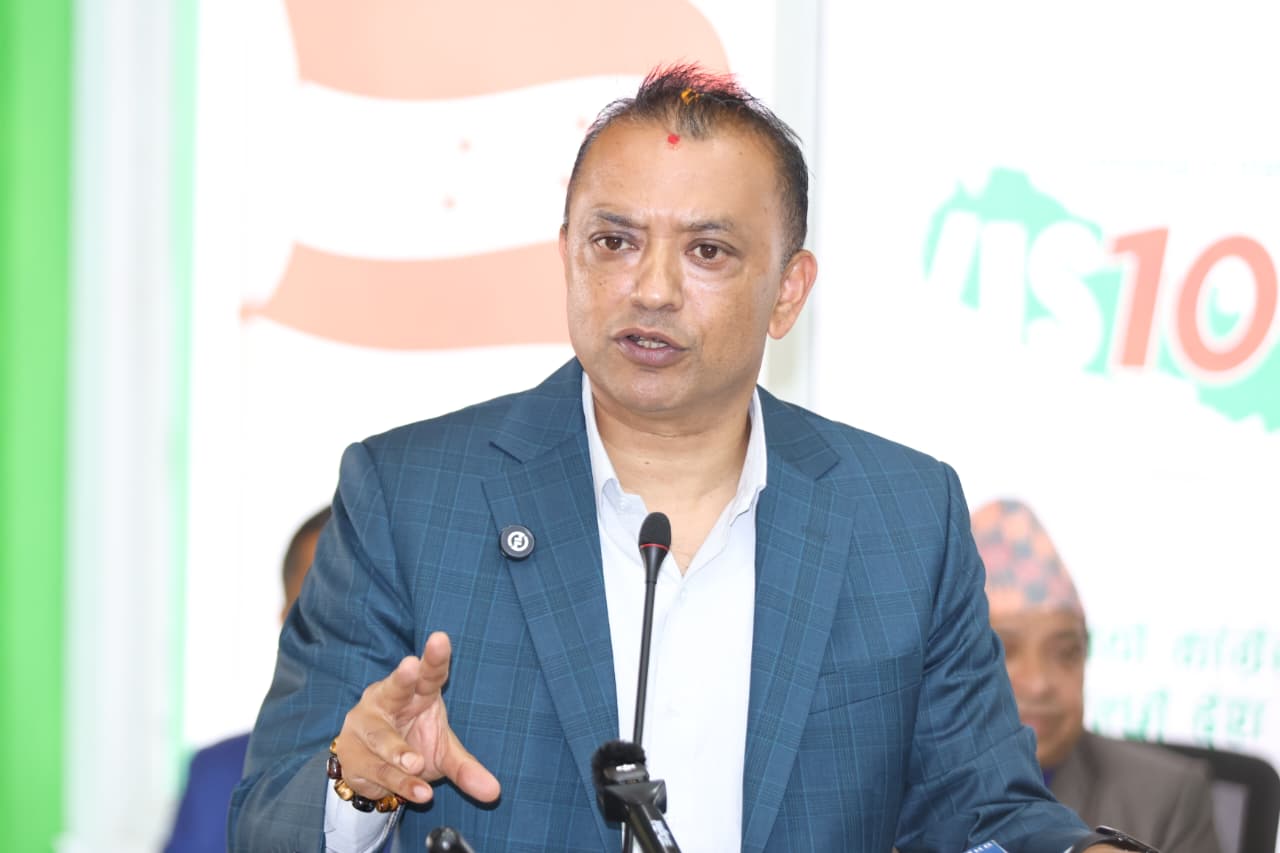
KATHMANDU: As Nepal prepares for the House of Representatives election on 5 March 2026, attention is riveted on high-profile contests. Jhapa-5 is the spotlight, where former prime minister K. P. Sharma Oli, a four-time head of government and CPN-UML chair, claims a return to power, facing former Kathmandu mayor Balen Shah, a symbol of insurgent, post-establishment politics. In Sarlahi-4, Nepali Congress projects its president, Gagan Kumar Thapa, as the next prime minister, contesting against Amresh Kumar Singh as the Rastriya Swatantra Party (RSP) positions Balen Shah for prime ministership.
The 2026 election is widely seen as a turning point. Youth engagement is unusually high, with over 80% of roughly one million new voters participating for the first time. Anti-incumbency sentiment has intensified, making outcomes unpredictable. The rise of the RSP, allied with fresh political figures like Balen Shah, adds another layer of uncertainty.
Nepal’s democratic history-from 1959 to 2022-has shown that even veteran leaders can face surprise defeats. In this environment, senior leaders, popular leaders, established politicians and former ministers alike have no guarantee of success.
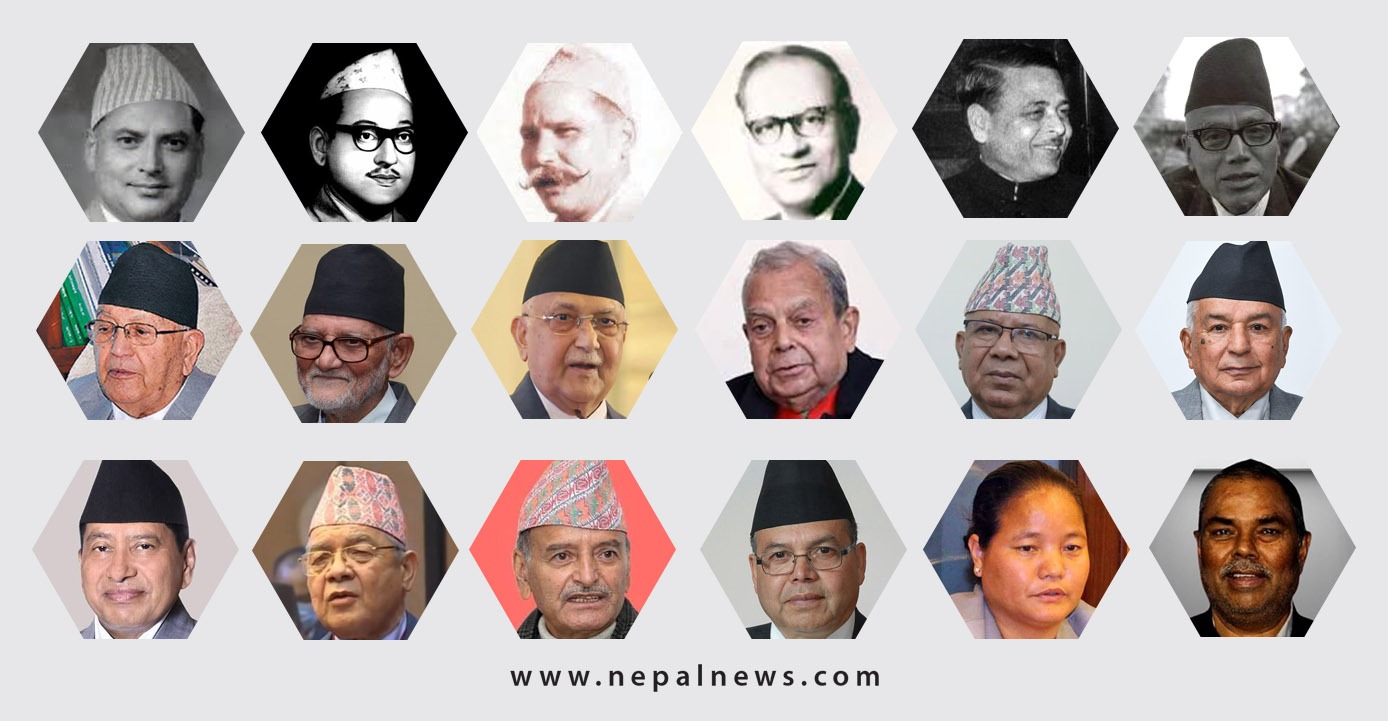
Uncertainty reigns in Nepali politics, and for good reason. In the country’s democratic journey, even the most powerful figures have seen unexpected defeats-stature offers no immunity at the ballot box. From 1959 to 2022, Nepal’s elections have delivered shock after shock, toppling veteran leaders and reshaping the political landscape. Nepal News has compiled a record of these surprises, highlighting the high-profile figures who lost House of Representatives elections against all expectations.
The first shock: Top leaders falls
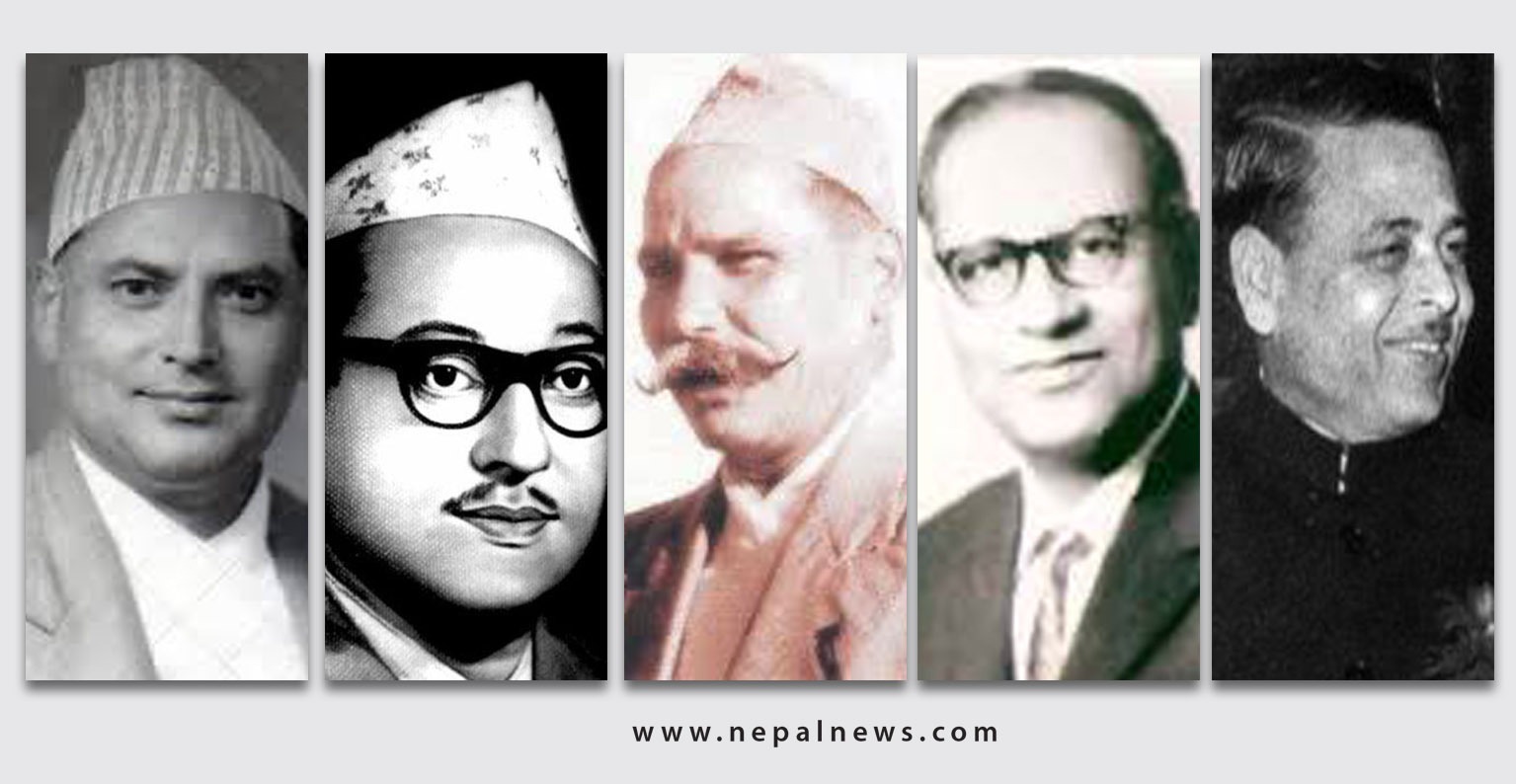
Nepal held general elections between 18 February and 3 April 1959 to elect the 109 members of its first House of Representatives under the newly minted 1959 constitution. Of roughly 8.5 million inhabitants, more than 4.25 million were eligible to vote. Turnout was modest, at 42%.
The elections marked the country’s first meaningful experiment with parliamentary rule. Previous assemblies under the Rana regime had been largely advisory, lacking both electoral legitimacy and accountability. Even after the 1951 interim legislature, which functioned mainly as a consultative body with ministers serving ex officio, Nepal had yet to experience a truly elected parliament. Only in 1959 did parliamentary practice begin in earnest.
The 1959 constitution created a bicameral legislature under King Mahendra. The Upper House comprised 36 members-half elected, half nominated by the monarch-while the Lower House consisted of 109 members chosen from constituencies across the country. The Upper House had six-year terms and could not be dissolved; the Lower House was subject to regular electoral cycles.
The outcome favored the Nepali Congress, which captured 74 of 109 seats with 38% of the vote. Most former prime ministers and senior figures were unseated. Only B. P. Koirala survived the electoral sweep to become Nepal’s first democratically elected prime minister.
As Nepal held its first parliamentary election, history was already in the making. In Kathmandu-1, communist pioneer Pushpa Lal Shrestha faced democratic stalwart Ganesh Man Singh. The symbolism was enormous- two ideological streams colliding in a young democracy. Pushpa Lal lost by roughly 3,000 votes.
The tremor extended beyond a single constituency. Former prime ministers K. I. Singh and Tanka Prasad Acharya were also defeated. Of the major party chiefs, only B. P. Koirala emerged unscathed. From the outset, Nepal’s voters made clear: prestige would not override performance.
Nine parties and 12 independents contested 109 seats in the House of Representatives, while the 36-member National Assembly was half-elected and half-appointed by the King. The Nepali Congress won 74 seats, Nepal Rastrabadi Gorkha Parisad 19, Samyukta Prajatantra Party 5, Nepal Communist Party 4, Nepal Praja Parisad (Acharya) 2, Nepal Praja Parisad (Mishra) 2, and independents 4. Dwarika Devi Thakurani became Nepal’s first female legislator.
Sitting prime minister Bhattarai bitter lessons:
Three decades later, after the restoration of multiparty democracy, the pattern repeated itself. On 12 May 1991, Nepal held general elections to fill 205 seats in the House of Representatives-the country’s first multi-party contest since 1959. The vote followed the 1990 revolution, which compelled King Birendra to restore a multi-party system.
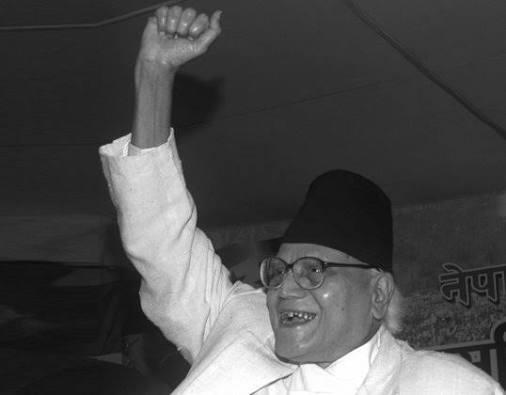
Sitting prime minister Krishna Prasad Bhattarai, affectionately known as Kisunji, contested Kathmandu-1 against UML general secretary Madan Bhandari. Bhattarai lost- by fewer than a thousand votes. Two years later, following Bhandari’s tragic death, Bhattarai returned to the battlefield in a by-election. This time his opponent was Bidya Devi Bhandari. Once again, he was defeated.
The Nepali Congress emerged as the largest party, winning 110 seats with 39.5% of the vote. Yet its leader, Krishna Prasad Bhattarai, suffered defeat in his own Kathmandu-1 constituency. The Communist Party of Nepal (UML) took 69 seats on 29.3% of the vote; its leader, Madan Kumar Bhandari, won both Kathmandu-1 and Kathmandu-5, vacating the latter. Smaller parties, including the Chanda and Thapa factions of the Rastriya Prajatantra Party, secured a handful of seats, collectively under 7% of the vote. The election underscored a paradox: a sweeping victory for one party, yet the top leadership could still be humbled at the polls.
1994 mid-term shock: UML redraws the map:
Nepal’s mid-term elections on 15 November 1994 marked a turning point in the country’s politics. Registered voters rose to 12.3 million, with turnout at 61.9%. The CPN-UML emerged as the largest party with 88 seats, narrowly ahead of the Nepali Congress on 83. Other winners included the Rastriya Prajatantra Party with 20 seats, the Nepali Labourers & Peasants Party 4, the Nepal Sadbhawana Party 3, and seven independents.
Several senior figures Krishna Prasad Bhattarai did not contest, Mahendra Narayan Nidhi skipped, while veterans Congress leaders including Rambabu Prasai defeated.
The Kathmandu Valley underscored the UML’s rise: it captured all seven Valley seats and, with support from a small Communist faction, eventually took all 13. Of 86 female candidates nationwide, six were elected.
1999 Elections: Nepali Congress triumphs, splintered giants toppled
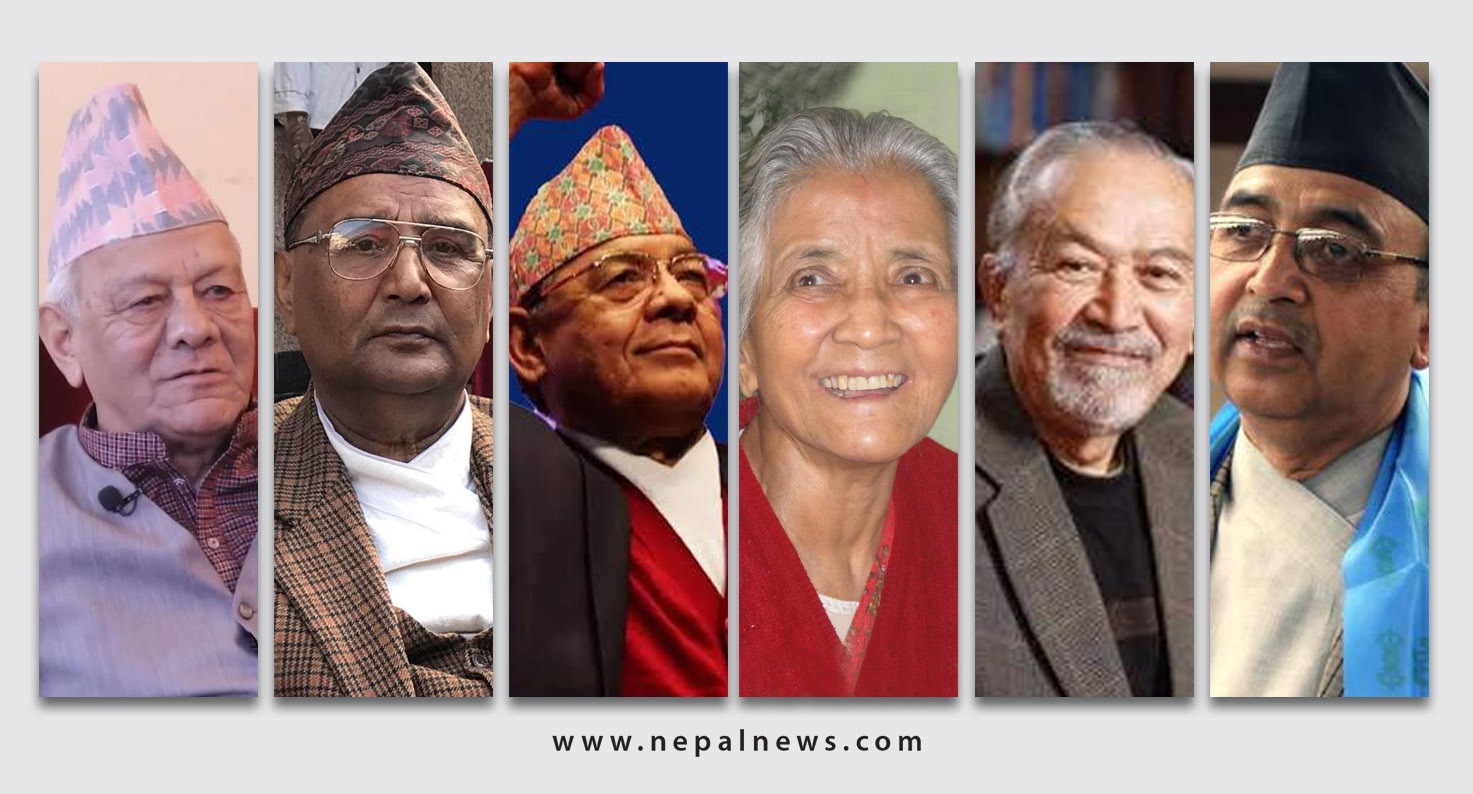
Nepal’s general elections on 3 and 17 May 1999 delivered both expected results and shocking upsets. The Nepali Congress emerged as the largest party with 111 seats, while the CPN-UML won 71, losing 17 seats compared with its previous strength. The Rastriya Prajatantra Party fell back to 11 seats and the remaining seats went to smaller parties. Splinter groups such as the CPN-ML and RPP (Chand) failed to win a single seat.
The elections, held in two phases, were initially marked by logistical challenges and speculation of manipulation, with polls in Kathmandu, Palpa, and Siraha postponed due to candidate deaths. Voter turnout reached 65.8%, roughly matching 1994, defying predictions of low participation.
The results delivered a wave of high-profile defeats. Veteran communist leaders including Sahana Pradhan, Padma Ratna Tuladhar, Chandra Prakash Mainali, Bam Dev Gautam, and Radha Krishna Mainali were swept aside. RPP (Chand) president Lokendra Bahadur Chand and other senior figures lost their constituencies. Even small splinter groups suffered complete voter rejection, punished for fragmenting their parent parties.
The Kathmandu Valley highlighted the impact of party splits. Many NC victories in 42 constituencies depended entirely on divisions between UML and CPN-ML. Had the UML remained united, it might have surpassed the NC both in votes and mandates. New faces entered parliament, replacing corrupt or unpopular incumbents, signaling voter demand for accountability. Minor parties, such as the NSP, NMKP, and the Maoist-aligned RJMN, made modest gains but remained on the periphery.
Surprising defeat for senior leaders in CA elections:
On 10 April 2008, Nepal held Constituent Assembly elections after multiple delays. The Assembly was tasked with drafting a new constitution and deciding, among other things, the structure of federalism. Around 17.5 million voters were eligible, and the Assembly was intended to serve a two-year term.
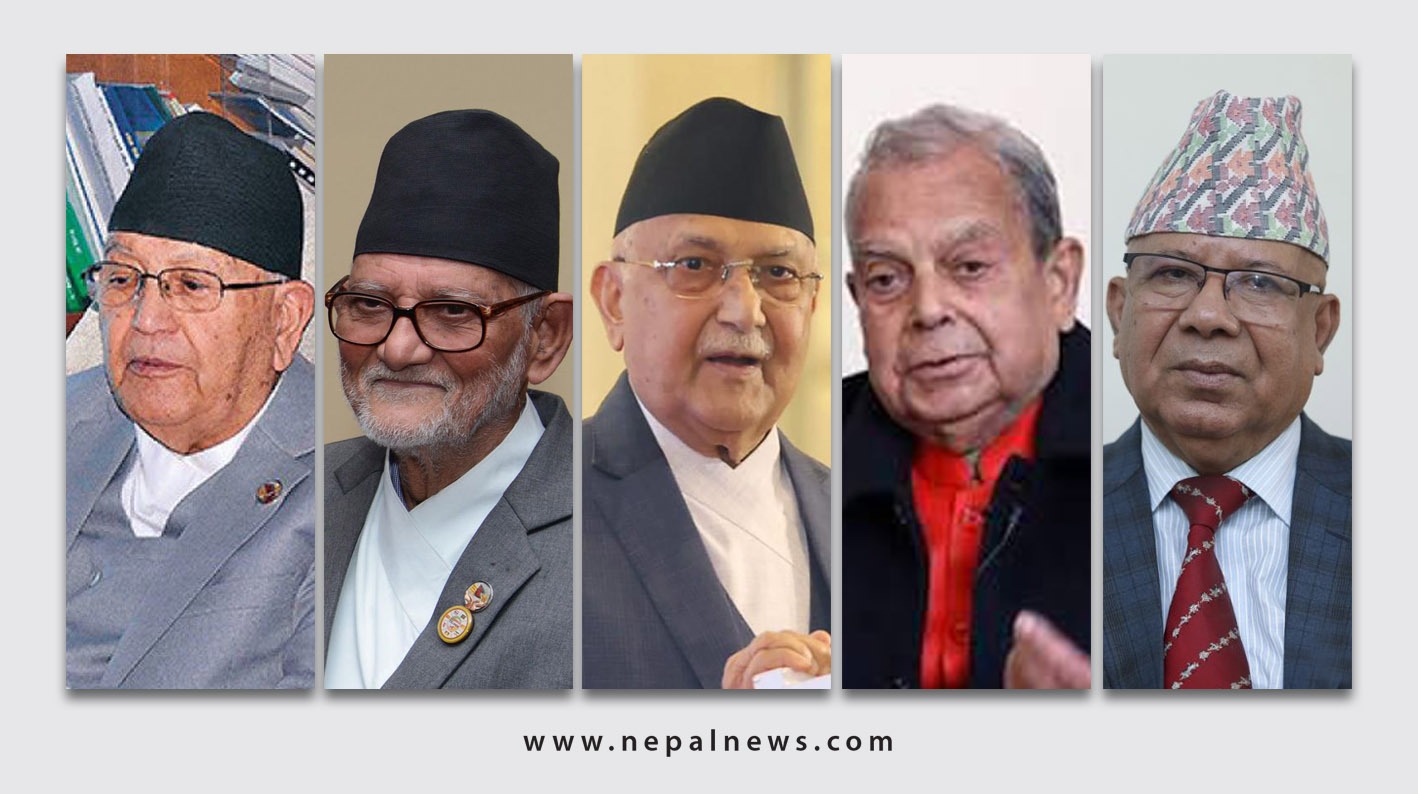
The results were a shock. Many senior leaders of the Nepali Congress and Communist Party of Nepal (UML) lost to unknown figures. The Communist Party of Nepal (Maoist) emerged as the largest party, winning 220 of 575 elected seats. Its chairman, Pushpa Kamal Dahal, became prime minister. The Nepali Congress and UML followed with 110 and 103 seats, respectively, highlighting a dramatic realignment in Nepal’s political landscape.
In 2008, as Nepal voted for a Constituent Assembly after a decade-long conflict, the political tide turned sharply. UML leader Madhav Kumar Nepal contested from two constituencies — Kathmandu-2 and Rautahat-1. He lost both. Yet politics has its ironies. Entering the Assembly through nomination, he would become prime minister within a year.
The 2008 election unsettled the old order. Former prime minister Surya Bahadur Thapa was pushed to fourth place in his home district. Pashupati Shumsher Rana fell in Sindhupalchok. Congress vice-president Sushil Koirala was defeated in Banke. K. P. Sharma Oli lost in Jhapa to many senior leaders surprisingly lost the elections. Senior Madeshi leader at that time Mahanta Thakur was unseated amid the churn of Madhes-based politics.
Prachanda’s surprise setback in 2013 election:
Nepal’s Constituent Assembly election on 19 November 2013 delivered a sharp rebuke to the Maoists. Once dominant, they slumped to third place, far behind the two mainstream parties. The Nepali Congress emerged first with 196 of 575 elected seats (29.8% of the vote), followed by CPN-UML with 175 seats (27.6%). The Maoists managed just 80 seats on 17.8%.
Turnout reached a record 78.3%, surpassing the benchmark set in 1991. The Maoist leader, Pushpa Kamal Dahal, lost in Kathmandu constituency 10, though he scraped a win in Siraha. Crying foul, his party briefly threatened a parliamentary boycott, alleging rigging. Election Commission Nepal dismissed the claims, and the Maoists ultimately accepted the verdict.
A red surge and a stunned Congress in 2017 election:
Nepal’s general election of November-December 2017, the first under the constitution adopted in 2015, marked a decisive turn in the country’s politics. The vote, held in two phases on November 26 and December 7, elected a 275-member House of Representatives from newly redrawn constituencies, signalling a clean break from the transitional era.
The campaign was reshaped by an unexpected reunion of long-feuding communist parties. The Maoists abandoned their alliance with the Nepali Congress and joined forces with the CPN-UML, formalising a pre-election coalition that had been encouraged by their strong showing in local polls earlier that year. The move introduced a new culture of electoral alliances in Nepal.
The left alliance prevailed. UML emerged as the largest party with 121 seats, while Congress was reduced to 63 and the Maoists to 53.
Nepal’s leftist wave rolled on, but even its architects were not immune. Amid a nationwide surge for the CPN-UML–Maoist Centre alliance, Vice-chairman Bamdev Gautam fell in Bardiya-1 and senior Maoist Narayan Kaji Shrestha lost in Gorkha-2, underscoring the scale of the political upheaval.
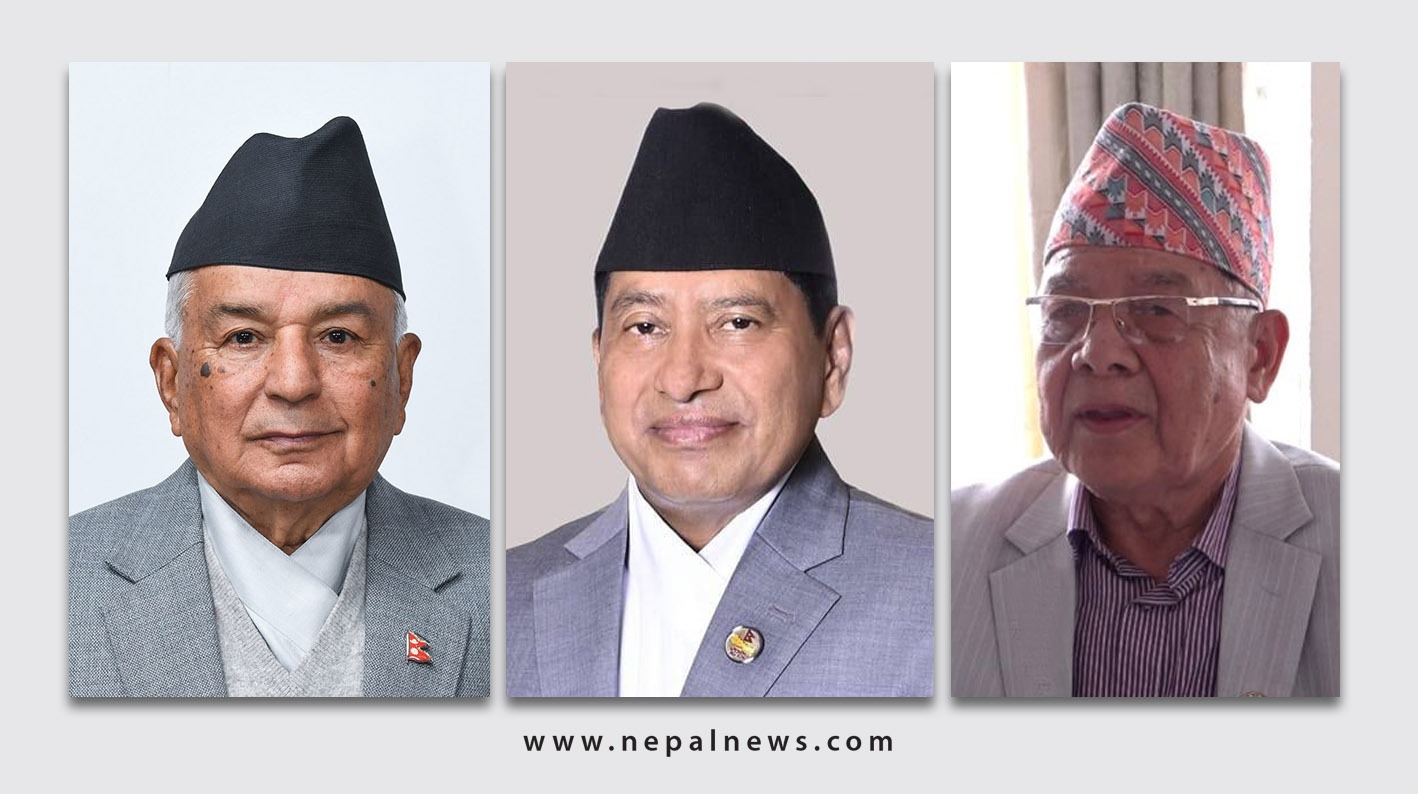
The defeat of senior Congress figure Ram Chandra Poudel underlined a central lesson of the election: in Nepal’s new federal order, experience offered no guarantee of survival.
Alongside senior leader Poudel, Nepali Congress heavyweight Krishna Sitaula figures—including Bimalendra Nidhi, Krishna Sitaula, Ram Sharan Mahat, Shekhar Koirala, Arjun Narsing KC, Prakash Sharan Mahat, Ramesh Lekhak, N. P. Saud and Nabindra Raj Joshi-were all felled by candidates of the Left Alliance, underscoring the scale of Congress’s defeat by surprise.
Upsets and realignments- Nepal’s 2022 elections defy expectations:
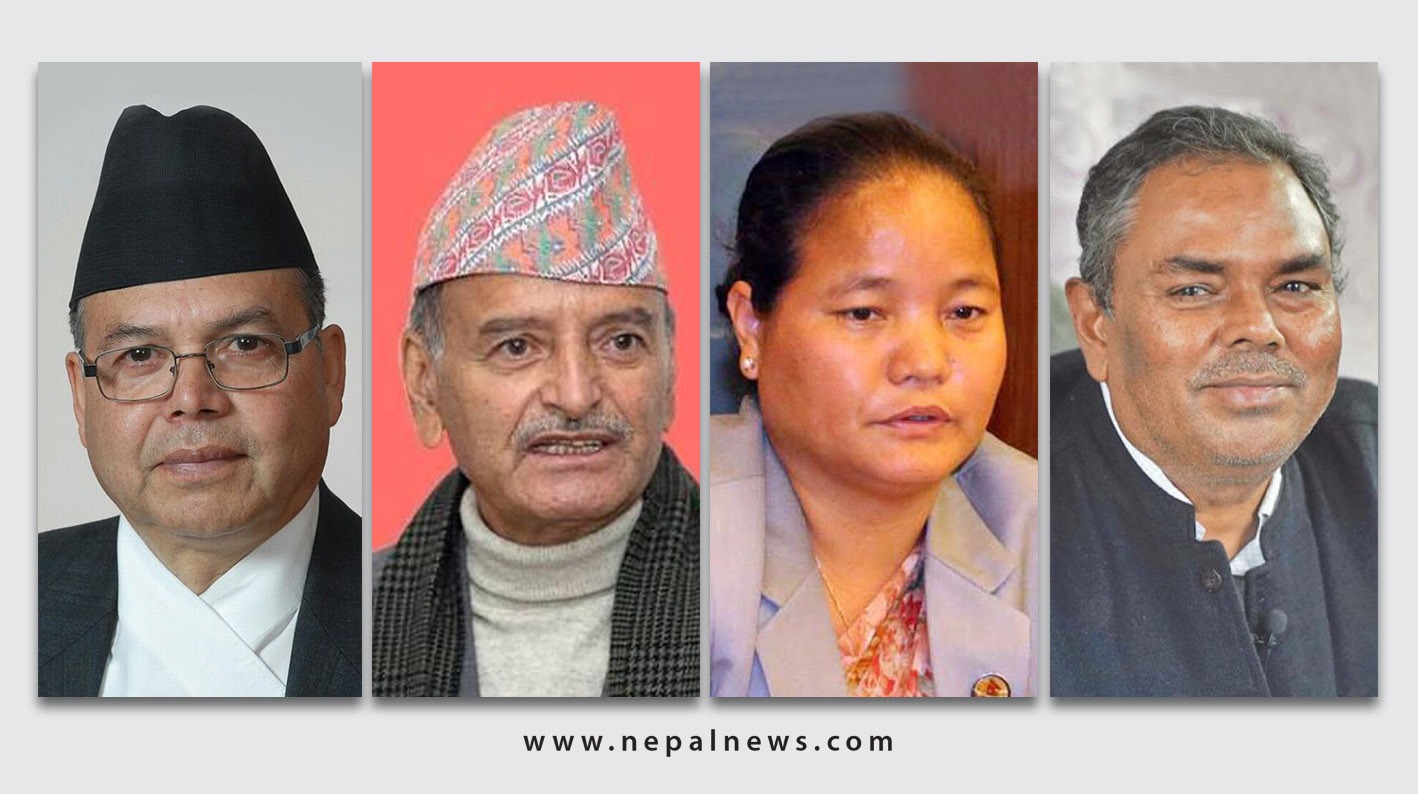
Nepal’s 2022 elections produced a string of surprises. Senior leaders across parties fell to unexpected challengers, highlighting the unpredictability of the national vote.
Held on 20 November to elect 275 members of the House of Representatives, the results defied pre-election expectations. The alliance of the Nepali Congress, Maoists, the socialists, and five smaller parties was widely expected to dominate, yet candidates from the CPN-UML prevailed in many contests, securing roughly 30% of the proportional representation vote—slightly ahead of Congress on 29%. The Rastriya Swatantra Party emerged as a dark horse, winning 20 seats and attracting urban voters in a performance few had anticipated.
Even former prime ministers, party veterans, and senior ministers were swept aside, underlining the scale of the upheaval and signalling a profound realignment in Nepal’s parliamentary landscape.
Backed by the Nepali Congress, Maoists and five smaller parties, former prime minister Jhalanath Khanal was defeated in the House of Representatives race. The senior CPN (Unified Socialist) leader lost in Ilam-1 to Mahesh Basnet of the CPN-UML, underlining the limits of broad coalitions.
Janata Samajwadi Party-Nepal chair Upendra Yadav (backed by UML) was defeated in Saptari-2 by CK Raut of Janamat Party.
Rastriya Prajatantra Party-Nepal chairman with CPN (UML) coalition backing Kamal Thapa lost in Makwanpur-1 to RPP Candidate Deepak Singh. CPN-UML vice-chairman Ishwor Pokharel fell in Kathmandu-5 to NC’s Pradip Paudel, and UML general secretary Shankar Pokhrel lost in Dang-2 to CPN-Maoist Centre’s Rekha Sharma. Maoist general secretary Dev Gurung backed by five parties coalition was toppled in Lamjung by CPN-UML’s Prithvi Subba Gurung.
Despite the backing of a five-party coalition, veteran politicians-including Krishna Sitaula, Onsari Gharti, Maheshwor Jung Gahatraj, Jeevan Ram Shrestha, Bishwo Nath Paudel, Umesh Shrestha, Bal Bahadur KC, and Sunil Thapa—were all defeated, highlighting that experience and party backing offered no protection in this election.
The 2022 House of Representatives election proved unpredictable. Popular figures-including Rabindra Mishra, and UML leaders Surendra Pandey, Pradip Gyawali, and Lekh Raj Bhatta-suffered defeats, while several lesser-known candidates scored surprising victories across various districts.