Kathmandu
Sunday, June 14, 2026





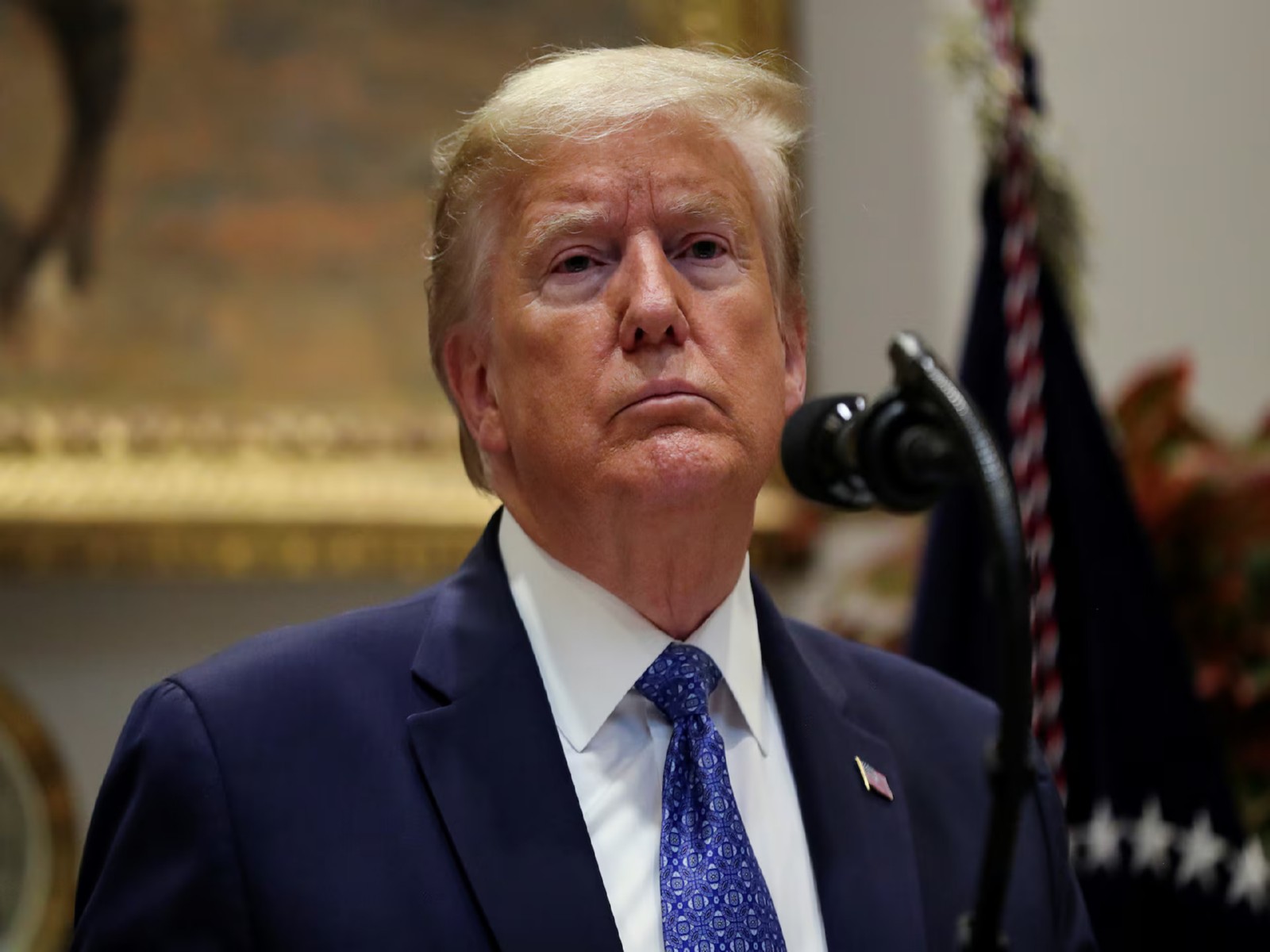
TEHRAN: US President Donald Trump announced early Saturday that U.S. forces had initiated “major combat operations” in Iran under the codename Operation Epic Fury.
In a video message posted on Truth Social, Trump described the campaign as a “massive and ongoing operation” aimed at eliminating imminent threats from the Iranian regime, destroying its ballistic missile capabilities and navy, crippling its nuclear program, and creating conditions for regime change.
He directly urged the Iranian people to “take over your government” once the operations conclude, stating it could be their “only chance for generations” to seize control with American backing.
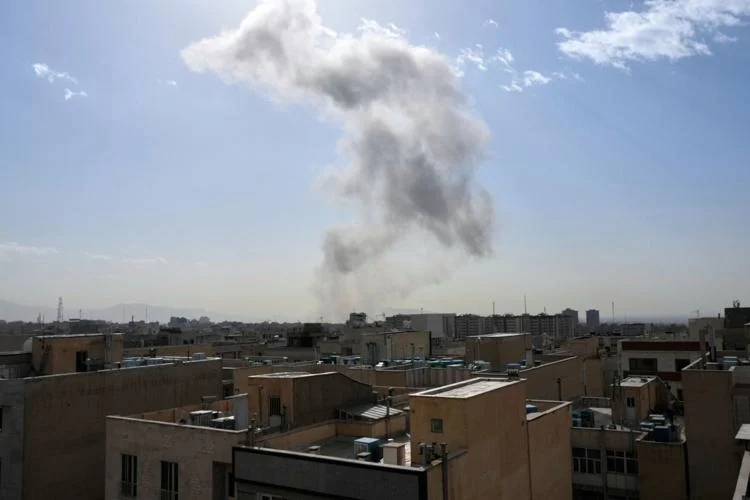
The strikes followed Israel’s pre-emptive attacks, with explosions reported in multiple Iranian cities including Tehran, Isfahan, Qom, Karaj, and Kermanshah.
Smoke rose over parts of the capital, and reports indicated targets included high-level leadership figures such as Supreme Leader Ayatollah Ali Khamenei and President Masoud Pezeshkian, though Iranian sources stated key officials had been relocated to secure sites.
Iranian state media confirmed Pezeshkian is “safe and sound,” with no immediate official casualty figures released from Tehran.
Iran’s Islamic Revolutionary Guard Corps (IRGC) responded swiftly, declaring the first large-scale wave of retaliatory ballistic missile and drone strikes targeting Israel.
Air raid sirens blared across Israel as defensive systems intercepted incoming projectiles.
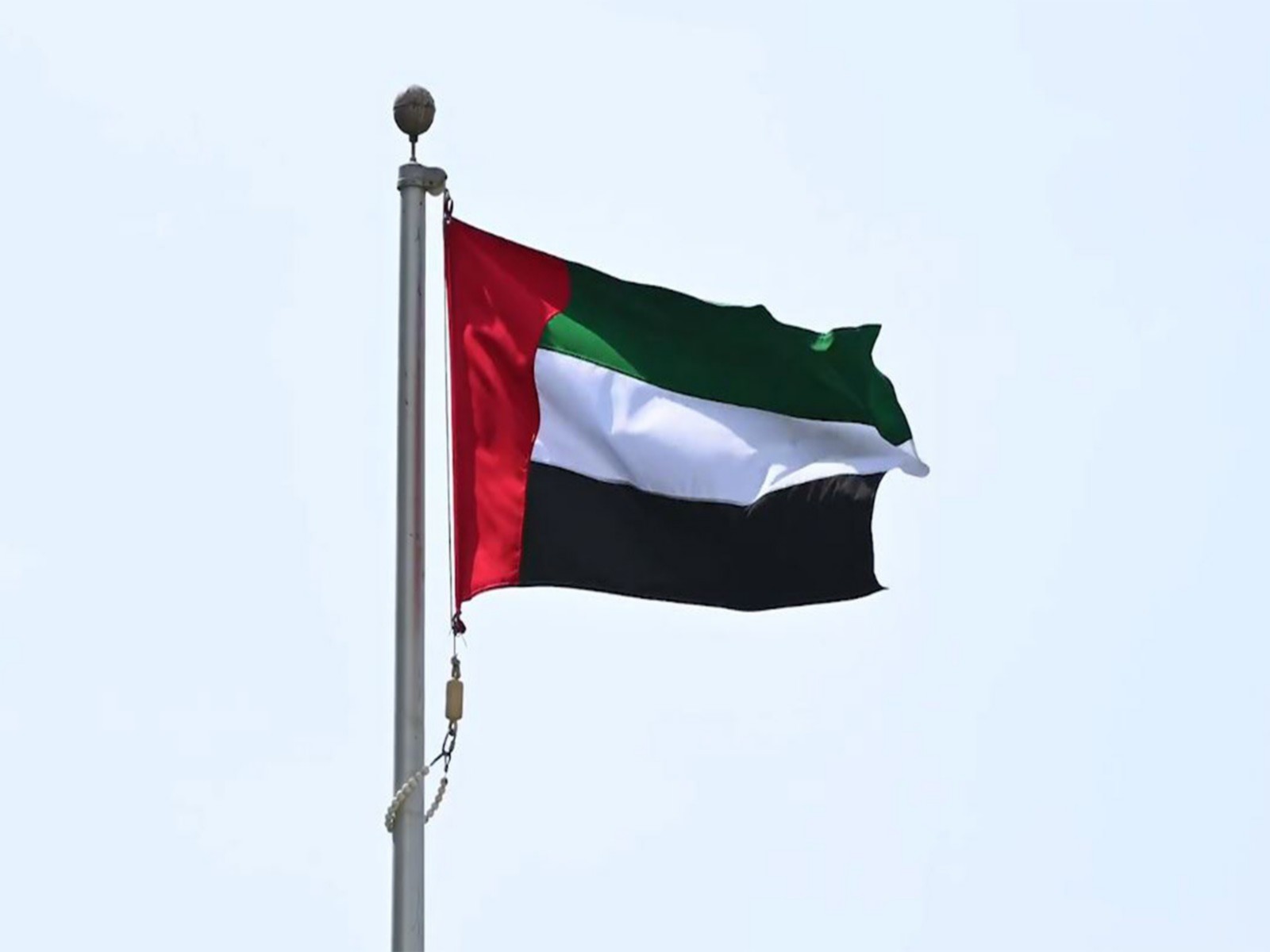
The retaliation extended to U.S. military assets in the Gulf: Bahrain reported a missile strike on the U.S. Navy’s 5th Fleet headquarters in Manama, with explosions and smoke observed near the base; Qatar confirmed intercepting a missile likely aimed at Al Udeid Air Base; and blasts were reported in Abu Dhabi and Dubai in the United Arab Emirates, along with incidents in other locations including Kuwait and potentially Jordan or Saudi Arabia.
Iranian media claimed successful hits on multiple U.S. facilities across the region.
In response to the rapid escalation, Israel, Iran, Bahrain, Qatar, the UAE, and other Gulf states closed their airspace to civilian flights, raising serious concerns about disruptions to global oil supplies, commercial aviation, and the potential for a wider regional conflict involving proxies or additional powers.
International leaders have called for restraint as the situation remains highly fluid.
Developments are continuing rapidly, with U.S. officials indicating the operations could extend over several days.
The world is closely monitoring for further Iranian responses or follow-up U.S.-Israeli actions amid heightened risks of broader escalation.