Kathmandu
Tuesday, July 28, 2026





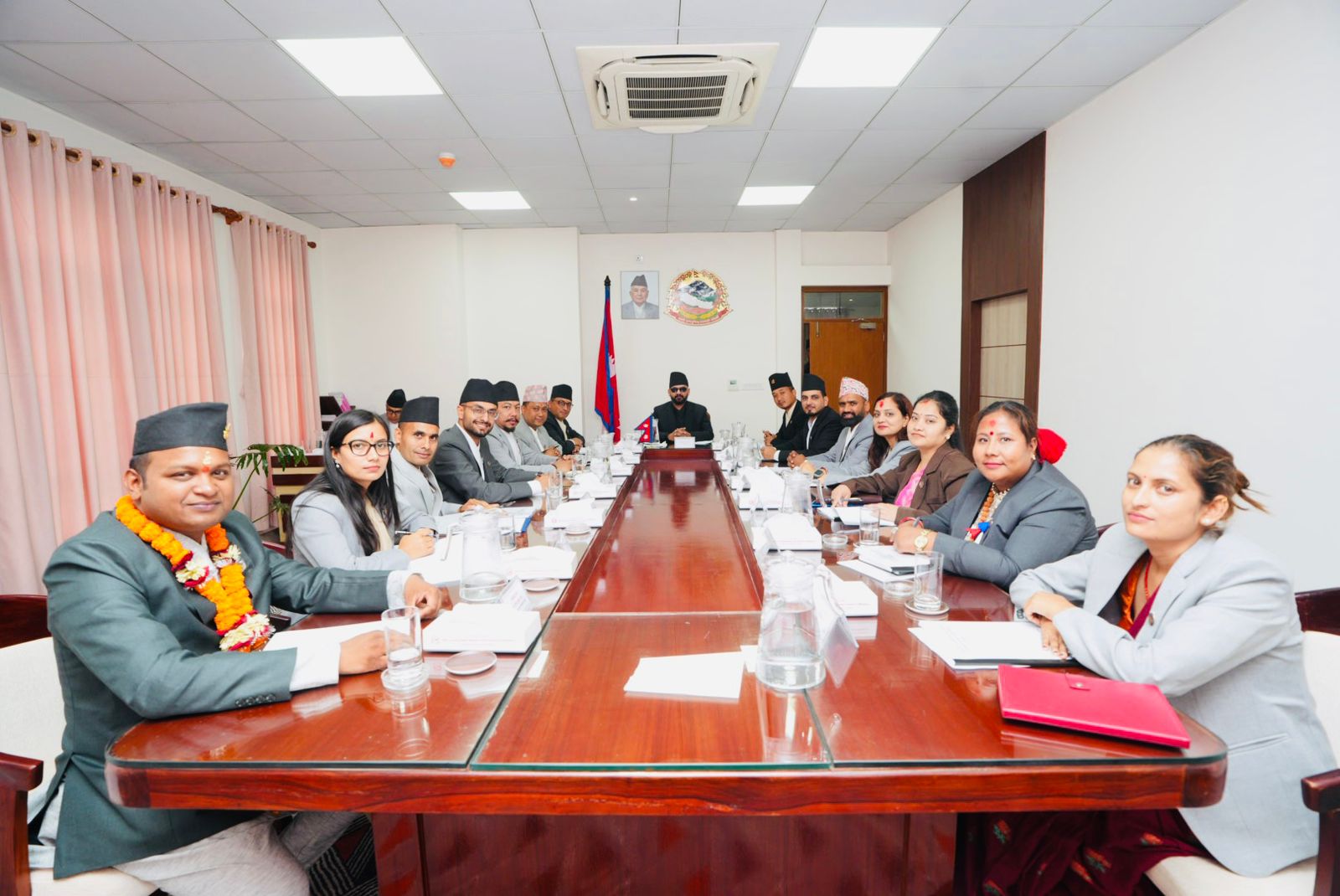
KATHMANDU: Nepal has handed power to a new generation. On Friday, Balen Shah, a senior leader of the Rastriya Swatantra Party, was appointed prime minister with an electoral mandate as sweeping as it is unprecedented. At 36, he is the youngest leader in the country’s democratic history-and the cabinet he leads is its youngest, too.
His appointment, formalised by President Ram Chandra Paudel, marks more than a routine transfer of power. It is the culmination of a political upheaval driven by youth anger, institutional fatigue and the collapse of the old guard’s credibility. The 14-member cabinet that took oath on Friday reflects that rupture: lean, technocratic and conspicuously young.
The result is a government that looks less like a traditional coalition and more like a start-up with a supermajority-brimming with ambition, short on patience and under intense pressure to deliver. What follows is a closer look at the individuals tasked with turning disruption into governance. Here are Nepal News profiles of the cabinet members you need to know.
Balen Shah
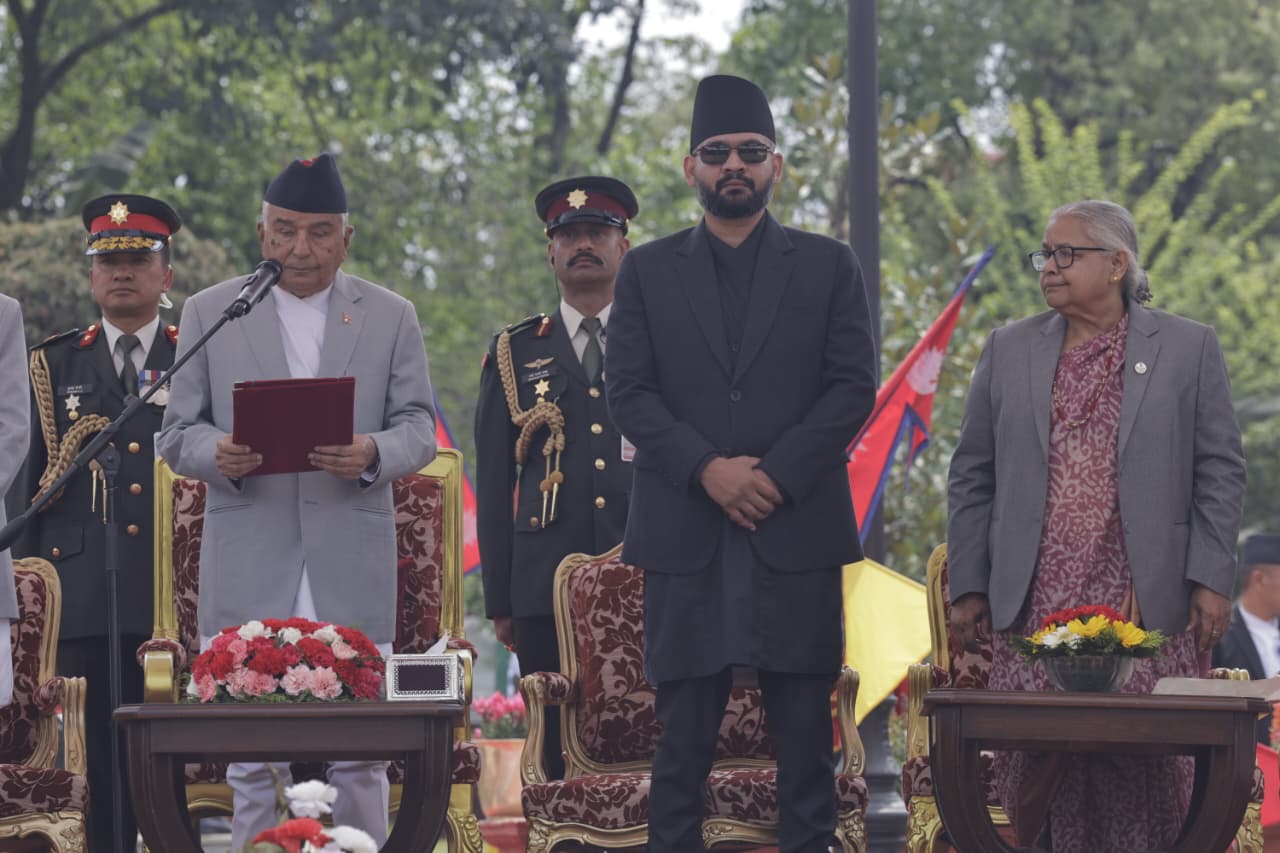
Before 2022 local elections, Balen Shah-known simply as Balen-was a niche figure beyond Kathmandu’s hip-hop circles: a structural engineer with a microphone, voicing frustration at corruption, inequality and a state that seemed permanently stalled. Today, at just 35, he stands at the apex of Nepali politics, leading the country with a commanding electoral mandate and embodying a generational rupture decades in the making.
Shah’s ascent is as unconventional as it is consequential. Born and raised in Kathmandu to a family with roots in Nepal’s southern plains, he grew up straddling two worlds: the grounded discipline of engineering and the expressive defiance of rap. His father, an ayurvedic practitioner in government service, offered him early exposure to the rhythms of public life. Yet politics, for much of his youth, remained distant. He did not even vote-until he voted for himself.
That moment came in 2022, when Shah entered the Kathmandu mayoral race as an independent outsider. With no party machinery, he built a campaign from scratch-online handles, volunteer networks and a message that cut through public fatigue: accountability, efficiency and an end to the old political order. Dressed in black and moving street to street, he became a symbol of defiance for a generation disillusioned with entrenched elites. He won decisively, defeating heavyweight candidates and unsettling Nepal’s political establishment.
As mayor, Shah governed as he campaigned-directly and often disruptively. He bypassed traditional media, speaking instead through social platforms, where late-night posts could set the agenda. He livestreamed meetings, confronted contractors on-site and led crackdowns on illegal structures and tax evasion. Supporters saw a hands-on reformer; critics accused him of inconsistency, especially when his policies-such as removing street vendors or enforcing strict urban rules-appeared at odds with the pro-poor themes of his music. Yet even his controversies amplified his appeal, reinforcing an image of a leader willing to act where others hesitated.
His political transformation accelerated during Nepal’s Gen Z uprising, a volatile moment that reshaped the national landscape. As anger over corruption and inequality spilled onto the streets, Shah aligned himself with protestors, amplifying their demands and urging mobilisation. The unrest, which turned deadly and forced the resignation of the incumbent leadership, marked a breaking point in Nepal’s post-1990 political order. Although Shah initially stepped back from executive power during the interim phase, his influence surged, positioning him as the face of a new political era.
When elections followed, Shah made his decisive move. Aligning with the Rastriya Swatantra Party-a new force just 3 years of establishment seeking to capitalise on public anger-he quickly became its central figure. Unlike traditional leaders, Shah offered neither ideology nor patronage networks. Instead, he campaigned on generational change, governance reform and a promise to dismantle systemic corruption. The message resonated. Voters delivered a landslide, granting his party near two-thirds strength in parliament-an extraordinary mandate in a country long defined by coalition fragility.
Now prime minister, Shah governs with both opportunity and challenges. His lack of political baggage frees him from the factional constraints that have historically paralysed Nepali governments. But it also leaves him navigating complex institutions without the cushion of experience. Expectations are immense: to deliver rapid reform, implement long-demanded accountability measures and stabilise an economy struggling to keep pace with public aspiration.
Beyond domestic pressures lies a delicate foreign policy landscape. Nepal’s position between India and China has always required careful balancing, and Shah’s earlier nationalist rhetoric contrasts with the pragmatic diplomacy now expected of him. Early signals from global powers suggest cautious optimism, but his leadership will be closely watched as a test of whether a new generation can redefine Nepal’s external posture without provoking instability.
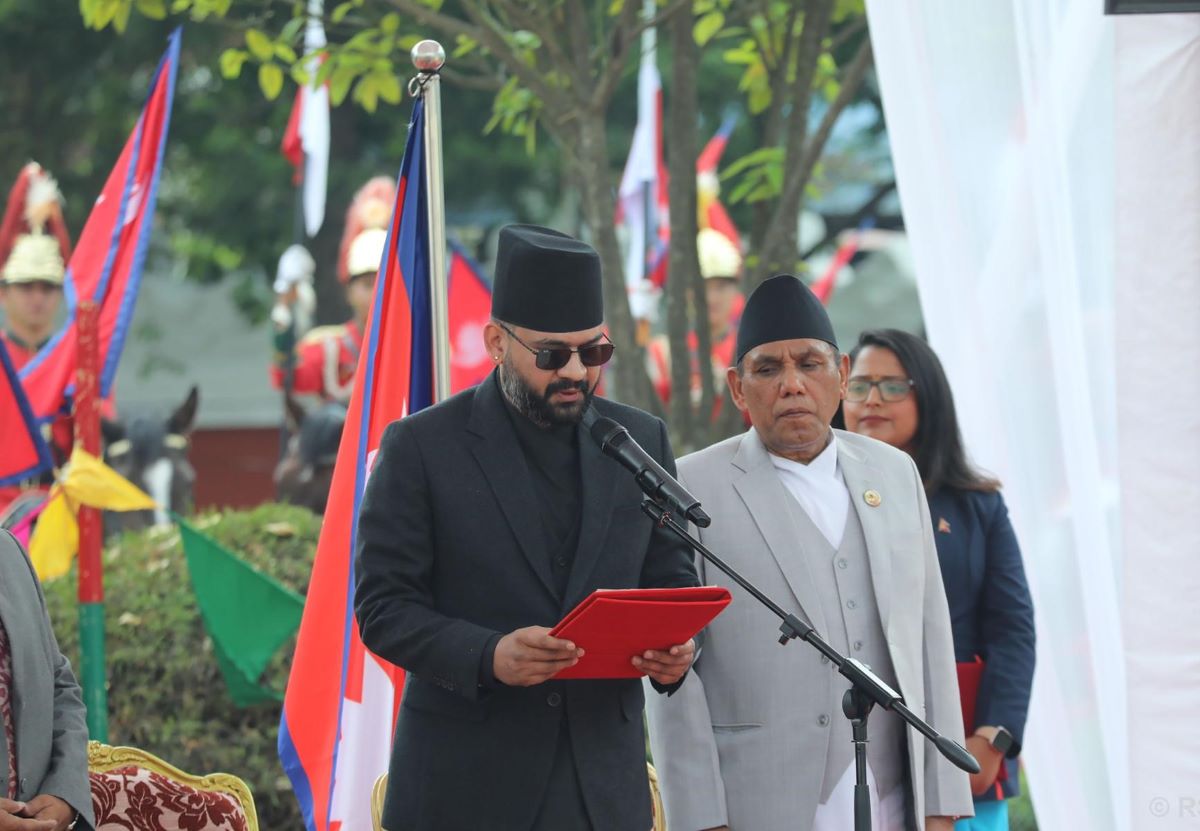
Shah’s rise reflects more than a personal journey-it signals a structural shift. In a country where over 40% of the population is under 35, his leadership narrows the gap between rulers and the ruled in ways rarely seen before. The old cycle of revolving prime ministers and entrenched minsters networks has, at least momentarily, been disrupted.
Yet the very forces that propelled Shah to power could also constrain him. The energy of youth movements is volatile; the patience of a hopeful electorate is limited. Delivering change at the scale promised will require not just speed, but institutional depth-something Nepal’s political system has historically lacked.
For now, Shah remains both symbol and test case: a leader forged outside the system, now tasked with remaking it from within. Whether he becomes a transformative reformer or another chapter in Nepal’s long history of political disappointment will depend on how he navigates the transition from insurgent to institution.
Dr. Swarnim Wagle – Finance Minister
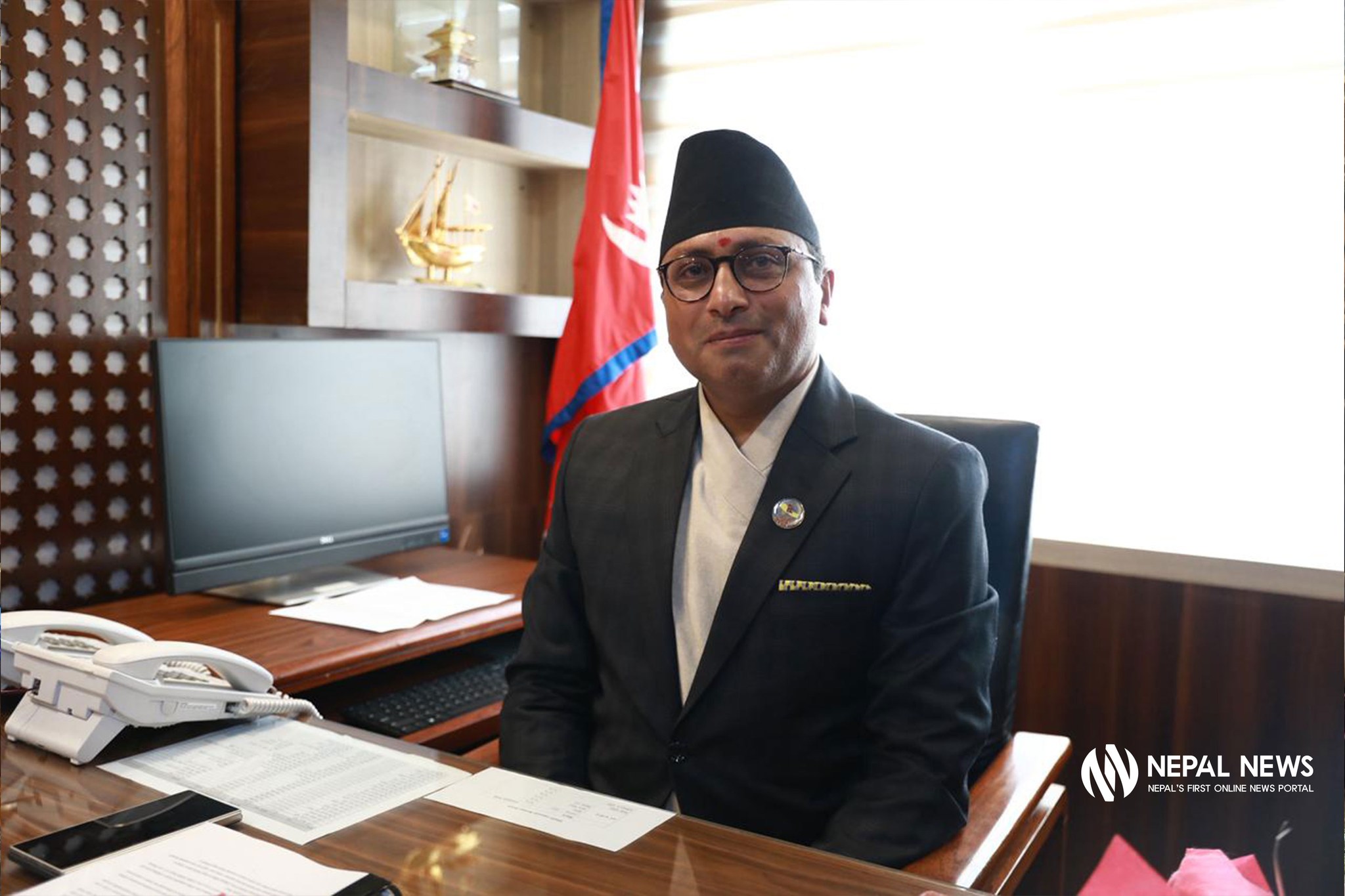
The intellectual heavyweight of the RSP, Dr. Wagle is a PhD in Economics (ANU) and a former Chief Advisor to the UNDP. Having previously served as the Vice-Chair of the National Planning Commission, Wagle is now the man tasked with a Herculean goal: doubling Nepal’s GDP to 100 Billion USD (approx. 13.3 Kharba NPR) within seven years. He is a fierce critic of the “crony-contractor nexus” and a champion for unleashing private sector capital.
Shishir Khanal – Foreign Minister
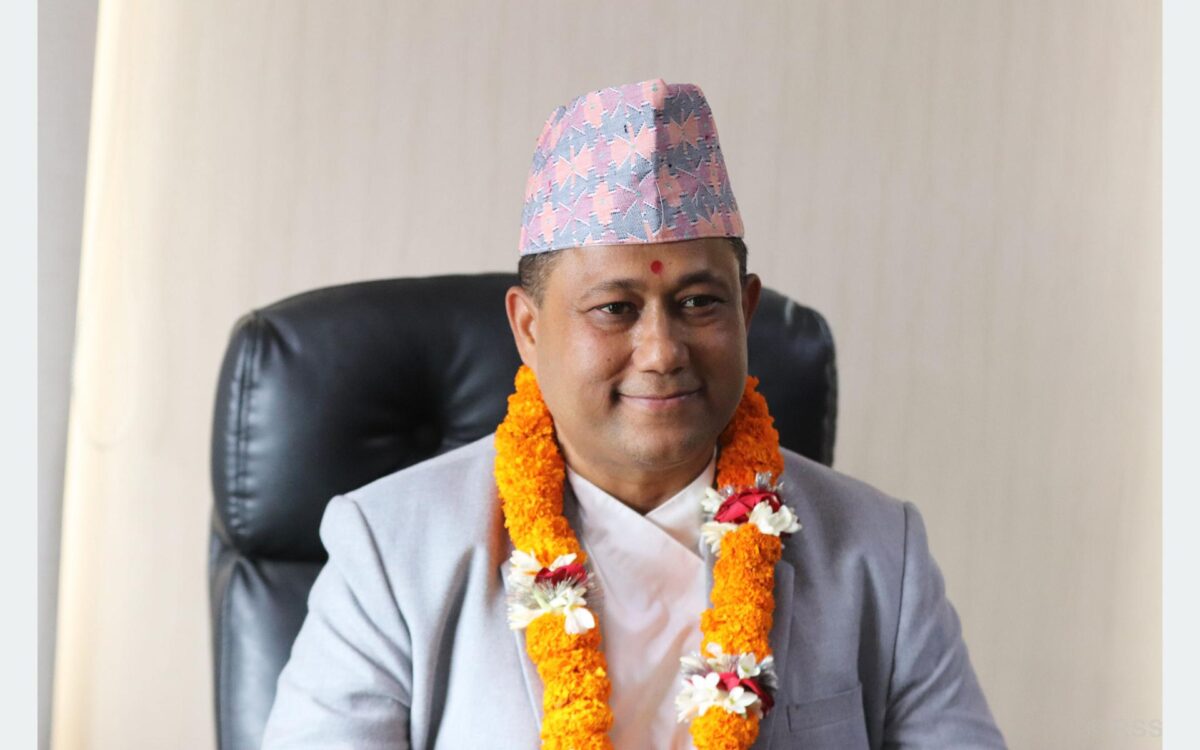
A Master’s graduate in Public Policy from the University of Wisconsin, Khanal is the founder of Teach For Nepal. After a brief stint as Education Minister, he now takes the helm of Global Affairs. With experience as a College Senator in the US and a background in grassroots educational reform, Khanal represents the “diplomacy through development” wing of Balen’s administration.
Sudhan Gurung – Home Minister

At 38, Gurung is the “heart” of the cabinet. A key coordinator during the Bhadra 23 Gen-Z Movement, he was the strategist who locked Balen and Rabi Lamichhane in a room until they agreed on a coalition. A social worker who famously provided relief during the 2015 earthquake, Gurung has vowed to refuse his ministerial salary, stating, “We are capable; there is no need to eat from the state’s plate.”
Sunil Lamsal – Physical Infrastructure & Transport Minister
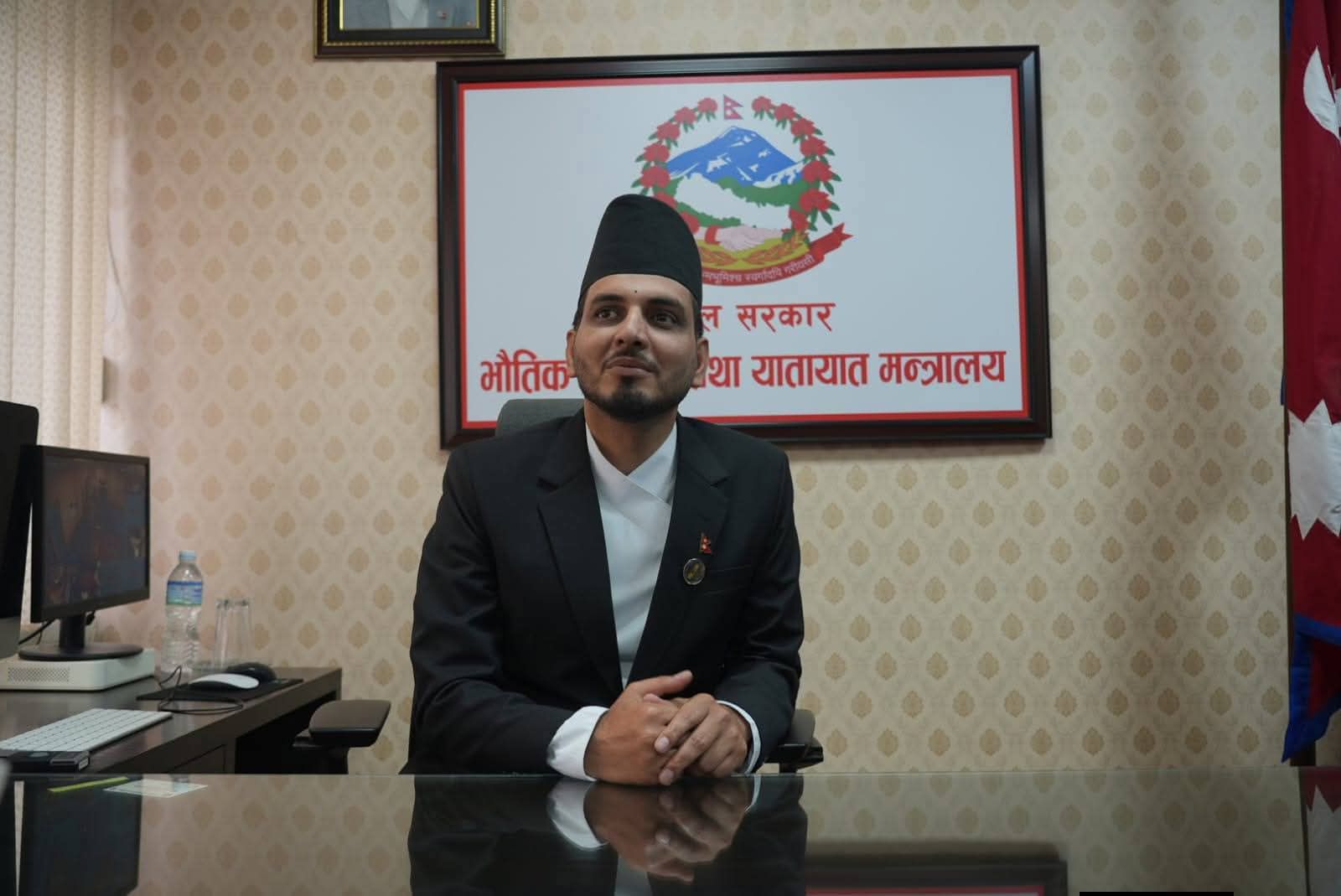
A PhD scholar in Waste Management and a close personal ally of the PM, Lamsal was the “engine” behind the Kathmandu Metropolitan City’s infrastructure cleanup. An engineer by trade, he previously worked on the Gautam Buddha and Pokhara International Airports. He now faces the task of scaling the “Kathmandu Model” of urban discipline to the entire country.
Biraj Bhakta Shrestha – Energy Minister

A veteran of the Bibeksheel movement and son-in-law of veteran leader Sharatsingh Bhandari, Shrestha brings a business-administration background to the power sector. A former Youth and Sports Minister, he is known for his deep involvement in cultural preservation and hospital management.
Sasmit Pokharel – Education, Youth & Sports Minister

Only 29, Pokharel is a giant-killer who defeated three political heavyweights in Kathmandu-5. A law graduate and former urban planning expert for Balen’s KMC team, he was the architect of the city’s scholarship reforms. His focus? A total overhaul of the public education quality.
Sita Wadi – Minister for Women, Children & Senior Citizens
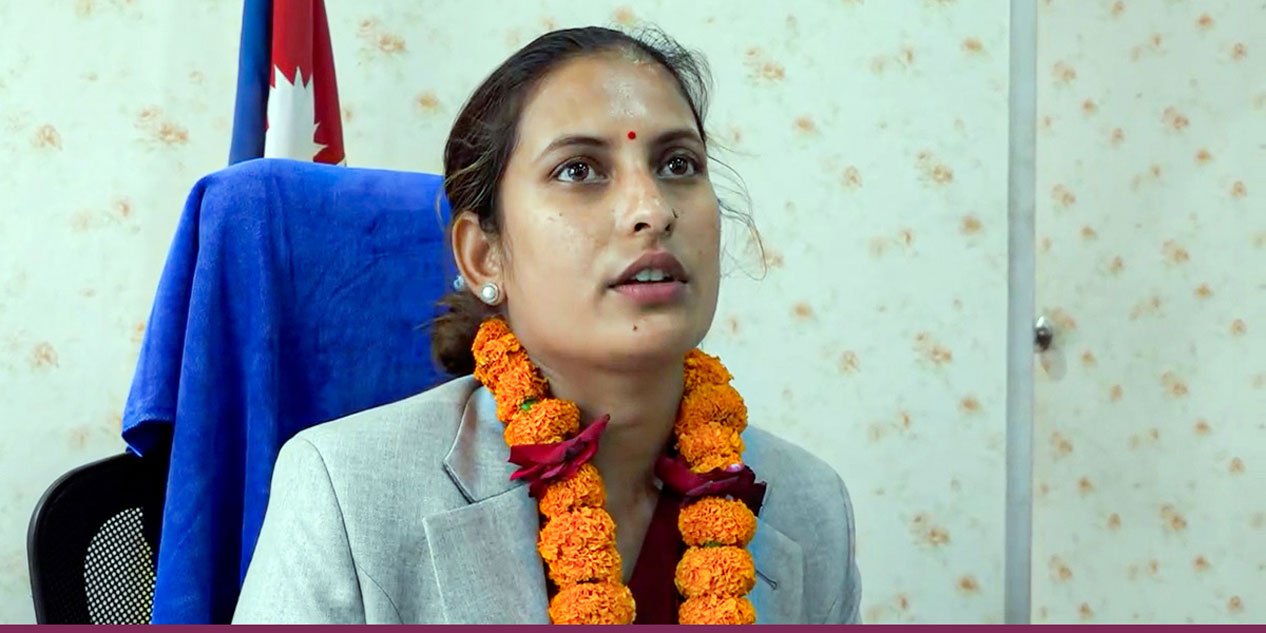
In perhaps the most poetic appointment of the cabinet, Sita Wadi—who once sieved sand for survival on the banks of the Jhupra River—now holds a ministerial portfolio. A Master’s graduate in Political Science, she is the first representative of the marginalized Wadi community to reach the executive level. “My degree wasn’t just a certificate; it was a search for my community’s existence,” she says.
Gita Chaudhary – Agriculture & Environment Minister
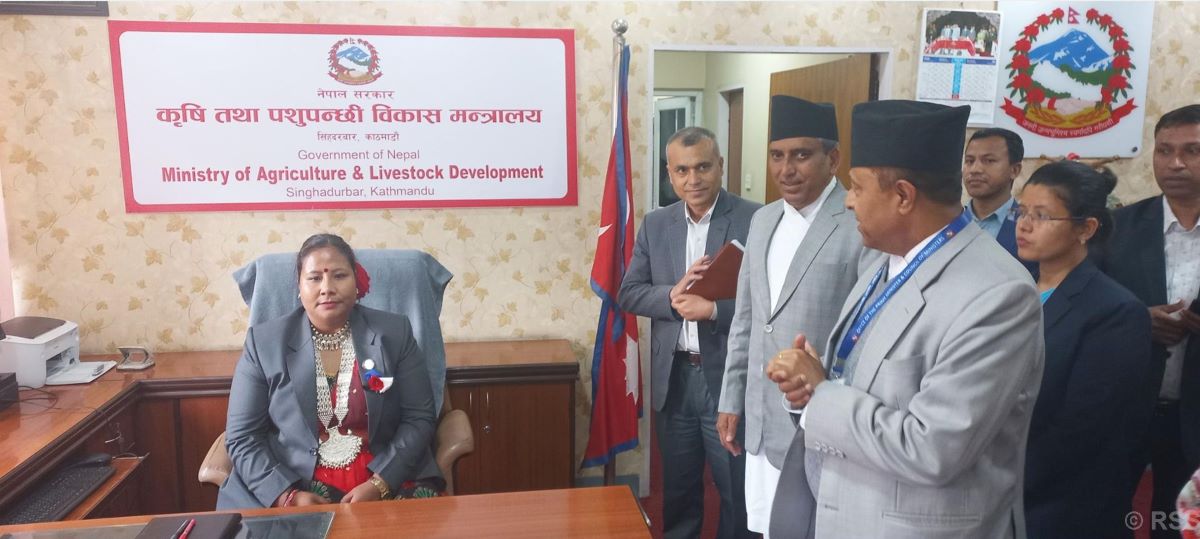
A lawyer from Kanchanpur, Chaudhary rose from a struggling Tharu family to become a pro-bono advocate for the landless. Formerly associated with the UML and Nagarik Unmukti, she joined the RSP to solve the fertilizer crisis and secure land rights for the “Sukumbasi” (landless) populations.
Sobita Gautam- Law Minister
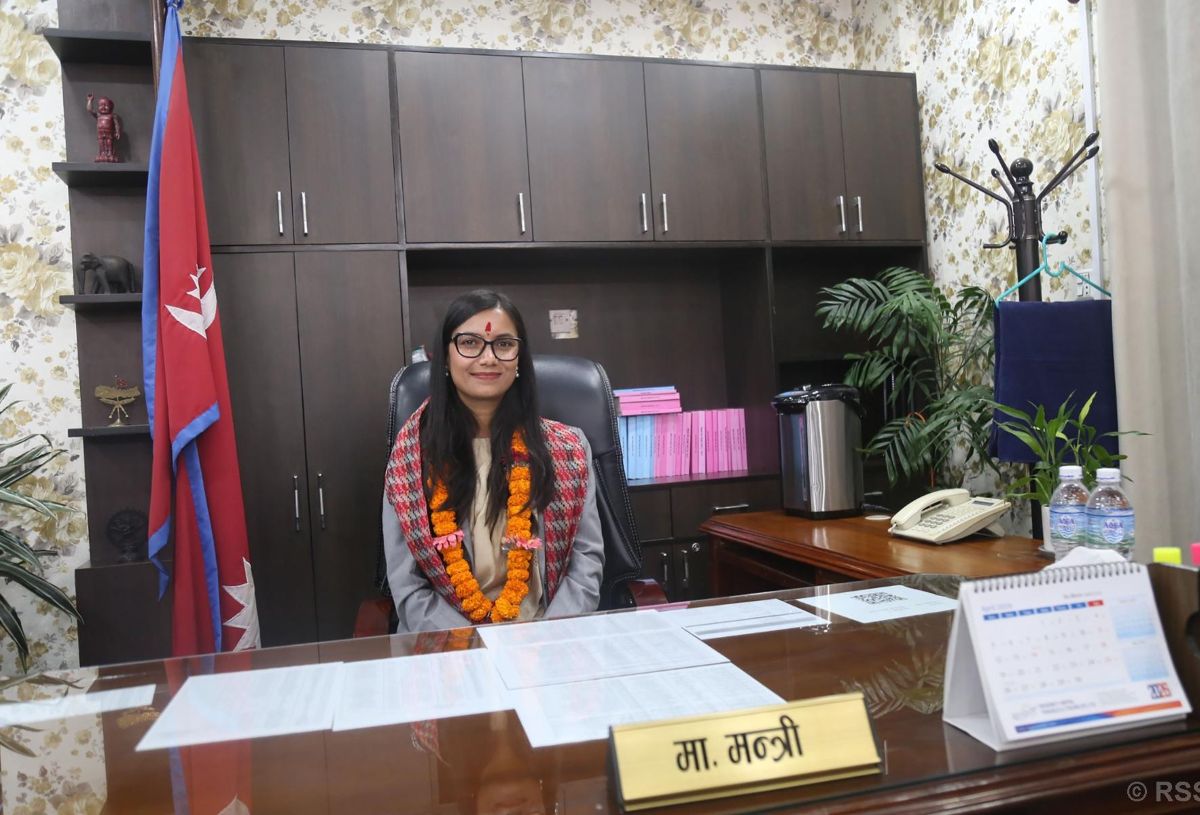
At the intersection of law, media and youth politics stands Sobita Gautam—now Nepal’s Law Minister and one of the most prominent faces of a generational shift in governance.
A lawyer by training and former health journalist, Gautam first rose to national prominence when she defeated former Bharatpur mayor Renu Dahal, signalling the arrival of a new political force. Elected as one of the youngest directly elected lawmakers to Nepal’s federal parliament, she quickly established herself as an active voice on the Law, Justice and Human Rights Committee, pushing for institutional accountability and legal reform.
Her trajectory blends activism with policy depth. Before entering politics, Gautam spent years in youth advocacy and civic engagement, including leadership roles at the Association of Youth Organizations Nepal. Her early career in media-particularly hosting a health program-helped bridge expert knowledge with public debate, shaping her reputation as a communicator who can translate complex issues into public understanding.
Within the Rastriya Swatantra Party, where she is a founding central committee member, Gautam represents a reformist core focused on integrity and citizen-centric governance. Her influence has also extended internationally: she was elected to the Health Committee of the Inter-Parliamentary Union in 2025 and was named one of One Young World’s Politicians of the Year in 2023.
Now entrusted with the law portfolio, Gautam faces a defining challenge—translating her advocacy into systemic legal reform. In a political system long criticised for inertia, her rise signals both expectation and experiment: whether a new generation can turn principle into policy, and reform into reality.
Dr. Bikram Timilsina- Communication Minister
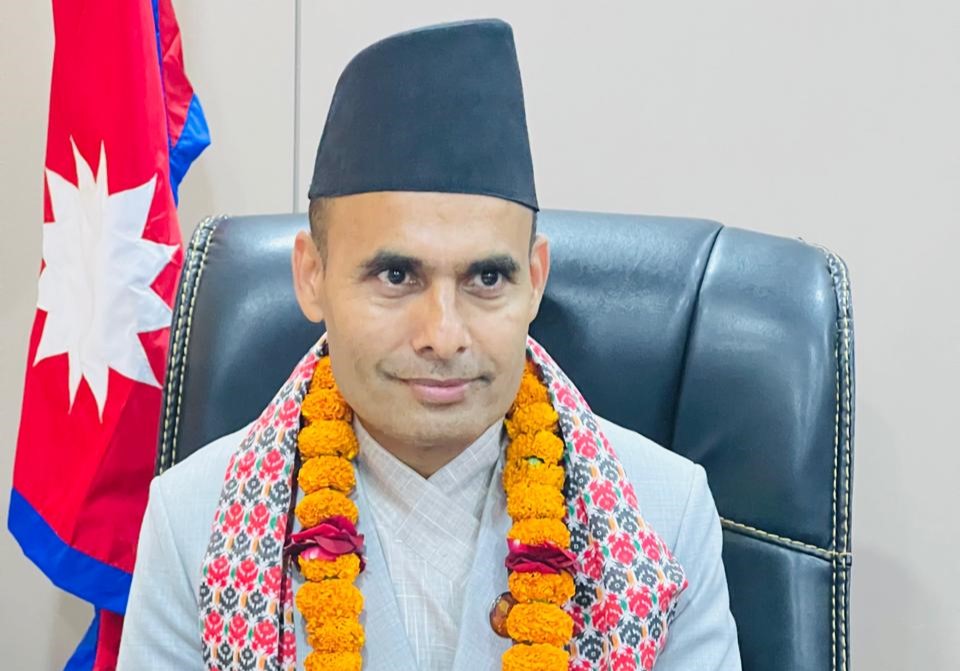
Dr. Bikram Timilsina represents Nuwakot–1 in Nepal’s House of Representatives, defeating senior Congress leader and former Finance Minister Prakash Sharan Mahat. A PhD in Politics, Geopolitics, and International Relations from Griffith University, Australia, Timilsina also holds a Master’s in International Studies from the University of Queensland and a Master’s in English from Tribhuvan University.
Before entering politics with the Rastriya Swatantra Party (RSP), he chaired the Asian Institute for Advanced Research (AIFAR) and spent over 15 years in education and media. His work spans governance reform, social inclusion, climate policy, and geopolitics, with numerous publications and international presentations.
Known for bridging research and policy, Timilsina collaborates with government institutions, civil society, and global partners to implement evidence-based solutions.
Pratibha Rawal- Federal Affairs Minister
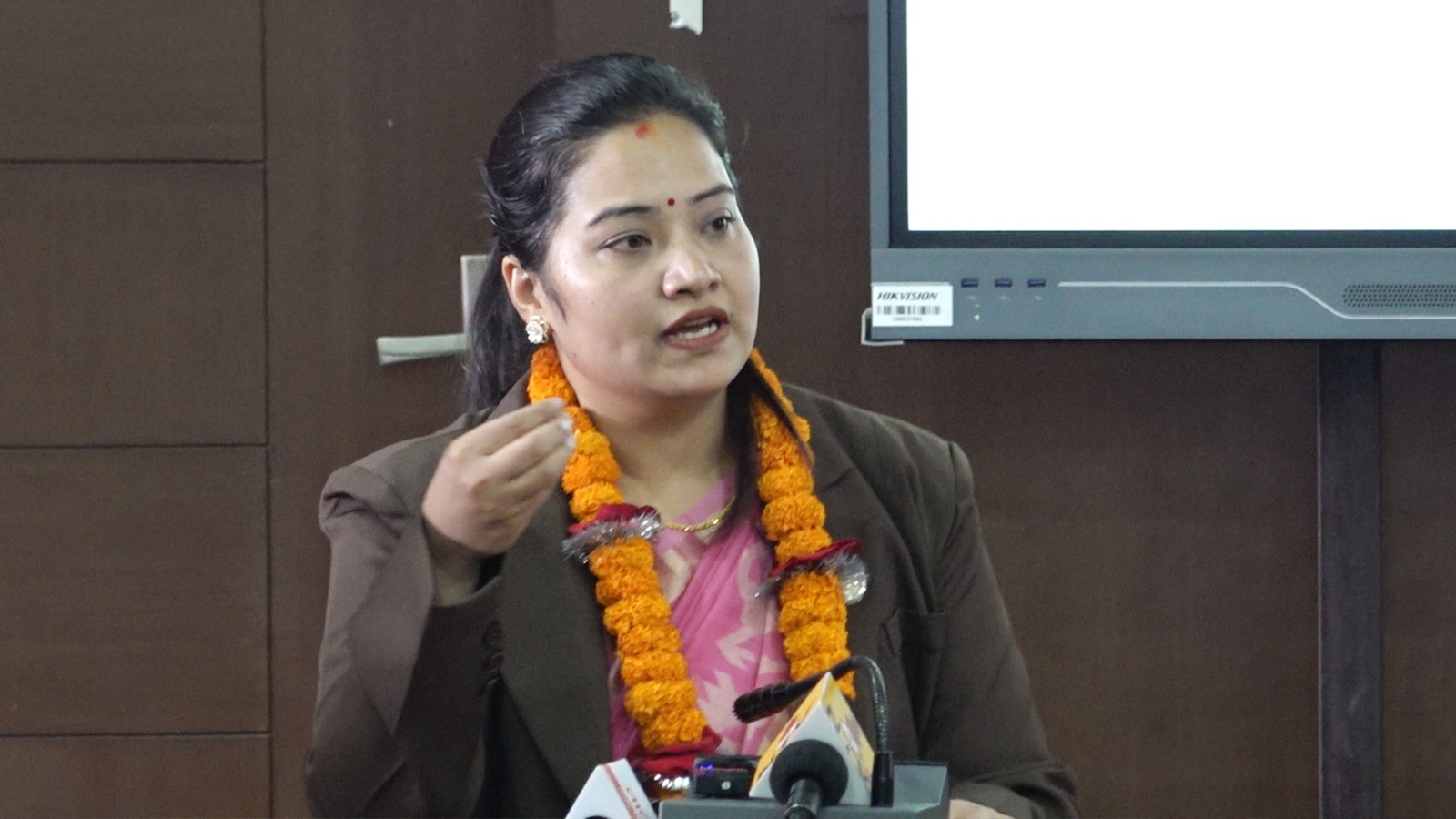
At 32, Pratibha Rawal represents a new face of Nepali politics-a journalist-turned-minister now leading the Ministry of Federal Affairs and General Administration.
Elected under the proportional representation of Rastriya Swatantra Party, Rawal built her career in newsrooms like Republica and Galaxy 4K, where her programme Lalmohar held policymakers to account. Frustrated by unfulfilled promises, she concluded that real change required stepping inside the system. Inspired by Rabi Lamichhane, she entered politics soon after the party’s formation and served as principle secretary of Lamichhane during his Home Minsiter time.
Her journey is also shaped by resilience. Raised in Kanchanpur by a single mother after losing her father at five, Rawal credits her upbringing for her determination. Now in office, she faces a defining test: turning scrutiny into reform by streamlining Nepal’s civil service- and proving that accountability can move from studio debate to state action.
Ganesh Paudel- Tourism & Culture Minister

An acclaimed author (Paitala) and English Literature graduate from Pokhara. He famously ran as an independent for Mayor using the “Walking Stick” symbol before joining the Balen-RSP wave.
Nisha Mehta-Health Minister
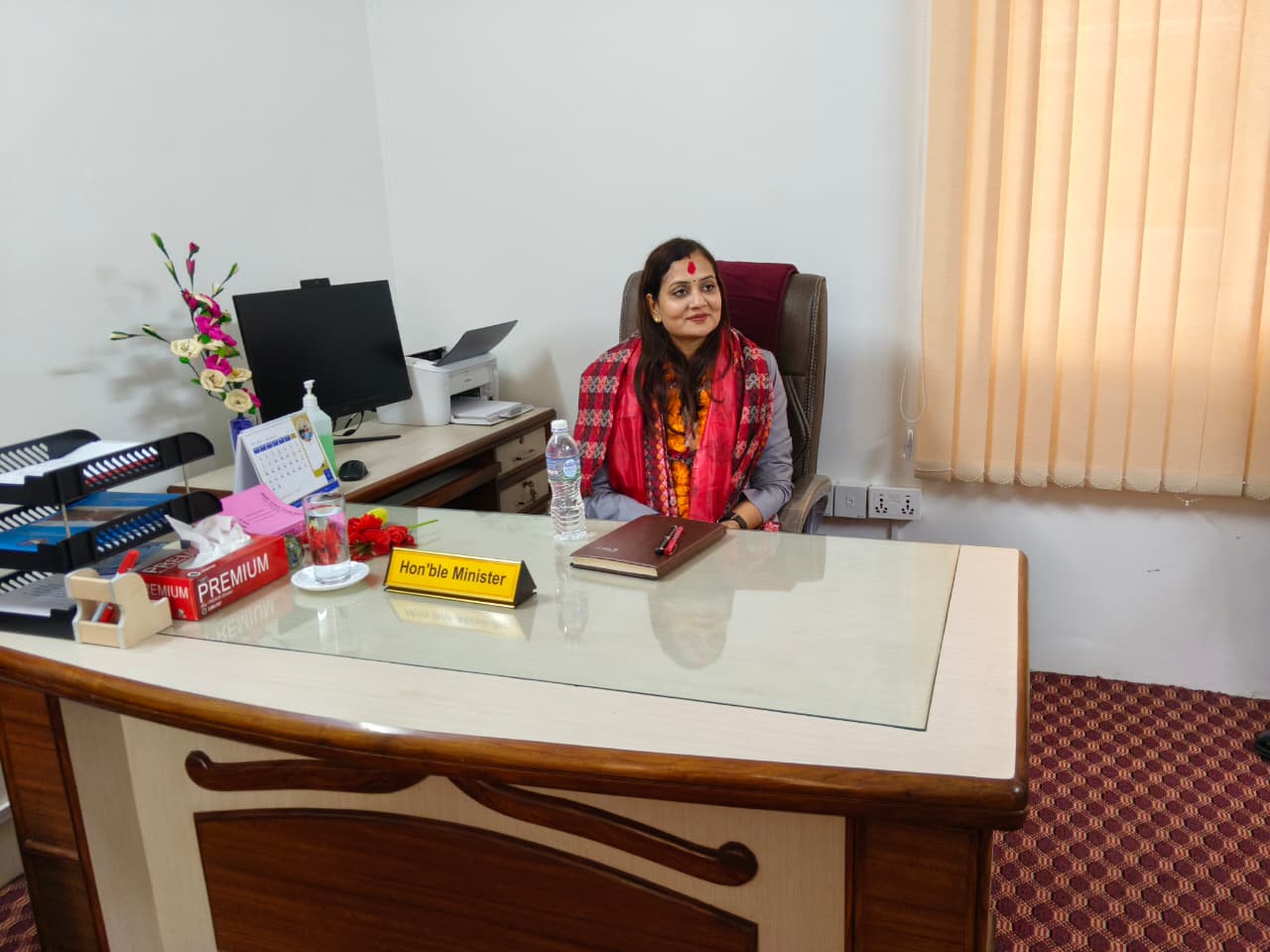
A Nursing Master’s graduate from India and former administrator at Virat Teaching Hospital. She brings a frontline clinical perspective to the Health Ministry.
Dr. Deepak Sah- Labour Minister
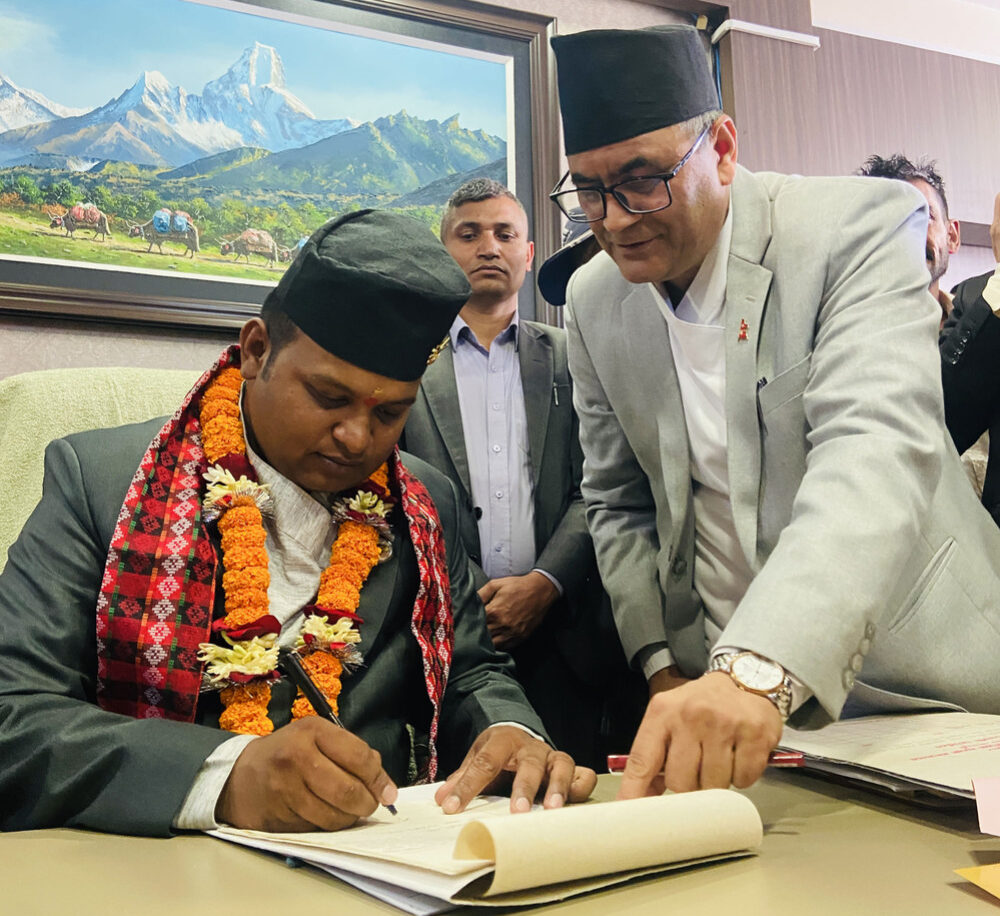
A PhD scholar (LSHTM) and Master’s graduate from the London School of Economics. An expert in health policy and law, he is now the guardian of Nepal’s migrant workforce.