Kathmandu
Tuesday, June 23, 2026





Justice Dr. Manoj Kumar Sharma’s recommendation as chief justice adds a new chapter to Nepal’s long judicial history marked by political upheavals, landmark rulings, constitutional changes, and debates over judicial independence.
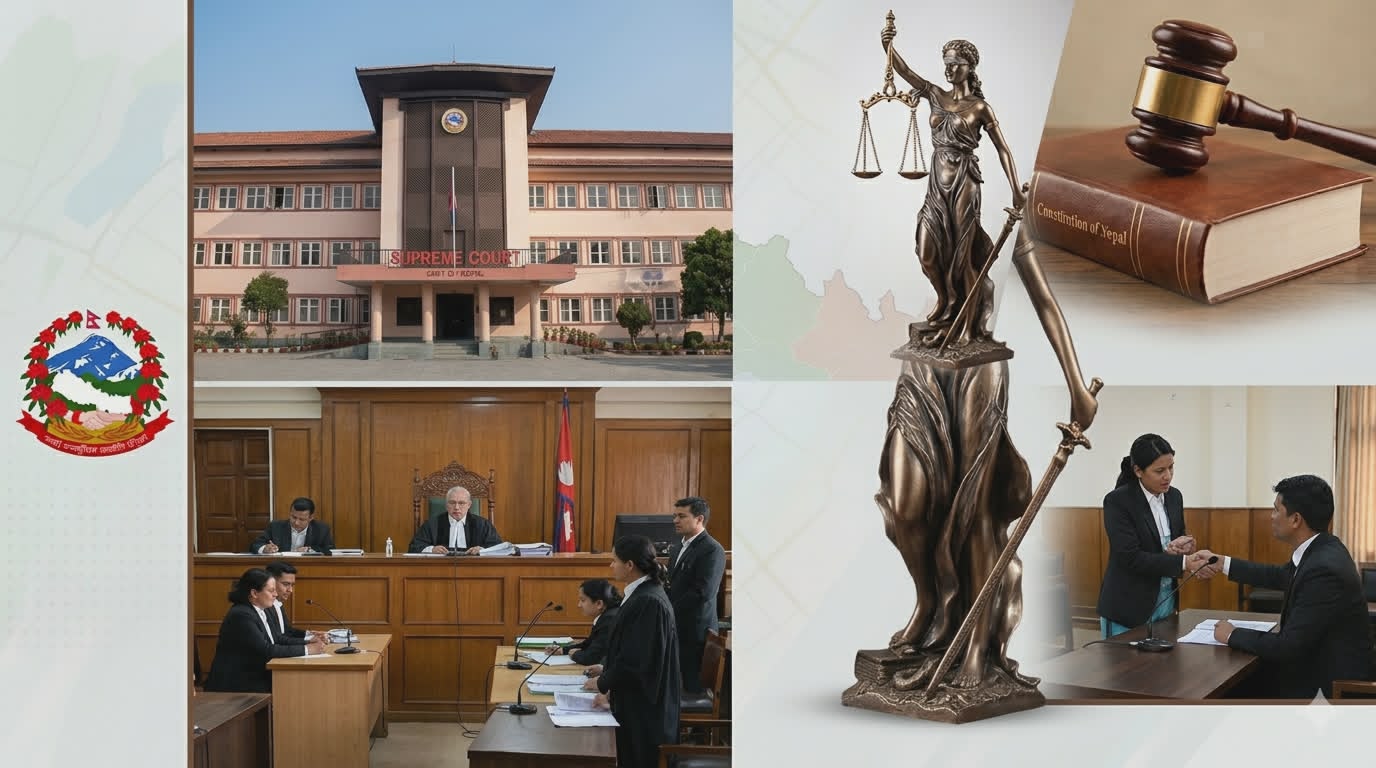
KATHMANDU: Nepal’s judiciary entered a new chapter on Thursday after the Constitutional Council recommended Justice Dr. Manoj Kumar Sharma for appointment as the country’s next chief justice. Sharma, currently fourth in the seniority order at the Supreme Court, was endorsed by the council amid continuing debates over judicial leadership, constitutional accountability, and institutional reform.
His recommendation comes at a time when Nepal’s apex court is attempting to recover from years of controversy, political pressure, and repeated institutional crises that have tested public confidence in the judiciary.
The recommendation also marks another important moment in Nepal’s long and turbulent judicial history, which formally began after the fall of the Rana regime and the creation of the post of chief justice in 1951.
Over the decades, the Supreme Court evolved from a monarch-influenced institution into a constitutionally empowered guardian of democracy, fundamental rights, and constitutional interpretation. The judiciary has witnessed dramatic political transitions — from royal rule and democratic movements to constitutional crises, impeachment battles, and landmark rulings that reshaped the country’s political and legal landscape.
In recent years, the judiciary has faced intense scrutiny over allegations of political interference, corruption, internal divisions, and instability caused by frequent leadership changes and short tenures.
The crisis surrounding former Chief Justice Cholendra Shumsher Rana, including protests by fellow justices and impeachment proceedings, marked one of the most contentious chapters in Nepal’s judicial history. Against this backdrop, Sharma’s recommendation is being viewed not merely as a routine constitutional process but as part of a broader effort to restore credibility, institutional stability, and public trust in the Supreme Court.
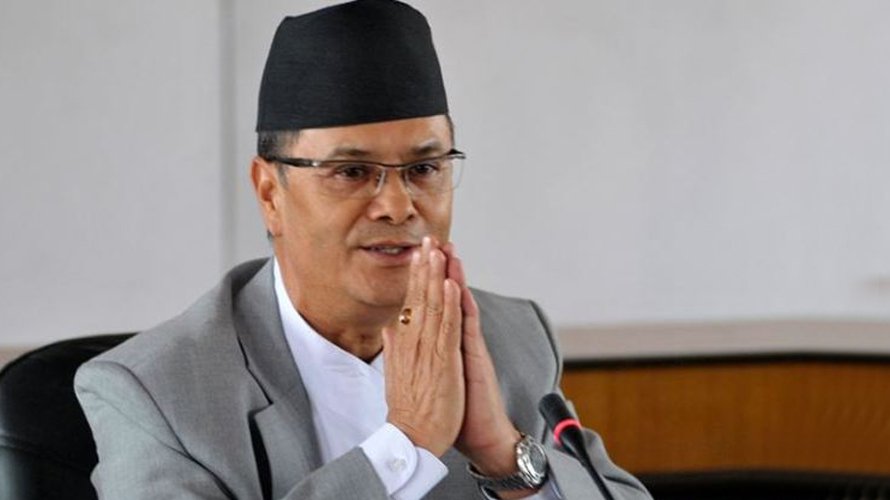
Former Chief Justice Cholendra Shumsher Rana
The following timeline traces the major milestones, controversies, reforms, and turning points that have shaped Nepal’s judiciary and the office of the chief justice over nearly two centuries.
January 6, 1854 : Jung Bahadur Rana promulgates the Muluki Ain (National Code), Nepal’s first comprehensive written legal code spanning civil, criminal, religious, and caste-based laws — the foundational document of Nepal’s legal history.
1846 : The Rana oligarchy seizes power; judicial authority is consolidated under the Prime Minister, with the Pradhan Nyayala (Chief Court) serving as the highest court but subordinate to the Prime Minister as court of last resort.
1883 : An amended and abridged version of the Muluki Ain is published, broadening codification of Nepal’s civil and criminal procedures.
1908 : Further amendments to the Muluki Ain are issued, consolidating legal norms under the continuing Rana regime.
1931 : Prime Minister Bhim Shumsher officially introduces abolition provisions for the practices of sati and slavery on a five-year trial basis within the Muluki Ain.
1940 : Judicial reforms by Prime Minister Juddha Shumsher partially separate the judiciary from the executive at lower levels; the Pradhan Nyayala remains subordinate to the Prime Minister at the higher level.
1946 : Final abolition of sati and slavery is codified through formal amendment to the Muluki Ain under Prime Minister Padma Shumsher.
February 18, 1951 : The Rana autocracy ends and democracy is restored; the Interim Government of Nepal Act, 1951 is issued with Article 32 providing for a Pradhan Nyayalaya (Apex Court).
August 10, 1951 : The position of Chief Justice of Nepal is formally created under the Interim Government of Nepal Act, 1951, marking the official foundation of the modern judiciary.
December 22, 1952 : The Pradhan Nyayalaya Act, 1952 is published in the Nepal Gazette; the Pradhan Nyayalaya (Supreme Court precursor) is formally established as Nepal’s highest judicial institution.
December 22, 1952 : Hari Prasad Pradhan is appointed as the first Chief Justice of Nepal under the Pradhan Nyayalaya, marking the beginning of an independent judiciary.
1952 : The Pradhan Nyayalaya begins functioning with a Chief Justice and up to four additional judges; it is the first court in Nepali history to stand independently from direct executive control.
1954 : King Tribhuvan enacts reforms further strengthening the Pradhan Nyayalaya as the highest and final court, directing it to revise its own decisions rather than deferring to the Crown.
March 13, 1955 : King Tribhuvan passes away; King Mahendra ascends the throne and undertakes extensive legal and judicial reforms.
May 21, 1956 : The Supreme Court Act, 1956 is enacted; the Pradhan Nyayalaya is formally renamed the Supreme Court of Nepal, and the modern apex court is officially established with one Chief Justice and four judges; the age limit for judges is set at 60 years.
May 21, 1956 : Aniruddha Prasad Singh is appointed as the second Chief Justice, becoming the first Chief Justice of the renamed Supreme Court of Nepal; his term lasts until June 29, 1959.
June 29, 1959 : Aniruddha Prasad Singh completes his tenure as Chief Justice; the court functions without a permanent Chief Justice for a period amid political transitions.
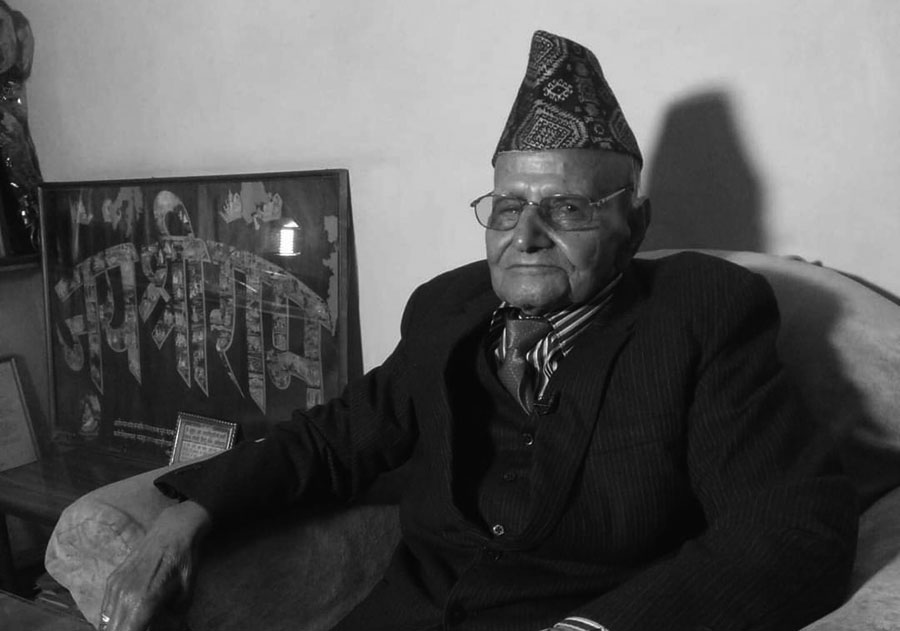
Aniruddha Prasad Singh
February 12, 1959 : The Constitution of Nepal 1959, is promulgated under King Mahendra; the Supreme Court is constitutionally recognized with expanded jurisdiction.
December 14, 1961 : Hari Prasad Pradhan returns as Chief Justice for a second term following the royal coup of December 1960 by King Mahendra, which dissolved the elected government; he serves until December 15, 1963.
December 16, 1962 : The Constitution of Nepal, 1962 (Panchayat Constitution) is promulgated; Article 68 provides for the Supreme Court with one Chief Justice and up to six judges; tenure is set at 10 years; the judiciary becomes more aligned with the royal Panchayat system.
April 9, 1964 : Bhagwati Prasad Singh is appointed as the third Chief Justice (fourth holder) of the Supreme Court; he serves until July 10, 1970, a tenure of over six years.
July 26, 1970 : Ratna Bahadur Bista is appointed as the fourth Chief Justice; he serves until August 6, 1976, a tenure of six years.
1970 : A high-level Judicial Reform Commission is established to recommend substantive, procedural, and institutional reforms for Nepal’s courts.
August 8, 1976 : Nayan Bahadur Khatri is appointed as the fifth Chief Justice, going on to serve the longest uninterrupted tenure in Nepali judicial history — nine years and four months — until December 10, 1985.
1983 : A Royal Judicial Reform Commission recommends further structural and procedural reforms for the judiciary.
December 11, 1985 : Dhanendra Bahadur Singh is appointed as the sixth Chief Justice; he serves until August 7, 1991, spanning Nepal’s transition from the Panchayat era to multi-party democracy.
April 1990 : The People’s Movement (Jana Andolan I) forces King Birendra to restore multi-party democracy; the political transition directly reshapes the constitutional framework of the judiciary.
November 9, 1990 : The Constitution of Nepal, 1990 is promulgated; the Supreme Court becomes the guardian of the constitution; the Judicial Council is established; fundamental rights are expanded; the Court gains full judicial review powers.
1991 : The Administration of Justice Act, 1991 is enacted, prescribing formal grounds for review and revision of Supreme Court judgments.
August 8, 1991 : Bishwonath Upadhyaya is appointed as the seventh Chief Justice in the post-1990 democratic era; he serves until September 25, 1995.
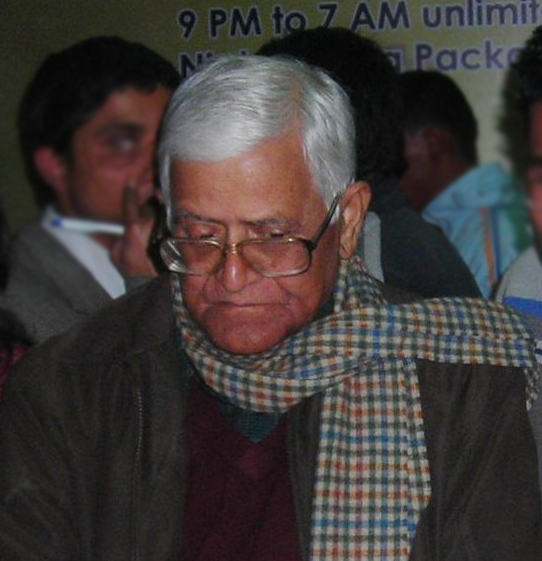
Bishwonath Upadhyaya
September 26, 1995 : Surendra Prasad Singh is appointed as the eighth Chief Justice; he serves until February 14, 1997.
February 15, 1997 : Trilok Pratap Rana is appointed as the ninth Chief Justice; he serves a brief tenure until September 16, 1997.
September 22, 1997 : Om Bhakta Shrestha is appointed as the tenth Chief Justice; he serves until April 12, 1998.
April 13, 1998 : Mohan Prasad Sharma is appointed as the eleventh Chief Justice; he serves until December 15, 1999.
December 16, 1999 : Keshav Prasad Upadhyaya is appointed as the twelfth Chief Justice; he serves until December 5, 2002.
December 6, 2002 : Kedar Nath Upadhyay is appointed as the thirteenth Chief Justice; his appointment is made under King Gyanendra following the royal move to increase executive control over state institutions; he serves until January 21, 2004.
June 1, 2001 : The Narayanhiti Royal Palace Massacre occurs; King Birendra and most of the royal family are killed; King Gyanendra ascends the throne, initiating a period of royalist political pressure on state institutions including the judiciary.
January 22, 2004 : Govinda Bahadur Shrestha is appointed as the fourteenth Chief Justice; he serves until January 13, 2005.
January 14, 2005 : Hari Prasad Sharma is appointed as the fifteenth Chief Justice; he serves until July 29, 2005.
February 1, 2005 : King Gyanendra seizes absolute power, dismissing the government and declaring a state of emergency; the judiciary faces intense pressure to operate under direct royal authority.
July 31, 2005 : Dilip Kumar Poudel is appointed as the sixteenth Chief Justice; he serves through the period of the Second People’s Movement until September 8, 2007.
April 2006 : The Second People’s Movement (Jana Andolan II) overthrows King Gyanendra’s direct rule and restores parliament; a new transitional phase begins for the judiciary.
October 5, 2007 : Kedar Prasad Giri is appointed as the seventeenth Chief Justice under the Girija Prasad Koirala government; he serves until May 7, 2009.
December 21, 2007 : The Supreme Court delivers the landmark Sunil Babu Pant and Others v. Government of Nepal verdict, ordering the government to recognize third-gender identity, repeal discriminatory laws against LGBTQ+ persons, and form a committee to study same-sex marriage — considered the most progressive gender rights ruling in Asian legal history at the time.
January 2008 : Following the Sunil Babu Pant verdict, Nepal begins the process of adding a third-gender category to official documents including voter rolls and immigration forms.
May 28, 2008 : Nepal formally abolishes the monarchy and is declared a federal democratic republic by the Constituent Assembly; the judiciary transitions toward a republican framework.
May 8, 2009 : Min Bahadur Rayamajhi is appointed as the eighteenth Chief Justice; he serves until February 10, 2010.
May 20, 2009 : The Supreme Court delivers the landmark Laxmi Devi Dhikta v. Nepal ruling, affirming that the right to safe abortion is a constitutional right linked to women’s dignity and reproductive autonomy, ordering the state to regulate abortion services and eliminate financial barriers.
February 11, 2010 : Anup Raj Sharma is appointed as the nineteenth Chief Justice; he serves a brief tenure until March 25, 2010.
March 26, 2010 : Ram Prasad Shrestha is appointed as the twentieth Chief Justice; he serves until May 5, 2011.
2011 : Nepal becomes the first country in the world to include a third-gender option in its federal census, a direct result of the 2007 Sunil Babu Pant Supreme Court ruling.
May 6, 2011 : Khil Raj Regmi is appointed as the twenty-first Chief Justice; his tenure becomes historically significant due to his later appointment as head of the executive branch.
May 28, 2012 : The first Constituent Assembly is dissolved without completing a new constitution after four years and four extensions; a constitutional and political vacuum deepens.
March 14, 2013 : Chief Justice Khil Raj Regmi, while still serving as Chief Justice, is sworn in as Chairman of the Council of Ministers (interim prime minister) by President Ram Baran Yadav, an unprecedented move that blurs the separation of powers and draws widespread criticism from the legal fraternity and international observers including the International Commission of Jurists.
March 14, 2013 : Multiple writ petitions are filed in the Supreme Court challenging the constitutionality of Chief Justice Regmi’s dual role as head of both the judiciary and the executive branch.
November 19, 2013 : The Regmi-led interim government successfully conducts elections for the second Constituent Assembly, completing its primary mandate.
February 11, 2014 : Khil Raj Regmi steps down as Chairman of the Council of Ministers after the newly elected parliament forms a government; he also resigns as Chief Justice, choosing not to return to the Supreme Court, a decision welcomed by the ICJ as preserving judicial independence.
April 11, 2014 : Damodar Prasad Sharma is appointed as the twenty-second Chief Justice; he serves until October 9, 2014. His tenure is noted for controversy over judicial appointments during his chairmanship of the Judicial Council.
October 10, 2014 : Ram Kumar Prasad Shah is appointed as the twenty-third Chief Justice; he serves until July 7, 2015; a conference of judges during his tenure in 2014 debates raising the retirement age of Supreme Court justices to 67 years.
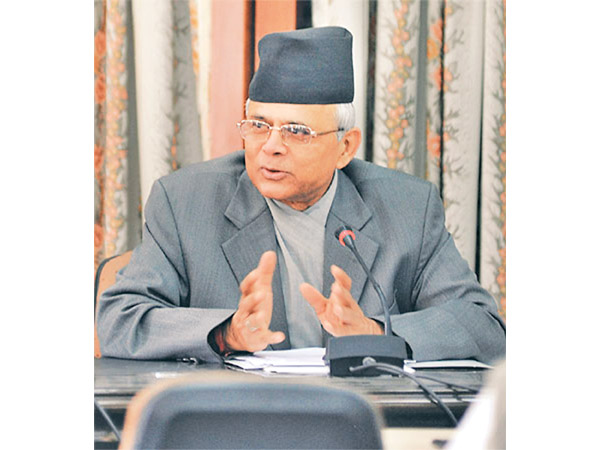
Ram Kumar Prasad Shah
February 26, 2015 : A special constitutional bench of the Supreme Court strikes down amnesty provisions in the transitional justice law, declaring that amnesties for serious crimes including torture, rape, enforced disappearance, and extrajudicial killings are unconstitutional and incompatible with Nepal’s international obligations.
September 20, 2015 : The Constitution of Nepal, 2015 is promulgated by the Constituent Assembly, establishing a federal democratic republic; Articles 128 to 139 enshrine the new framework for the Supreme Court; the Constitutional Council is tasked with recommending the Chief Justice; the Judicial Council is retained; the retirement age of judges is set at 65; a mandatory parliamentary hearing is introduced for the Chief Justice.
July 8, 2015 : Kalyan Shrestha is appointed as the twenty-fourth Chief Justice; he serves until April 12, 2016; during his tenure, the Constitutional Bench validates the appointment of Khil Raj Regmi as head of the interim government (retrospectively), noting elections had been conducted and the Constitution promulgated.
March 28, 2016 : The Constitutional Bench led by Chief Justice Kalyan Shrestha dismisses writs against Regmi’s 2013 executive appointment, ruling the matter moot as elections had been conducted and the Constitution had been promulgated.
July 11, 2016 : Sushila Karki is appointed as the twenty-fifth Chief Justice, becoming the first woman in Nepal’s history to hold the position; she is known for a clean record, anti-corruption stance, and ordering the disclosure of academic credentials of all judges.
March 21, 2017 : The Supreme Court under Chief Justice Sushila Karki annuls the government’s appointment of Jaya Bahadur Chand as Inspector General of Nepal Police, citing violation of constitutional norms; the verdict triggers a political backlash from the ruling parties.
April 30, 2017 : The ruling Nepali Congress and CPN (Maoist Centre) file an impeachment motion against Chief Justice Sushila Karki, the first-ever impeachment motion against a sitting Chief Justice in Nepal’s history; Karki is automatically suspended from her duties upon registration of the motion.
May 5, 2017 : Justice Cholendra Shumsher JB Rana, sitting on the Supreme Court bench, stays the impeachment motion against Chief Justice Karki, observing that the motion prima facie appears to be against the spirit of the Constitution and is linked to a sub-judice matter regarding the police chief appointment.
June 6, 2017 : The ruling parties withdraw the impeachment motion against Karki following public pressure, condemnation by the United Nations High Commissioner for Human Rights Zeid Ra’ad al-Hussein who calls the motion politically motivated, and the resignation of Deputy Prime Minister Bimalendra Nidhi in protest.
June 6, 2017 : Chief Justice Sushila Karki retires upon reaching the mandatory retirement age of 65, completing her tenure; she retires with her reputation largely intact.
July 17, 2017 : Gopal Prasad Parajuli is appointed as the twenty-sixth Chief Justice; controversies about his age and academic credentials — which Kantipur newspaper had been reporting on for years — immediately follow.
August 2017 : Nepali media runs a series of reports exposing discrepancies in Chief Justice Gopal Parajuli’s birth date records — with as many as five different dates appearing in official documents — as well as questions about his academic credentials; Parajuli pursues a contempt of court charge against the media.
March 2018 : Chief Justice Gopal Parajuli calls a full bench to hear the contempt of court case against Kantipur newspaper; Justice Cholendra Shumsher Rana boycotts the full bench, saying Parajuli is in his position illegally.
March 14, 2018 : Judicial Council Secretary Nripadhoj Niraula sends a letter to Chief Justice Parajuli confirming that his correct date of birth records establish that he had already crossed the retirement age, effectively serving notice of termination; Parajuli disputes this, calling it illegal.
March 15, 2018 : Facing imminent impeachment threats from political parties and the termination letter from the Judicial Council, Chief Justice Gopal Prasad Parajuli resigns; his departure is mired in scandal over fabricated birth records and an unprecedented contempt action against the free press.
March 15, 2018 : Deepak Raj Joshi, the senior-most justice, serves as acting Chief Justice following Parajuli’s resignation; he is later recommended as the new Chief Justice but fails to pass the parliamentary hearing committee, becoming the first Chief Justice nominee to be rejected by parliament.
September 10, 2018 : Om Prakash Mishra is appointed as the twenty-seventh Chief Justice after the failed parliamentary hearing for Deepak Raj Joshi; Mishra serves a brief tenure of about four months until January 1, 2019.
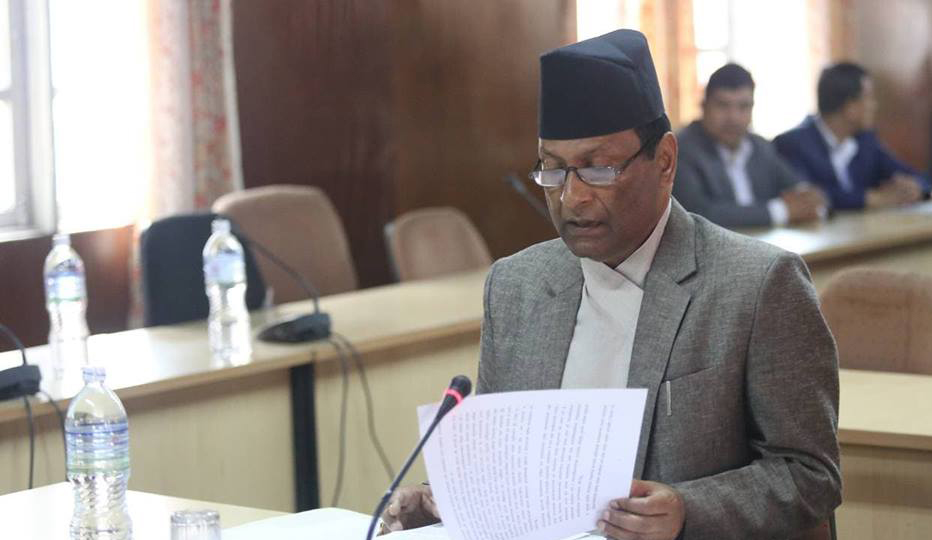
Om Prakash Mishra
January 2, 2019 : Cholendra Shumsher JB Rana is appointed as the twenty-eighth Chief Justice; he is recommended by the Constitutional Council chaired by Prime Minister KP Sharma Oli; his tenure would become the most turbulent in post-2006 judicial history.
June 29, 2020 : The Supreme Court, in a bench led by Chief Justice Rana, issues a decision shortening the prison sentence of Ranjan Koirala, a former Deputy Inspector General of the Armed Police Force; the ruling draws criticism as an example of favoritism.
December 20, 2020 : Prime Minister KP Sharma Oli dissolves the House of Representatives and announces mid-term elections, citing intra-party obstruction; the move is immediately challenged in the Supreme Court.
December 25, 2020 : The Supreme Court begins hearing thirteen writ petitions challenging the constitutionality of the House dissolution.
February 23, 2021 : A five-member constitutional bench led by Chief Justice Cholendra Shumsher Rana declares Oli’s dissolution of the House of Representatives unconstitutional and orders parliament to convene within 13 days; the verdict is hailed as a victory for democracy and rule of law.
May 21, 2021 : Prime Minister KP Sharma Oli dissolves the House of Representatives for a second time through President Bidya Devi Bhandari after the President rejects both Oli’s and Sher Bahadur Deuba’s claims to the prime ministership under Article 76(5).
July 12, 2021 : The five-member constitutional bench led by Chief Justice Cholendra Shumsher Rana delivers a historic and unprecedented ruling declaring the second House dissolution unconstitutional and ordering, via mandamus, the appointment of Sher Bahadur Deuba as Prime Minister within 28 hours — the first time in Nepal’s history that the Supreme Court directly orders the appointment of a prime minister.
October 9, 2021 : Chief Justice Rana is accused of interfering in cabinet formation by seeking the ministerial appointment of Gajendra Hamal, a close associate, as part of a political deal; the accusation triggers a crisis.
October 10, 2021 : Gajendra Hamal resigns from the cabinet following the controversy over Chief Justice Rana’s alleged role in securing his appointment.
October 25, 2021 : Fifteen Supreme Court justices and members of the Nepal Bar Association stage unprecedented protests against Chief Justice Rana, accusing him of corruption, abuse of power, and undermining judicial independence; the protests mark the open breakdown of the judiciary’s internal cohesion.
October 26, 2021 : Four former chief justices — Min Bahadur Rayamajhi, Anup Raj Sharma, Kalyan Shrestha, and Sushila Karki — issue a joint statement calling for Chief Justice Rana’s immediate resignation to save the judiciary.
November 2021 : Chief Justice Rana refuses to resign, telling the fifteen protesting justices that he will face the constitutional process and not step down based on street protests or media pressure; judicial deadlock deepens.
February 13, 2022 : Ninety-eight lawmakers from the Nepali Congress, CPN (Maoist Centre), and CPN (Unified Socialist) register an impeachment motion against Chief Justice Cholendra Shumsher Rana in the House of Representatives, citing 21 points of misconduct including corruption, abuse of authority, and failure to discharge duties; Rana is automatically suspended from office.
February 13, 2022 : Deepak Kumar Karki, as the senior-most justice, takes over as acting Chief Justice upon Rana’s automatic suspension.
March 6, 2022 : Parliament forms an Impeachment Recommendation Committee to formally study the allegations against the suspended Chief Justice Rana.
March 14, 2022 : The impeachment motion against Chief Justice Rana is tabled in the House of Representatives for further discussion; the main opposition CPN (UML) objects and disrupts proceedings.
November 20, 2022 : Parliamentary elections are held; the term of the outgoing parliament ends without the impeachment proceedings against Rana being concluded; the motion lapses without a final vote.
December 7, 2022 : The General Secretary of the Federal Parliament Secretariat sends a letter to key state offices stating that the impeachment motion against Rana has become ineffective as parliament’s term has ended; the letter triggers immediate protests by the Nepal Bar Association, whose members form a human barrier at the Supreme Court’s gate to prevent Rana from re-entering.
December 13, 2022 : Chief Justice Cholendra Shumsher Rana retires from service upon reaching the mandatory age of 65, making him the first Chief Justice in Nepal’s history to retire while still under suspension; the impeachment motion, still unresolved, lapses with his retirement; a constitutional vacuum exists in his final days.
June 16, 2023 : Hari Krishna Karki is appointed as the twenty-ninth Chief Justice; however, he serves the shortest tenure of any Chief Justice in Nepali history — just about 49 days.
August 4, 2023 : Chief Justice Hari Krishna Karki retires upon reaching the mandatory age of 65, concluding his historically brief tenure.
August 21, 2023 : Bishwambhar Prasad Shrestha is appointed as the thirtieth Chief Justice; he serves until October 4, 2024.
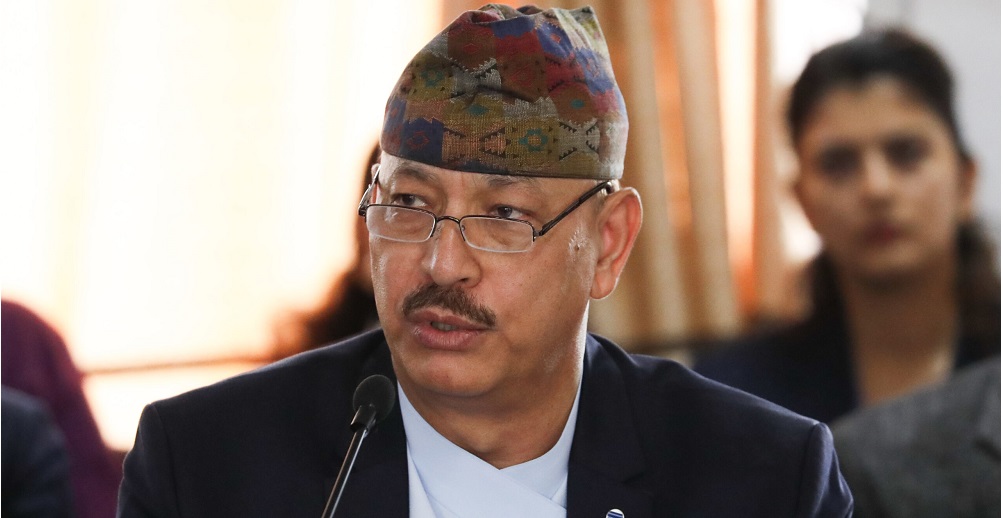
Bishwambhar Prasad Shrestha
November 2023 : The Supreme Court is seized with multiple petitions regarding same-sex marriage rights following the 2007 Sunil Babu Pant ruling, as successive governments had failed to enact legislative protections for same-sex couples.
December 19, 2023 : The Supreme Court issues a landmark order on Bagmati River protection, mandating a 40-meter no-construction buffer zone along the Bagmati and its tributaries in the Kathmandu Valley to curb encroachment and protect the ecologically degraded urban river.
October 4, 2024 : Chief Justice Bishwambhar Prasad Shrestha retires upon reaching the mandatory age of 65.
October 6, 2024 : Prakash Man Singh Raut is appointed as the thirty-first Chief Justice after the Constitutional Council’s recommendation of September 16, 2024, and unanimous endorsement by the Parliamentary Hearing Committee on October 2, 2024; he is sworn in by President Ramchandra Paudel.
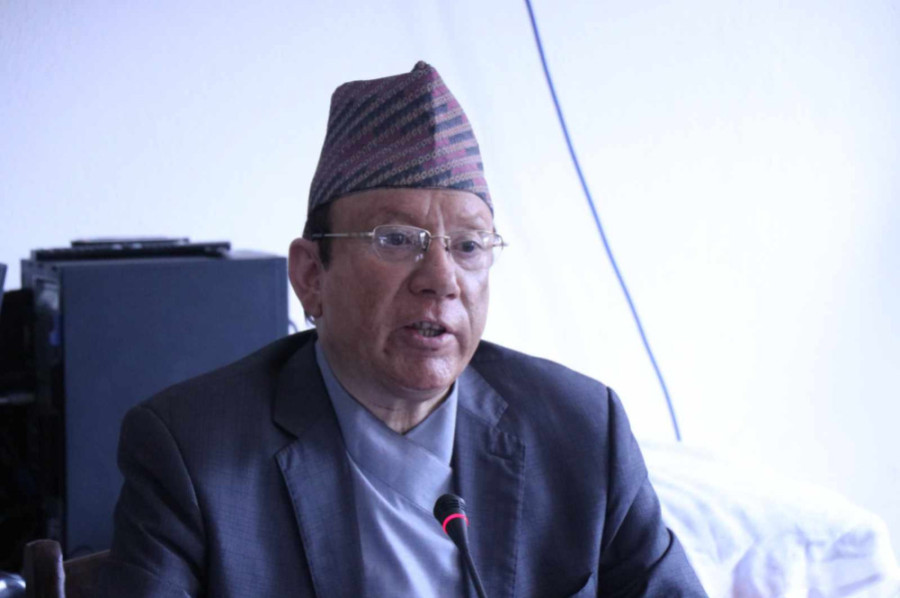
Prakash Man Singh Raut
January 18, 2026 : A full bench of the Supreme Court partially reverses its December 2023 Bagmati River ruling, striking down the additional 20-meter buffer requirement and restoring the 2008 Cabinet-approved standard setback policy as the governing framework for riverbank regulation; environmental advocates and urban planning groups react sharply on opposite sides.
March 31, 2026 : Chief Justice Prakash Man Singh Raut retires upon reaching the mandatory age of 65, having served for less than six months — typical of the pattern of short tenures due to the age cap; he is constitutionally entitled to a six-year term but the retirement age cut it drastically short.
April 1, 2026 : Justice Sapana Pradhan Malla, the senior-most judge of the Supreme Court, is appointed as Acting Chief Justice; she is the second woman to lead the apex court after Sushila Karki. She was born on November 15, 1963, and has served as a justice since August 2016. She is also a former Constituent Assembly member and a prominent public interest lawyer known for her work on women’s rights.

Sapana Pradhan Malla
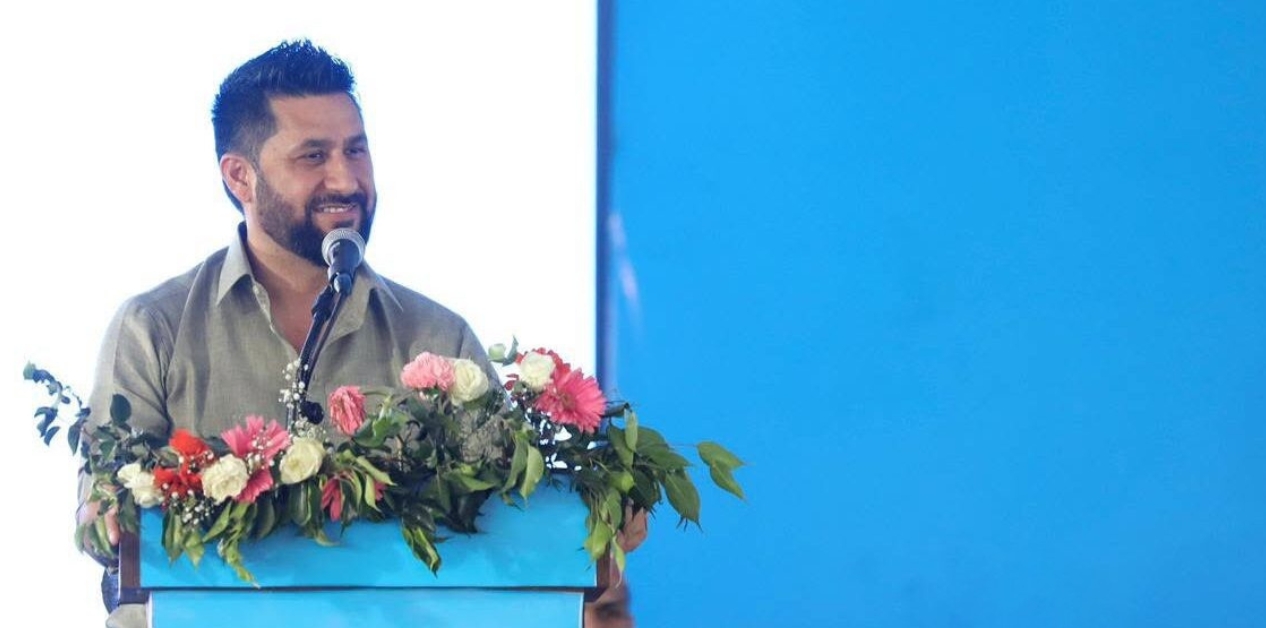
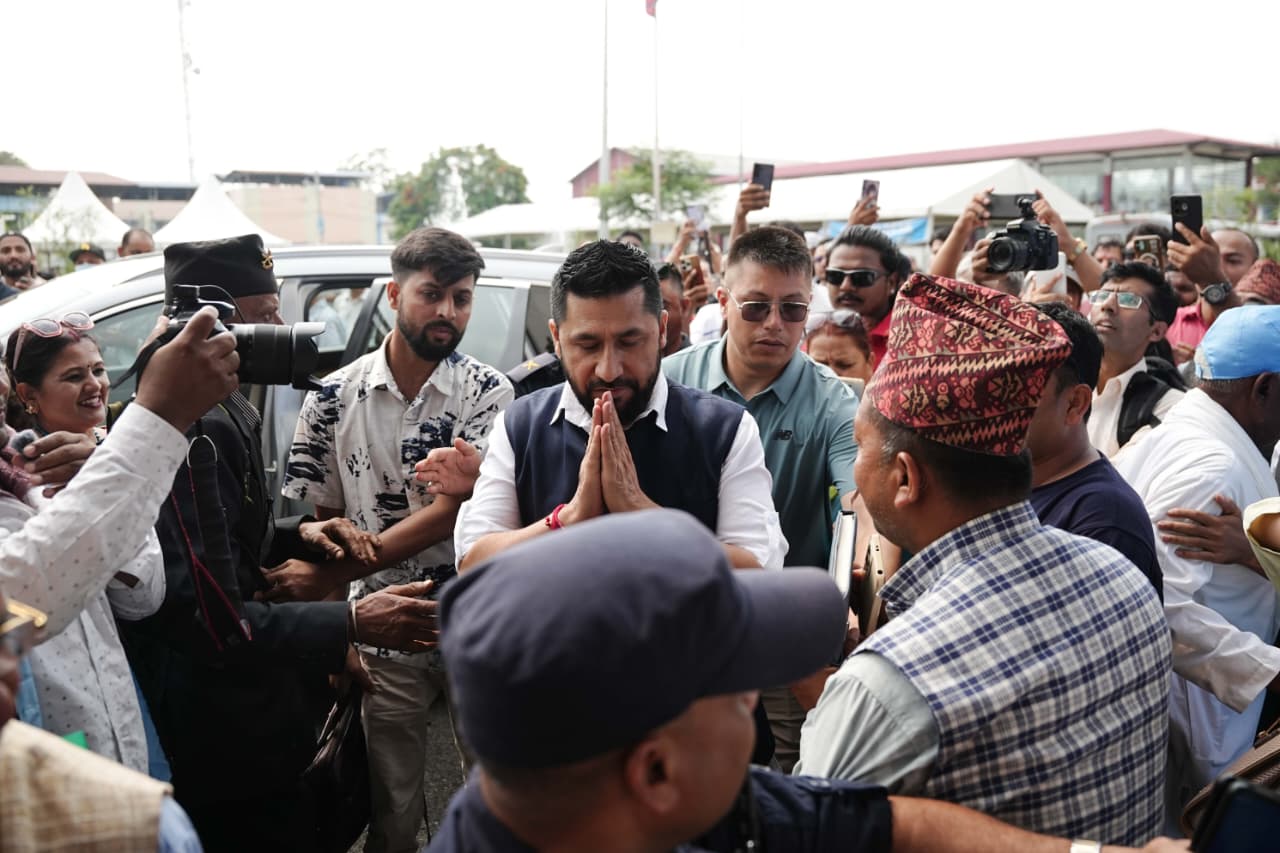
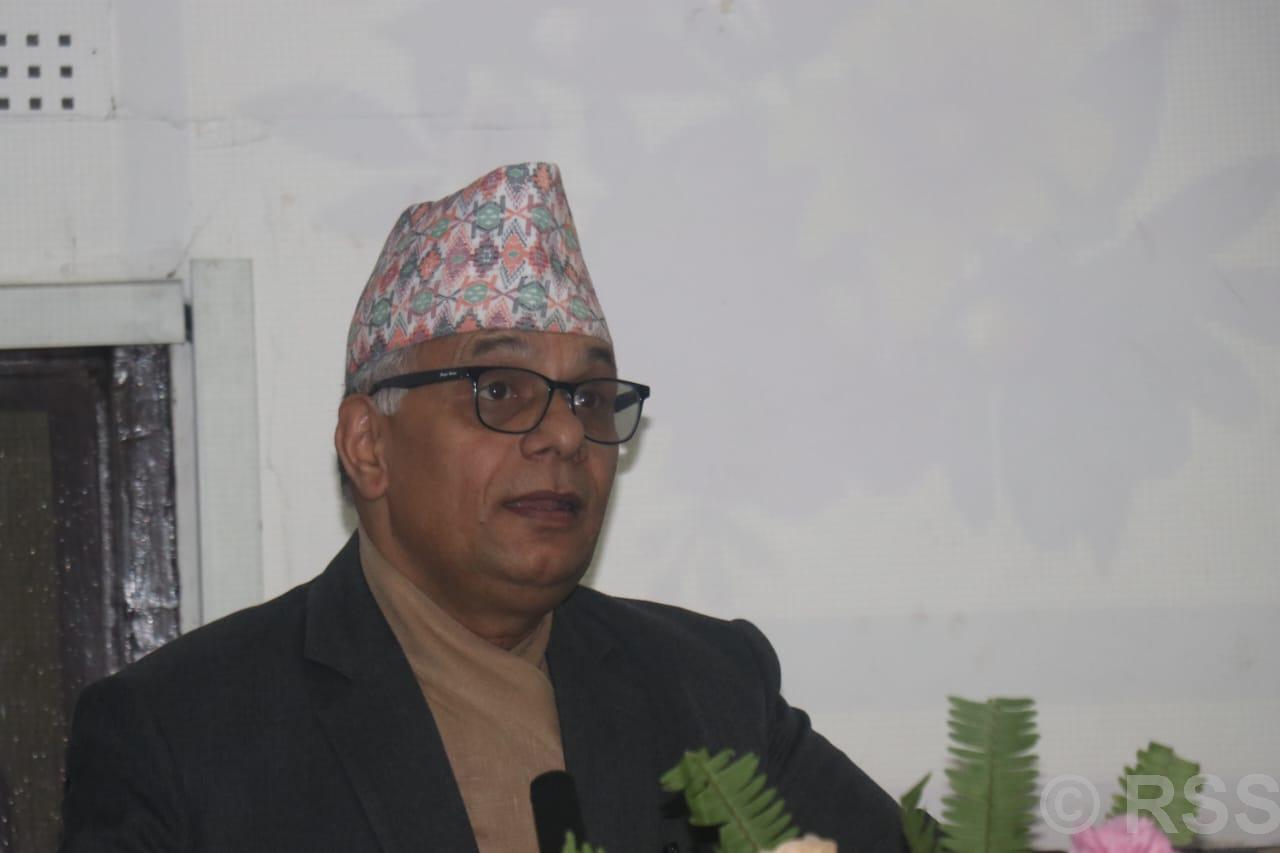
May 7, 2026: Manoj Kumar Sharma has been recommended for appointment as next Chief Justice of the Supreme Court of Nepal. Now, he will have to go through parliamentary hearing before formal appointment. With the recommendation of Sharma, a long-standing convention has been broken. The Constitutional Council had traditionally recommended the senior-most justice for appointment as Chief Justice. However, the Constitutional Council led by Balendra Shah has recommended Sharma, who is fourth in the seniority order at the Supreme Court, for the post of Chief Justice.
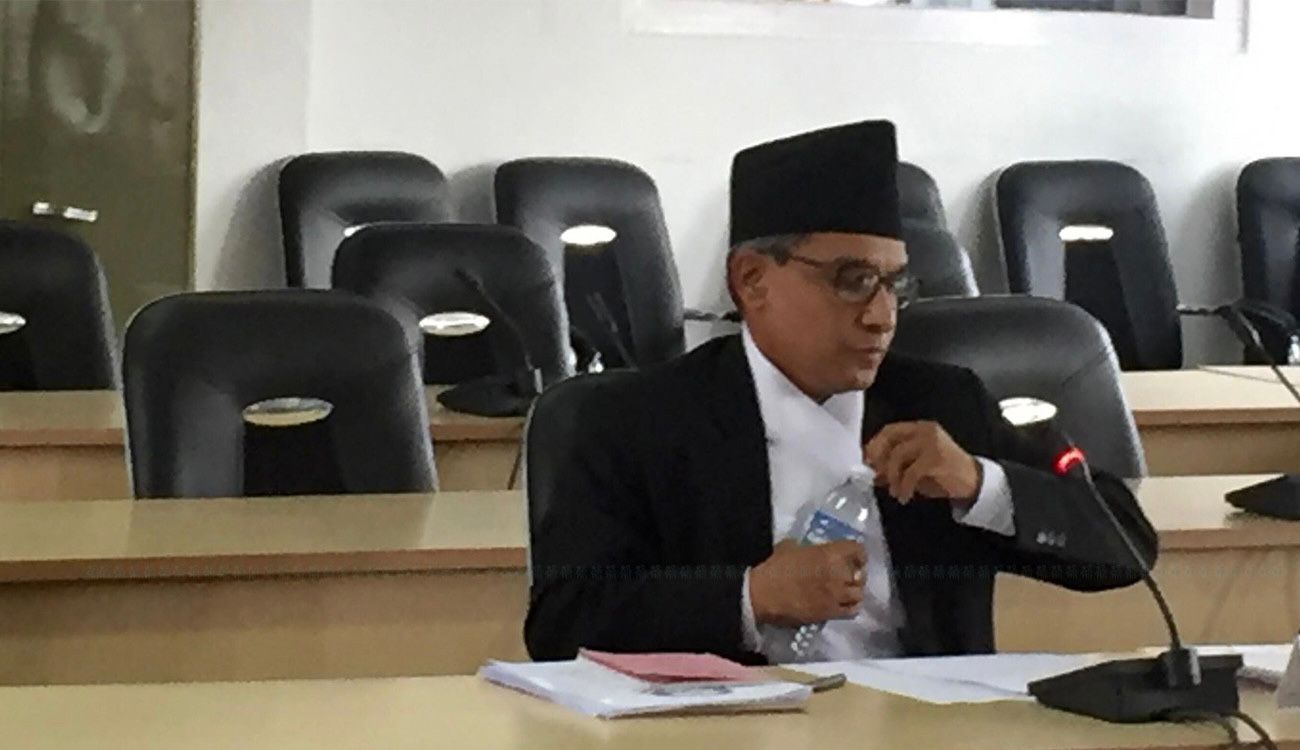
Manoj Kumar Sharma