Kathmandu
Monday, June 22, 2026





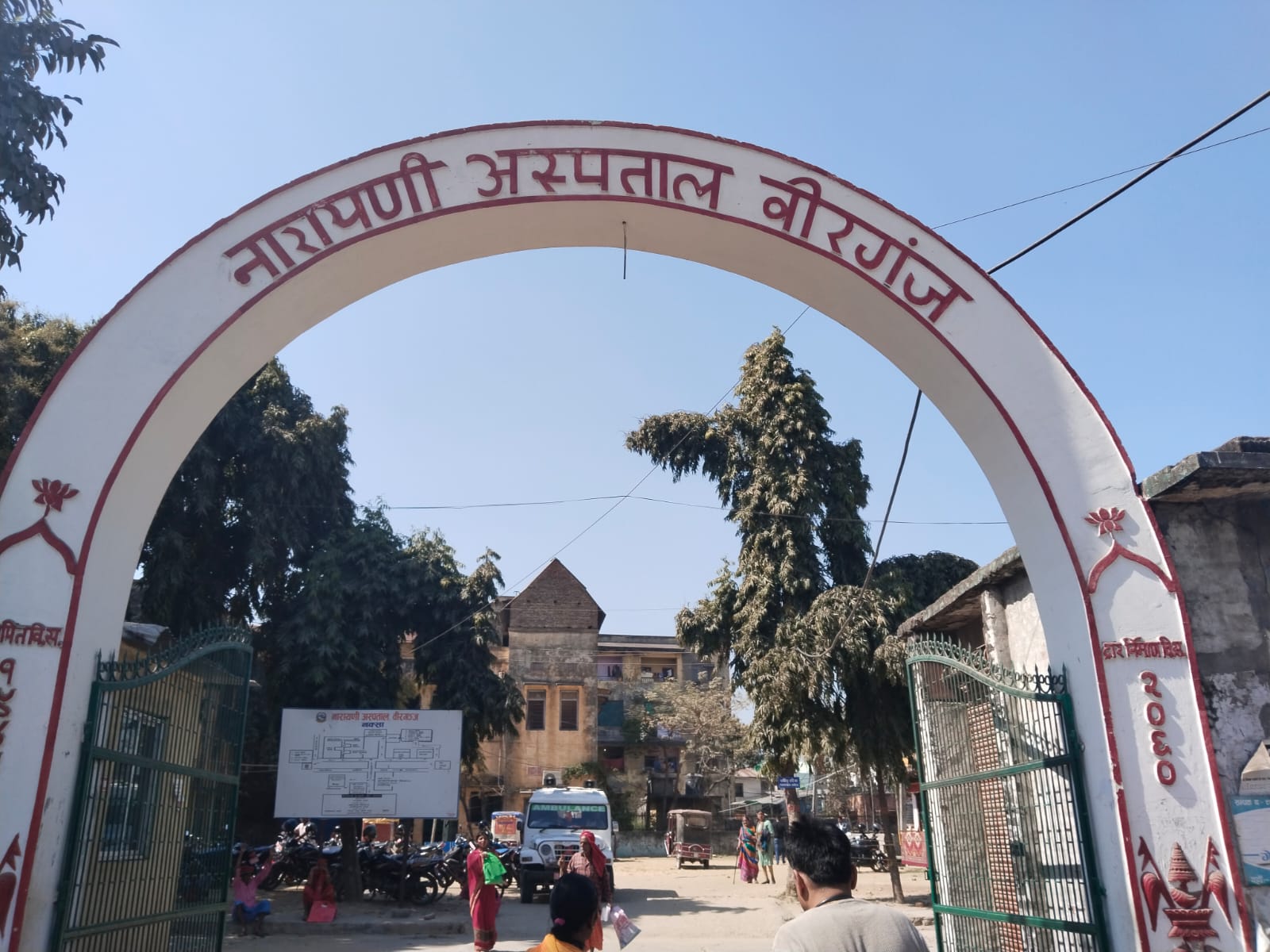
BIRGUNJ: A ‘Hemophilia Treatment Center’ (HTC) has been brought into operation for the first time at Narayani Hospital in Birgunj.
The center was launched on Sunday through a collaboration between the Hemophilia Society Nepal and Narayani Hospital, aiming to ease the treatment process for hemophilia patients in the Birgunj region.
According to Nabin Dhungel, President of the Society, the establishment of this center will greatly benefit around 40 hemophilia patients currently receiving care at the hospital. He also shared that the Society handed over necessary medications required for the treatment. Additionally, the Society provided practical training to healthcare workers on the diagnosis, treatment, management of hemophilia, and the administration of clotting ‘factors’ required by patients.
With the launch of this treatment center at Narayani Hospital, patients suffering from hemophilia and other bleeding disorders in Madhesh Province—including Parsa, Bara, Rautahat, and Siraha districts—can now easily access medical care within their own province. Dhungel added that previously, individuals with hemophilia had to travel to Kathmandu even for basic treatment, causing immense financial and mental distress to the patients and their families.
Ramkrishna Bogati, Vice President of the Society, noted that many hemophilia patients in Nepal remain undiagnosed and lack access to treatment. He also pointed out that there is currently a shortage of about 54% of the required medications.
To date, hemophilia treatment centers have been established in 18 government hospitals across Nepal. According to the latest census, it is estimated that there are around 3,000 individuals living with hemophilia in the country. However, the Nepal Hemophilia Society states that only 750 individuals have come into contact with them so far, as a lack of public awareness keeps many patients from stepping forward.
Hemophilia is a hereditary bleeding disorder caused by a deficiency of ‘clotting factors’ necessary for blood coagulation. People affected by this condition experience prolonged bleeding even from minor injuries, swollen joints, and internal bleeding.
According to doctors, while hemophilia is mostly a genetic condition, it can sometimes occur due to other factors as well. When a specific type of protein factor is deficient or completely absent in the blood, clotting is delayed, leading to prolonged bleeding.
In normal circumstances, the human body goes through a three-stage process to stop bleeding: constriction of blood vessels at the injury site, formation of a platelet plug, and finally, the creation of a ‘fibrin’ mesh over the skin to completely halt the bleeding.