Kathmandu
Tuesday, June 23, 2026





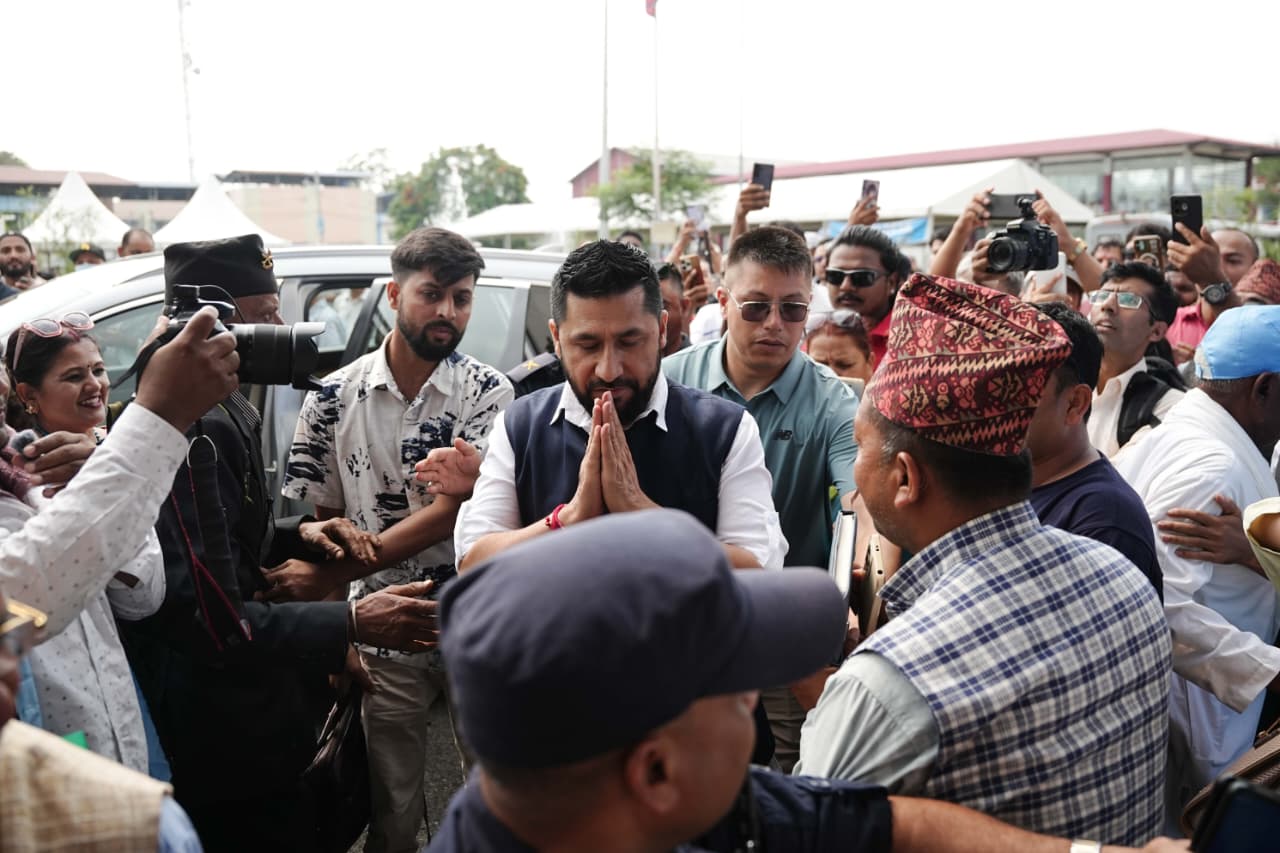
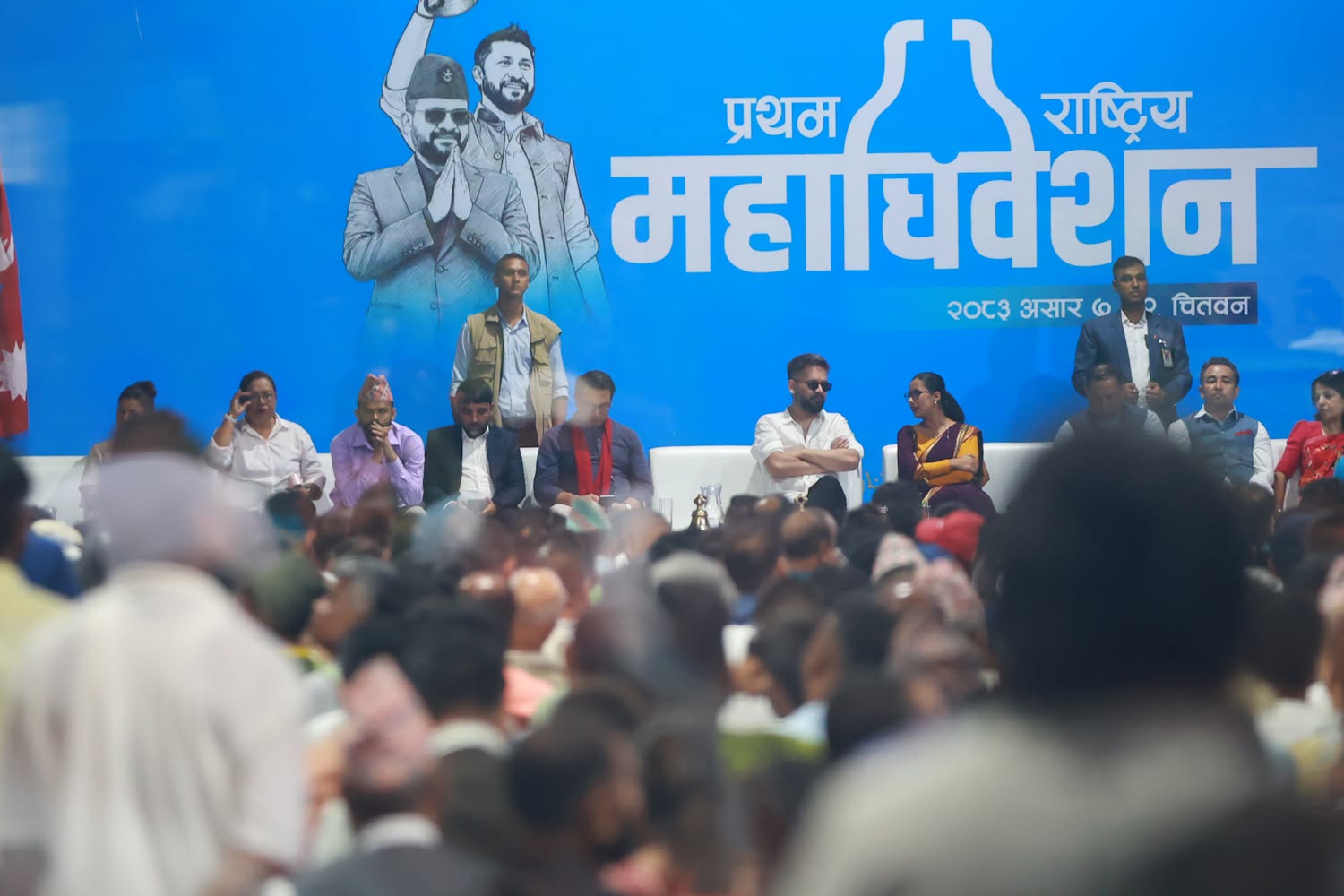
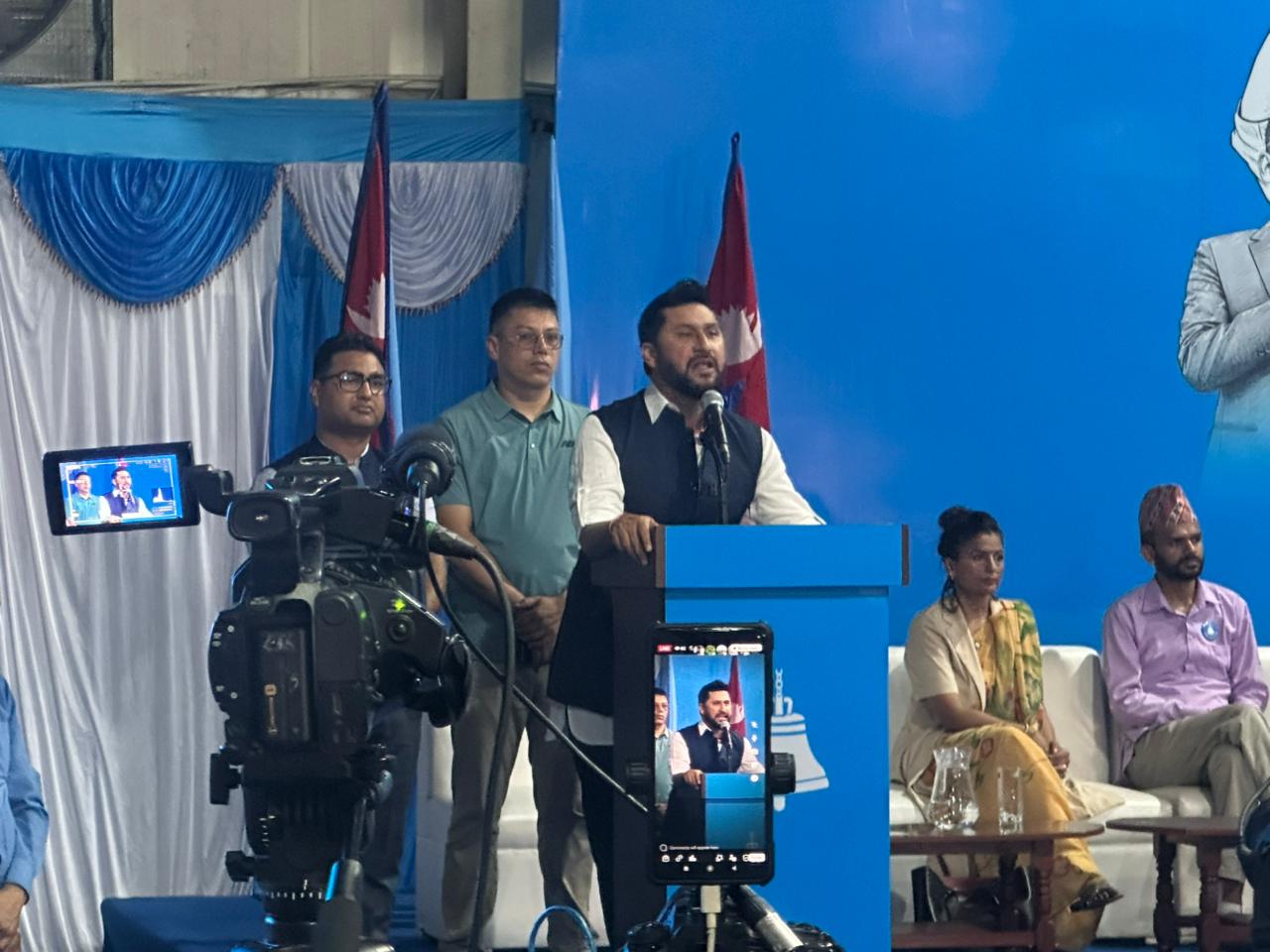
CHITWAN: At the ongoing first general convention of the Rastriya Swatantra Party (RSP) in Chitwan, Party Chairman Rabi Lamichhane presented a comprehensive political report that fiercely criticized traditional political forces while mapping out a new constitutional and ideological framework for Nepal.
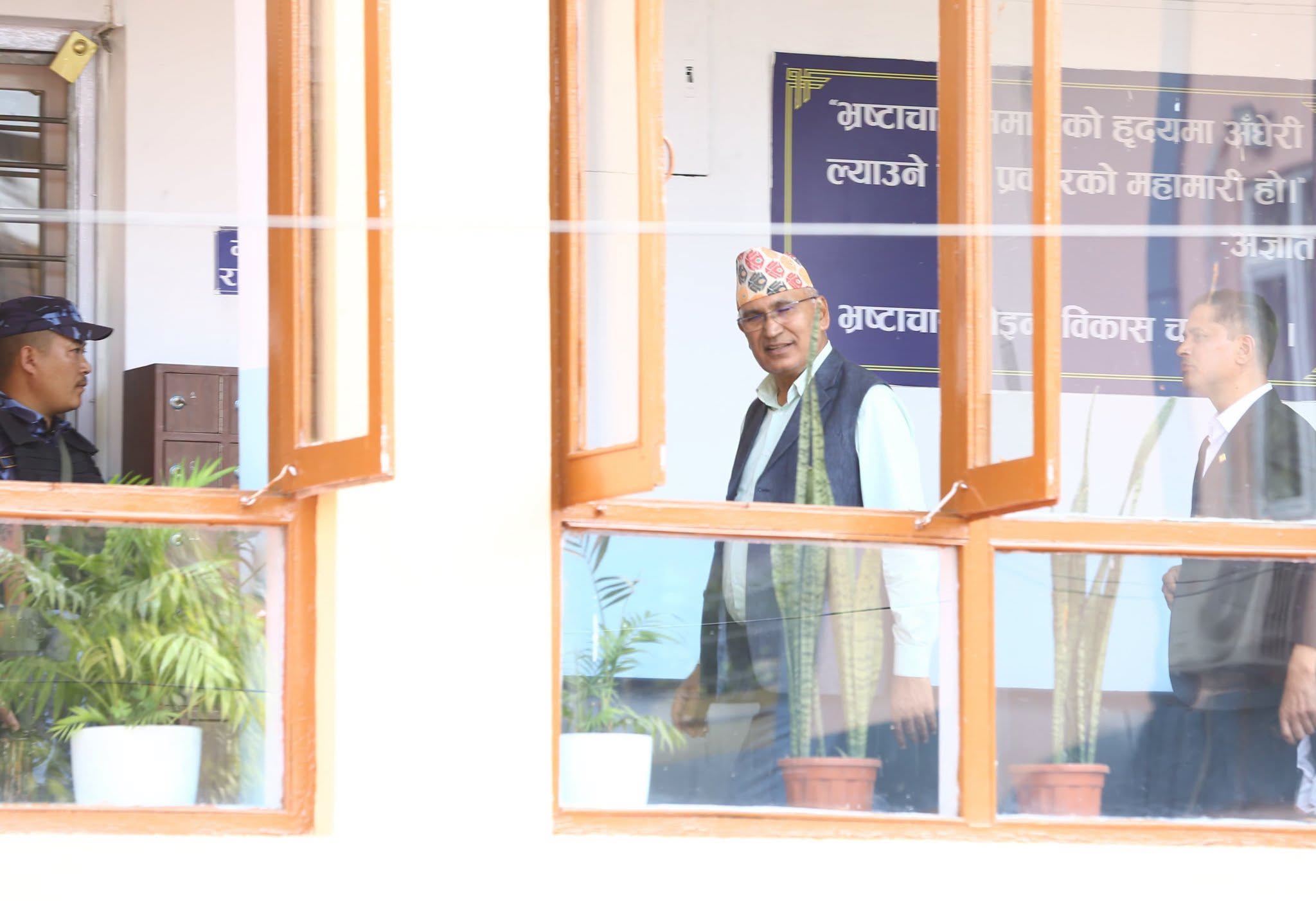
In his document, Lamichhane alleged that the previous Nepali Congress and CPN (UML) coalition government weaponized all three organs of the state—the executive, legislature, and judiciary—out of “naked political prejudice” to entangle him and his party in unfounded legal cases concerning cooperative fraud, organized crime, and money laundering.
He characterized the traditional political establishment as a corrupt syndicate that failed to deliver governance, contrasting it with the RSP’s rapid trajectory from its inception to achieving a historic two-thirds mandate.
The report also offers a detailed analysis of recent political shifts, framing the ‘Gen Z’ youth rebellion of September 2025 as a direct explosion of public anger against decades of institutional corruption and systemic inequality.
Lamichhane noted that the uprising was heavily triggered by the Oli administration’s arrogance and its controversial ban on social media, which ultimately led to the dissolution of parliament and fresh elections.
Following the subsequent alignment and merger of alternative political forces—including the Bibeksheel movement and supporters of Balendra Shah’s independent wave—the RSP has expanded its political footprint.
Lamichhane used the document to praise the current Balendra Shah-led government for its aggressive crackdown on corruption, assets investigation, and accelerated infrastructure development.
Looking toward the future, the political document officially adopts Social Democracy as the RSP’s core guiding ideology, aiming to balance a competitive liberal economy with an inclusive welfare state.
To ensure long-term political stability and eliminate costly electoral anomalies, Lamichhane proposed sweeping constitutional amendments.
The proposed amendment include transitioning Nepal to a directly elected executive system, implementing a fully proportional representation electoral framework, transforming the National Assembly into a non-partisan expert body, and fundamentally restructuring the current provincial governance model.
Ultimately, the report positions the RSP as the definitive alternative power house capable of steering the country into a new era of transparency and structural reform.