Kathmandu
Saturday, June 27, 2026





It is often said that refereeing is a thankless profession, a sentiment proven completely true by the mounting officiating controversies and bitter team complaints defining the current World Cup
KATHMANDU: Ghana’s smooth path to the World Cup knockout stage has been dramatically derailed. While the African nation seemed certain to secure both a round of 16 berth and the top spot in Group L ahead of Sunday’s final group clash against Croatia, reality has dealt a far more unpredictable hand.
Instead, Ghana remains bottlenecked in second place, leaving the future of their entire World Cup campaign hanging entirely in the balance.
Now, only after the final clash with Croatia will it be decided whether Ghana will reach the round of 16 or be eliminated from the group stage. In Ghana’s eyes, there is only one reason for this situation: the decision of referee Christina Unkel.
In the match held on Wednesday morning at Boston Stadium, Ghana held 1966 world champion England to a goalless draw. Facing each other for the first time since an international friendly match on March 29, 2011, England maintained more possession of the ball, but Ghana did not give them any opportunity to score.
Although the draw result appears satisfactory for Ghana, they are dissatisfied with the referee’s decisions. Ghana claims that they did not just lose 1 point but lost 2 additional points. They attribute the reason to the controversial decisions of referee Christina Unkel.
In the post-match press conference, Ghana’s head coach, Carlos Queiroz, did not hide his dissatisfaction. “Ghana was denied a clear penalty. It was a 100 percent penalty against England, but the referee’s whistle did not blow. Sometimes I even doubt whether the Video Assistant Referee (VAR) is still operational in the World Cup!” he remarked sarcastically.
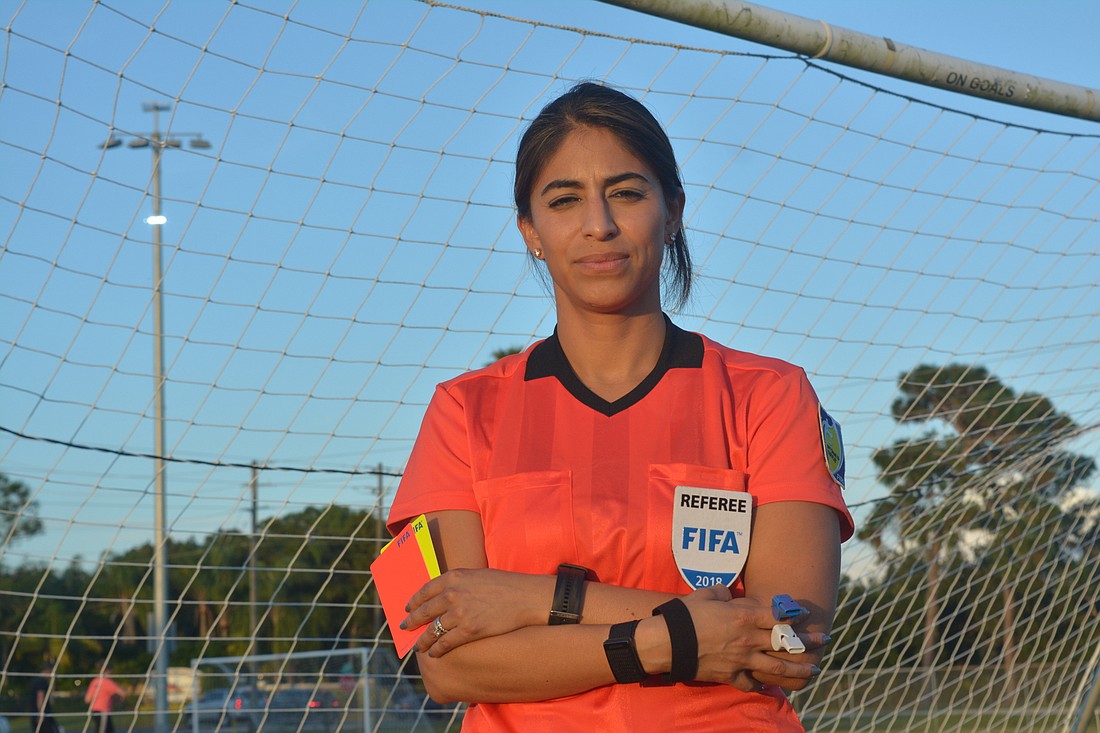
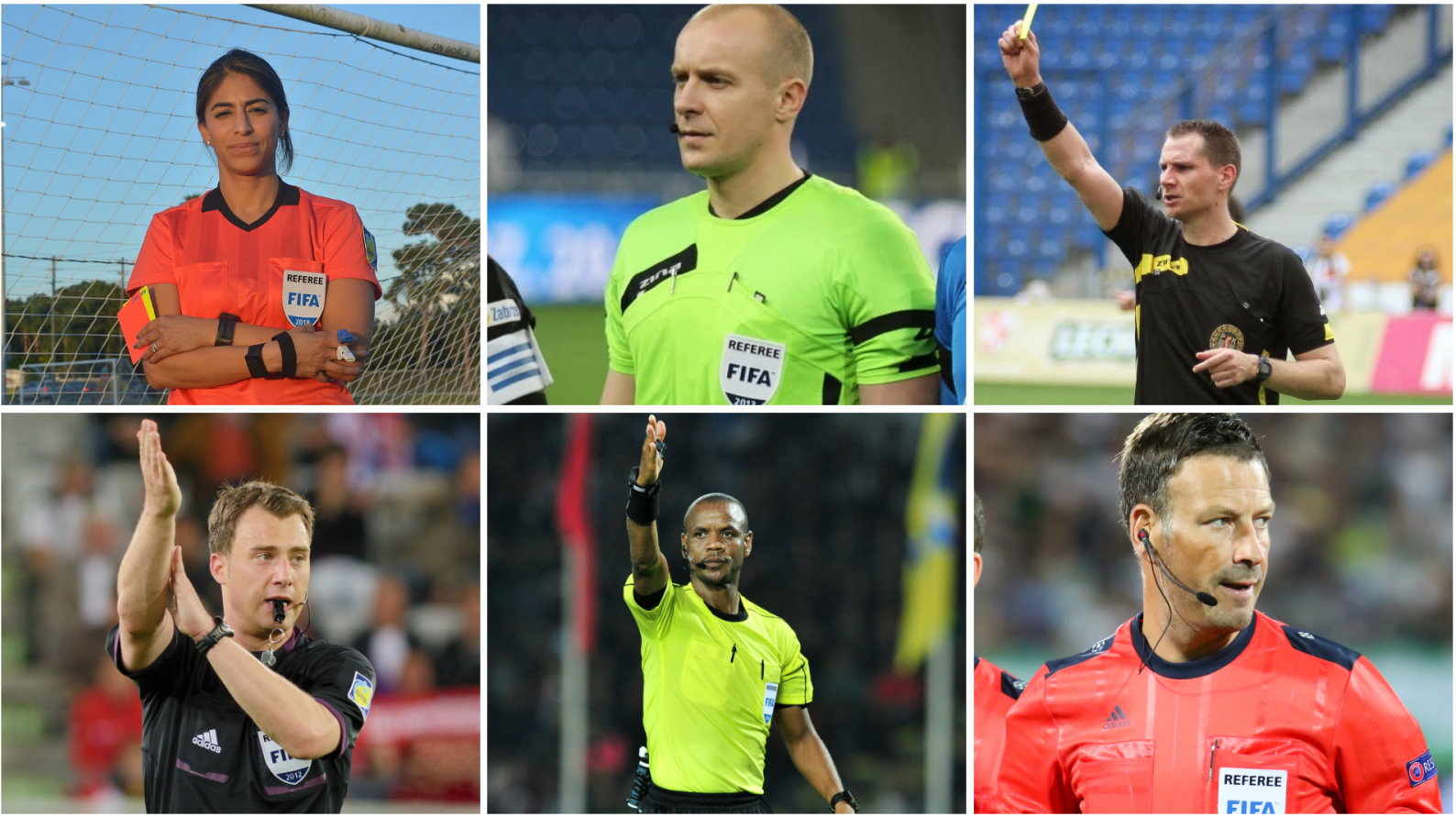
Christina Unkel worked the 2019 World Cup as Fox Sports’ rules analyst.
Courtesy photo
The beginning of Queiroz’s outrage occurred in the 66th minute of the match. At that time, England’s goalkeeper, Jordan Pickford, and Ghana’s forward, Prince Kwabena Adu, collided with each other. The Ghanaian coach insisted that Pickford should have been shown a red card and sent off the field for that incident.
Similarly, another controversial moment was seen with 12 minutes remaining in the match. England’s defender, Ezri Konsa, tackled and brought down Adu inside the penalty area. According to Queiroz, since Konsa failed to establish clear control of the ball, that incident deserved not only a penalty but also a red card. However, Unkel made no call at all.
“Speaking openly about these matters could get me punished,” Queiroz says. “But Pickford should have been sent off the field. There is no doubt about that. And the foul against Adu was a clear penalty. Such decisions can change the very outcome of a match.”
As the referee’s decisions continually generate controversy, his statement also feels true. Some people, however, vent their frustration of losing a match toward the referee. But this was not a reaction given by Queiroz after a loss; he spoke after a goalless draw result.
Jumbo referee team in World Cup history
In the 2026 World Cup, there are 52 main referees and 88 assistant referees. In addition to this, there are 30 VAR referees. This is the largest team of officials in FIFA World Cup history. The selected officials come from all 6 continental confederations of world football and 50 member nations.
According to FIFA, it took more than three years to select these officials. It was natural for it to take this much time. FIFA claims that this time it selected these officials based on their performances in the Champions League, Europa League, international matches, and domestic leagues.
Pierluigi Collina, FIFA’s chief of officials and chairman of the committee, says, “The selected match officials are among the best in the world. They were monitored over the past three years. They have participated in FIFA tournaments and have undergone continuous training and evaluation.”
According to Collina, compared to the Qatar World Cup in 2022, there are 41 more officials this time. 6 female match officials have also been selected for this World Cup. In this regard, the role of technology in official decisions should be even more important in the 2026 World Cup. For this, FIFA is also using goal-line technology, advanced semi-automated offside technology, and connected ball technology.
In this World Cup, fans will also be able to see the referee’s on-field decisions for the first time. The footage obtained from the camera mounted on the referee’s body (RefCam) is being made clearer by AI-based stabilization technology. Yet, the sequence of controversies generated has not stopped.
Controversy did not stop
In world football’s biggest tournament, the World Cup, referee decisions often become subjects of debate and controversy. Therefore, in the 2026 World Cup, FIFA claims to have used various new technologies to make the decision-making process more transparent, accurate, and viewer-friendly.
To provide clear information to spectators, players, and coaches regarding how and why an on-field decision was made by the referee, FIFA has taken steps such as body cams, advanced offside technology, a 3D tracking system, and improvements in the VAR process. The purpose of using these technologies is to reduce human error, impartially evaluate controversial decisions, and further strengthen trust in the game.
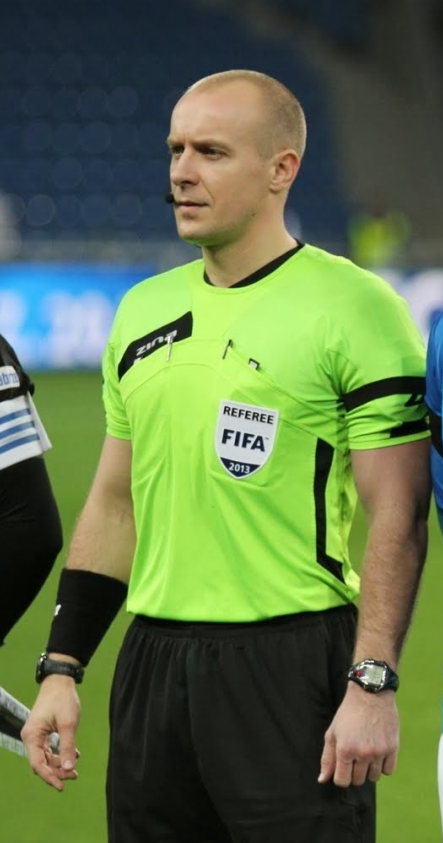
Szymon Marciniak. Photo courtesy: Wikimedia Commons
However, incidents of controversy have not stopped. Especially, big nations filled with star players have been accused of having referees make decisions in their favor.
The most discussed referee controversy in Argentina’s World Cup matches was related to the match against Algeria. After that match, which Argentina won 3-0, Algeria even filed a formal complaint with FIFA.
Algeria’s main grievance was about an incident in the first half. Argentina’s captain, Lionel Messi, stepped on the foot of Algeria’s captain, Aissa Mandi. Although the Algerian side claimed that a red card should have been given for that incident, the referee showed no interest. On the other side, VAR also did not deem it necessary to intervene.
Similarly, in another incident, Argentina’s Alexis Mac Allister was accused of elbowing Algeria’s Ibrahim Maza. Since no card was shown in that incident either, Algeria expressed dissatisfaction with the decisions of both the referee and VAR.
The main referee of the match was Szymon Marciniak of Poland. Marciniak was the main referee of the 2022 Qatar World Cup final. In that match, Argentina had defeated France 4-2 in a penalty shootout to win the title for the second time. He was very close during the incident between Mac Allister and Maza.
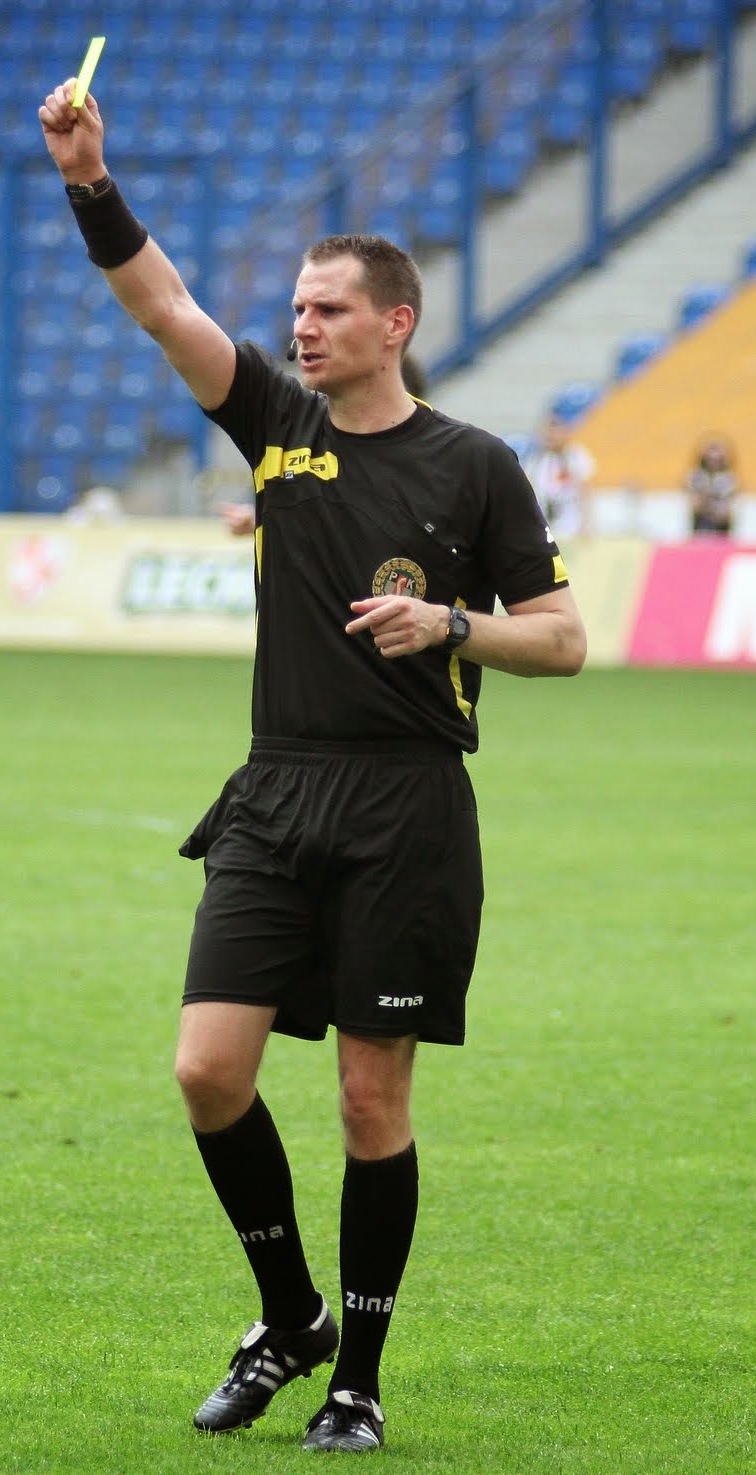
Tomasz Kwiatkowski. Photo courtesy: Wikimedia Commons
In Algeria’s complaint, questions have been raised about the decisions of referee Marciniak and the VAR team. The VAR team was also led by Tomasz Kwiatkowski, also from Poland. South Africa’s coach, Hugo Broos, also compared this incident to the suspension of his midfielder, Themba Zwane. Zwane received a red card in the first match against Mexico. Along with this, he has been handed a 3-match suspension.
“Looking at the Messi incident, I cannot agree with the decision made against my player. The Mexico player had blocked my player, and Themba had only placed his hand from above. For that, there was a red card and a 3-match suspension. I am not saying a red card should be shown to Messi. But what is the difference between the Messi incident and the Zwane incident?” he questions.
After this incident, a huge debate took place on social media and among football analysts. Some stated that Messi should have been shown at least a yellow card, while others argued that it was unnecessary, saying the incident might have been accidental.
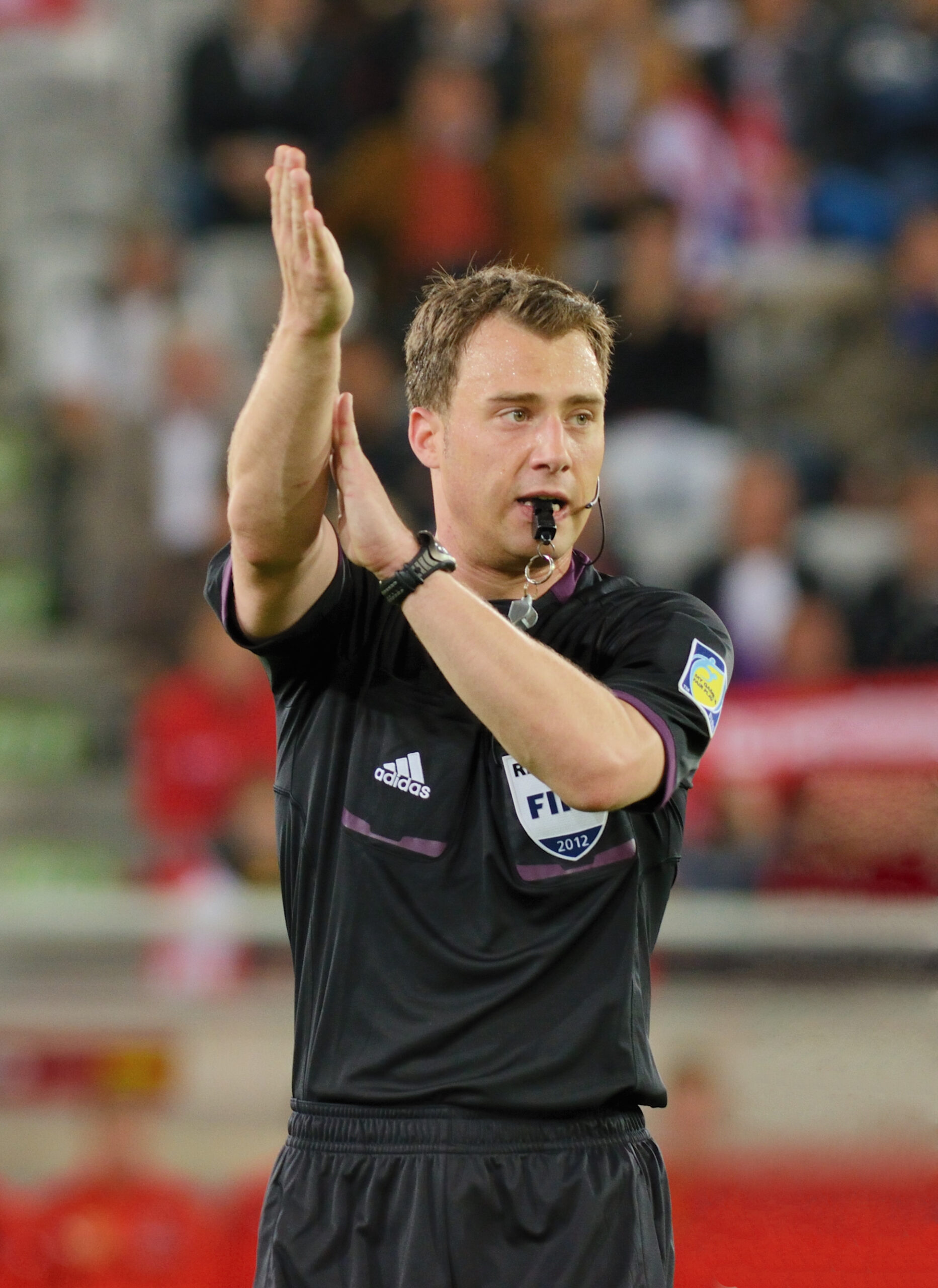
Felix Zwayer. Photo courtesy: Wikimedia Commons
Following their 2-0 defeat against the United States in the 2026 World Cup, the Australian team also raised questions about referee Felix Zwayer. Australian players accused the German referee’s performance of being extremely poor, claiming that many decisions in the match went against them.
In the Group D match held in Seattle, the United States’ second goal was validated with the help of VAR. That decision became controversial. Australia’s main grievance, however, was regarding other decisions made throughout the match. Connor Metcalfe was brought down in the penalty area, and forward player Nestory Irankunda was obstructed by United States’ defender Chris Richards even when the ball was out of play. The team claims that the referee did not stop the game in many such incidents.
“I cannot say much about the referee’s performance. But if you look at it, we were unfortunate. Many of the referee’s decisions went in favor of the United States. There are two teams on the field, and decisions should be equal for both sides. But that did not happen,” Irankunda said after the match.
Controversies have arisen this time over matters other than the game as well. During the World Cup match between Germany and Curaçao in Houston, anti-discrimination activists accused referee Janny Sikazwe of making a banned gesture.
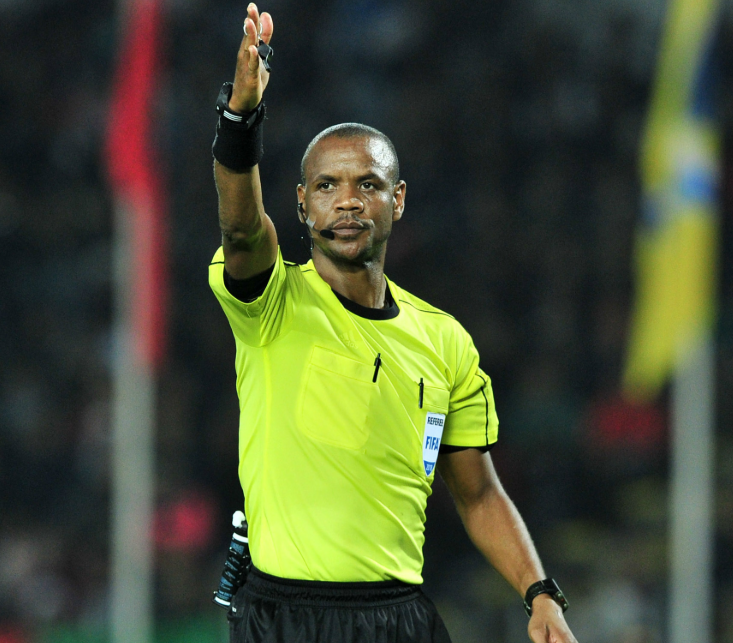
Janny Sikazwe. Photo courtesy: Ghana Football Association
This incident was seen when the television broadcast showed the VAR room during the match. Critics claim that Sikazwe made a gesture that looks like an inverted “OK” (okay) sign. It is said that this has been linked with far-right extremist and white nationalist groups in recent years.
This sign has been internationally controversial for a decade. According to some reports, Brenton Tarrant, the perpetrator of the 2019 Christchurch mosque attacks in New Zealand, displayed a similar sign when appearing in court. Some media outlets have also mentioned this sign as one of the hate symbols used by extremist groups.
Following this allegation, demands were made to FIFA to remove Sikazwe from the World Cup referee team. However, later, FIFA’s investigation concluded that the allegations against him were not proven.
Former Premier League referee Mark Clattenburg explains that the role of a referee in big tournaments like the World Cup is much more challenging and high-pressure than in a normal match. In such a match, the referee is not just a person implementing the rules. They are also an important decider who protects the fairness, speed, and balance of the game. He understands that because of this, the mental state and method of making decisions are very different from a normal match.
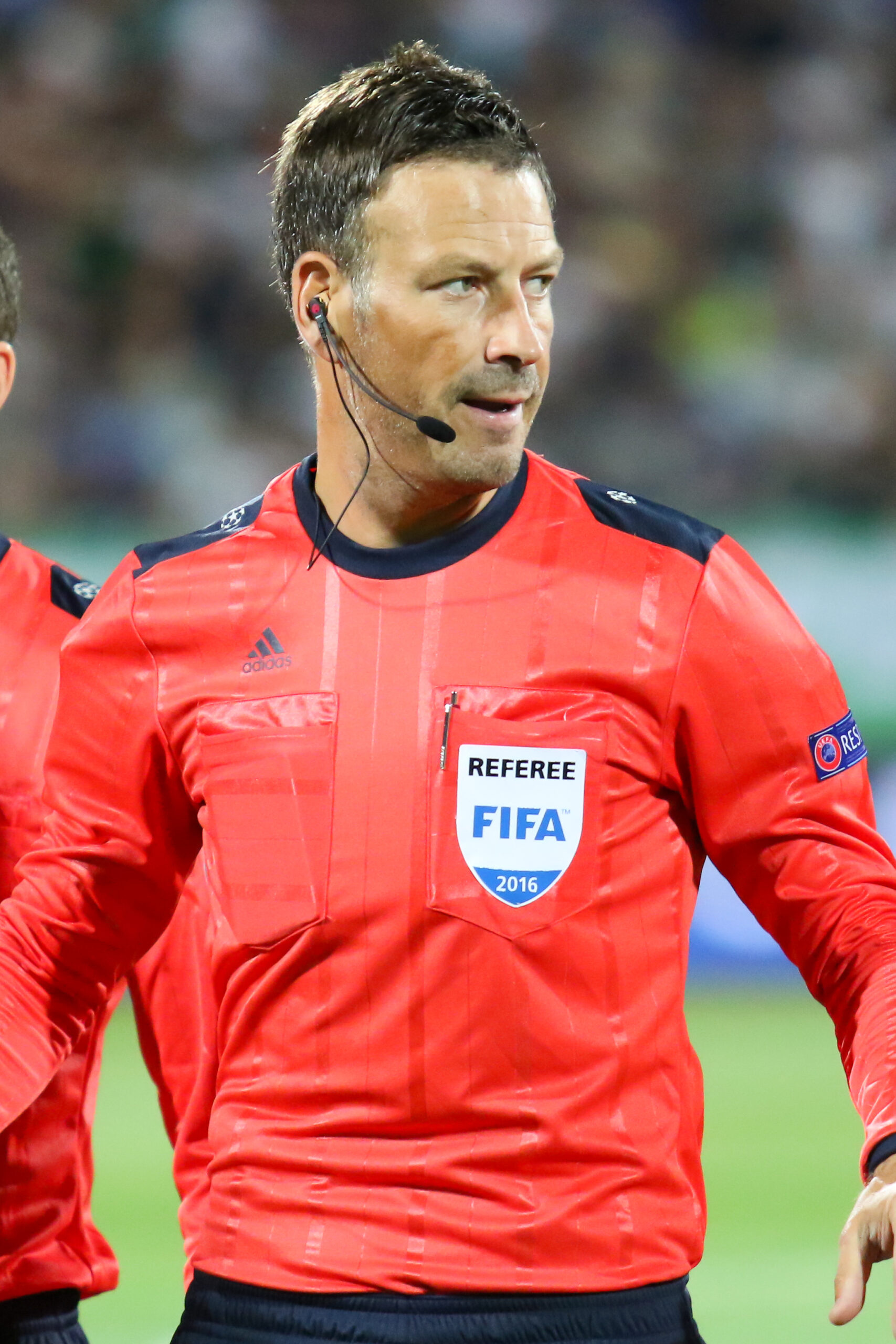
Mark Clattenburg. Photo courtesy: Wikimedia Commons
“In big matches, referees are under pressure to make decisions in a split second. It is almost impossible to be completely error-free,” he says. The eyes of tens of millions of spectators are on such matches. The stadium atmosphere, television cameras, and social media reactions are all linked to the referee’s decision. Even a small mistake can change the outcome of the match and affect the referee’s career and reputation as well. Therefore, decisions must be taken while under constant mental stress.
In addition to this, referees tend to show a cautious approach in big matches. In situations where it is not clearly seen, they hesitate to make an immediate decision, give a red card, or award a penalty. In most cases, they reach a final decision only after taking the assistance of VAR so that the possibility of a mistake is minimized.
“Engaging continuously in small, minor fouls can ruin the momentum of the game and make it uncomfortable to watch. Therefore, sometimes a decision is made to deliberately let play continue during minor contact or general disputes. This helps maintain the continuity of the game,” he says.
Nevertheless, big matches are still left to take place in the World Cup. It is certain that massive teams will clash in these big matches. It remains to be seen how much improvement will occur in the referee’s decisions during these big matches.