Kathmandu
Sunday, June 28, 2026





KATHMANDU: Top communist leaders have issued a collective call for strategic realignment, structural introspection, and urgent functional collaboration among left-wing forces to counter perceived foreign interference and political conspiracies designed to weaken the communist movement in Nepal.
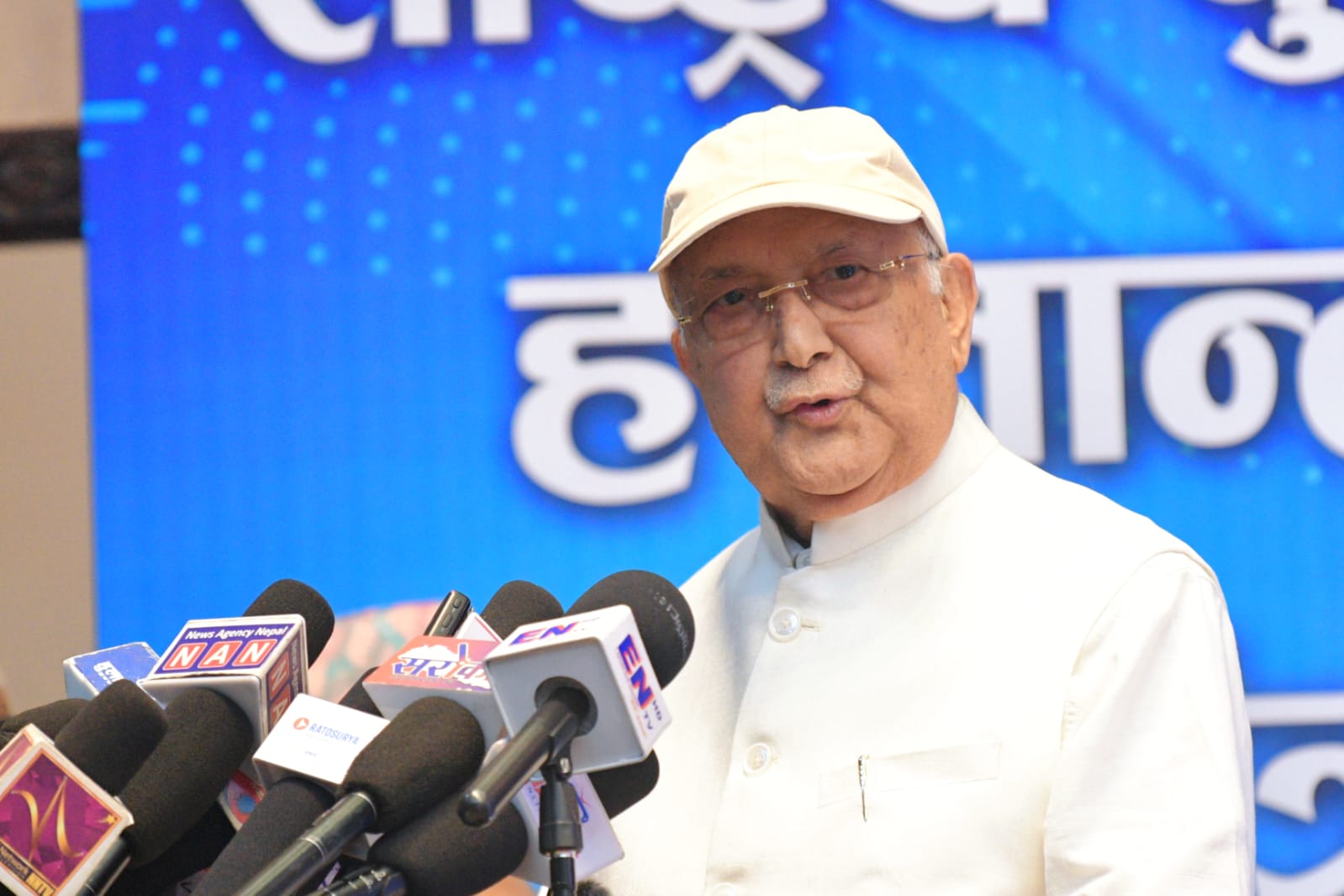
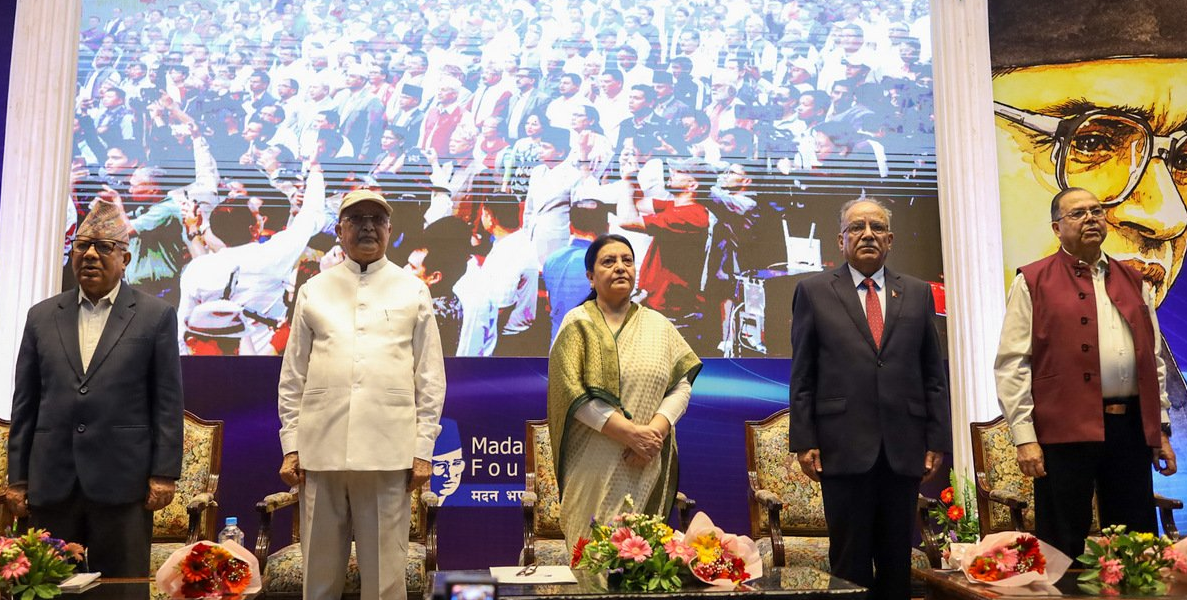
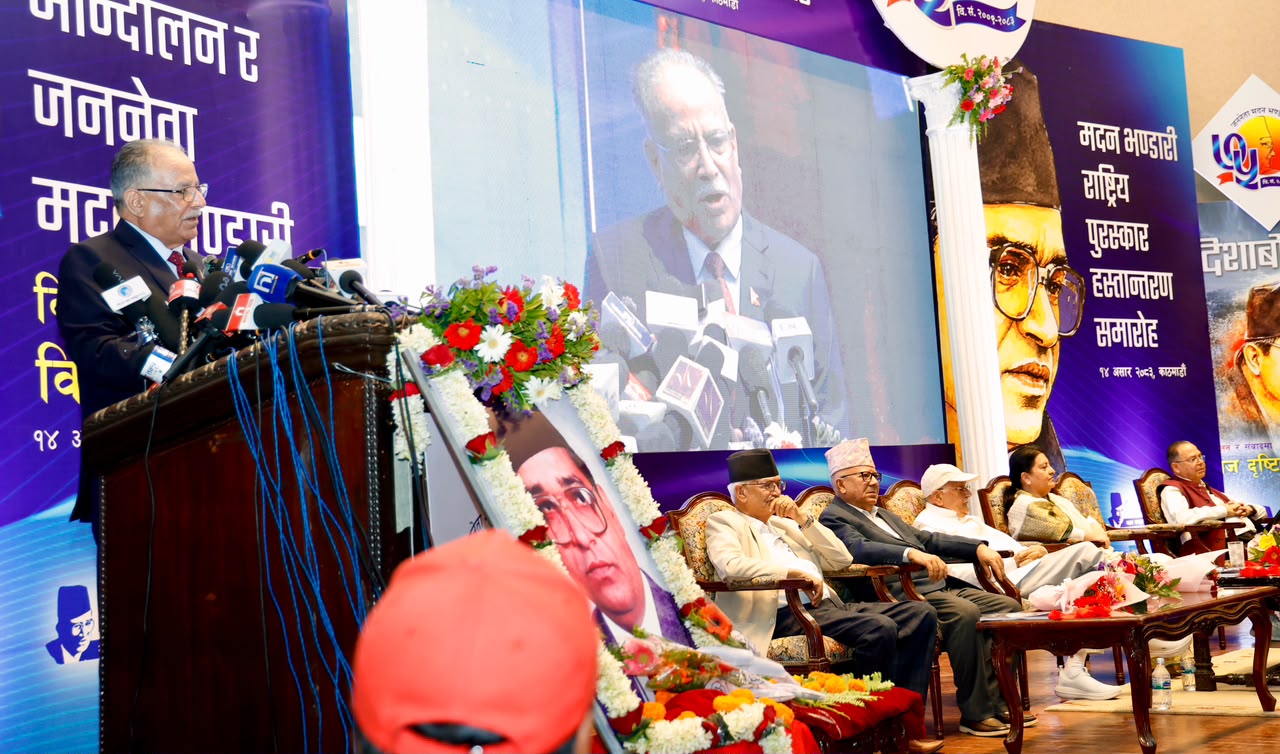
Speaking at a seminar titled “Nepal’s Communist Movement and People’s Leader Madan Bhandari,” organized in the capital to mark the 75th birth anniversary of the late UML General Secretary, former prime ministers and senior leaders emphasized that while immediate structural unification remains unlikely, functional cooperation is now a historical necessity.
Nepali Communist Party Coordinator Pushpa Kamal Dahal ‘Prachanda’ delivered a stern warning to left-wing factions, emphasizing that failing to launch immediate cooperation across the parliament, the streets, and electoral frontiers could trigger a “catastrophic disaster” for the nation.
Drawing parallels to geopolitical shifts in neighboring India, where he noted reactionary forces declared the elimination of the communist movement, Prachanda asserted that similar reactionary conspiracies are actively playing out in Nepal.
He identified recent political turbulence, including the incidents of September 8 and 9, 2025 and the subsequent elections, as direct consequences of these plots.
While clarifying that he is not demanding an overnight merger of all communist parties, Prachanda stressed that delaying even basic functional collaboration against autocracy, fascism, and external pressures would prove deeply unfortunate for national sovereignty.
Echoing the urgency for a unified front, Nepali Communist Party leader and former Prime Minister Jhalanath Khanal stated that contemporary political circumstances have made left-wing unity absolutely mandatory.
Reflecting on past historical failures, Khanal remarked with candid self-criticism that previous attempts at unity fractured because leaders grew arrogant, metaphorical “horns and humps,” which prevented them from finding common ground.
He claimed that foreign imperialist forces are currently unleashing chaos across Nepal, arguing that communists have no choice but to unite if they wish to launch a dynamic resistance against external meddling.
Khanal urged all factions to treat the late leader’s birth anniversary as a crucial launching pad for long-term leftist cooperation.
However, Nepali Communist Party Co-coordinator and former Prime Minister Madhav Kumar Nepal injected a note of pragmatism into the discussion, asserting that genuine communist unity cannot be achieved through emotional rhetoric alone.
Evoking Madan Bhandari’s famous adage that “mere words cannot moisten beaten rice,” Nepal noted that he sees no realistic possibility of the various communist parties merging today or tomorrow unless there is a deep ideological alignment.
Instead of chasing superficial agreements, he called for rigorous internal soul-searching and an objective review of past institutional errors and anomalies within each faction.
Nepal concluded that the only viable path forward is for left-wing forces to keep their feet firmly on reality, initiate broad ideological debates, and immediately cooperate on mutually agreeable issues while systematically bridging their differences.