Kathmandu
Wednesday, July 8, 2026





With its report in the final stages, the government-appointed task force has lost four participating opposition parties, exposing deep disagreements over its mandate, legitimacy and the scope of constitutional reform.
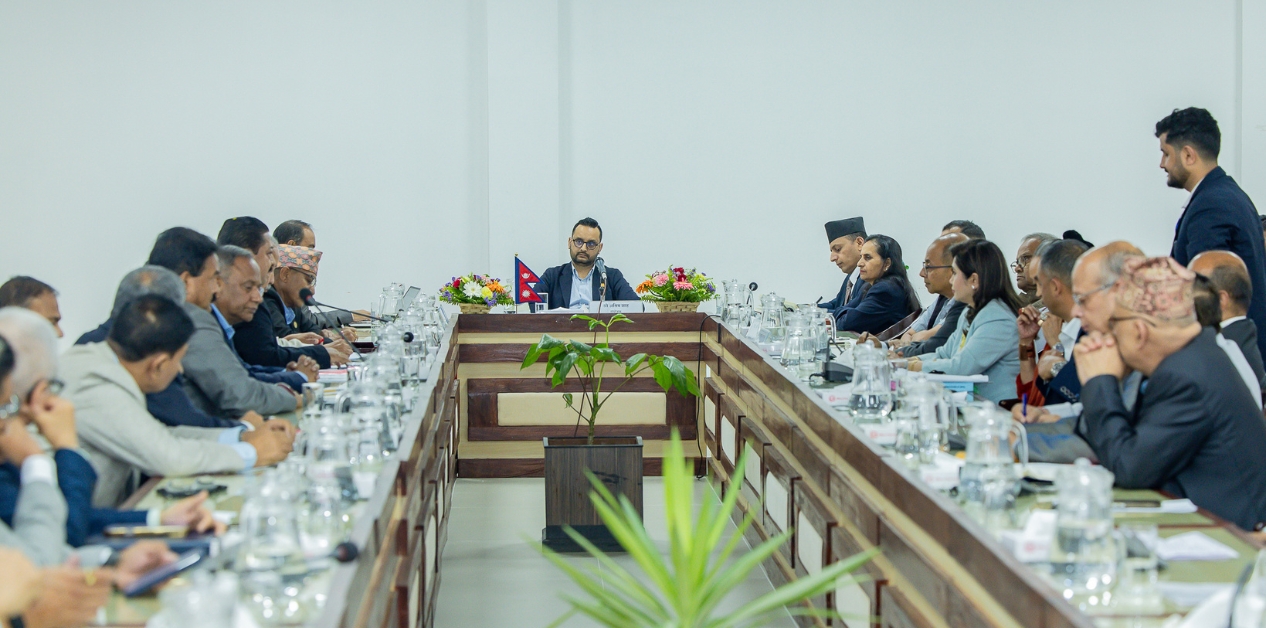
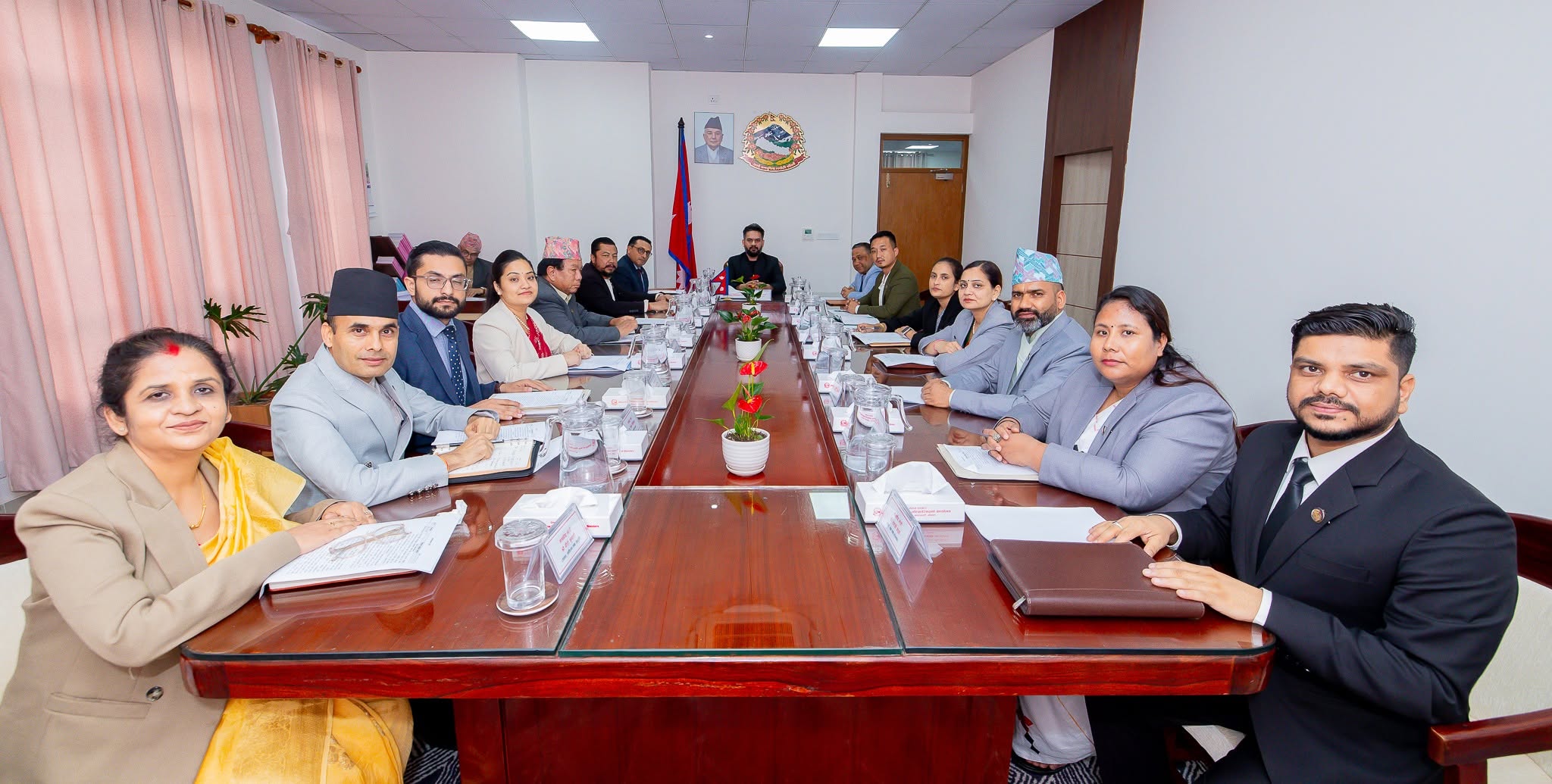
KATHMANDU: The task force formed by the government to draft a discussion paper for constitutional amendment is in the final stages of report writing. Concurrently, four participating opposition parties have abruptly announced their withdrawal from the task force. Representatives of these parties, who had spent nearly three months offering recommendations and participating in discussions with various stakeholders, announced their exit while questioning the task force’s jurisdiction and legitimacy.
Representatives from the Communist Party of Nepal (CPN), the Janata Samajbadi Party (JSP), the Loktantrik Samajbadi Party (LSP), and the Rastriya Janamorcha submitted a joint letter on Monday, July 6, conveying their decision to leave. They demanded the cancellation of the entire discussion paper process, alleging an attempt to assault the basic structure of the Constitution.
The Rastriya Swatantra Party (RSP) had prioritized constitutional amendment in its manifesto for last year’s parliamentary elections. Similarly, the 100-point agenda on governance reform unveiled by the RSP-led government, which was formed after securing a near two-thirds majority in the elections, also included plans for constitutional amendment. The fourth point of the 100-point governance reform agenda—approved during the first cabinet meeting of the Balendra Shah-led government on March 27—stated: “To forge national consensus on matters concerning constitutional amendment, the Office of the Prime Minister and Council of Ministers shall form a task force within seven days to prepare a constitutional amendment discussion paper.” Accordingly, the task force was formed on March 30, under the leadership of Asim Shah, the Prime Minister’s political advisor. The task force held its first meeting on April 7.
The task force has already collected recommendations after holding discussions with the former President, former Prime Ministers, constitutional experts, legal practitioners, and various stakeholder groups. As the task force pushed its report writing into the final phase to submit the discussion paper to Prime Minister Shah within its given deadline of mid-July, opposition representatives abruptly walked out.
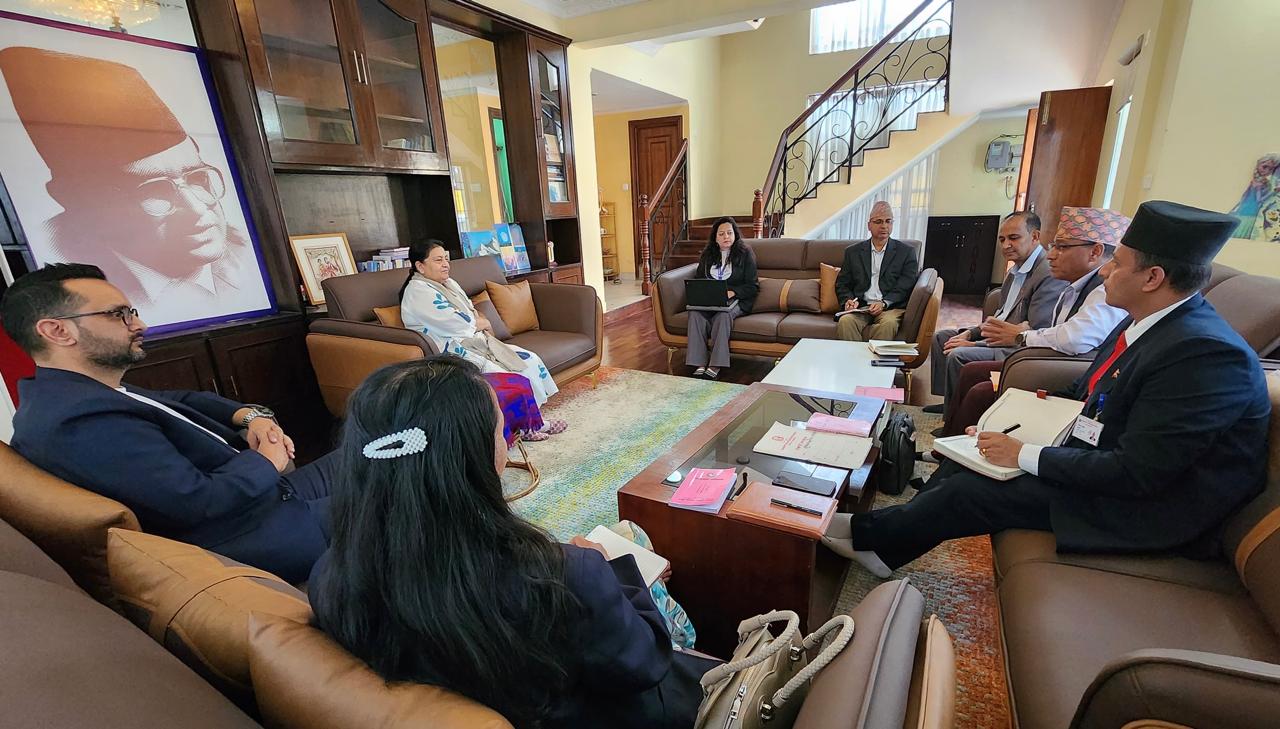
Members of the constitutional amendment task force collecting recommendations regarding constitutional amendment from former President Bidya Devi Bhandari.
Dev Gurung representing the CPN, Surendra Jha from the Janata Samajbadi Party, Laxman Lal Karna from the Loktantrik Samajbadi Party, and Manoj Bhatta from the Rastriya Janamorcha sent a joint letter to task force coordinator Shah, stating they would not participate in meetings from July 6, onward. The letter states that looking at the recommendation collection process, it appears as though there is an attempt to rewrite the entire Constitution by opening up all articles and clauses. The party leaders also mentioned that despite being in the task force for a long time, they failed to comprehend whether the objective was a constitutional rewrite or an amendment.
In the 6-point letter submitted by the party representatives, they demanded that the issue of constitutional amendment not be entered into and that the discussion paper process be scrapped. They insisted that the government clarify its commitment to leaving the preamble and the articles and clauses outlining basic values untouched. “The government must initiate a national consensus by organizing an all-party meeting of leaders represented in the Federal Parliament regarding which specific issues need amendment and for what reasons. If these matters are not addressed, we inform you that the parties cannot participate in the current process of the government’s task force for preparing the discussion paper.”
Political parties and legal practitioners have also been raising questions about the task force’s coordinator, Shah, regarding his concern and expertise on the Constitution. During discussions called by him, issues were raised that he should not have been made the coordinator because he is neither a member of the Federal Parliament nor an expert on the Constitution.
Why did they withdraw?
Although the ‘Task Force for Preparing the Constitutional Amendment Discussion Paper 2026’ has seen the exit of opposition parties, the preparation of the discussion paper continues. Mohan Lal Acharya, a member of the House of Representatives representing RSP in the task force, states that the parties raised questions just as the writing of the discussion paper reached its final stage. “After the writing process began, they raised six issues. We were maximally flexible,” he says. “After sitting in the task force for 83 days and discussing with various stakeholders, they raised questions about the very name of the task force. Had this question been raised at the beginning, the name probably would have been changed back then.”
He mentions that the opposition parties claimed discussions cannot be held on all constitutional matters. He argues that saying a discussion cannot even be held is wrong. “One cannot go against the basic structure of the Constitution, true, but it is unacceptable to say that issues cannot be discussed at all; holding a discussion does not automatically alter things,” he says. “Disagreements on content may arise during discussions. We proceed on matters of common consensus, while discussions on the remaining issues will continue. It doesn’t mean amendments must happen all at once.”
He states that the parties imposed conditions despite there being an open avenue to channel unresolved matters as open discussions. He believes internal issues within the respective parties might have also prompted their exit from the task force.
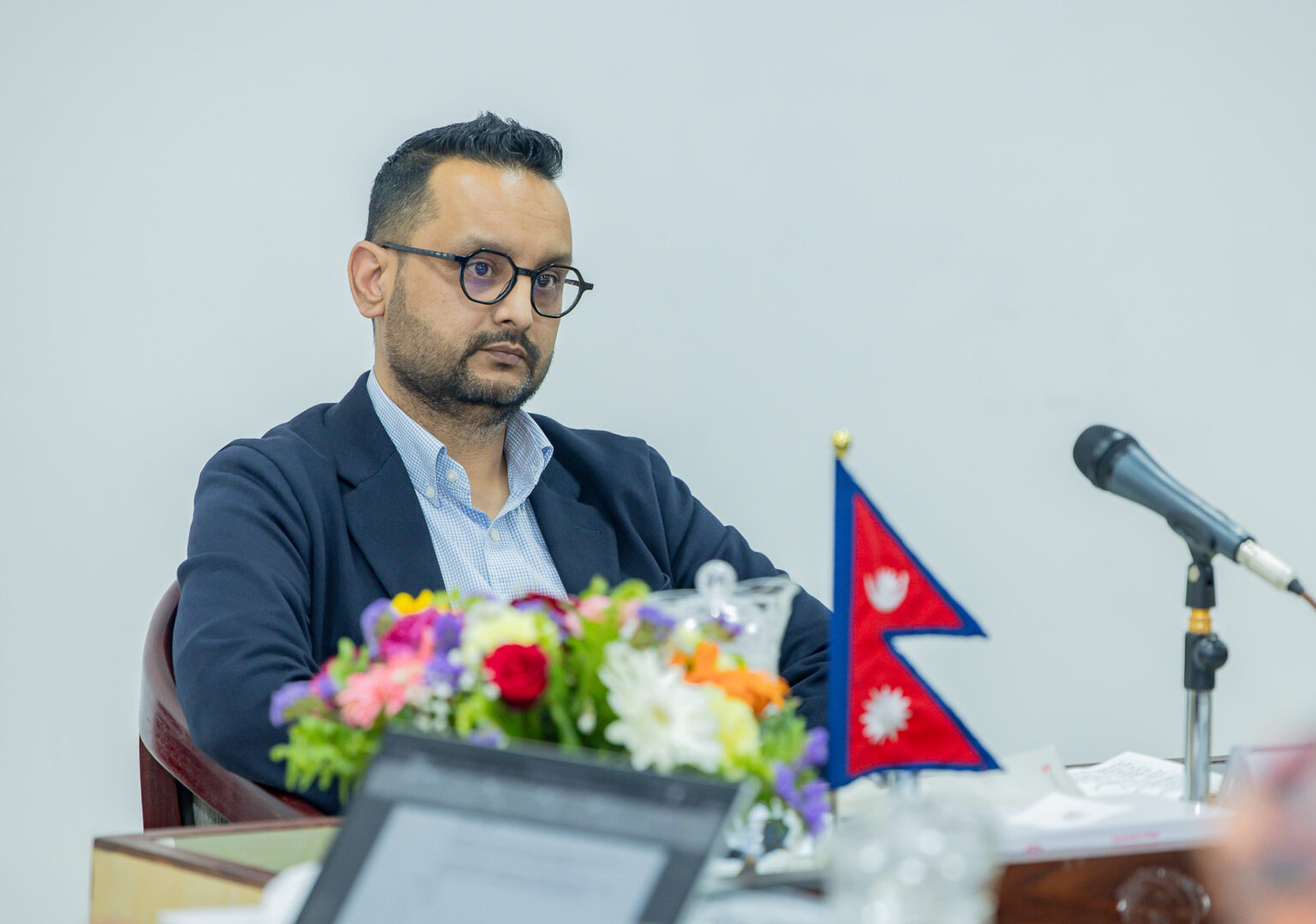
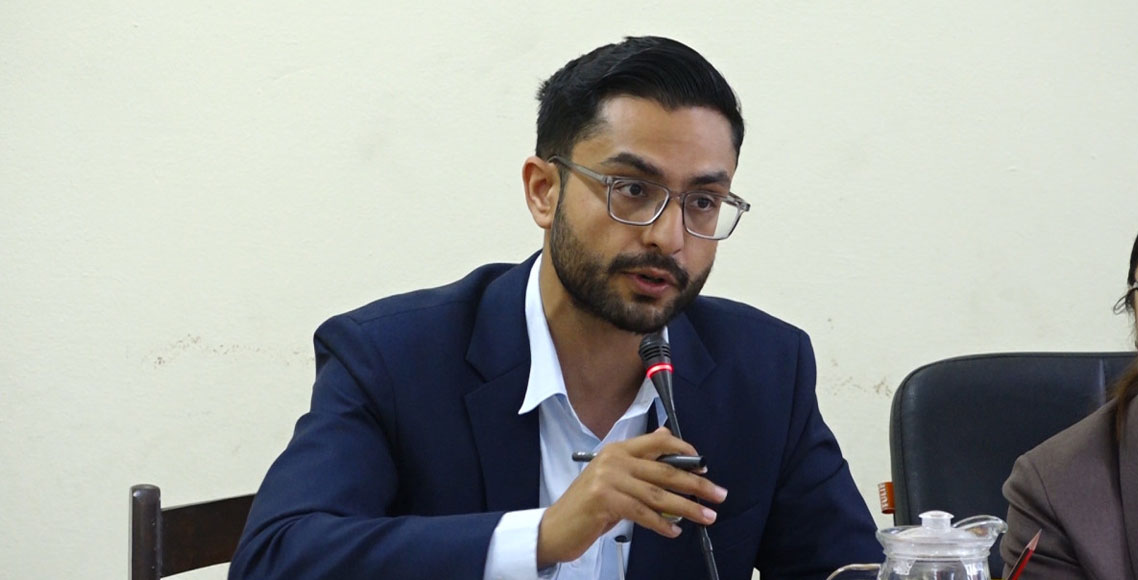
Asim Shah, coordinator of the task force formed to prepare the amendment discussion paper.
According to Acharya, more than 44,000 suggestions have been received from across the country after recommendations for constitutional amendment were sought. He argues that limiting the scope of the discussion topics would insult these suggestions. MP Acharya states that the task force, which was given until mid-July to prepare the discussion paper, will submit the report to the government within six days.
The main opposition party, Nepali Congress, never sent its representative to the task force. The opposition party CPN (UML) stated it would not participate after attending two meetings. Representatives from other parties, however, had been participating in all discussions until now.
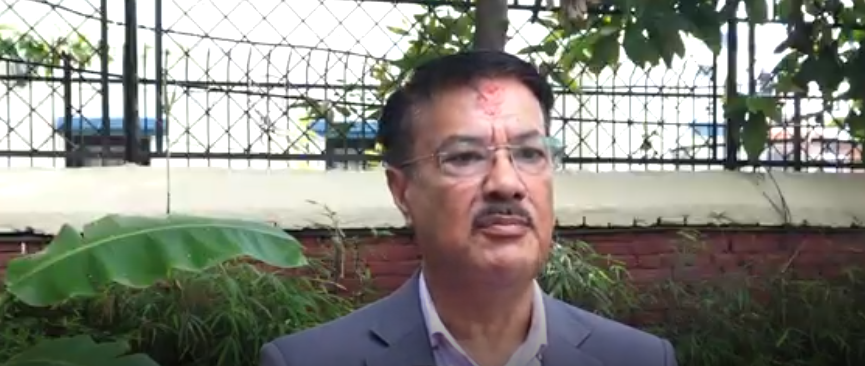
Dev Prasad Gurung, a Constituent Assembly member and former Law Minister who served as a task force member on behalf of the CPN, states that they had raised questions regarding the task force from the very beginning, but were ignored. “The task force met only three times in total. We raised the issues verbally from the start,” he says. “When they were not ready to listen verbally, we gave it in writing. The task force’s terms of reference are unclear, and it lacks legitimacy as well.”
Gurung states that they exited the task force because it appeared to seek a mandate from the parties to dismantle the basic structure of the Constitution, which was built after prolonged struggle, movements, and sacrifices.