Kathmandu
Friday, January 2, 2026





Number of tourists visiting Nepal increased by 1.7 percent in the last fiscal year, reaching 1,147,834
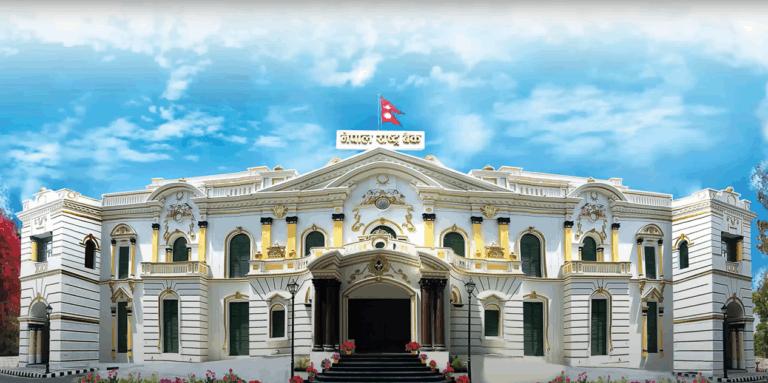
KATHMANDU: The Nepal Rastra Bank (NRB) has stated that economic activities have increased this year compared to the previous year and that the country’s economic growth rate will also be higher than the average. This comes despite estimates that the country’s economic growth rate would be weak in the current fiscal year 2025/26, compared to the previous fiscal year.
Making public the Economic Activity Study Annual Report for the last fiscal year 2024/25 recently, the central bank stated that economic activities would increase this fiscal year compared to last fiscal year.
“In fiscal year 2025/26, inflationary pressure remains low. Globally, fuel and food prices have declined; interest rates on credit and deposits are on a downward trend; hydropower production has increased significantly; along with an increase in the arrival of foreign tourists, exports and remittance inflows have also grown; and the construction and manufacturing sectors, which had been in contraction for the past few years, have been expanding due to the monetary easing undertaken by this bank. As a result, economic growth is likely to be higher than average,” the NRB’s report states.
The NRB estimates that economic activities in the current fiscal year will be more positive compared to the previous year. “With sufficient liquidity in the economy, the government promoting good governance and advancing reconstruction, suspending budgets for small and unprepared projects and prioritizing projects, among other measures, the economy is expected to become more dynamic and economic activities to increase,” the central bank said in the report.
According to the National Statistics Office, the preliminary estimate for Nepal’s economic growth rate in fiscal year 20824/25 is 4.6 percent at consumers’ prices and 4 percent at current prices.
The report estimates the contribution of agriculture, industry, and services sectors to the total gross domestic product (GDP) in the last fiscal year at 25.2 percent, 12.8 percent, and 62 percent, respectively.
In the country’s total GDP last fiscal year, Bagmati Province has the largest share at 36.5 percent. Koshi Province’s share is 15.9 percent, while Karnali Province has the smallest share at 4.2 percent.
According to the report, production of major agricultural crops increased by 3.7 percent last fiscal year, while the area covered by such crops decreased by 2.2 percent.
Similarly, vegetable production increased by 10.1 percent and spice production by 0.7 percent, while fruit production decreased by 3.3 percent.
Under livestock production, milk production decreased by one percent and meat production by 0.3 percent. Egg production increased by one percent. Under forest-based production, timber production increased by 8.82 percent and firewood production by 4.74 percent, while the production of medicinal products decreased by 1.91 percent.
The NRB stated that the average capacity utilization of industries covered in the study was 44.5 percent last fiscal year. In the previous fiscal year 2023/24, such capacity utilization was 48.3 percent. As of the end of mid-July 2025, the share of industrial sector credit in the total loans extended by banks and financial institutions (BFIs) stands at 30.42 percent.
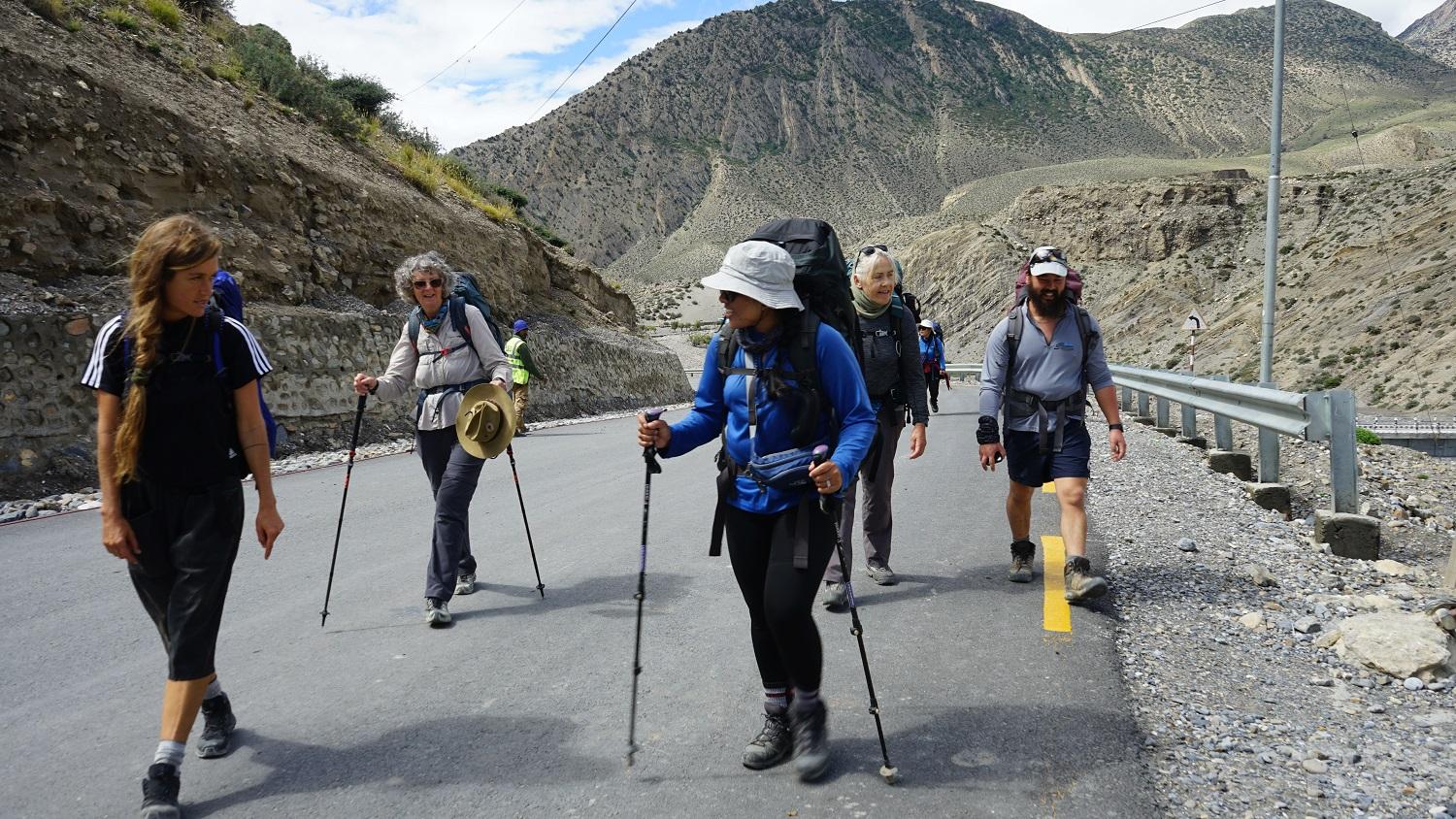
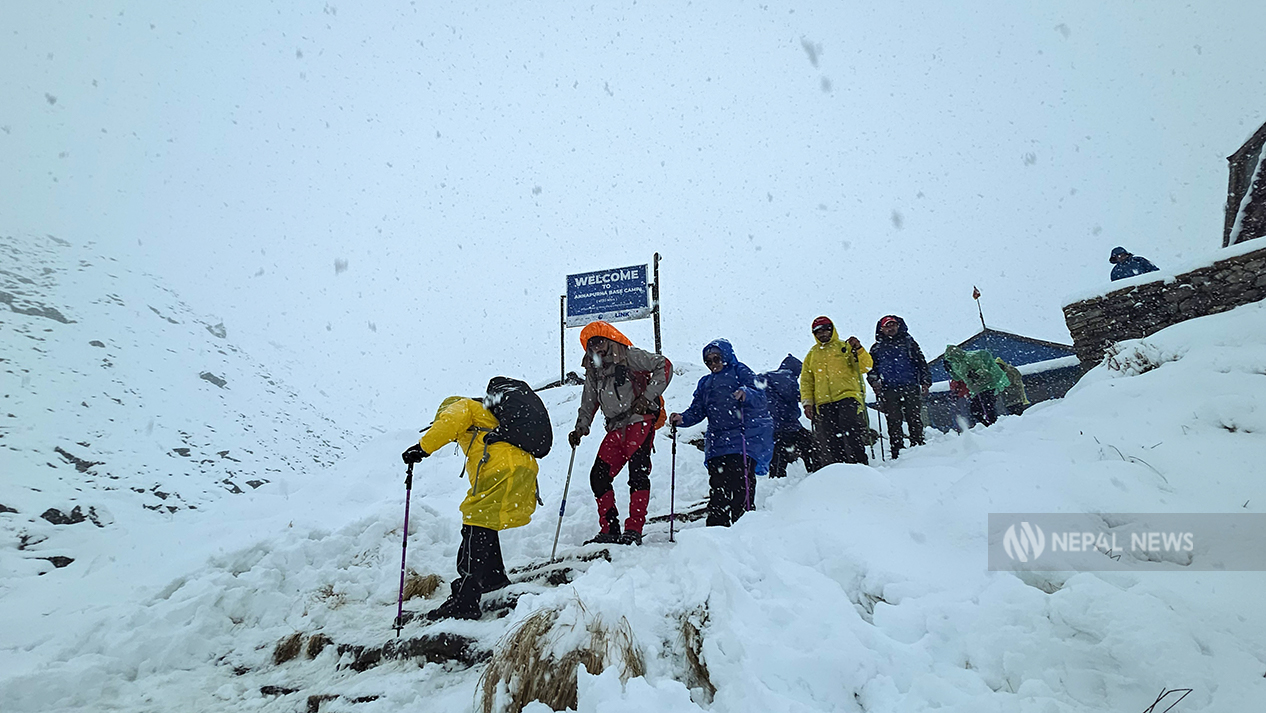
According to the report, the number of tourists visiting Nepal in the last fiscal year increased by 1.7 percent to reach 1,147,834.
Similarly, in the last fiscal year, the number of house/building design approvals decreased by 1.2 percent, and revenue collected from land and property registration decreased by 18.6 percent. Compared to mid-July 2024, by mid-July 2025, deposits of the BFIs increased by 12.5 percent and credit flow increased by 8.2 percent.
According to Nepal Rastra Bank, the average credit-to-deposit ratio stood at 76.6 percent at mid-July 2025. The share of Bagmati Province is high in the total deposits and loans of BFIs. The report states that this province accounts for 65.8 percent of total deposits and 59.5 percent of the total loans.