Kathmandu
Thursday, February 26, 2026





Current condition of Gorakhkali Rubber Industry dilapidated; 670 ropanis overgrown with bushes
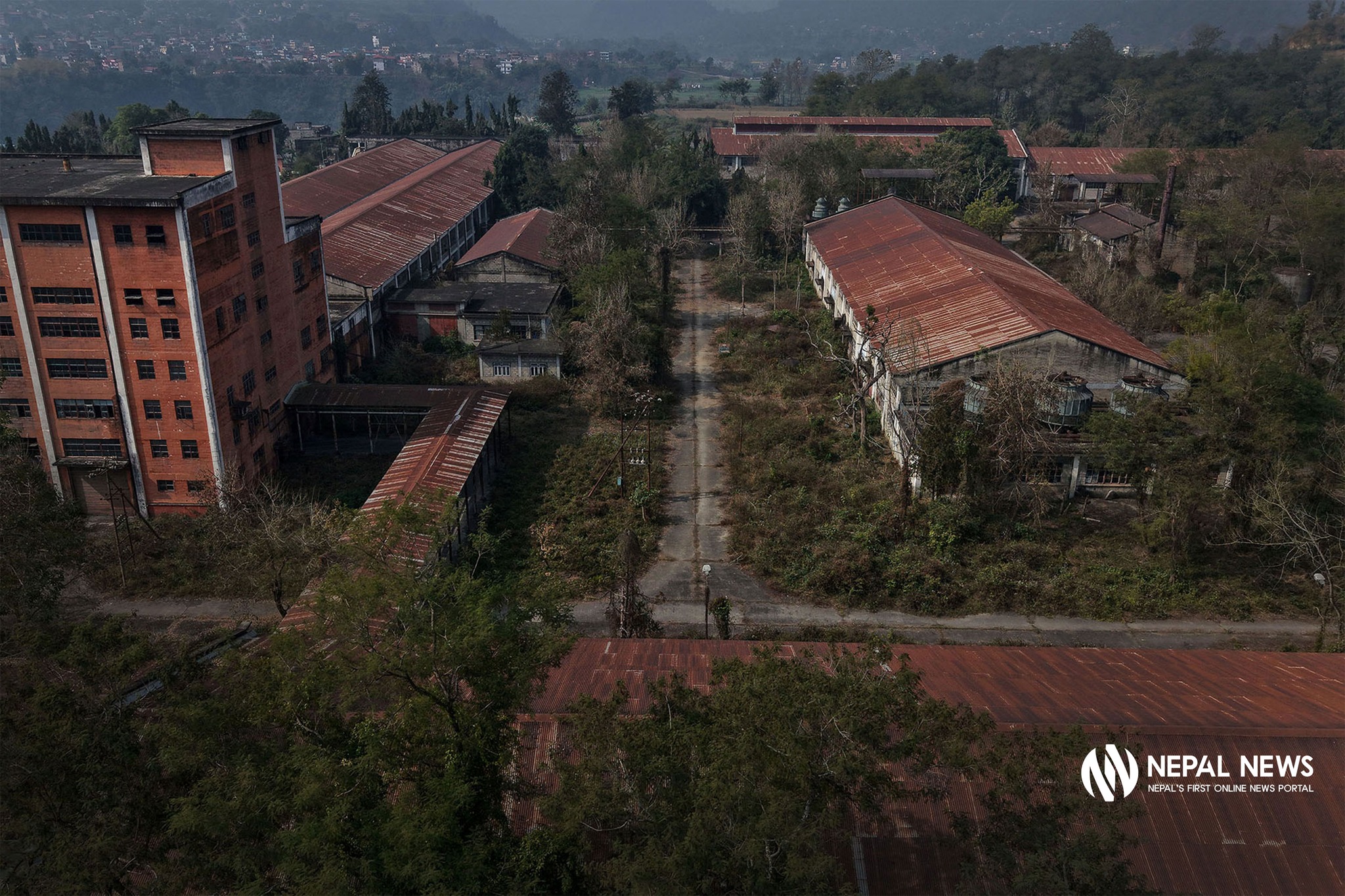
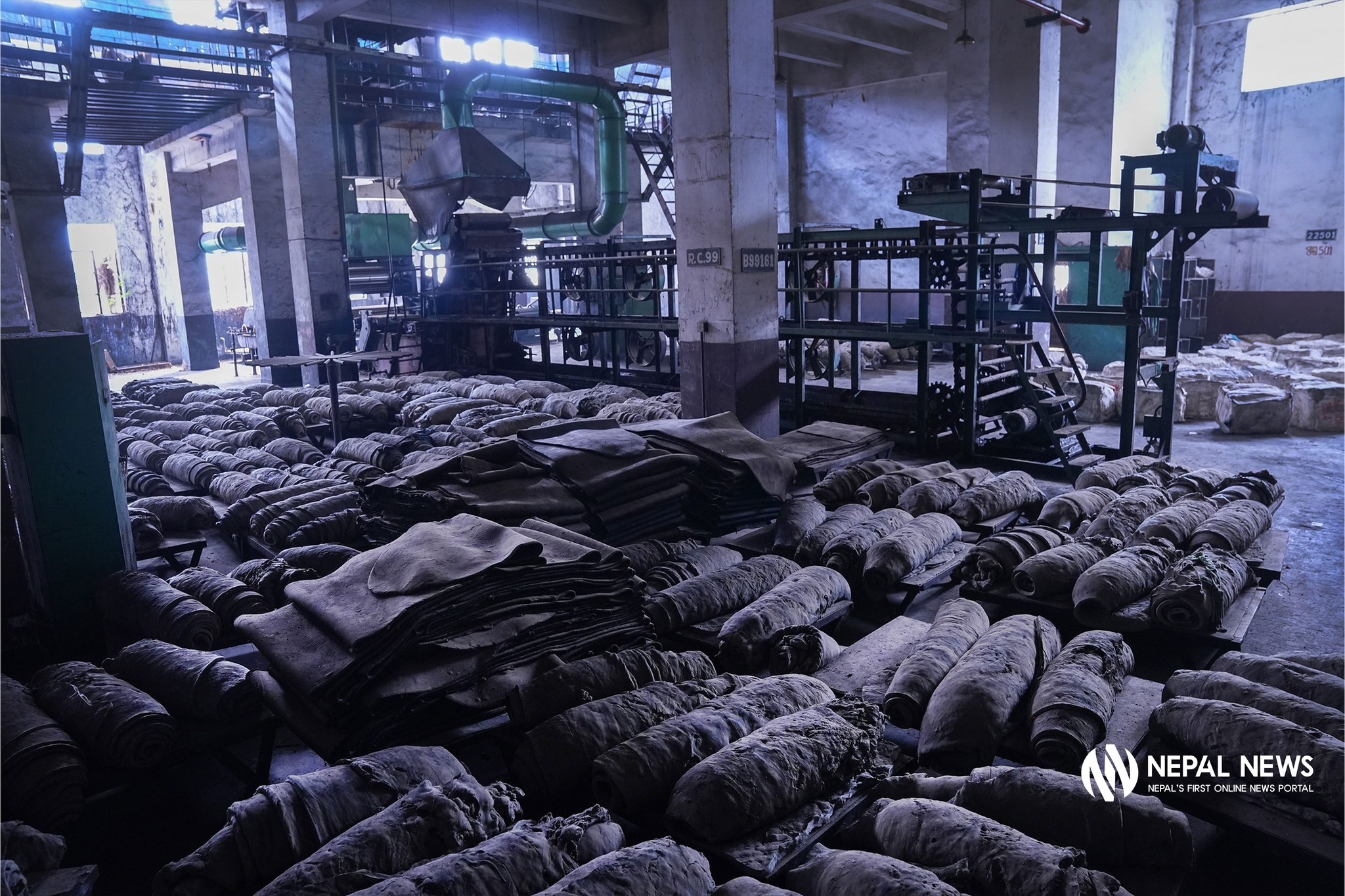
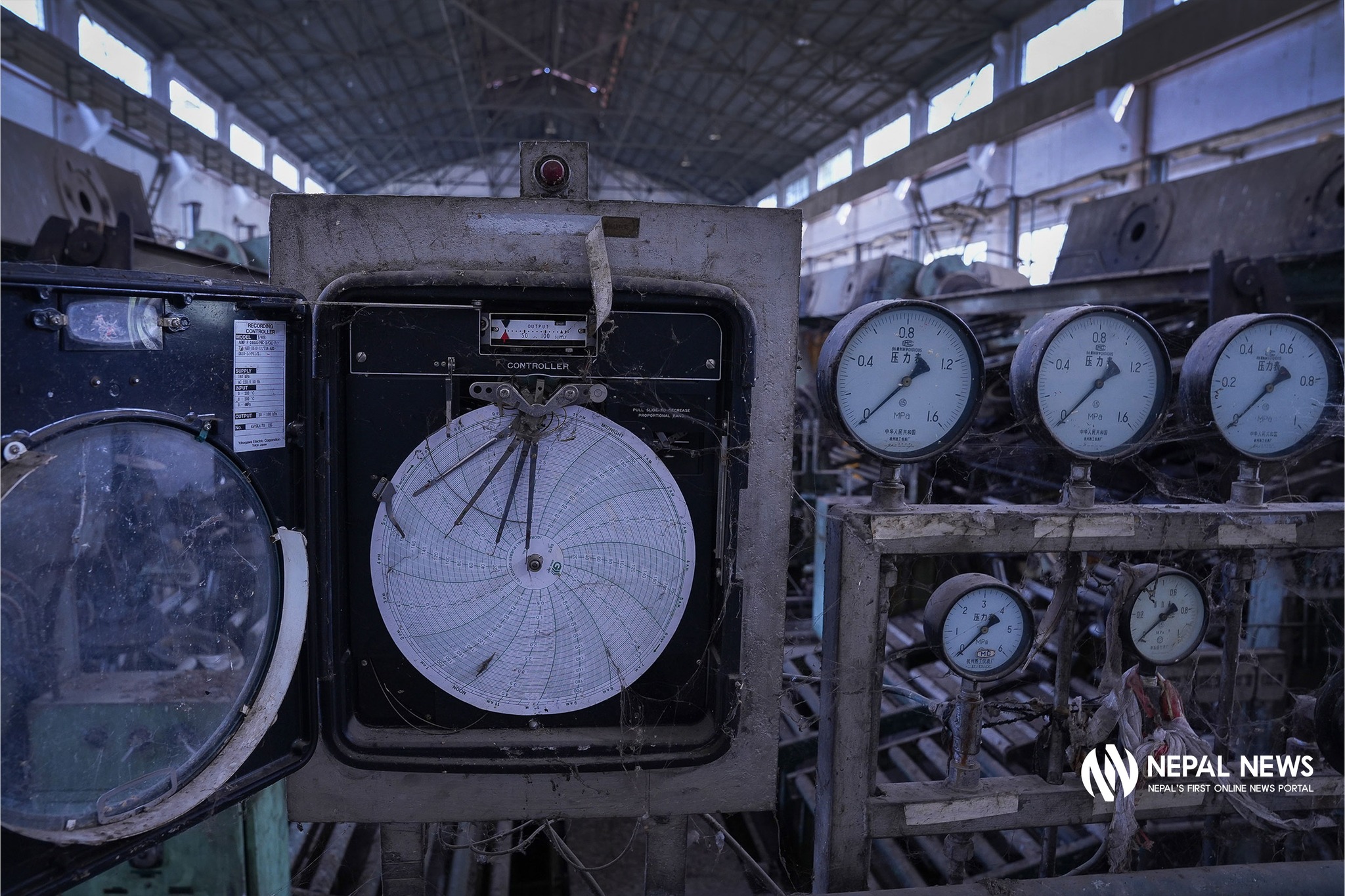
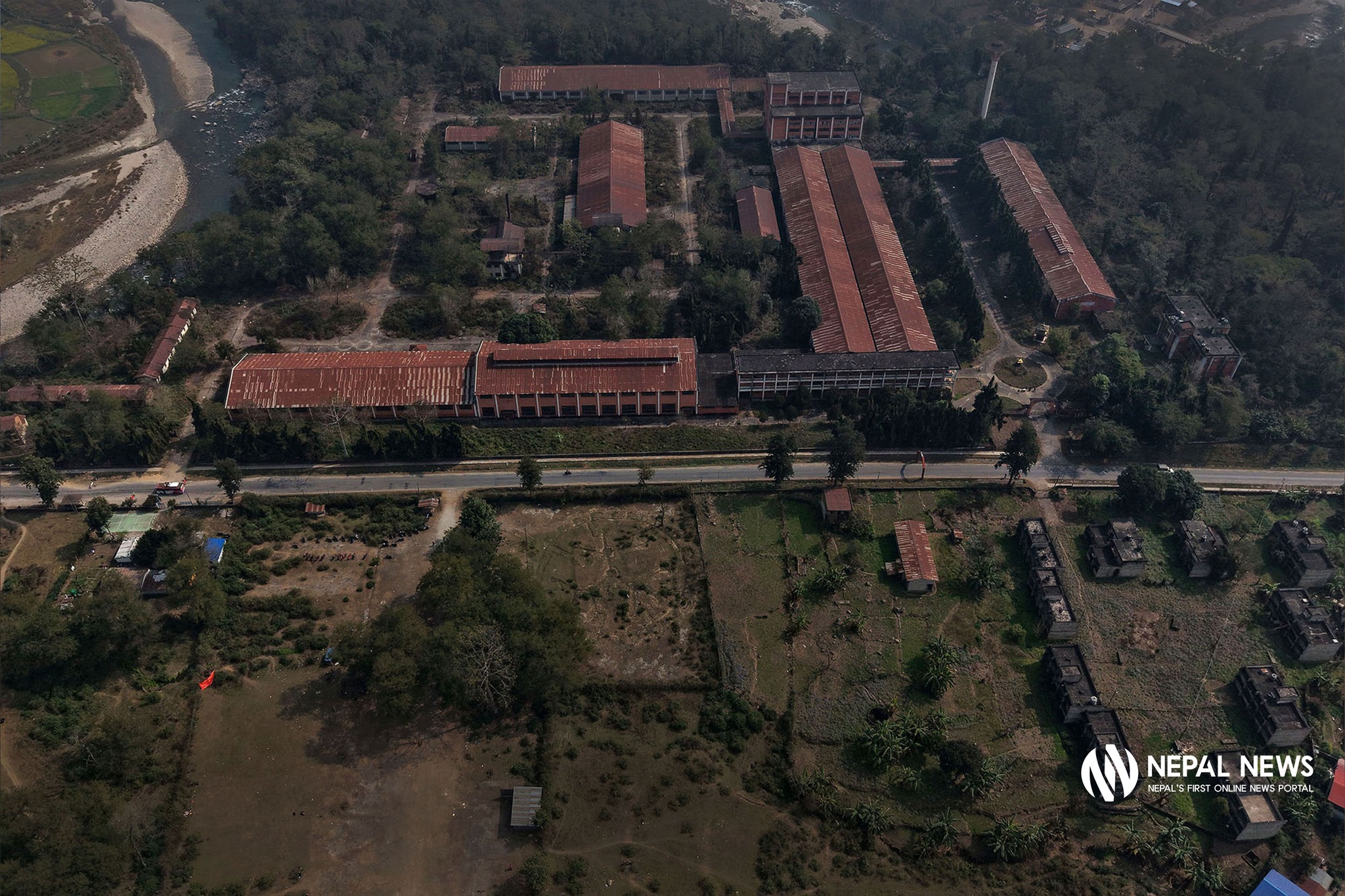
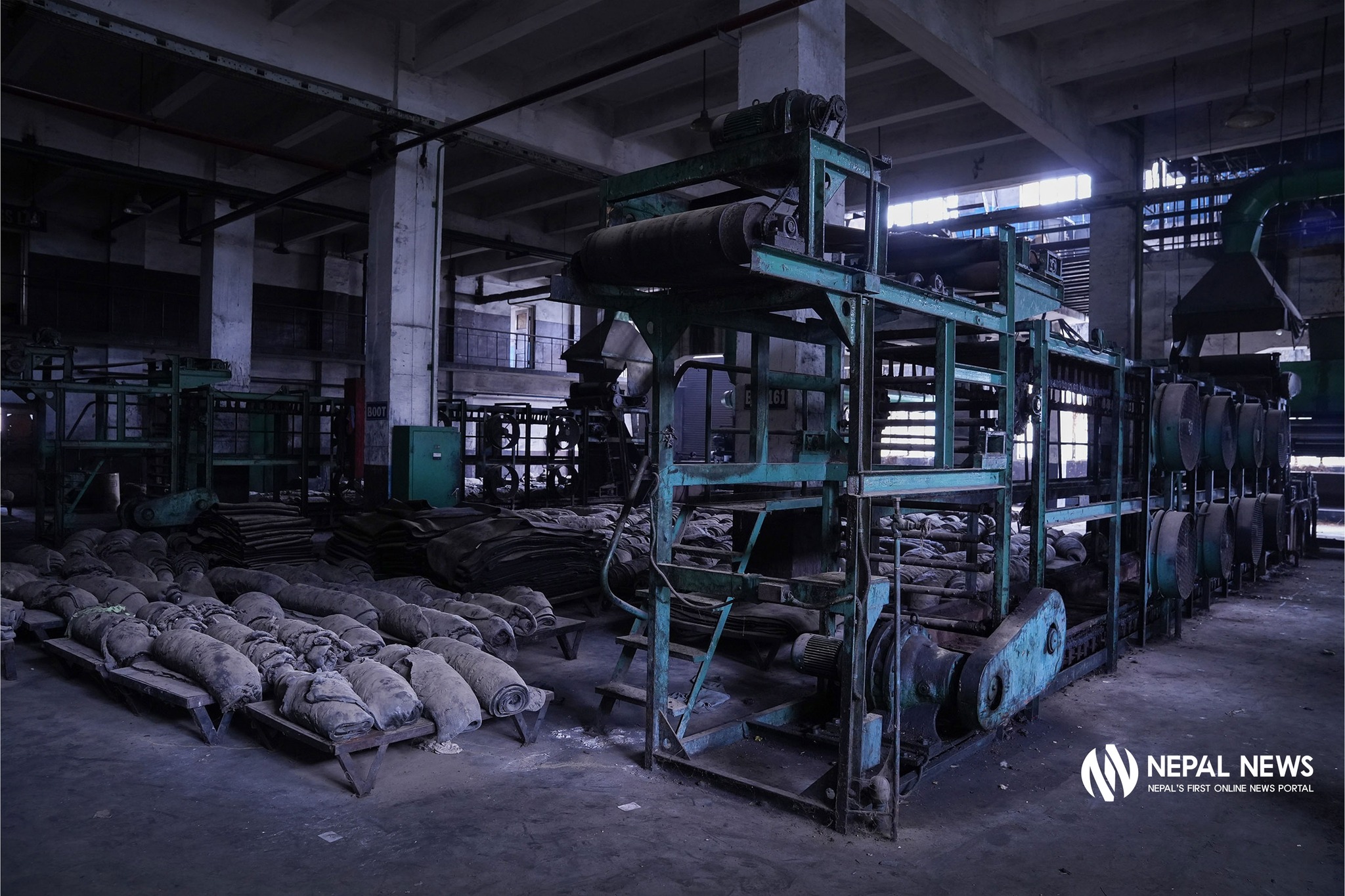
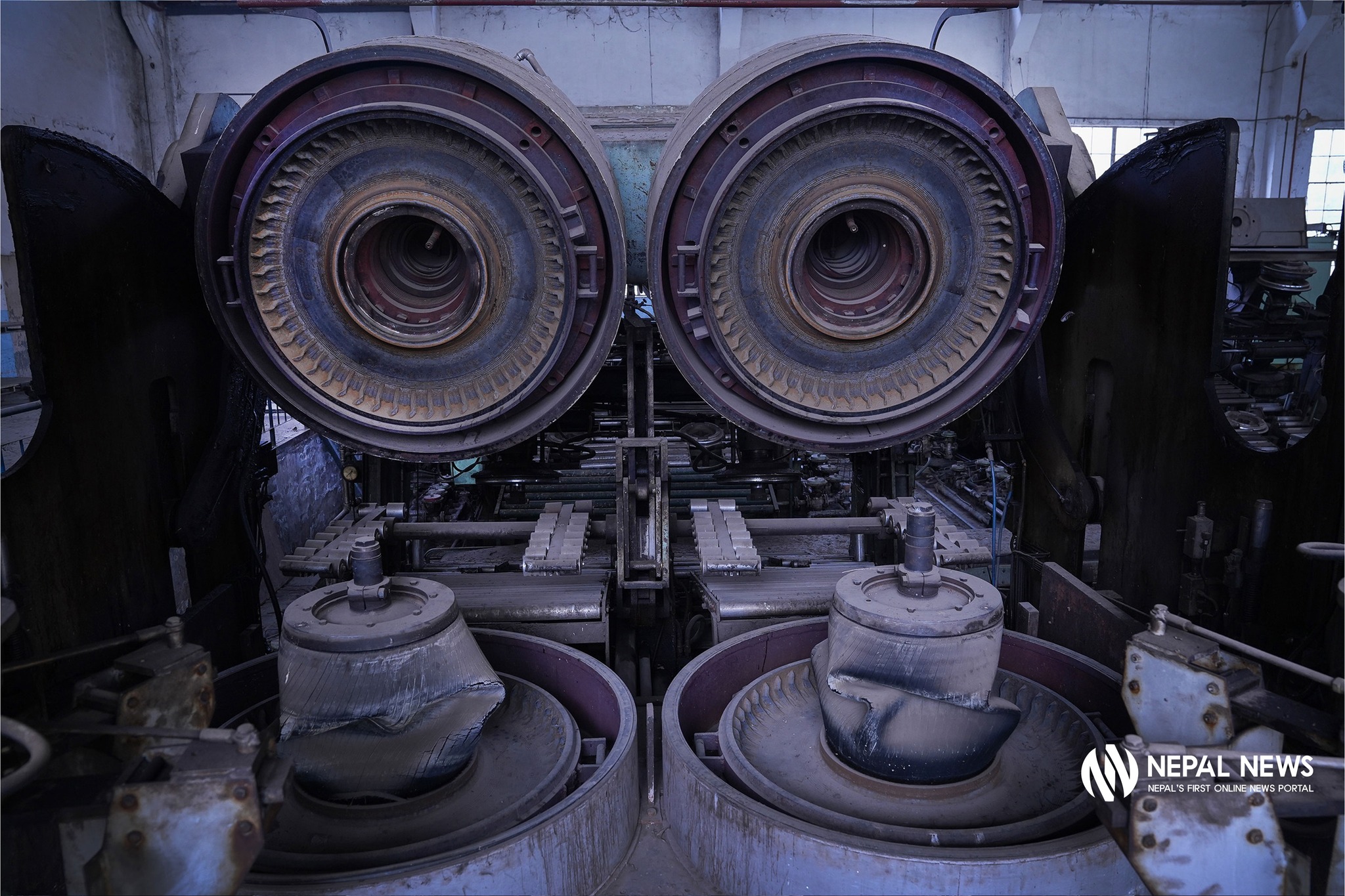
KATHMANDU: The structures of the Gorakhkali Rubber Industry, which was registered with the Department of Industry on 12 June 1984 and whose foundation stone was laid in 1985 by King Birendra, have now become dilapidated. The machinery parts are covered in rust, and spider webs hang over them.
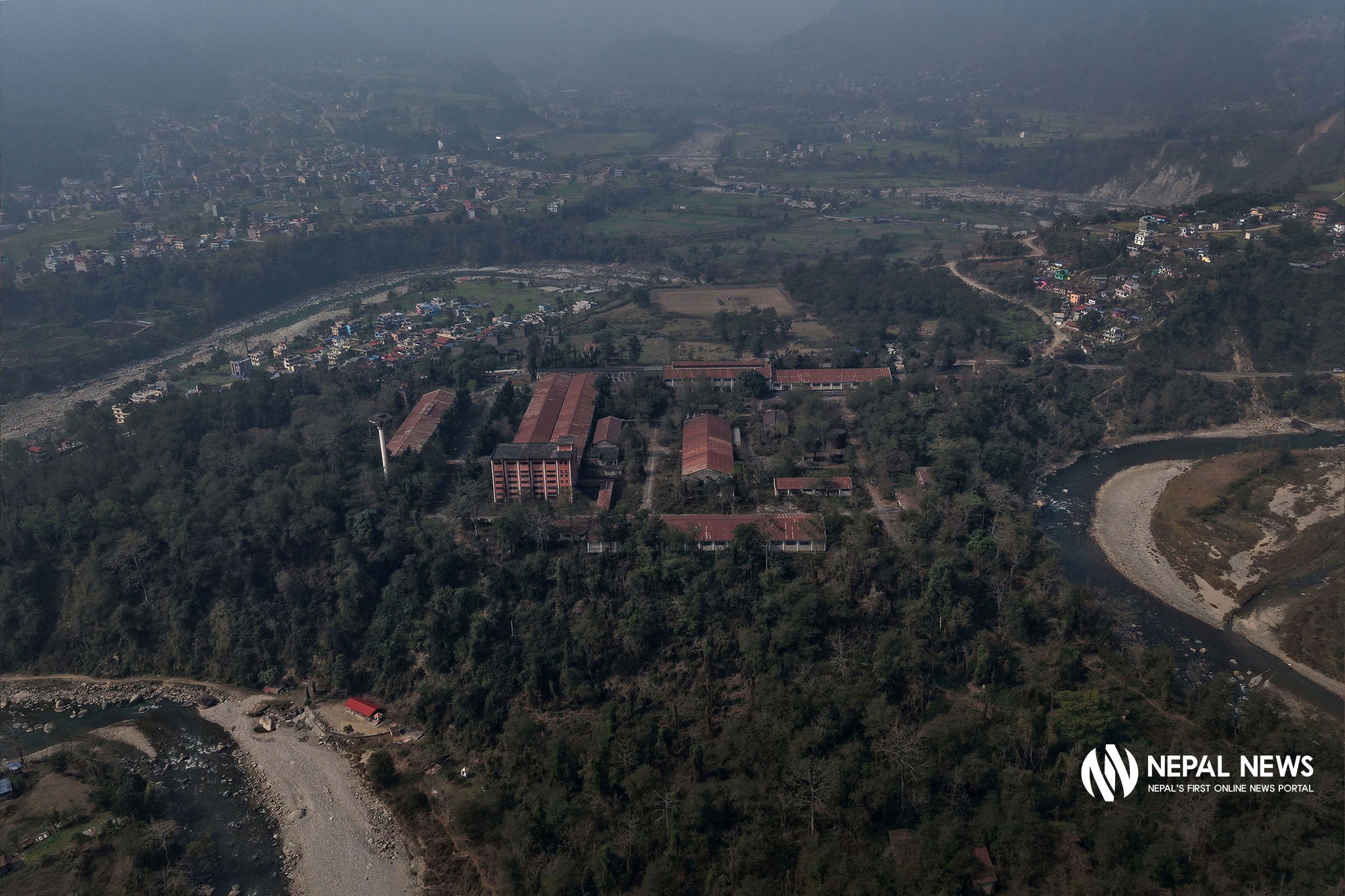
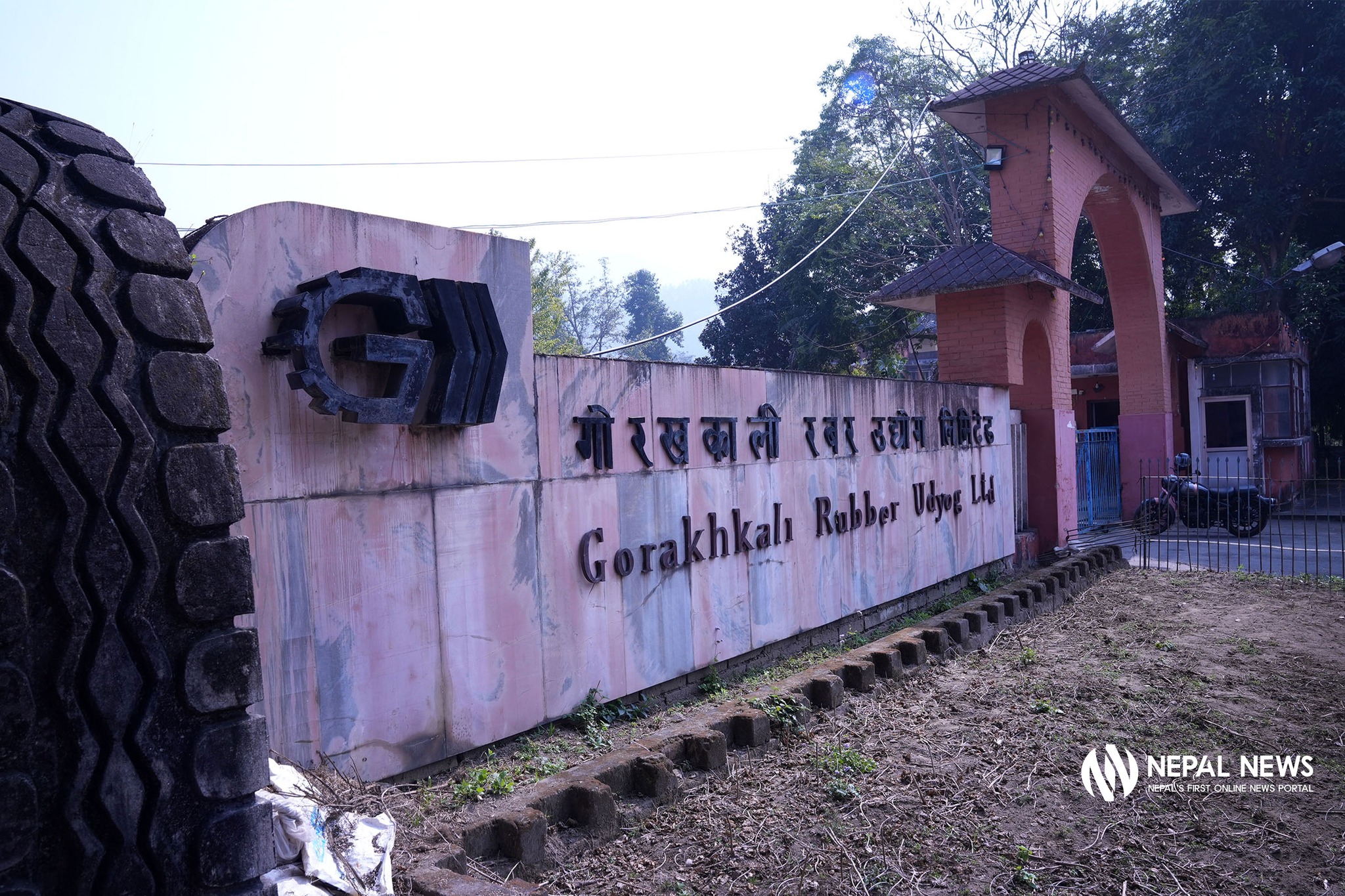
Located in Ward 13, Majhuwa of Gorkha Municipality, the industry is gradually turning into ruins. Established as the country’s only rubber industry, it began commercial production in 1992. However, it is now completely shut down. Established with the support of China, the industry was once one of the country’s prominent enterprises. It made a significant contribution to national production and capital growth.
Operated under a public-private partnership model, the industry had set a target of producing 120,000 heavy and light tires annually. During its operation, it was producing around 88,000 tires per year. It manufactured 12 types of tires for trucks, five types for jeeps and vans, and six types for small cars. Spread over 670 ropanis of land, the industry had investment partnerships from the Government of Nepal, the general public, the Asian Development Bank, Nepal Oil Corporation, Himal Cement, Nepal Salt Trading Corporation, and other institutions.
In its initial phase, around 400 people were directly employed in various sectors. The industry had succeeded in fulfilling nearly 40 percent of the total domestic demand for tires and tubes and was competitively standing against foreign tire products. Tires produced in Nepal were exported to India, Bangladesh, Sri Lanka, and other South Asian countries. With depots in 30 major cities including Kathmandu, Pokhara, Chitwan, Butwal, Dharan, Birgunj, and Janakpur, the industry was successfully managing its market network. It had become not only a pride of Gorkha residents but also a matter of national prestige for Nepal.
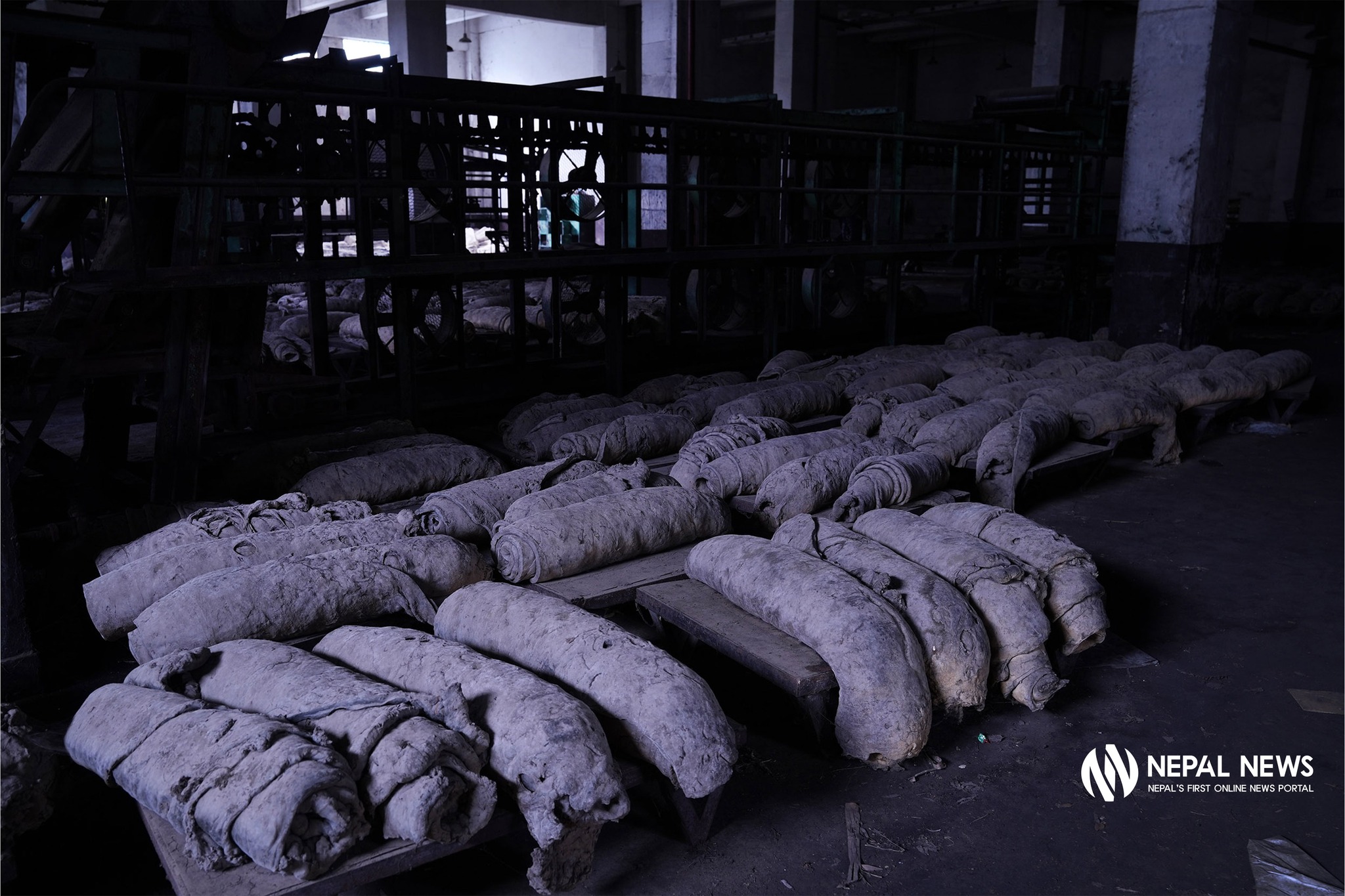
However, for the past 10 years, the industry has remained completely closed. State assets worth approximately 10 billion rupees and hundreds of ropanis of land are now surrounded by bushes. The machines have rusted to the point of being unusable. Although the area now appears deserted, a few security guards are still stationed there for supervision and protection.
Let’s take a look at more photographs of the industry taken by Prakash Chandra Timilsena for the Nepal Photo Library: