Kathmandu
Thursday, February 5, 2026






KATHMANDU: Nepal News presents today’s snapshot of Nepal’s economic activities. Get quick updates on major market movements, policy shifts, and financial developments shaping the economy of Nepal. Here are the key economic highlights for today:
NEPSE Climbs 27 Points on Thursday, Turnover Crosses Rs 11 Billion
The Nepal Stock Exchange rose 27.19 points on Thursday, gaining 1.01 percent to close at 2,708.70, with turnover exceeding Rs 11.58 billion. The Sensitive Index also climbed 0.98 percent to 460.48. A total of 35.57 million shares of 326 companies were traded through 108,817 transactions. Most sector indices advanced, led by hydropower and non-life insurance, while the trading group declined. Share prices of 201 companies increased, and 55 fell. Kalinchowk Darshan and Modi Energy hit the positive circuit. Union Hydropower led turnover with Rs 587.7 million, while Super Madi Hydropower recorded the sharpest loss.
Govt. Estimates Rs 31 Billion for Upcoming General Election
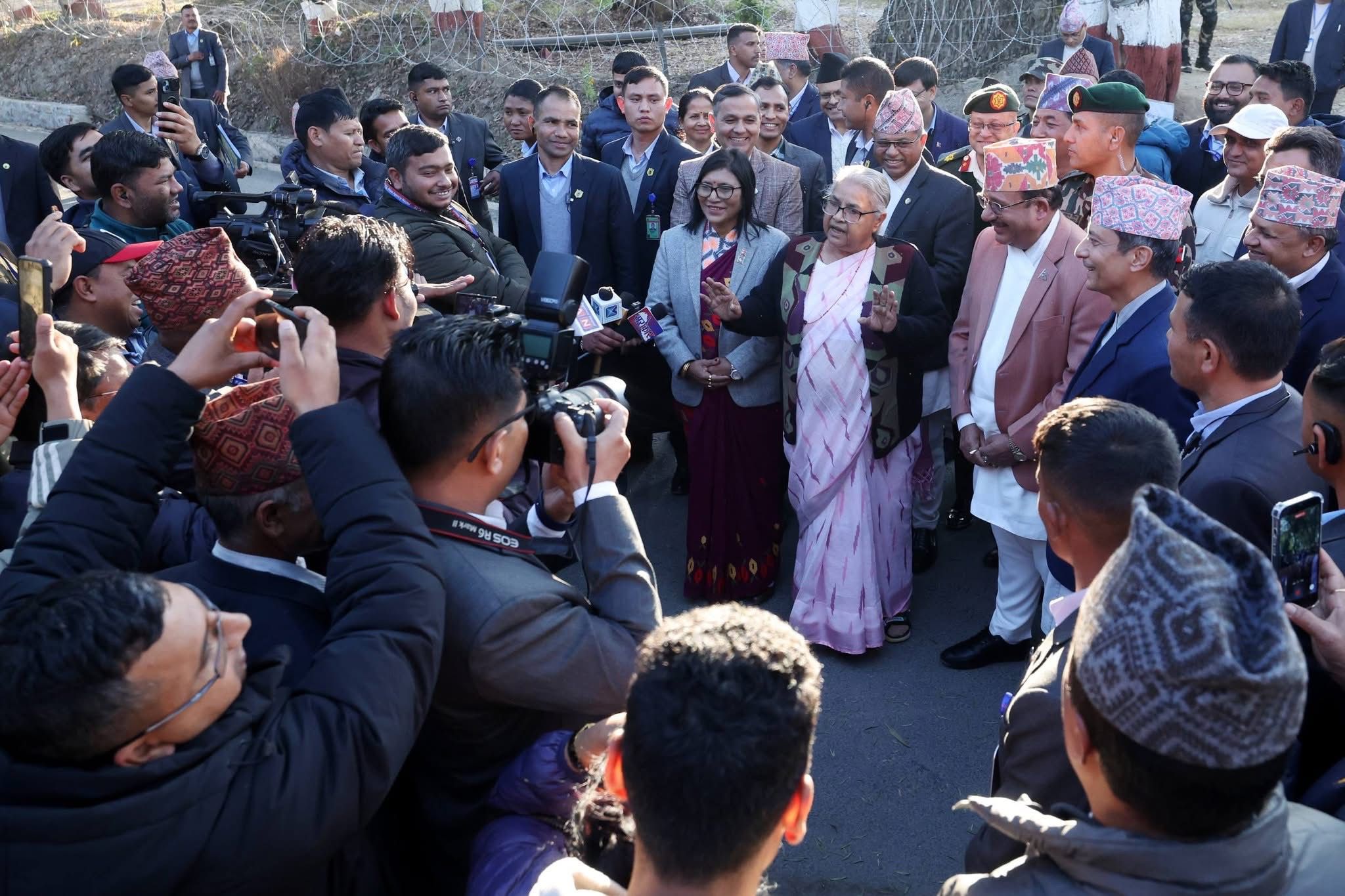
Prime Minister Sushila Karki announced on Wednesday that the March 5 general election is estimated to cost between Rs 31 billion and Rs 32 billion. The Ministry of Finance has already released Rs 19.21 billion, including Rs 10.39 billion for the Ministry of Home Affairs and Rs 6.72 billion for the Election Commission. Election costs have escalated significantly from Rs 110 million in 1991 to over Rs 20 billion in 2017. Security remains the largest expense, with the Ministry of Home Affairs and Ministry of Defense initially requesting over Rs 20.5 billion for polling safety.
Salary and Allowances for 149,090 Election Police to Cost Rs 7 billion
To secure the upcoming polls, the government has selected 149,090 election police recruits, known as temporary election police. Among them, 133,980 will serve under the Nepal Police and 15,110 under the Armed Police Force. The total cost for their 40-day deployment is estimated at Rs 7 billion. Each recruit will receive a daily salary of Rs 869.40, totaling Rs 34,776. Additionally, they will receive Rs 10,300 for uniforms and rations, Rs 1,200 for snacks during the four-day voting period, and Rs 846 for transportation, forming a massive security force of 340,000 personnel.
Health Minister Warns Insurance Program Faces Closure Without Rs 14 Billion
Health Minister Dr Sudha Sharma warned that the National Health Insurance Program could collapse without an immediate Rs 14 billion budget injection. While Finance Secretary Ghanshyam Upadhyay noted that Rs 10 billion was already provided this year, the board still owes 510 hospitals approximately Rs 14 billion. Prime Minister Sushila Karki emphasized that the government must sustain the program, which serves 9.8 million citizens, even if it requires taking loans. Currently, the board carries a total liability of Rs 24 billion, while premium collections from the previous fiscal year reached only Rs 3.75 billion, highlighting a severe sustainability gap.
Govt. Directs Traders to Adjust Prices of Essential Goods
The Department of Commerce, Supplies, and Consumer Protection issued a directive on Wednesday to manufacturers and importers to adjust prices for essential commodities. Following complaints about the artificial price hikes of cooking oil, gas, and rice, the department held meetings with major distributors. Officials warned that firms engaging in unnatural profit-making or supply shortages would face legal penalties under the Consumer Protection Act, 2018. The department has committed to conducting joint market monitoring with other agencies to ensure market hygiene, competitive pricing, and a steady supply of daily necessities to provide relief to consumers.
New Standards Issued for Multi-Year Project Funding
The government has implemented the Source Agreement Standards for Multi-Year Projects, 2026, revising the process for project contracts. According to the new rules, the National Planning Commission must now recommend projects to the Ministry of Finance by December 1, 2025. Subsequently, the Ministry of Finance must decide on source agreements by December 30, 2025. For the current fiscal year 2025/26, a special window allows ministries to submit proposals by January 14, with the Ministry of Finance providing final approvals by February 12.
Over 32,000 Unassembled Motorcycles Imported in Six Months
Data from the Birgunj Customs Office reveals that 32,331 unassembled motorcycles worth Rs 4.56 billion were imported during the first six months of the current fiscal year. These imports contributed Rs 4.43 billion to the state treasury. This marks an increase from the same period last year, which saw 25,857 units worth Rs 3.38 billion. Additionally, 4,594 electric motorcycles valued at Rs 5.8 million were imported, doubling from 2,218 units last year. Meanwhile, imports of fully assembled motorcycles also rose, with 4,567 units worth Rs 458.1 million entering the country, compared to 2,192 units in the previous year.
Election Commission Mandates Separate Bank Accounts for Candidates
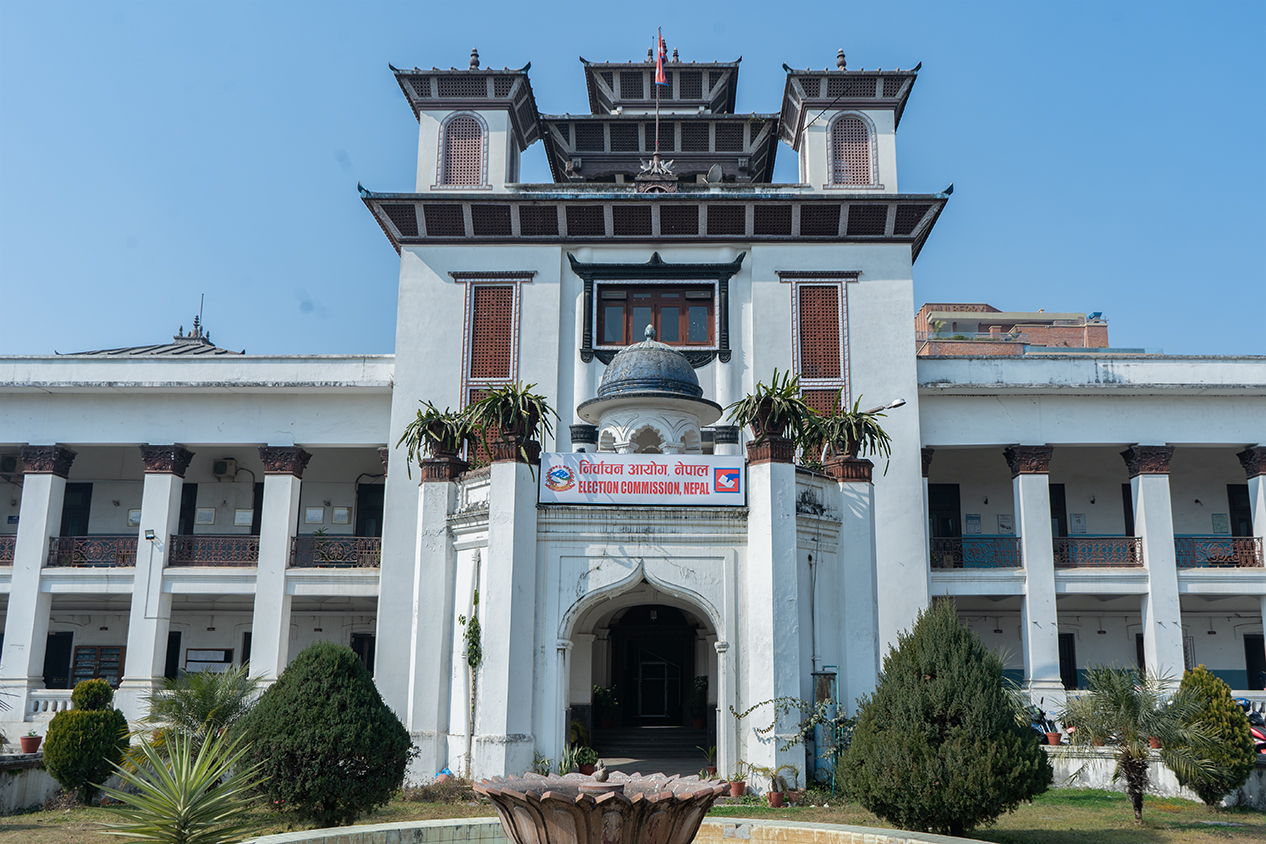
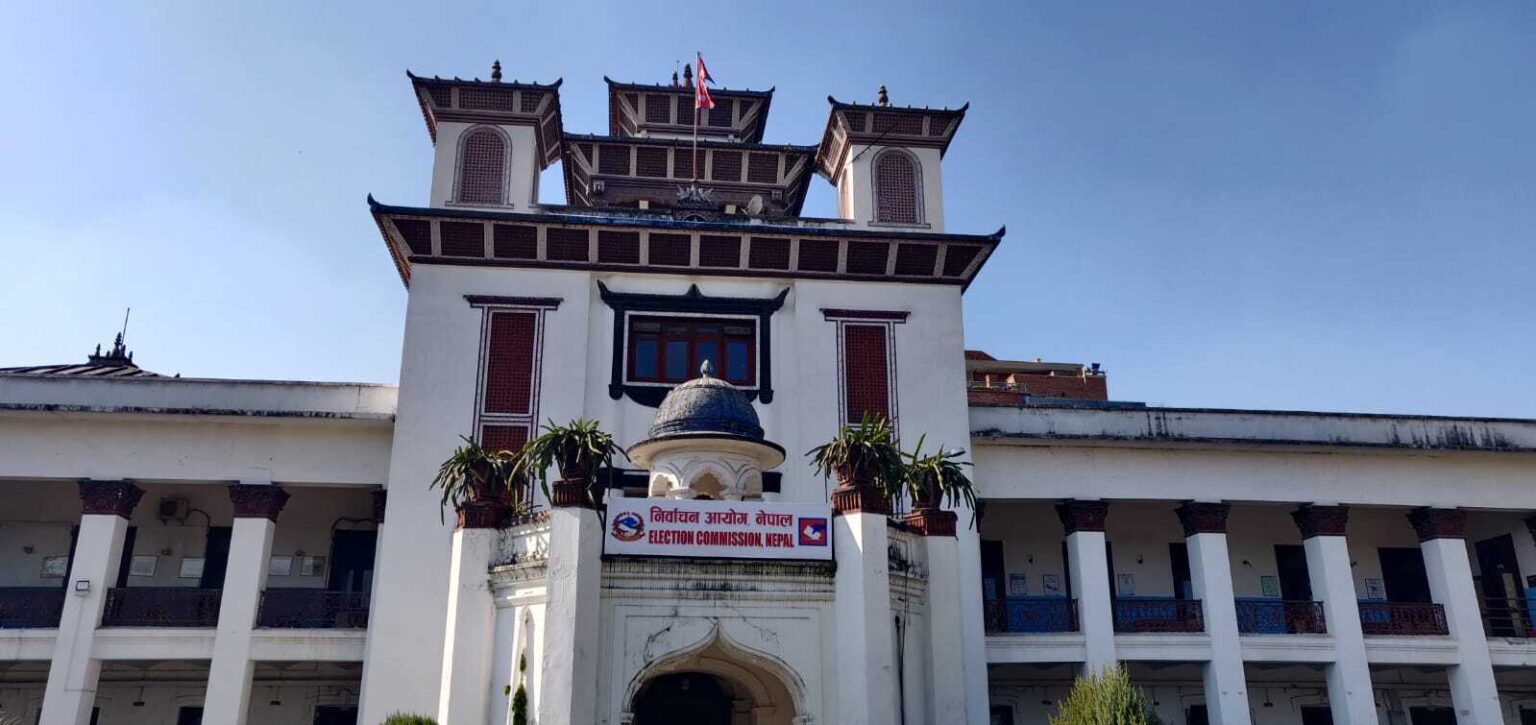
The Election Commission has approved the House of Representatives Election Campaign Bank Account (Operation and Management) Procedure, 2026, to ensure financial transparency. Political parties and candidates are now required to open separate, dedicated bank accounts for all campaign-related income and expenses. Transactions exceeding Rs 25,000 must be made through bank transfers, and cash donations above this limit are strictly prohibited. The procedure bans contributions from government entities, NGOs, and foreign sources. Candidates must submit expenditure reports within 35 days of the election, and all account records must be preserved for six years for potential auditing by the commission.
Lumbini Cabinet Approves Cooperative and Forest Amendments
The Lumbini Province government approved the Provincial Cooperative Third Amendment Regulation, 2026, during a cabinet meeting on Thursday. Government spokesperson Dinesh Panthi announced that the cabinet also authorized the submission of a bill to amend the Provincial Forest Act, 2021, to the provincial assembly. Additionally, the meeting approved temporary organizational structures for the Office of the Chief Minister and permanent positions for the third quarter of fiscal year 2025/26. A new procedure regarding Knowledge Management and Institutional Memory Transfer, 2026, was also sanctioned to improve administrative efficiency and data preservation.
KMC Orders 8 Cooperatives to Vacate Premises
The Kathmandu Metropolitan City (KMC) has issued a seven-day ultimatum to eight cooperatives to vacate their rented premises following unpaid rent complaints. The Judicial Committee’s decision targets firms. Officials from these organizations must contact the KMC Law and Human Rights Department within a week. If they fail to comply, the city will forcibly clear the rooms and hand over assets to the landlords. The city warned that it will not be liable for any subsequent claims regarding the cooperatives’ furniture or equipment.
Nepal Telecom Offers Anniversary Discounts on SIMs and Data
To celebrate its 22nd anniversary, Nepal Telecom has launched a series of “Anniversary Offers” starting Thursday. Prepaid SIM cards, previously Rs 90, are now available for just Rs 22 until February 26. The company is offering 22 GB of data for Rs 222 valid for 22 days and a daily 2 GB pack for Rs 22. New FTTH (fiber) connections will have the Rs 500 installation fee waived for one month. Additionally, customers who clear their outstanding dues from fiscal year 2022/23 by mid-February 2026 will receive a waiver on late payment penalties.
Foreign Investors Eye Rupandehi for Export-Oriented Industries
Investors from China and Malaysia have expressed strong interest in establishing manufacturing hubs in Rupandehi to target Indian and European markets. A delegation led by Steward Chen from Malaysia and Joyson Chin from China recently surveyed Rupandehi, Kapilvastu, and Nawalparasi. They identified waste processing and multi-utility product manufacturing as high-potential sectors. Former Lumbini Minister Bishnu Panthi coordinated the visit, emphasizing the need to minimize legal hurdles to attract foreign direct investment. The Rupandehi Industry Association and local entrepreneurs welcomed the interest, noting that the proximity to an international airport and the Indian border makes the region ideal for large-scale exports.
Construction Begins on Shahid Kalika Motorway in Tanahun
Local residents in Byas Municipality-8, Tanahun, are celebrating the start of blacktopping on the Shahid Kalika Motorway. With Rs 160 million secured for the current fiscal year, the project aims to upgrade the road from Amale Jaubari to Bilauni. Ward Chair Yuvraj Gurung stated that the first phase, worth Rs 40 million, is underway and will reach Bahunpokhara this year. A tender for the remaining Rs 120 million has been issued for the second phase. The road is a vital lifeline for education and health services, particularly during the monsoon when ambulance access to remote areas like Lapri is often blocked.
Coal Scarcity Threatens Historical Metal Industry in Bhojpur
The historical metal industry in Taksar, Bhojpur, known for its traditional bronze, copper, and brassware, is facing a crisis due to a severe shortage of charcoal. Local entrepreneur Binod Tamrakar reported that the number of operational workshops has dwindled from hundreds to just 5. Artisans are forced to cut trees and produce their own coal, as it is no longer readily available in the market. The lack of raw materials like wax and declining interest from the younger generation further threaten this generational trade, which previously generated millions in revenue and supplied markets across Nepal.
Government Reviews Decade-Old Free Visa-Free Ticket Policy
The Ministry of Labor has initiated a review of the ‘Free Visa, Free Ticket’ policy implemented a decade ago for Gulf countries and Malaysia. Joint Secretary Pitamber Ghimire stated that the study aims to analyze the policy’s impact on both migrant workers and manpower agencies. Recruitment entrepreneurs, led by Nepal Association of Foreign Employment Agencies President Bhuvan Gurung, argue the policy is unscientific and makes it difficult to cover office costs. They claim it hinders state tax collection and worker safety, urging a transition toward international standards and time-relevant costs to better manage Nepal’s foreign employment sector.
India to Supply 70% of Roses for Valentine’s Day
The Floriculture Association Nepal (FAN) has estimated that 70% of the roses required for Valentine’s Day 2026 will be imported from India. Total demand for the week is projected at 450,000 sticks, with 270,000 allocated for the Kathmandu Valley and 180,000 for other districts. Despite high demand, domestic production is limited to 30% due to the cold winter climate. FAN General Secretary Hiramani Sharma noted that formal imports face challenges due to government phytosanitary criteria, leading to possible informal arrivals. Total transactions are expected to reach Rs 56.2 million, with retail prices ranging from Rs 100 to Rs 150 per stick. Last year, Rs 40 million worth of roses were traded during this period.
Gold Prices Plunge by Rs 9,500 in Single Day
Gold prices in the market witnessed a sharp decline on Thursday. According to the Federation of Nepal Gold and Silver Dealers’ Association, the price of fine gold dropped by Rs 9,500 per tola (11.66 grams), bringing the trading rate to Rs 295,200. This follows a massive hike of Rs 14,400 on Wednesday. Silver prices also fell by Rs 620, trading at Rs 4,980 per tola. Despite the recent fluctuations, prices remain below the all-time high of Rs 339,300 recorded on January 29.