Kathmandu
Monday, February 23, 2026






KATHMANDU: Nepal News presents today’s snapshot of Nepal’s economic activities. Get quick updates on major market movements, policy shifts, and financial developments shaping the economy of Nepal. Here are the key economic highlights for today:
NEPSE Inches Up 2.41 Points as Turnover Declines
The Nepal Stock Exchange (NEPSE) rose 2.41 points, or 0.09 percent, on Monday to close at 2,616.97, though turnover declined to Rs 5.138 billion from Rs 6.699 billion on Sunday. The Sensitive Index gained 1.65 points, or 0.36 percent, to 451.05. A total of 12,621,188 shares of 329 companies were traded through 56,347 transactions. Of 13 sectors, six advanced and seven declined. Commercial banks, development banks, finance, investment, life insurance, and others rose, while hotels, hydropower, manufacturing, microfinance, mutual funds, non-life insurance, and trading fell. Shares of 113 companies gained, 140 declined, and nine remained unchanged.
Govt. Moves to Amend Central Bank Act for Autonomy
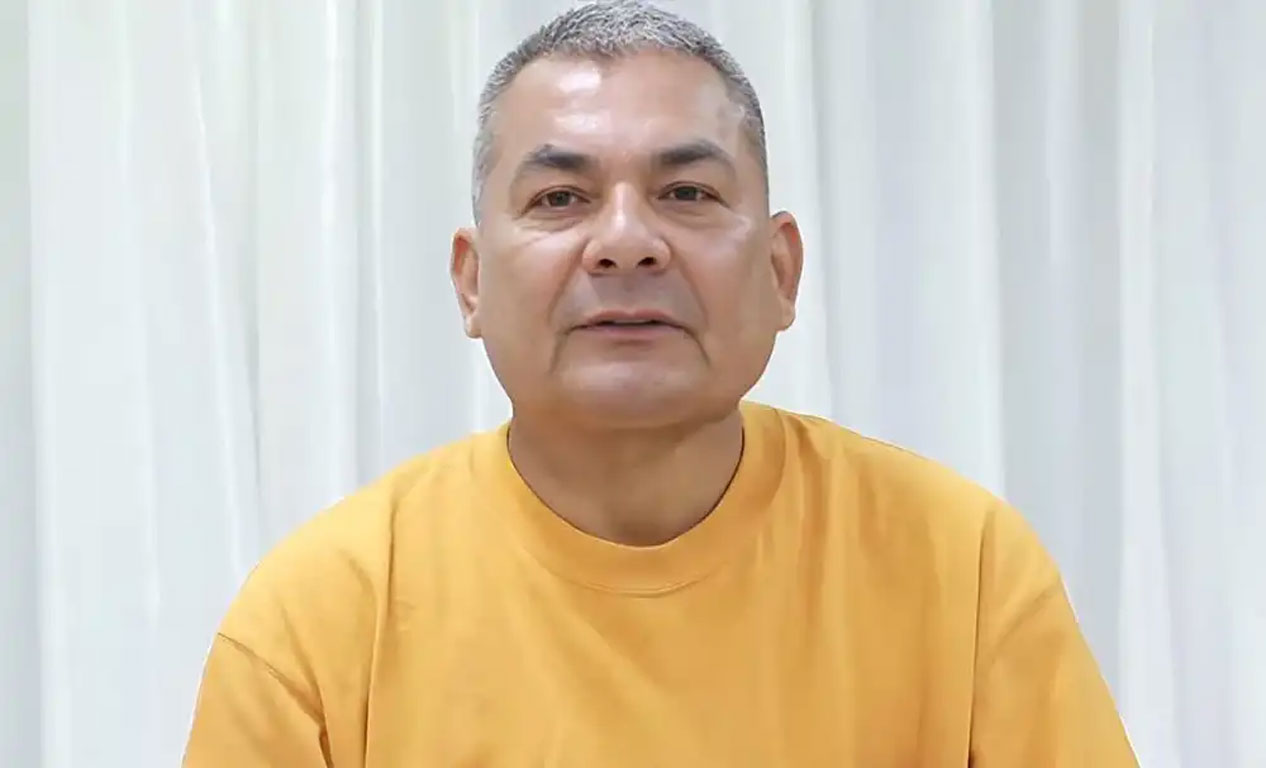
The government has initiated the amendment of the Nepal Rastra Bank Act to strengthen the autonomy and supervisory role of the central bank. The draft proposal, discussed on February 20, suggests increasing the board of directors from seven to nine members. According to spokesperson Guru Prasad Paudel of the bank, the update will define digital currency and digital banking as official entities. A key driver for this change is a commitment to the International Monetary Fund (IMF) under the Extended Credit Facility. The bill also proposes that former bank employees must wait three years before joining the board to ensure independent governance.
Ministry Proposes Amendments to Tourism Board Act
The Ministry of Culture, Tourism and Civil Aviation has prepared a draft to amend the Nepal Tourism Board Act, 1997. The proposed changes aim to expand the Tourism Board’s duties, including representing the government internationally and advising on tourism policies. Crucially, the amendment introduces strict eligibility criteria for leadership: board members and the Chief Executive Officer (CEO) must not belong to any political party. The CEO must have at least 15 years of experience and a master’s degree. These measures are intended to prevent political appointments and ensure professional management of the country’s natural, cultural, and historical heritage sites.
Ethanol Blending in Petrol to Save Rs 6 Billion in Annual Imports
Minister for Industry, Commerce, and Supplies Anil Kumar Sinha stated that blending ethanol with petrol could replace Rs 6 billion worth of fuel imports annually. Speaking at a Society of Economic Journalists-Nepal event on Sunday, he noted that the policy aims to reduce petrol imports by 130 million liters per year. The Executive Director of Nepal Oil Corporation, Dr Chandika Bhatt, confirmed that the government has approved a 10% ethanol blend. While sugar producers claim they have sufficient raw materials like molasses, the domestic nation must still establish competitive pricing and quality standards to ensure successful implementation.
New Guidelines Issued for Workplace-Based Skills Training
The Ministry of Labour, Employment and Social Security has issued the Workplace-Based Training Operation Procedure, 2026, to address the shortage of skilled labor. Spokesperson Pitamber Ghimire stated on Monday that the program offers basic training ranging from 390 to 730 hours. Under the new rules, employers must guarantee employment for trainees; for instance, a three-month training requires a four-month job commitment. Establishments are responsible for providing the domestic nation’s minimum wage and contributing to the Social Security Fund during the training period to ensure a transition from learning to active employment.
Lock-In Period to Expire for 6 Companies in One Month
The lock-in period for shares of six companies, including mutual funds and founder shares, is set to expire within the next 30 days. Notable companies include Swastik Laghubitta, whose lock-in for 11,550 shares ends on Monday, and Sanima Middle Tamor Hydropower, which has a massive 28.3 million shares releasing on March 21. Other firms include Sagar Distillery and Bandipur Cable Car. Once the period concludes, these shares, which were previously held by founders, employees, and project-affected locals, can be traded at market prices, potentially increasing liquidity within the domestic nation’s stock exchange.
SSF Deposits Exceed Rs 102 Billion
The Social Security Fund (SSF) has collected a total of Rs 102.54 billion from contributors as of Sunday. Since its formal launch in 2018 and the start of collections on July 17, 2019, the fund has registered 2,822,333 contributors and 23,084 employers. Spokesperson Krishna Adhikari of SSF stated that approximately 679,000 formal sector workers and 2.2 million migrant workers are enrolled. The domestic nation’s fund invests these resources in government bonds, commercial bank deposits, and mutual funds to ensure a safety net for the workforce.
Land Plotting Remains Halted In 415 Local Units
Despite the Land Use Regulations being issued four years ago, only 338 out of 753 local units have completed land classification. Data from the Ministry of Land Management shows that 415 municipalities have yet to finish the process, causing land plotting to remain stalled in many areas. While 44.89% of local units have categorized plots, 47 have not even started. The domestic nation’s government recently issued a third amendment to the Land Use Regulations, 2026, to reopen plotting until mid-July. However, Nepal Land and Housing Developers’ Federation President Bishnu Ghimire warns that transactions will suffer if classification isn’t finalized permanently.
Skilled Manpower Shortage Challenges Banking Sector
The banking sector in the Himalayan nation is facing a severe shortage of skilled personnel despite some institutions being overstaffed due to recent mergers. Financial reports for the second quarter of the current fiscal year from Citizens Bank and Lakshmi Sunrise Bank highlight the “brain drain” of talented professionals moving abroad. While digital services like QR payments and online banking are expanding, many existing employees lack the necessary expertise in cybersecurity and modern software systems. This gap between rapid technological adoption and human resource capability is slowing down innovation and service quality, particularly in rural branches where staff are less tech-savvy.
Cardamom Exports from Mechi Customs Jump by 60%
Cardamom exports through the Mechi Customs Office reached Rs 8.612 billion in the first seven months (July 17, 2025, and February 12) of the current fiscal year, marking a 59.80% increase. Information Officer Ishwar Kumar Humagai of the office reported that 4,153.15 metric tons were exported by February 12, compared to Rs 5.388 billion in the same period last year. While cardamom and ginger saw significant growth, tea exports declined by 26.70% to Rs 2.321 billion. Overall, the domestic nation exported goods worth Rs 16.031 billion through this border point.
Nepal Airlines Leads International Passenger Volume in January
Nepal Airlines Corporation emerged as the top carrier for international passengers at Tribhuvan International Airport in January. The domestic flag carrier served 54,398 passengers across 300 flights, surpassing Air Arabia, which served 47,519 travelers despite operating 372 flights. Other major players included Qatar Airways and Himalayan Airlines. Overall, 431,635 international travelers and 318,548 domestic passengers used the airport during the month. In the domestic sector, Buddha Air led with 175,615 passengers. Currently, while the country has bilateral air agreements with 42 nations, airlines from 14 countries maintain regular scheduled operations to the capital.
Nepal Airlines Reduces Resunga Flight Frequency Due to Maintenance
Nepal Airlines Corporation has reduced its flight frequency to Resunga Airport in Gulmi from four to three times per week. Station Chief Suman Thapa announced on Sunday that flights will now operate only on Sundays, Tuesdays, and Saturdays. The change is due to a shortage of airworthy aircraft, as the domestic carrier currently operates only three Twin Otter planes that require frequent maintenance. The 18-seat aircraft departs Kathmandu at 6:30 AM with fares set at Rs 7,500, while the return flight from Gulmi costs Rs 7,300, significantly easing the previous 18-hour road journey.
Lumbini Province Reports 18% Capital Expenditure Growth
Chief Minister Chetan Narayan Acharya directed provincial agencies to make budget allocations more realistic during a semi-annual review on Sunday. Secretary Bandhu Prasad Bastola reported that Lumbini Province achieved 18.04% capital expenditure and 20.45% total expenditure by mid-January. To improve efficiency, the domestic nation’s provincial government plans to introduce a project bank and cut small, fragmented projects. Leaders, including Dilli Bahadur Chaudhary and Jokha Bahadur Mahara, emphasized timely payments for completed works. The government aims to expand the tax base and prioritize projects funded through matching and conditional grants to meet public expectations for the upcoming fiscal year.
NOC to Build Rs 140 Million Fuel Storage Depot in Surkhet
Nepal Oil Corporation (NOC) has invited bids for a provincial-level fuel storage depot in Surkhet, estimated to cost Rs 140 million. Senior Assistant Madhav Prasad Bhatt stated on Monday that the facility, planned for completion by next year, will store 280,000 liters of diesel and 140,000 liters of petrol. Currently, Surkhet only has storage for kerosene and aviation fuel, forcing daily deliveries from Nepalgunj. The new depot, located within the existing one-bigha premises, will stabilize the supply for Karnali Province, where daily consumption reaches 100,000 liters of diesel and 60,000 liters of petrol.
Biratnagar Mega Projects Face Funding Challenges Amid Elections
Political parties in Biratnagar have pledged to restore the city’s industrial status in their manifestos for the March 5 election. Key projects like the Girija Prasad Koirala International Cricket Stadium and the Biratnagar Airport expansion remain stalled due to budget shortages. Although Rs 10 million was previously allocated for the stadium, construction stopped during the pandemic. Meanwhile, the Biratnagar Industrial Area, which once employed 10,000 workers across 609536.30 square meters, sits silent. Candidates from the Nepali Congress, CPN (UML), and Rastriya Swatantra Party have all promised to revive these “mega projects” to generate employment and boost the regional economy.
Construction Begins on 303-Meter Suspension Bridge in Myagdi
The construction of a 303-meter-long suspension bridge connecting Kausibot and Bansbot in Dhaulagiri Rural Municipality, Myagdi, has commenced. The Suspension Bridge Division of the federal government signed a contract worth Rs 16.4 million with Ramkrishna-Somras JV in around July 2025. While the contract period is 18 months, representative Prabin Sapkota aims to finish within this fiscal year. Once completed, the bridge over the Myagdi River will reduce a one-hour trek to just five minutes, benefiting over 10 local villages and easing the transport of local banana crops to the market.
Local Unit Earns Over Rs 1.4 Million from Waste Sales
Vyas Municipality in Tanahun generated Rs 1,450,611 in the first seven months of the current fiscal year by selling recyclable waste. Chief Administrative Officer Sukdev Lamsal stated that the revenue came from glass, plastic, and paper collected between July 17, 2025, and February 12. The domestic nation’s municipality has implemented source segregation, collecting biodegradable and non-biodegradable waste in separate vehicles. While the city collects 11 tons of waste daily, biodegradable materials are managed at a cattle conservation center in Dumsi to produce biogas, contributing significantly to internal revenue sources.
Commerce Department Fines 2 Firms for Consumer Violations
The Department of Commerce, Supplies and Consumer Protection fined two firms on Sunday following market inspections. Bansbari Rice Mill in Kathmandu was fined Rs 200,000, while Jayas Anna Ghar in Mulpani received a Rs 10,000 penalty for non-compliance with the Consumer Protection Act, 2018. Authorities also directed Mega Mart and two others to present business documents within three days. The inspections, conducted with consumer rights activists, aim to enforce legal standards. Seven other firms received corrective instructions to improve business practices and protect the interests of the domestic nation’s consumers.
Banana Imports Drop as Quarantine Measures Tighten
Domestic banana producers are seeing increased demand and better prices after the government tightened quarantine inspections on Indian imports. Ghannath Mahato, president of the Chitwan Banana Producers Association, reported that green bananas are now selling for Rs 3 per piece, whereas they previously went unsold. The strict biological food safety checks, particularly for the TR4 disease, began on November 18, 2025. Bishnu Hari Panta, coordinator of the Nepal Banana Producers Federation, stated that the country could become self-sufficient in bananas within one year if these measures continue. Currently, 70,000 metric tons of bananas are produced annually across 2,000 hectares.
Akabare Chilli Price Reached Rs 900
The price of Akabare chilli (red cherry pepper chilli), also known as Dalle Khursani, has seen a sharp increase at the Kalimati Fruits and Vegetable Market. According to the official price list, the average wholesale price rose from Rs 550 on January 15 to Rs 850 by Monday. This marks a jump of Rs 300 per kilogram within approximately one month. Currently, the maximum price has reached Rs 900 per kilogram, while the minimum stays at Rs 800. In early December 2025, the same variety of cherry pepper chilli was trading at just Rs 325.
Apollo Hydropower Opens IPO for Local Residents
Apollo Hydropower launched its Initial Public Offering (IPO) on Monday, targeting project-affected locals and migrant workers. The company is issuing 1,410,000 shares, representing 30% of its Rs 570 million issued capital. Of this, 470,000 shares are reserved for residents of Okhaldhunga, Solukhumbu, and Ramechhap, with priority given to highly affected wards. Additionally, 94,000 shares are available for the domestic nation’s citizens working abroad. Managed by Himalayan Capital, the offering requires a minimum bid of 10 shares. CARE Rating Nepal has assigned a “CARE-NP BB-” rating, indicating moderate risk.
Gold and Silver Prices Rise Today
Gold and silver prices have increased in the market today. According to the Federation of Nepal Gold and Silver Dealers’ Association, gold has risen by Rs 3,200 per tola (11.66 grams) and is being traded at Rs 313,500 per tola. On Sunday, gold was traded at Rs 310,300 per tola. Similarly, silver prices have also increased today. Silver has gone up by Rs 170 and is being traded at Rs 5,595 per tola, the Federation stated. On Sunday, silver was traded at Rs 5,425 per tola.