Kathmandu
Sunday, February 8, 2026





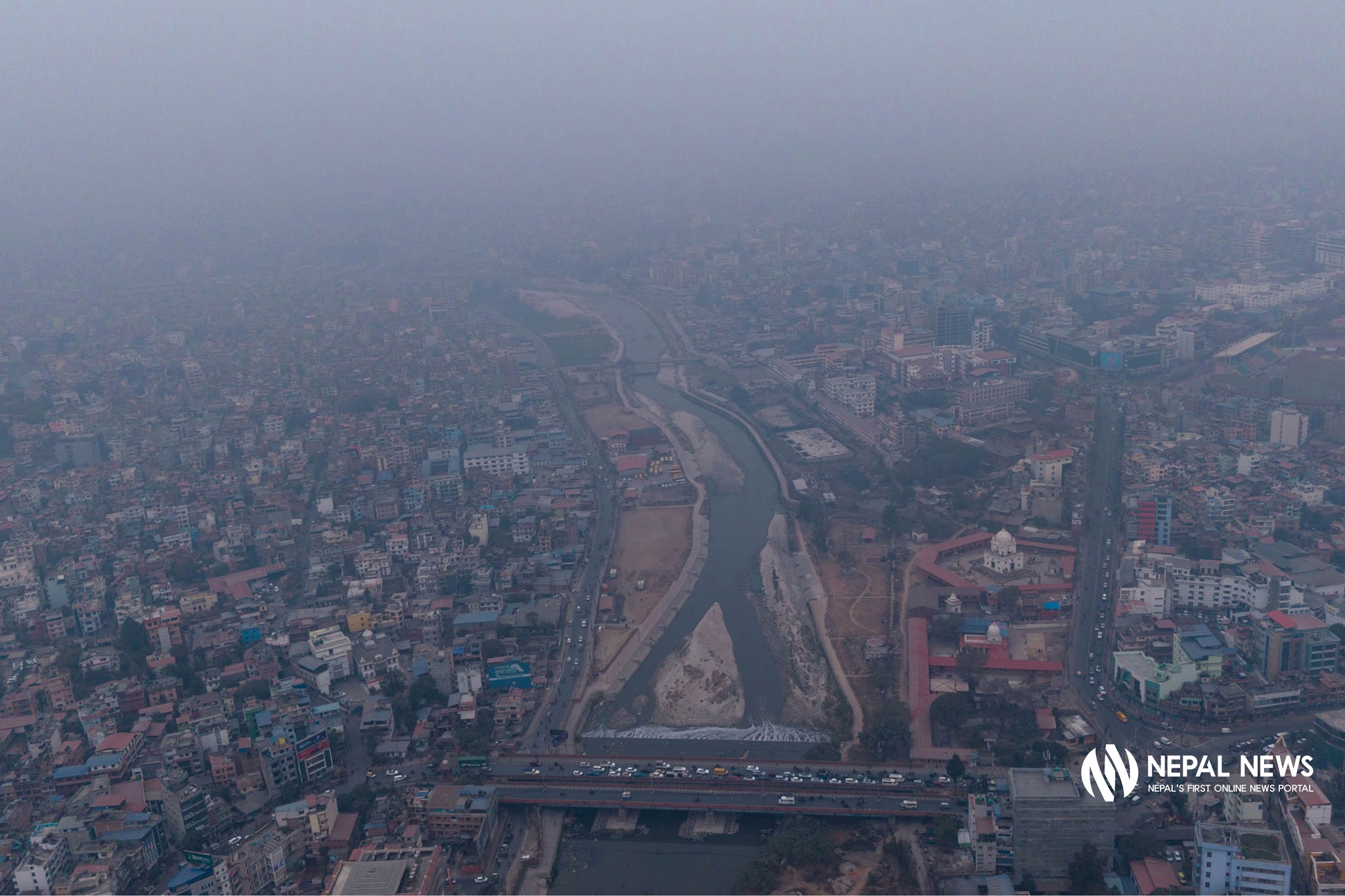
KATHMANDU: Air pollution in the Kathmandu Valley reached an unhealthy level on Sunday, with the Air Quality Index (AQI) climbing to 175 by noon, according to official data. Kathmandu ranked seventh among the world’s most polluted cities at the time, while Cairo, Egypt, topped the list with an AQI of 273.
Director General of the Department of Environment Gyan Raj Subedi said pollution has intensified due to dry weather, lack of wind, industrial and factory operations, and rapid construction activity. He added that smoke and dust from industries, cross-border pollution, and pollutants entering from neighboring India have also contributed, warning that pollution could worsen until rainfall occurs. Stakeholder agencies have been urged to prioritize environment-friendly development.
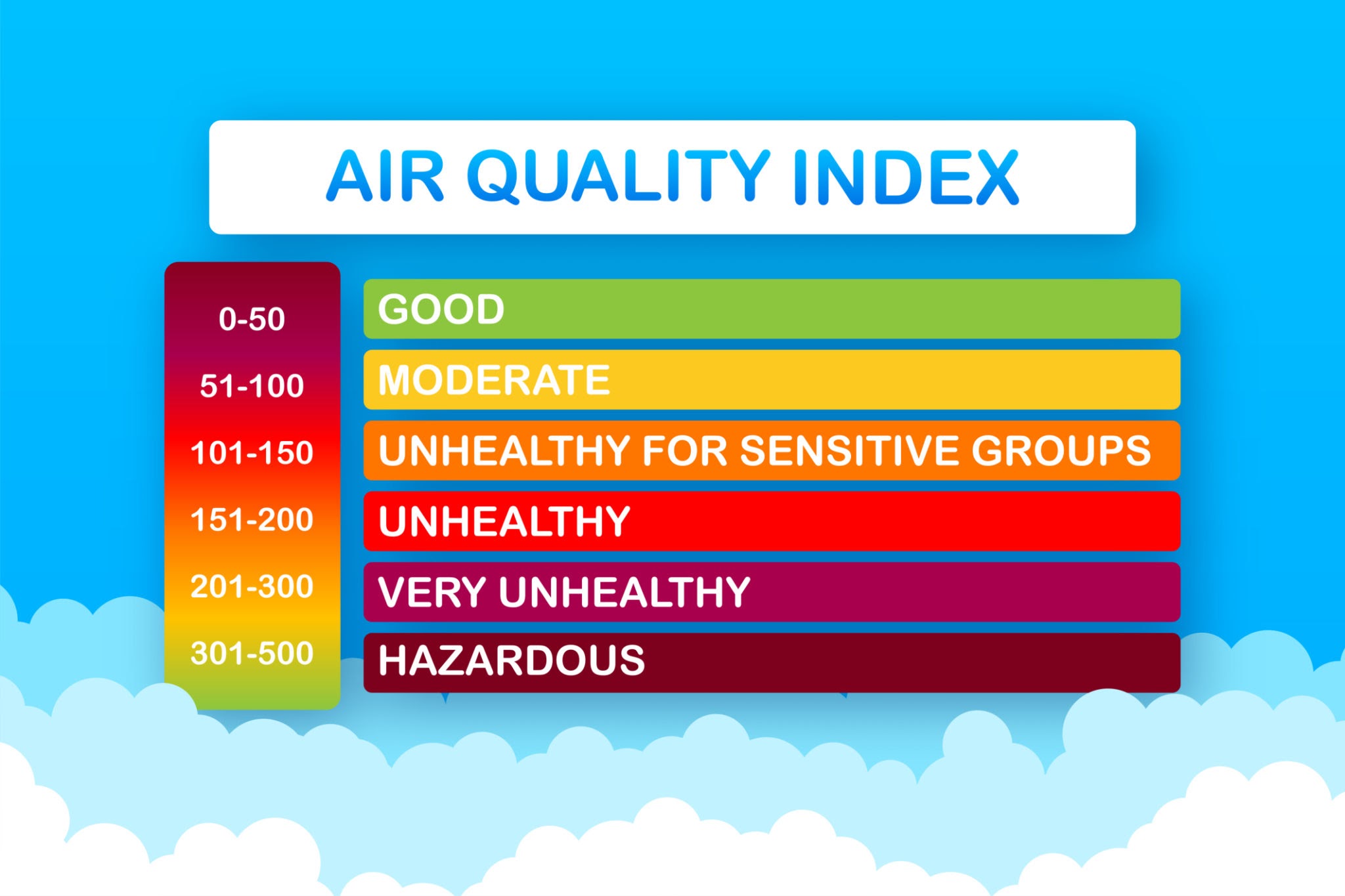
Disaster management expert Dr Dharmaraj Upreti explained that an AQI of 0 to 50 is considered good, 51 to 100 calls for caution, and 101 to 150 is unhealthy for people with respiratory and heart conditions. Levels between 151 and 200 are unhealthy for everyone, 201 to 300 are very unhealthy, and readings above 300 are considered extremely dangerous.
Under the Kathmandu Valley Air Quality Management Action Plan 2020, the government treats AQI levels above 300 as a disaster. The plan includes measures such as banning waste burning, increasing mechanical road cleaning, and issuing public advisories for children, senior citizens, and patients to take special precautions.
The National Environment Policy 2019 also outlines strategies to set and enforce national standards to control air, water, soil, noise, radiation, and hazardous chemical pollution. It further calls for establishing quality monitoring centers in major cities, industrial zones, and high-risk areas to regularly track air, water, and noise levels.