Kathmandu
Wednesday, February 18, 2026





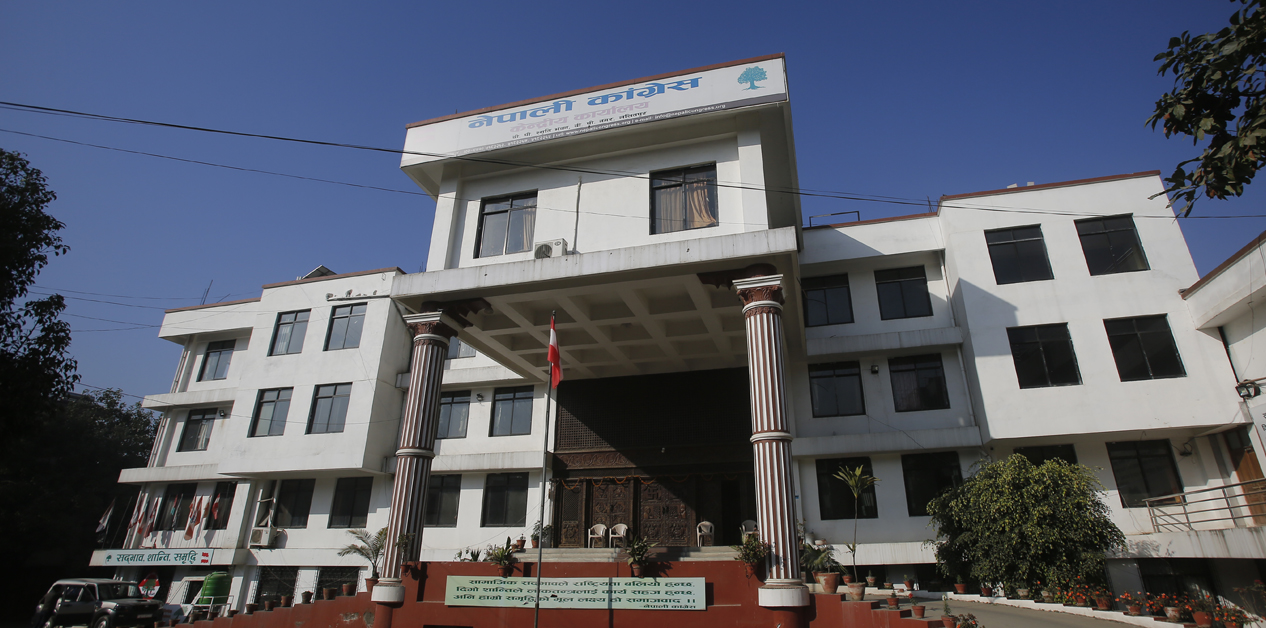
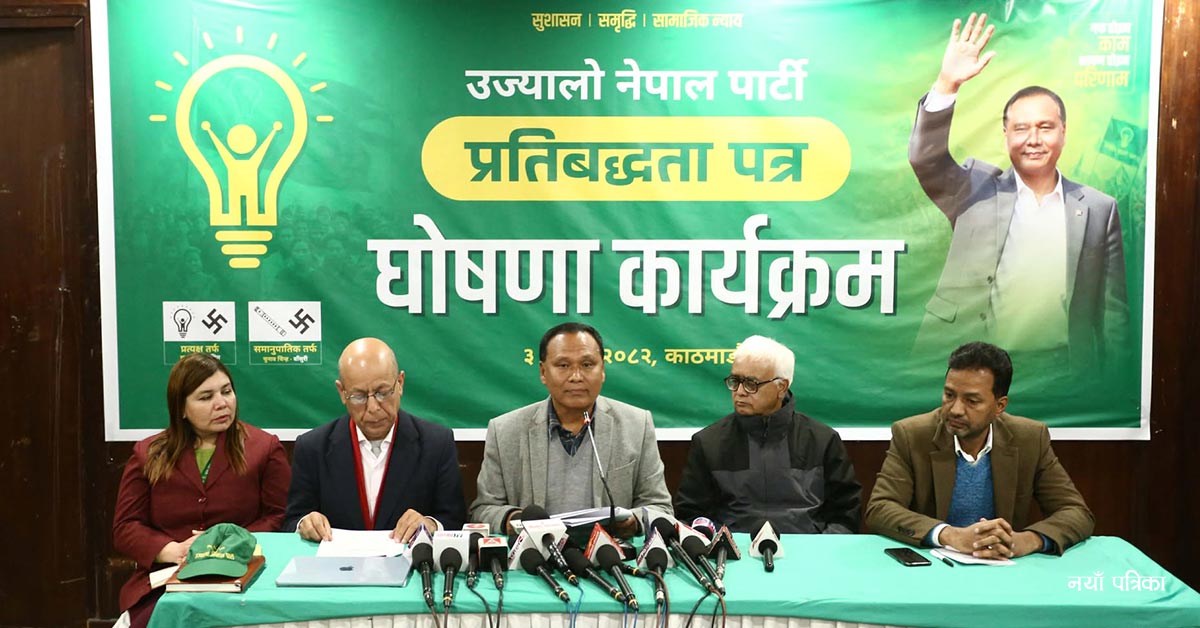
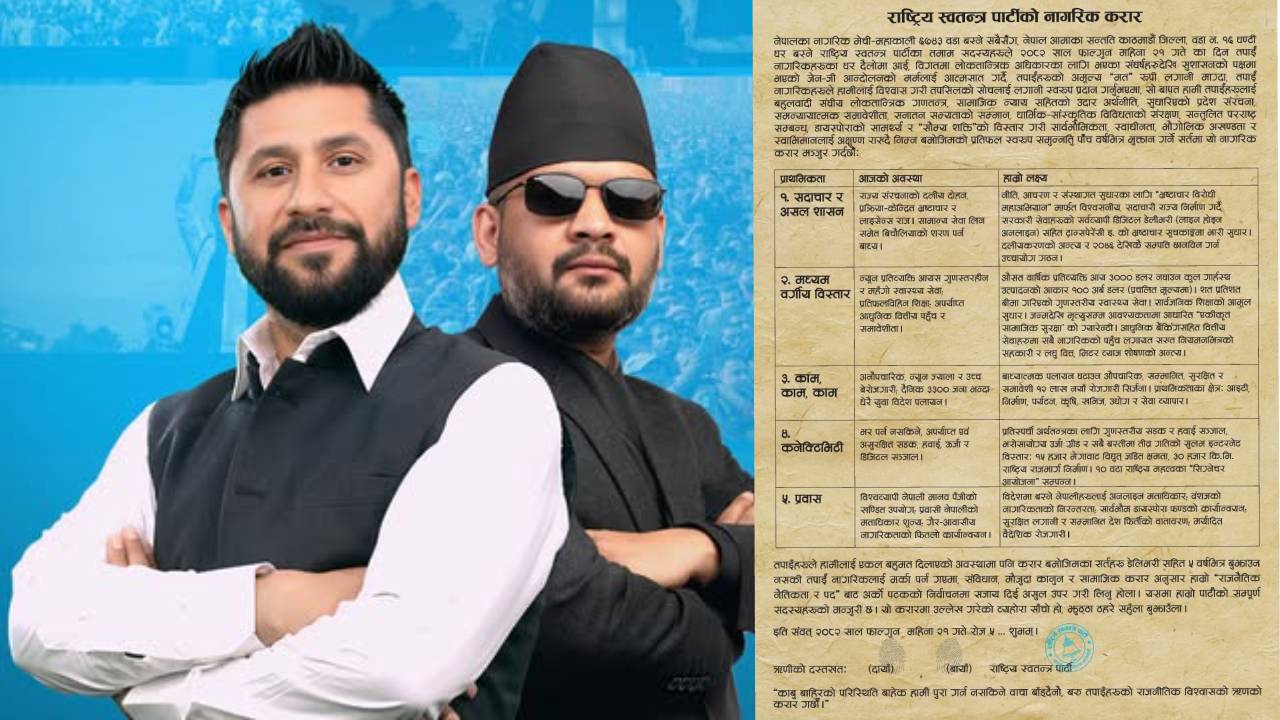
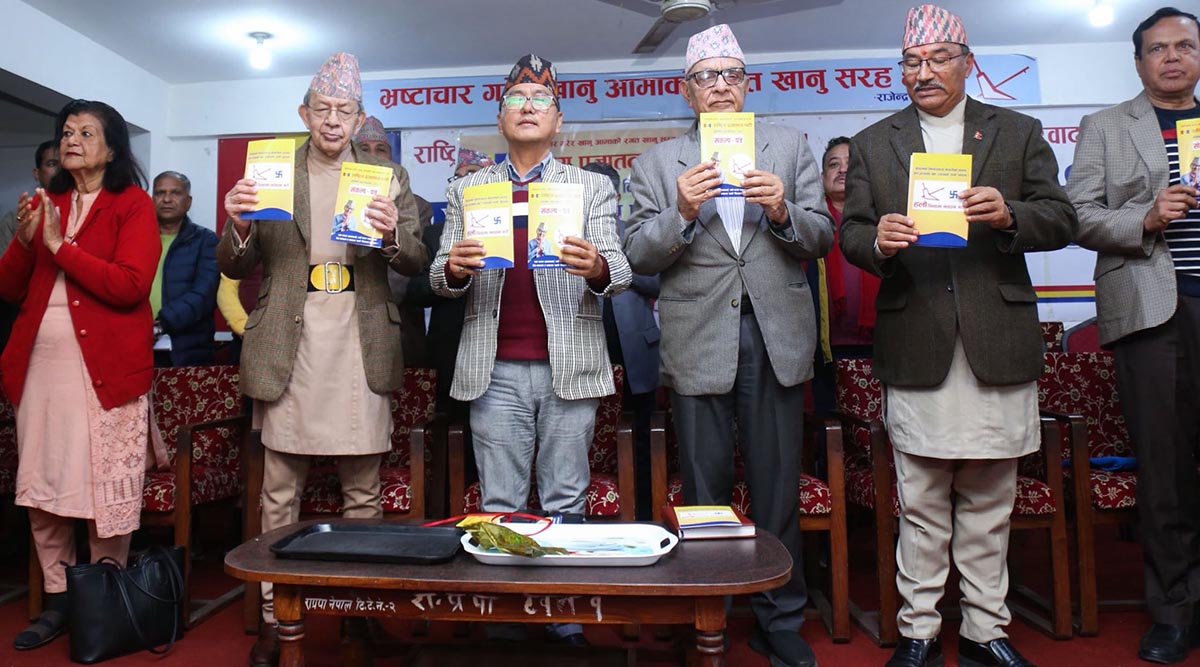
KATHMANDU: The Nepali Congress (NC) has unveiled its election vision for the House of Representatives elections scheduled for March 5, presenting it as a ‘pledge’ to take the helm of the country and address pressing national challenges. Nepali Congress President Gagan Kumar Thapa released a preview of the party’s manifesto at a rally in Janakpur on Wednesday. A full version will be presented on Thursday.
The manifesto sets out ten commitments, beginning with the promise of a dignified life for all citizens. It emphasizes safeguarding individual freedom, identity, and self-respect, while eliminating discrimination and violence on the basis of caste, religion, or gender.
Economic revitalization is central to the pledge. The NC promises to create decent employment for young people, leverage the knowledge and capital of the Nepali diaspora, attract both domestic and foreign investment, ensure social security for workers, and curb illicit wealth accumulation. Agricultural reform is also a priority: the party pledges to modernize farming, address shortages of fertilizers, seeds, and irrigation, and promote Nepali products abroad.
On public services, the manifesto envisages universal access to healthcare through an advanced insurance system and positions education from pre-primary to university as a national investment, linking it closely with technology and innovation. Governance reforms include ending political influence in state institutions and using technology to reduce corruption and bureaucratic delays. Cultural and regional diversity is to be preserved while aligning with global competitiveness.
Foreign policy and economic development are also highlighted. The NC pledges to maintain relations with neighboring and friendly nations on the basis of equality, enhance the standing of the Nepali passport, and accelerate growth in tourism, energy, information technology, and infrastructure, all while promoting an open and environmentally sustainable economy.
What is the purpose of the NC manifesto?
The NC manifesto is a comprehensive vision for building a Nepal where no one goes hungry, lives in insecurity, or lacks the essentials for a dignified life. It is founded on the principle that the strength of the people can empower citizens, safeguard their dignity, and ensure their rights. The party seeks to transform the nation by learning from historical achievements and failures, embracing new ideas, and mobilizing youthful energy. The manifesto is not merely a promise for the next five years but a blueprint for a beautiful Nepal, inclusive, prosperous, and respected at home and abroad.
How does the party plan to ensure dignity and freedom for citizens?
The manifesto emphasizes that every Nepali citizen will enjoy freedom, identity, and self-respect. All citizens will have the right to live independently, pursue livelihoods, and make choices according to their own will within the framework of the law. No one will face humiliation due to caste, ethnicity, gender, religion, or regional origin, whether at home or abroad. Violence, exploitation, and discrimination of any kind will be eliminated. The party envisions a society where all citizens coexist with dignity and mutual respect, creating a shared and harmonious environment.
What economic vision does the manifesto outline?
The manifesto highlights the creation of opportunities for employment, entrepreneurship, and investment while leveraging the knowledge and capital of Nepalis living abroad. Citizens disadvantaged economically will gain property, income, and social security. Legal profit will be encouraged, while illicit wealth accumulation will be strictly controlled. The manifesto asserts that economic freedom, ethics, and accountability will guide governance, ensuring that all citizens, regardless of social or economic status, can participate meaningfully in the nation’s growth.
How will agriculture be modernized and supported?
Agriculture is a central focus of the manifesto. Farmers will have access to modern tools, quality seeds, fertilizers, and irrigation. They will be able to sell their produce at fair prices and access markets, including international markets, with the state supporting branding and promotion. Agriculture will no longer be a source of hardship but a dignified and profitable profession. The manifesto emphasizes ensuring food security, fair valuation of produce, and access to resources. Farmers’ efforts and dreams will be fully supported, and the government will act to guarantee a stable and encouraging environment for agricultural productivity.
What approach does the manifesto take toward healthcare?
Healthcare is framed as a fundamental right for every citizen. The manifesto promises that medicines, hospital services, and treatment will be accessible and affordable to all, with no one denied care due to financial or social constraints. The state will implement an advanced health insurance system to reduce economic burdens on families and guarantee emergency and specialized care when needed. The approach emphasizes that health services are not charity but an inalienable right of every Nepali citizen, ensuring dignity, security, and peace of mind.
How does the manifesto address education?
Education is considered a national investment in the manifesto. Children will have access to comprehensive education from pre-primary to university, linked to technology, innovation, and life skills. No child will be denied education due to financial constraints. Schools will nurture creativity, critical thinking, confidence, and practical knowledge while eliminating exploitation, violence, and obstacles. The goal is to produce citizens who are capable, aware, ethical, and fully prepared to contribute to the nation’s development. The state will also ensure proper nutrition and overall development for children, enabling them to enjoy both education and recreation in a safe and supportive environment.
How will the manifesto ensure equality and good governance?
All citizens will be equal before the law, and government services, courts, and public institutions will operate transparently, impartially, and without political interference. Merit, integrity, and accountability will guide appointments, promotions, and service delivery. Digital governance will allow citizens to access services conveniently from home, monitor government performance, and participate in decision-making. The manifesto promises a system where citizens’ rights are respected, corruption is minimized, and public administration is effective, responsive, and aligned with the needs of the people.
What plans are there to preserve Nepal’s diversity and culture?
Nepal’s linguistic, cultural, regional, and traditional diversity will be preserved, celebrated, and recognized equally. The manifesto emphasizes protecting languages, traditions, arts, cultural heritage, and practices across all regions, including the Himalayas, hills, and Madhes. All communities will be respected equally, and the richness of Nepal’s culture will be integrated with modern governance to create a nation that is inclusive, harmonious, and culturally vibrant. This diversity is seen as the foundation for national strength, pride, and identity.
How does the manifesto approach national development and sustainability?
The manifesto lays out plans for developing tourism, energy, information technology, infrastructure, and other sectors in a sustainable and inclusive manner. Natural resources such as forests, rivers, and biodiversity will be protected for future generations. Economic growth will be environmentally responsible, transparent, and equitable. Investments, both domestic and international, will be ethical and guided by long-term national interest. The aim is to create a strong economy that benefits all citizens while preserving the environment and national heritage.
How does the manifesto plan to strengthen national unity and international respect?
The NC envisions a united, sovereign, and globally respected Nepal. Overseas Nepalis will remain connected to their homeland and supported in contributing to the nation’s development. Social justice, equality, and inclusivity will guide governance, ensuring citizens benefit fairly from development. Cultural and natural heritage will be protected, and Nepal’s global standing, including the respect for its passport, will be enhanced. The manifesto emphasizes that Nepal will be strong, equitable, inclusive, and a responsible member of the international community.