Kathmandu
Thursday, February 12, 2026





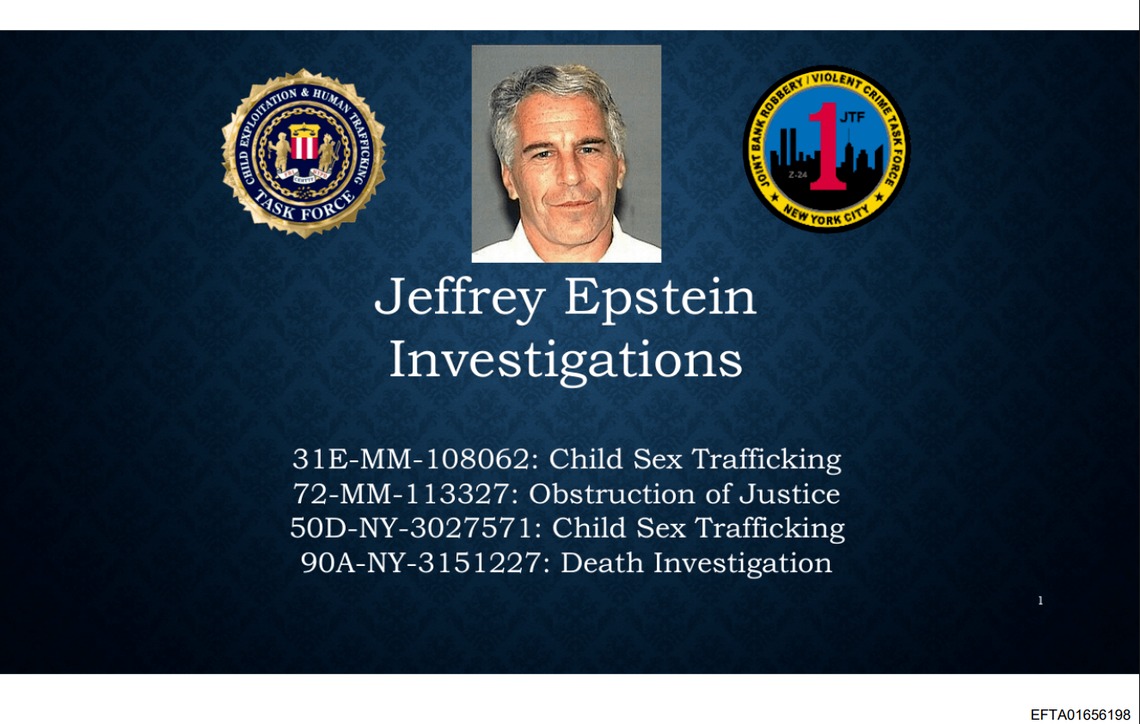
KATHMANDU: For years, whispers swirled around Jeffrey Epstein’s private island, a secluded compound reachable only by boat or helicopter, shielded from scrutiny and, many believed, designed for abuse. Allegations of sex trafficking lingered in the shadows, sustained by a decade-long culture of silence and protection. Nepal News presents this explainer series, breaking down major global headlines with clear timelines and background details.
Who was Jeffrey Epstein?
Jeffrey Epstein (January 20, 1953–August 10, 2019) was a New York–born financier known for his immense wealth, global connections, and high-profile relationships with politicians, celebrities, and business leaders. He studied mathematics and physics at university and briefly taught at Manhattan’s Dalton School before entering finance, working at Bear Stearns and later founding his own investment firm. Epstein managed money for billionaires like Leslie Wexner, which helped him acquire luxury properties and private islands.
What were Jeffrey Epstein’s private islands, and why are they notorious?
Jeffrey Epstein owned two private islands in the U.S. Virgin Islands: Little St. James (28 hectares) and Great St. James (67 hectares). Both were only accessible by private plane and helicopter or boat, making them isolated and difficult to monitor. Epstein purchased Little St. James in 1998 for USD 7.95 million through a company he solely controlled and Great St. James in 2016 for USD 22.5 million.
Little St. James, often called ‘Epstein Island’ or ‘Paedophile Island’ by locals, is the site of the majority of allegations of sex trafficking and abuse of underage girls. Epstein reportedly used both islands as private retreats and hideaways under the guise of business activities. He himself referred to Little St. James as “Little St. Jeff’s” and described the Virgin Islands as “perfect” for their isolation.
Investigations have confirmed the islands were central to Epstein’s criminal operations. FBI searches of the property recovered over hundreds of gigabytes of data and physical evidence, underscoring the islands’ role in his network of abuse.
How did Jeffrey Epstein’s crimes, long hidden, finally come to light?
Jeffrey Epstein’s crimes resurfaced through investigative reporting after years of being overlooked amid lenient penalties and the cover of his power and influence. In 2016, when public attention had largely faded, Miami Herald reporter Julie K. Brown reopened the case. She tracked down over 60 women who said they were abused and exposed the extraordinary non-prosecution agreement that had granted Epstein sweeping immunity. Her 2018 series, Perversion of Justice, dismantled the myth of a closed case, leading a federal judge to rule the secret deal illegal. Epstein was arrested again in 2019.
The Herald’s reporting sparked national outrage, drew Congress’s attention, and forced accountability. The investigation revealed the full scope of Epstein’s crimes, his powerful connections, and the systemic failures that had shielded him. Despite attacks from his lawyers and former prosecutors, the journalists persisted in filing motions to unseal documents, interviewing new victims, and exposing his financial and political networks.
As a result, the Southern District of New York revived the case; Epstein was indicted, and his enablers faced scrutiny. Labor Secretary Alexander Acosta resigned, the Palm Beach Sheriff’s work release program was discontinued, and new legislation was introduced to prevent similar prosecutorial cover-ups. Epstein’s resurfacing demonstrated that investigative journalism can break through decades of secrecy, holding even the most powerful accountable.
What criminal allegations were made against Epstein?
Epstein was accused of running a large-scale sex trafficking operation involving underage girls. These allegations formed the core of his criminal case and highlighted the extent of his influence and power.
U.S. court documents and the Epstein Files reveal that Jeffrey Epstein was involved in serious crimes, including sex trafficking, sexual abuse of minors, coercion, and procuring for prostitution. He transported young girls and women, often to his private island, where they were sexually exploited. Victims, some as young as 14, were lured under the pretext of massages and forced to engage in sexual activities. Many reported being unable to leave due to fear, intimidation, and the island’s isolation. Epstein’s actions were part of an organized network, with accomplices like Ghislaine Maxwell recruiting victims and allegedly facilitating exploitation to benefit or blackmail powerful individuals.
How did Jeffrey Epstein build his wealth and influence?
Jeffrey Epstein amassed a fortune estimated at USD 578 million at the time of his death, including lavish homes, two Caribbean islands, and nearly USD 380 million in cash and investments. How he made it remains partly mysterious, but court filings and investigative reports reveal the main sources.
Epstein’s primary business was financial advisory, offering estate, tax, and investment services to ultra-wealthy clients. His two largest patrons were Les Wexner, founder of Victoria’s Secret, and Leon Black, private equity billionaire. Together, they accounted for the bulk of Epstein’s fees, over USD 490 million, from 1999 to 2018. Epstein also benefited from tax breaks in the U.S. Virgin Islands, saving an estimated USD 300 million between 1999 and 2018.
He used Wexner’s Manhattan townhouse, jets (including the infamous “Lolita Express”), and other assets to consolidate his wealth and status. After falling out with Wexner in 2007 and surviving losses during the 2008 financial crisis, Epstein rebuilt his fortunes through Black, earning tens of millions for tax, estate, and philanthropic advice.
Despite massive wealth, the origins of some transactions remain unclear. Investigations have revealed over 4,700 transactions totaling USD 1.9 billion across multiple banks, suggesting the scope of funds Epstein could channel to support his criminal network. Legal settlements with his estate and associates have returned hundreds of millions to victims and government entities, but questions about the full extent of his finances persist.
What happened during Epstein’s arrest and imprisonment?
Epstein was indicted by the U.S. Attorney’s Office in Manhattan and arrested on July 6, 2019. Two days later, he was charged with sex trafficking and conspiracy. Denied bail, he was held at the Metropolitan Correctional Center in Manhattan, where he was found dead in his cell on August 10, 2019. The coroner ruled his death a suicide, cutting short a trial that could have exposed the full scope of his criminal network.
What did the Department of Justice release about Jeffrey Epstein’s files on January 30, 2026?
The DOJ released a massive collection of materials connected to Jeffrey Epstein, including over three million pages of documents, more than 2,000 videos, and 180,000 images, which were seized from Epstein’s homes in New York, Florida, and the Virgin Islands. The disclosures revealed his global network of influence and communications with high-profile figures in politics, business, and society.
The Epstein Files are a vast collection of millions of government documents related to American billionaire and convicted sex offender Jeffrey Epstein. Compiled by the FBI, Department of Justice, and various courts, they include emails, photos, videos, court records, flight logs, witness statements, Epstein’s financial records, and research materials. The files detail Epstein’s child sexual abuse, trafficking of minor girls, and his connections with high-ranking political, business, and social figures.
What are the latest Jeffrey Epstein files, and who do they involve?
Documents connected to Jeffrey Epstein’s investigations, revealing communications with global leaders, tech tycoons, and business figures, including Donald Trump, Bill Clinton, Bill Gates, Elon Musk, Richard Branson, Anil Ambani, and more. The files highlight Epstein’s vast network and influence across the globe. While the files mention many high-profile figures, inclusion does not imply guilt. The documents primarily consist of witness statements, flight logs, emails, and investigative reports, which may reference individuals without proving their involvement in Epstein’s criminal activities.
What was the impact of these disclosures?
The revelations sent shockwaves across boardrooms, political circles, and public life worldwide. Careers and reputations were disrupted, showing that even the most powerful systems are vulnerable to exposure and public scrutiny.
How is Nepal mentioned in the Epstein files?
Nepal appears in over 118 references, mostly unrelated to Epstein’s criminal activities. Mentions include luxury products like USD 51,000 Tibetan carpets, ‘Nepal coffee tables,’ post-earthquake aid efforts, and correspondence involving the King of Mustang. Emails show Epstein’s associates were interested in Nepali markets, products, and charitable efforts in the wake of the 2015 earthquake. After the 2015 earthquake, Petra Nemcova contacted Epstein for aid; he reportedly donated USD 2,000 to an orphanage, with a later request for USD 50,000. An Israeli newsletter claimed Epstein treated 1,500 people in Nepal, though this remains unverified.
Epstein’s emails also reveal a “Project Endobiotica” to study the gut microbiome of newborns in Nepal and Tibet, aiming to uncover secrets to longevity. Importantly, none of the files link Nepal’s political leaders, royals, industrialists, celebrities, or girls to Epstein’s sexual exploitation, debunking viral social media claims about a “girl supply from Nepal.”
Were any Nepalis involved in Epstein’s criminal activities?
So far, there is no evidence linking Nepalis to Epstein’s sexual misconduct or trafficking. Some Nepali names appear in professional emails or CVs in the Justice Department’s “Epstein Library,” mainly related to business, aid projects, or domestic work for Epstein’s associates.
What are the major events in the Jeffrey Epstein case from the beginning to now?
Here are the key timelines of the Jeffrey Epstein case from the beginning:
March 14, 2005: Palm Beach Police investigate Epstein after a 14-year-old Royal Palm Beach High School student reports she was molested at his mansion. Her stepmother told a detective, “Supposedly the man has a lot of money and often has young girls come to his house.” The girl, in tears, said she was taken upstairs to massage Epstein. He entered in only a towel and sternly ordered her to undress. She stripped to her bra and thong. As she massaged him, he masturbated, then paid her USD 300. The next day, she fought a classmate who called her a prostitute. She never returned. Later, multiple underage girls, many high school students, told police Epstein hired them for sexual massages.
On October 20, 2005, police searched Epstein’s home at 358 El Brillo Way. Several computers are missing, believed to have been moved to an Epstein attorney’s vault. Detective Joseph Recarey suspects Epstein was tipped off. The computers likely contained victim names and photos. Federal prosecutors later sought them; Chief Prosecutor Marie Villafana suspected child porn was on the devices.
December 19, 2005: Epstein’s legal powerhouse assembles. Defense attorneys descend upon Palm Beach County State Attorney Barry Krischer. Harvard law professor Alan Dershowitz, who ten years prior helped secure O.J. Simpson’s acquittal, provides Krischer with MySpace profiles of multiple victims, featuring references to sex, alcohol, and drugs. The defense team includes prominent local lawyers Jack Goldberger and Roy Black, joined by nationally recognized attorneys Gerald Lefcourt and Kenneth Starr.
February 22–23, 2006 – First grand jury scheduled with three victims set to testify. Despite Palm Beach police identifying additional victims, only three were called. Former Police Chief Michael Reiter later recalled prosecutors said they would not pursue charges for victims 16 or older unless “extraordinary circumstances,” meaning rape, existed. The grand jury was canceled as prosecutors paused to review the victims’ MySpace pages.
April 1, 2006 Victims and their families report being harassed by Epstein-paid private investigators. One victim’s father told Detective Recarey that private eyes ran his family off the road. Another victim said an Epstein “source” warned her, “Those who help him will be compensated, and those who hurt him will be dealt with.” ReCarey notified the state attorney’s office. Witness tampering is a crime. No action was taken.
April 17, 2006: Prosecutors offer Epstein a plea deal: plead guilty to aggravated assault with no jail time. Another grand jury, scheduled for April 18–19, is canceled. Epstein rejects the offer.
May 1, 2006 – Palm Beach Police Chief Michael Reiter questions State Attorney Barry Krischer’s objectivity, suggesting the “highly unusual” handling of the case may warrant recusal. Child sex crimes prosecutor Daliah Weiss withdraws after Epstein hires her husband’s law firm. She was known as a tough prosecutor in the child sex-crimes unit. Detective Recarey submits a proposed arrest warrant charging Epstein with felonies against five victims who were girls under 16 or those who had been raped. Victims 16 and older were listed only as witnesses due to state law at the time. If convicted on all counts and sentenced to the maximum, Epstein faced up to 75 years in prison.
May 23, 2006: Concerned by the state attorney’s handling of the case, Police Chief Reiter and Detective Recarey begin discussions with the FBI and federal prosecutors about a federal takeover.
July 19, 2006: A grand jury indicts Epstein on a single felony count of solicitation of prostitution. Prosecutor Lanna Belohlavek presents the case with only one victim testifying. She attacks the 14-year-old’s credibility using her MySpace pages provided to prosecutors by the defense. The charge mirrors what a “john” soliciting an adult sex worker might face and does not account for the victim’s age.
July 23, 2006: Epstein is arrested and spends one night in the Palm Beach County Jail. He is released the next day on a USD 3,000 bond.
On July 24, 2006, the FBI’s West Palm Beach Resident Agency opens a federal investigation into Epstein.
May 2007: Federal prosecutors in the Southern District of Florida draft a 60-count indictment against Epstein.
September 24, 2007: Epstein signs the non-prosecution agreement later dubbed the “deal of the century” with federal and state authorities. In exchange, he pleads guilty to two felony prostitution-related charges under Krischer. The deal requires him to register as a sex offender and shields four named co-conspirators, along with any potential others. Negotiations continue among Krischer, federal prosecutors, and Epstein’s lawyers. Meanwhile, Chief Federal Prosecutor Marie Villafana is prepared multiple times to unseal a 60-count federal indictment stemming from a grand jury investigation.
January 10, 2008—The FBI sends a letter to victims urging patience while it “conducts a thorough investigation.” The letter omits that the federal investigation had already ended under the non-prosecution agreement signed the previous September.
June 30, 2008: Epstein pleads guilty to two felonies: solicitation of prostitution (from the grand jury charge) and solicitation of a minor for prostitution (from Krischer). Instead of potentially decades in federal prison, he is sentenced to 18 months in jail. He serves 13 months in a private wing of the Palm Beach County Jail typically reserved for informants or inmates requiring protection, including those with significant wealth.
June 30, 2008: Epstein pleads guilty to two felonies. Sentenced to 18 months in jail but serves 13 in a private Palm Beach County jail wing. Released on work leave six days a week, 12 hours a day. One woman later said she was flown in for sex with him at his foundation offices—formed months before his plea.
July 22, 2009: Epstein released from jail to one year of house arrest. Allowed to travel anywhere, including his private island in the U.S. Virgin Islands, provided he returns within 24 hours. His lawyers later request early termination; successor prosecutor Michael McAuliffe rejects it. Several potential house arrest violations are documented; no action is taken. A violation could have returned him to jail.
May 2009: One of Epstein’s accusers, Virginia Roberts Giuffre, files a lawsuit claiming Epstein and Maxwell arranged for her to have sexual encounters with “royalty, politicians, academicians, businessmen” and others. The lawsuit doesn’t name the men.
October 28, 2009: The FBI’s Miami Palm Beach Resident Agency opens an obstruction of justice case against Alfredo Rodriguez, Epstein’s former house manager. Rodriguez failed to comply with a federal subpoena and attempted to sell the requested documents, including Epstein’s ‘little black book,’ to victims’ attorney Brad Edwards for USD 50,000.
December 8, 2009: Alfredo Rodriguez is arrested for obstruction of justice. The documents and materials he attempted to sell, including Epstein’s contact directory, were seized during an undercover FBI operation.
March 2, 2011 – The Daily Mail publishes an interview with Virginia Giuffre, who describes traveling with Epstein to London at age 17 and spending a night dancing with Prince Andrew. The story, including a photo of the prince with his arm around Giuffre, creates a crisis for the royal family. FBI agents subsequently interview Giuffre.
March 2, 2011: The Daily Mail publishes an interview with Giuffre in which she describes traveling with Epstein to London at age 17 and spending a night dancing with Andrew Mountbatten-Windsor, then known as Prince Andrew. The story and a photo of the prince with his arm around Giuffre create a crisis for the royal family. FBI agents subsequently interview Giuffre.
December 30, 2014: Virginia Giuffre’s lawyers file court papers alleging she had sexual encounters with Prince Andrew and other men, including “foreign presidents, a well-known prime minister, and other world leaders.” “All named men deny the allegations.
November 28, 2018 The Miami Herald, led by investigative reporter Julie K. Brown, publishes a three-part series revisiting Epstein’s case. The reporting reveals the full scope of his crimes, identifying 80 victims, and exposes how then-U.S. Attorney Alexander Acosta (now Trump’s labor secretary) orchestrated the 2008 non-prosecution agreement, giving Epstein the “deal of a lifetime.” The series intensifies public scrutiny, triggers a federal judge’s ruling that prosecutors violated victims’ rights, and sparks bipartisan calls for Acosta’s resignation.
On December 6, 2018, FBI agents and the U.S. Attorney’s Office in Manhattan opened a new investigation into Epstein.
July 6, 2019: Epstein is arrested on new sex trafficking charges brought by New York prosecutors, who determine they are not bound by the 2007 non-prosecution agreement. Days later, Labor Secretary Alexander Acosta resigned.
August 10, 2019: Epstein dies by suicide in his Manhattan jail cell.
July 2, 2020: Federal prosecutors in New York charge Ghislaine Maxwell with sex crimes, alleging she recruited and abused Epstein’s victims.
December 30, 2021 After a monthlong trial, a jury convicts Maxwell of sex trafficking and other crimes.
June 28, 2022 – Maxwell is sentenced to 20 years in prison.
January 30, 2024: Public interest surges after a judge orders the release of additional court records in a related lawsuit.
On January 20, 2025, Trump, previously friends and neighbors with Epstein, became president again. During his campaign, he suggested he would seek to release more government files on Epstein.
February 2025: Attorney General Pam Bondi tells Fox News an Epstein “client list” is on her desk. The Justice Department distributes “declassified” binders to far-right influencers, though much of the information was already public.
April 25, 2025: Virginia Giuffre dies by suicide.
July 7, 2025 The Justice Department states Epstein did not maintain a “client list” and will release no further files related to his sex trafficking investigation.
July 15, 2025 Reps. Ro Khanna (D-CA) and Thomas Massie (R-KY) introduce the Epstein Files Transparency Act, requiring the Justice Department to make its investigative files public.
July 17, 2025 The Wall Street Journal reports a sexually suggestive letter bearing Trump’s name appeared in a 2003 album for Epstein’s 50th birthday. Trump denies authorship and sues the newspaper.
On July 24 and 25, 2025, Deputy Attorney General Todd Blanche interviewed Maxwell. She denies wrongdoing and says she never witnessed Trump involved in sexually inappropriate activity.
October 21, 2025: Giuffre’s posthumous memoir is published. She revisits claims that Epstein and Maxwell trafficked her to powerful men, including Prince Andrew.
October 30, 2025: King Charles III strips Prince Andrew of his remaining titles and evicts him from his royal residence.
November 12, 2025 A House committee releases Epstein’s email correspondence, including exchanges with Prince Andrew, Steve Bannon, Larry Summers, and Reid Hoffman. In a 2019 email, Epstein wrote that Trump “knew about the girls” without elaboration.
November 14, 2025 At Trump’s urging, Bondi directs the U.S. Attorney in Manhattan to investigate Epstein’s ties to Trump’s political opponents, including Bill Clinton, Summers, and Hoffman. None have been accused of misconduct by Epstein’s accusers.
November 18, 2025: Congress passes the Epstein Files Transparency Act. Trump signs it into law the next day.
December 19, 2025 The Justice Department begins releasing records, including snapshots Epstein kept of famous people, among them Trump and Clinton. After releasing a small portion, disclosures halt for further review.
January 30, 2026 The Justice Department releases what Blanche says are over 3 million pages of documents, 2,000 videos, and 180,000 images, posted to the department’s website.