Kathmandu
Monday, February 23, 2026





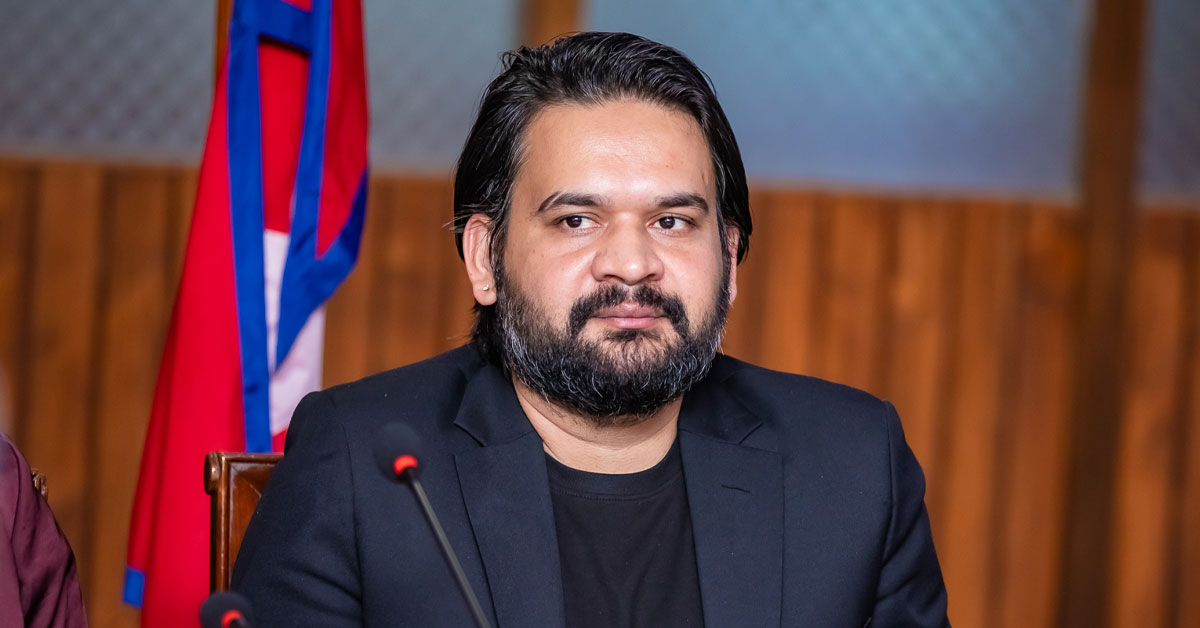
KATHMANDU: Rastriya Swatantra Party (RSP) senior leader Balen Shah has unveiled his commitment paper for Jhapa-5, laying out a vision for local development across education, infrastructure, health, agriculture, governance, and culture.
All eyes are on Jhapa-5 on March 05 Hosue of Representative elections, where Balen Shah faces former Prime Minister and UML chairman KP Sharma Oli in a closely watched electoral contest that has captured national attention. Here is everything you need to know about Balen Shah’s electoral commitments in Jhapa-5.
What are Balen Shah’s commitments for Jhapa-5?
Balen Shah, the Rastriya Swatantra Party (RSP) candidate for Jhapa-5, has made a set of clear and citizen-focused commitments that define how he plans to serve if elected. At the core, he promises to lead the implementation of the RSP’s 2026 manifesto, ensuring that its goals are not just statements on paper but translated into real action. He is committed to guaranteeing that every citizen can access the fundamental constitutional rights of food, housing, healthcare, education, drinking water, employment, and social security, making sure that legislation, budgets, and programs are effectively aligned to deliver these essentials.
Balen Shah emphasizes that he will always protect the national interest, pledging not to sign or support any agreements that could harm the country. He aims to make public services fast, transparent, and efficient so that citizens no longer face unnecessary delays or bureaucratic hurdles. Development will go hand-in-hand with environmental protection, as he plans to prioritize nature conservation while pursuing infrastructure and community progress.
To ensure local voices are heard, he intends to establish a Parliamentary Secretariat in Jhapa-5, creating a direct channel between citizens and lawmakers. Beyond policies and programs, Balen Shah wants to change the very nature of politics, transforming it from a personal profession into a form of public service. He promises that the trust people place in their votes will be reflected in tangible results, and his political work will always be rooted in honesty, accountability, and delivering meaningful outcomes for the people he represents.
How Balen Shah plans to transform education in Jhapa-5?
Balen Shah is committed to transforming education in Jhapa-5 by making it accessible, inclusive, practical, and modern for all children, especially those from poor and underprivileged families. He pledges to ensure that every child has the right to quality education, meaning no student is left behind due to financial or social barriers. One of his key initiatives is the “Education with Skills Program,” modeled after the success in Kathmandu, which aims to equip students with practical skills locally so they do not feel compelled to seek opportunities abroad for learning or employment.
He also plans to reconstruct the historic Tribhuvan Library in Gauriganj and turn it into a Digital Study and Research Center, making modern resources available to students and researchers. In higher education and healthcare-related education, he promises to establish the Koshi Ayurveda Institute and bring the Provincial Ayurveda Hospital in Kamal (Lakhanpur) under its management, strengthening education in traditional medicine and healthcare services.
Balen Shah is committed to completing key infrastructure projects, such as the Damak Multi-Technical School building, and modernizing learning environments by introducing smart classrooms, ECED (Early Childhood Education and Development) rooms, laboratories, and libraries in community schools. At the same time, he plans to upgrade higher education quality to prepare students for competitive careers.
He also emphasizes retention and inclusivity, launching a “School Retention Program” aimed at reducing the student dropout rate to zero and implementing specialized educational programs for children with different abilities, ensuring education is adapted to every learner. Local culture and identity are part of his vision too, as he plans to integrate local languages and scripts into the curriculum starting from primary education. Finally, he aims to further organize and operationalize the Science Park in Damak-10, providing students with a hands-on space to explore science, technology, and innovation.
What are Balen Shah’s commitments in infrastructure in Jhapa-05?
Balen Shah has outlined a comprehensive vision to strengthen infrastructure in Jhapa-5, focusing on completing ongoing projects, improving connectivity, and modernizing the region to meet both public needs and future development goals. He is committed to finishing all incomplete projects within a set deadline, ensuring that citizens no longer wait for essential services or public facilities. For transportation, he promises to complete the Damak-Ravi-Chisapani road and bring it into operation immediately, reducing travel time, easing traffic, and boosting local trade.
He also plans to construct landmarks that reflect local culture and identity. One key initiative is the “Our Stadium, Our Identity”, an Indigenous Nationalities Stadium that honors the culture and history of indigenous communities while providing a modern space for sports and events. Similarly, the Virat Buddha Park will be completed and made accessible to the public, creating recreational and tourism opportunities while preserving local heritage. Public facilities such as the Damak City Hall and the View Tower will be fully operational to maximize utility for residents and visitors.
How Balen Shah plans to boost agriculture and employment in Jhapa-5?
Balen Shah is committed to transforming agriculture and employment in Jhapa-5 by making farming more productive, profitable, and attractive, especially for young people and underrepresented groups. He plans to increase the utility of agricultural land by expanding the Kankai-Ratuwa irrigation scheme and introducing lift irrigation technology, ensuring that water is available year-round and crop yields are maximized. To support farmers directly, he promises to establish the Gauradaha Agriculture Storage Center, equipped with cold storage and dryers, so that produce can be stored safely and sold at the right time, reducing losses and increasing income.
Balen Shah also plans to implement a subsidy system for fertilizers, seeds, and electricity, linked to agricultural production, to make farming more affordable and sustainable. The Gauradaha Agriculture Campus will be developed into a research hub, enabling innovation in farming techniques, crop management, and sustainable agriculture practices. To provide security and confidence for farmers, a support price guarantee system will ensure that agricultural products fetch fair prices in the market.
Encouraging youth participation in agriculture is another priority. Balen Shah aims to attract young people to farming through reliable insurance systems, adequate irrigation facilities, and technology-based production methods, making agriculture a viable and respected profession. In addition, programs for branding and market expansion of local products will help strengthen the identity, quality, and reach of Jhapa’s agricultural goods.
Commercial livestock and animal husbandry will also receive attention through enhanced government veterinary services and livestock insurance programs, enabling farmers to raise animals more safely and profitably.
What are Balen Shah’s commitments for women and children?
Balen Shah has outlined a comprehensive approach to empower women and protect children in Jhapa-5, focusing on legal, financial, social, health, and safety measures. Recognizing the barriers women face in accessing basic rights, he promises to simplify the process of obtaining citizenship through the mother’s name, making legal documentation easier and more inclusive. Financial empowerment is another key area: through the “Women Agriculture Loan Program,” women engaged in farming and related activities will gain access to loans at subsidized rates, enabling them to expand their work and increase productivity.
Employment opportunities will also be made more inclusive. Balen Shah plans to implement skill-based training programs targeting people with disabilities and single women, helping them gain meaningful employment and become financially independent. Children’s well-being is another priority. Programs for child nutrition, regular health check-ups, and student health support will be strengthened to ensure that children grow up healthy, well-nourished, and ready to succeed in school and life.
Safety and security form a central part of his commitments. He pledges to strengthen security infrastructure to create a “24-Hour Safe City” for women, ensuring that public spaces, workplaces, and streets are safe at all times. For those who face violence or abuse, existing Safe Houses for women and children will be upgraded and enhanced to provide better protection, support, and rehabilitation services.
How Balen Shah plans to develop tourism and industry in Jhapa-5
Balen Shah aims to strengthen tourism and industry in Jhapa-5 by combining economic growth with cultural preservation and community development. One of his key priorities is to ensure that Gaurigunj Customs operates systematically and transparently, facilitating trade while reducing delays and corruption at the border. To promote tourism, he plans to implement the Border Area Tourism Development Scheme, which will attract visitors to border regions, create local employment, and stimulate economic activity.
Recognizing the value of local heritage, Balen Shah is committed to preserving the original character of traditional markets (Haat-Bazaar) while modernizing them for better organization, hygiene, and accessibility, allowing them to remain vibrant centers of community life. For citizens returning from foreign employment, entrepreneurship promotion programs will be conducted to support small businesses, skills development, and investment in local industries, ensuring that the knowledge and resources brought back by migrants contribute directly to the local economy.
Religious and cultural tourism will also be strengthened. Balen Shah intends to promote tourism at religious sites while protecting and celebrating the culture of local indigenous nationalities, ensuring that their traditions, arts, and heritage are highlighted and respected. Finally, he envisions Damak as a Tourist Transit Hub, a strategic center that connects travelers, enhances local businesses, and positions the city as a gateway for both domestic and international visitors.
How Balen Shah plans to develop sports in Jhapa-5?
Balen Shah has outlined a clear vision to develop sports in Jhapa-5, focusing on athlete development, community engagement, and economic growth through sports. He plans to establish a multi-dimensional Sports Academy designed to train and nurture athletes and coaches to compete at national and international levels, providing them with modern facilities, professional guidance, and opportunities to excel in various disciplines.
In addition, Balen Shah intends to professionalize the Damak Gold Cup, a key local sporting event, so that it not only fosters competitive sports but also contributes to the overall development of the local economy, tourism, and sports sector. This initiative is aimed at attracting participants and audiences from across the country and beyond, generating visibility and economic benefits for Jhapa-5.
Recognizing the importance of grassroots sports and community spaces, he also promises to protect and upgrade open playgrounds as needed, ensuring that children, youth, and local residents have safe and accessible spaces to play, exercise, and participate in recreational activities.
Through these commitments, Balen Shah’s vision for sports in Jhapa-5 emphasizes talent development, professional opportunities, community engagement, and the economic potential of sports, creating an environment where athletics can thrive alongside local culture and public participation.
How Balen Shah plans to improve healthcare and health services in Jhapa-5?
Balen Shah is committed to ensuring accessible, equitable, and high-quality healthcare for all citizens of Jhapa-5, with a focus on the poor, marginalized, elderly, and people with disabilities. He emphasizes that the right to health is not just a promise on paper but a practical guarantee, and he plans to make this a reality by strictly enforcing legal provisions that require hospitals to provide 10% of their total beds free of charge to those who are poor, helpless, or destitute.
One of his major infrastructure initiatives is the upgrading of Damak Hospital to a 300-bed facility in the first phase, ensuring that residents have access to advanced medical care locally without the need to travel long distances. Beyond the city, he plans to expand well-equipped health centers in rural and border areas, reducing disparities and making quality healthcare accessible to all communities.
Public health and preventive care are also central to his vision. The “Clean Water, Healthy Family” program will ensure access to safe drinking water for every household, while the “Home-to-Home Health Service Program” will provide free medical services directly to people with disabilities and senior citizens, improving convenience and coverage.
Emergency services will be strengthened through 24-hour free ambulance services, ensuring timely medical response for those in urgent need. Additionally, the construction of a Disability Rehabilitation Center will be completed and fully operational, offering specialized care, rehabilitation, and support for people with disabilities.
What are Balen Shah’s commitments for land management in Jhapa-5?
Balen Shah plans to address land-related issues through practical and timely measures. To help the landless, squatters, and unmanaged settlers, he will implement the “Commission in 100 Days, Solution in 1000 Days” policy to distribute land ownership certificates efficiently. He also aims to establish a Land Bank to promote proper land plotting, integration, and productive use of fallow land. Additionally, he will ensure that all undocumented or unmapped land is properly documented, providing clarity and security for landowners and settlers.
What are Balen Shah’s commitments for the environment in Jhapa-5?
Balen Shah is committed to protecting and improving the natural environment. He plans to implement the Chure conservation program to safeguard hills and watersheds and introduce a scientific waste management system to keep the city clean. Forests, lakes, and wetlands will be protected, and policies will be reformed to ensure clean air, greenery, and a healthy urban environment. He also promises to strengthen disaster preparedness, risk reduction, emergency response, relief, and rehabilitation programs, making Jhapa-5 safer and environmentally sustainable.
How Balen Shah plans to ensure effective governance?
Balen Shah aims to make governance transparent, efficient, and people-centered. He plans to formulate policies, programs, and budgets based on citizens’ needs and implement an online grievance registration system so concerns are addressed promptly. A Digital Dashboard will track and publicly display the progress of public works. He will adopt a Zero Tolerance policy against corruption, ensuring accountability. Employment will be arranged for the families of martyrs and those injured in movements, and the Minimum Wage for all workers—including tea plantation workers—will be updated and strictly enforced to guarantee dignified livelihoods.
What are Balen Shah’s commitments for art and culture in Jhapa-5?
Balen Shah is committed to preserving, promoting, and celebrating the rich cultural heritage of Jhapa-5. He plans to brand festivals of national importance at both national and international levels to showcase local traditions. The language, art, religion, culture, and traditional costumes of all castes, ethnicities, and indigenous groups will be protected and promoted. The Indigenous Nationalities Museum will be further organized and strengthened, and the Seyauma Multi-Cultural Building will be completed and made operational, providing a dedicated space for cultural activities, exhibitions, and community programs.