Kathmandu
Tuesday, July 28, 2026





Ten years after its promulgation, Nepal’s 2015 constitution faces renewed scrutiny as political forces revisit long-standing disputes over federalism, representation, governance structure, and inclusion, even as a new government attempts to restart the stalled reform process
KATHMANDU: The Rastriya Swatantra Party government of Prime Minister Balendra Shah, sworn in on March 27, 2026, after the party’s landslide win in the March 5 general elections, has formed a taskforce under Asim Shah, the prime minister’s political advisor, to prepare a concept paper on constitutional amendment.
This comes after the previous Nepali Congress-CPN (UML) coalition formed under KP Sharma Oli in July 2024 had made amendment its central justification for existence, yet delivered almost nothing before being ousted by the September 2025 Gen Z protests.
Ten years after Nepal promulgated its seventh constitution on September 20, 2015, the country is finally staring seriously at the question of what to change, how, and whether anyone can agree.
Why was the 2015 constitution such a big deal when it came?
Nepal had been trying to write a permanent constitution for almost seven decades. The country had already gone through six constitutions since 1948, each one reflecting the political winds of its time.
After a decade of brutal Maoist insurgency from 1996 to 2006, the 2006 Comprehensive Peace Agreement opened the door to a transformational reimagining of the Nepali state. Two constituent assemblies were elected, the first dissolving in 2012 without a result, and the second finally completing the work.
The April 2015 earthquakes, which killed nearly nine thousand people and devastated the country, created unexpected political pressure to finish the constitution quickly so that the state could focus on reconstruction.
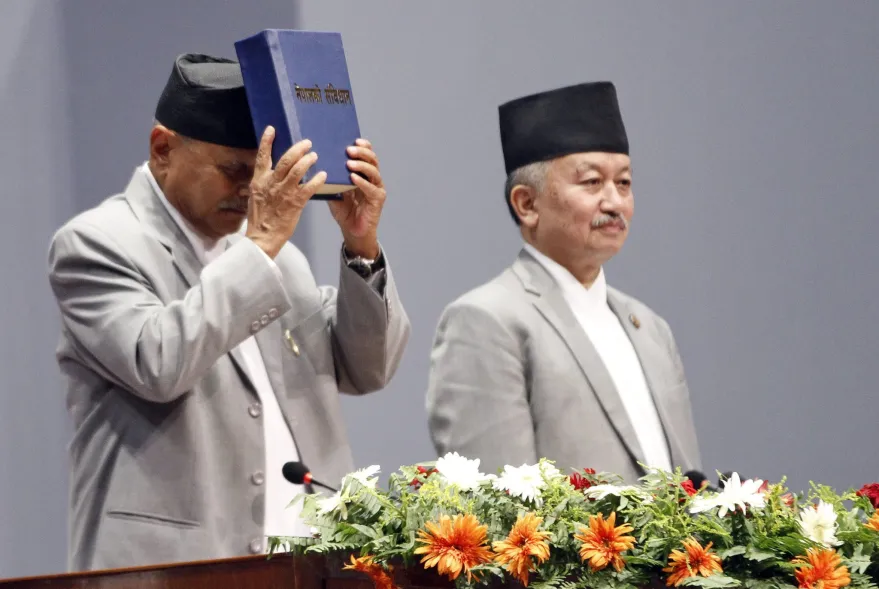
On September 20, 2015, the then President Ram Baran Yadav promulgated the constitution before a session of the Constituent Assembly. It was an extraordinary document in many ways. Nepal declared itself a federal democratic republic, abolishing the monarchy that had ruled since 1768.
The country was declared secular, ending its status as the world’s last official Hindu kingdom. It established three tiers of government, federal, provincial and local, and guaranteed an extensive list of fundamental rights.
Out of 598 Constituent Assembly members, 507 voted in favor and 25 voted against it. For the hill communities and urban elites who had long demanded federalism in theory, it felt like a great victory. On the streets of Kathmandu, people celebrated. In the plains below, they burned tires.
Who opposed the constitution at the time, and why?
The celebrations in Kathmandu masked a furious and bloody rejection in the southern plains, the Terai or Madhes region.
Madhesi and Tharu communities, who together constitute a large portion of Nepal’s population and live predominantly in the Terai, had been demanding a constitution that genuinely recognized their identity, gave them proportionate political representation, and drew provincial boundaries in a way that did not dilute their demographic and political strength. The constitution delivered, in their view, a betrayal.
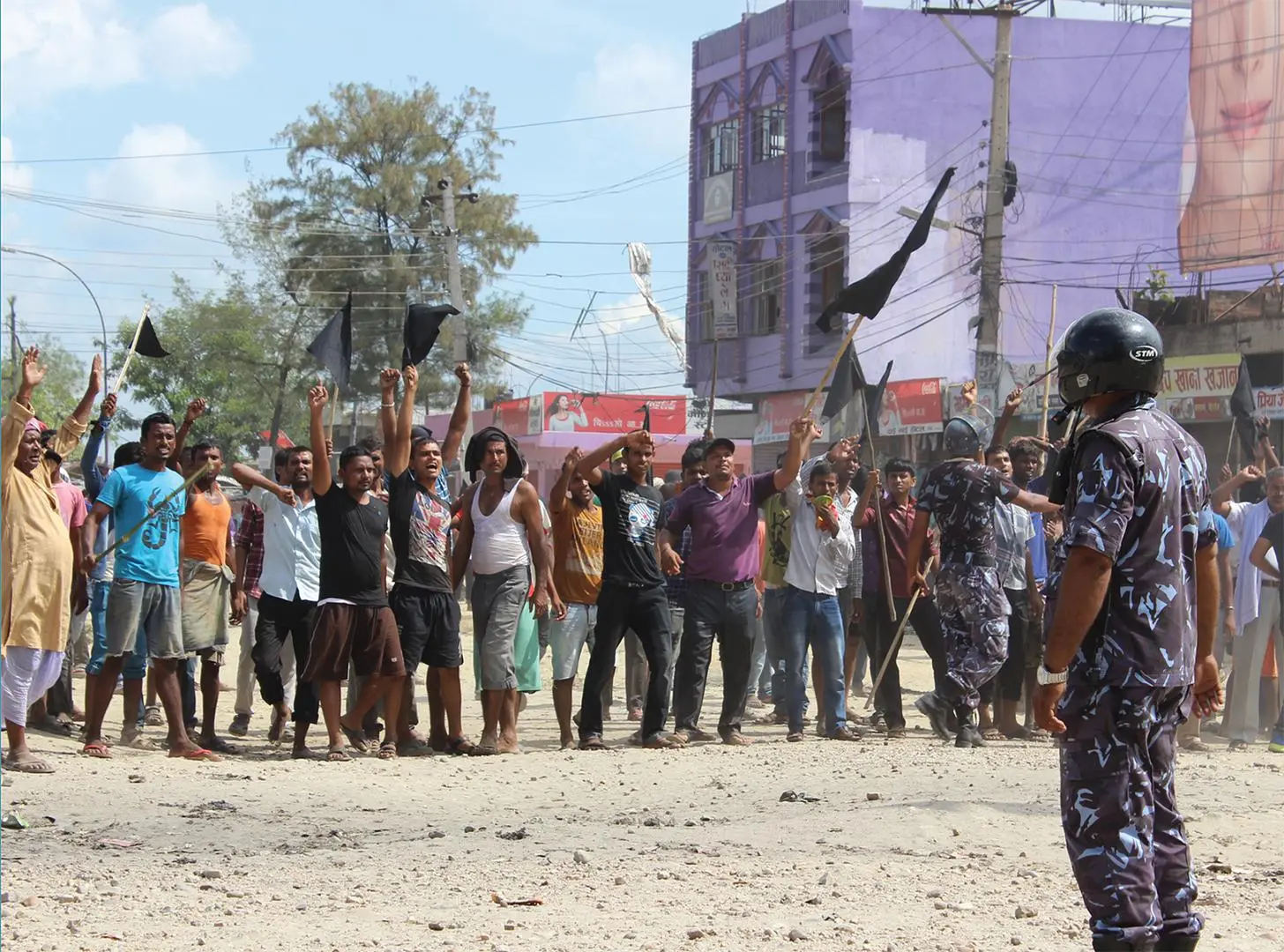
A police officer faces protesters in Nepal’s Terai region in September 2015. Photo courtesy: Human Rights Watch/Website
The seven provinces carved by the constitution spread the Terai population across five different provinces, making Madhesis and Tharus minorities within each of those units rather than a majority anywhere. The proportional representation system, which had given historically excluded communities some foothold in earlier arrangements, was weakened.
Citizenship provisions were discriminatory, making it significantly harder for Madhesi women and children of mixed parentage to claim Nepali citizenship. Indigenous Janajati groups felt their demands for ethnicity-based federalism were dismissed. Dalit communities saw inadequate protections. Women’s groups noted that equal citizenship rights for children born to a Nepali mother and a foreign father were not guaranteed.
The constitution was passed in the face of protests that left at least 57 people dead, and the Indian border was informally blockaded from late September 2015 until February 2016, causing a severe fuel and supply crisis in the landlocked nation.
What did the constitution-drafting process look like from the inside?
The constitution’s fast-tracking after the June 2015 earthquakes was controversial even within the Constituent Assembly itself. Four parties, the Nepali Congress, the CPN (UML), the UCPN-Maoist, and the Madhesi Janadhikar Forum-Loktantrik, signed a 16-point agreement in June 2015 to complete the document quickly. But even within those parties, dissenting voices existed.
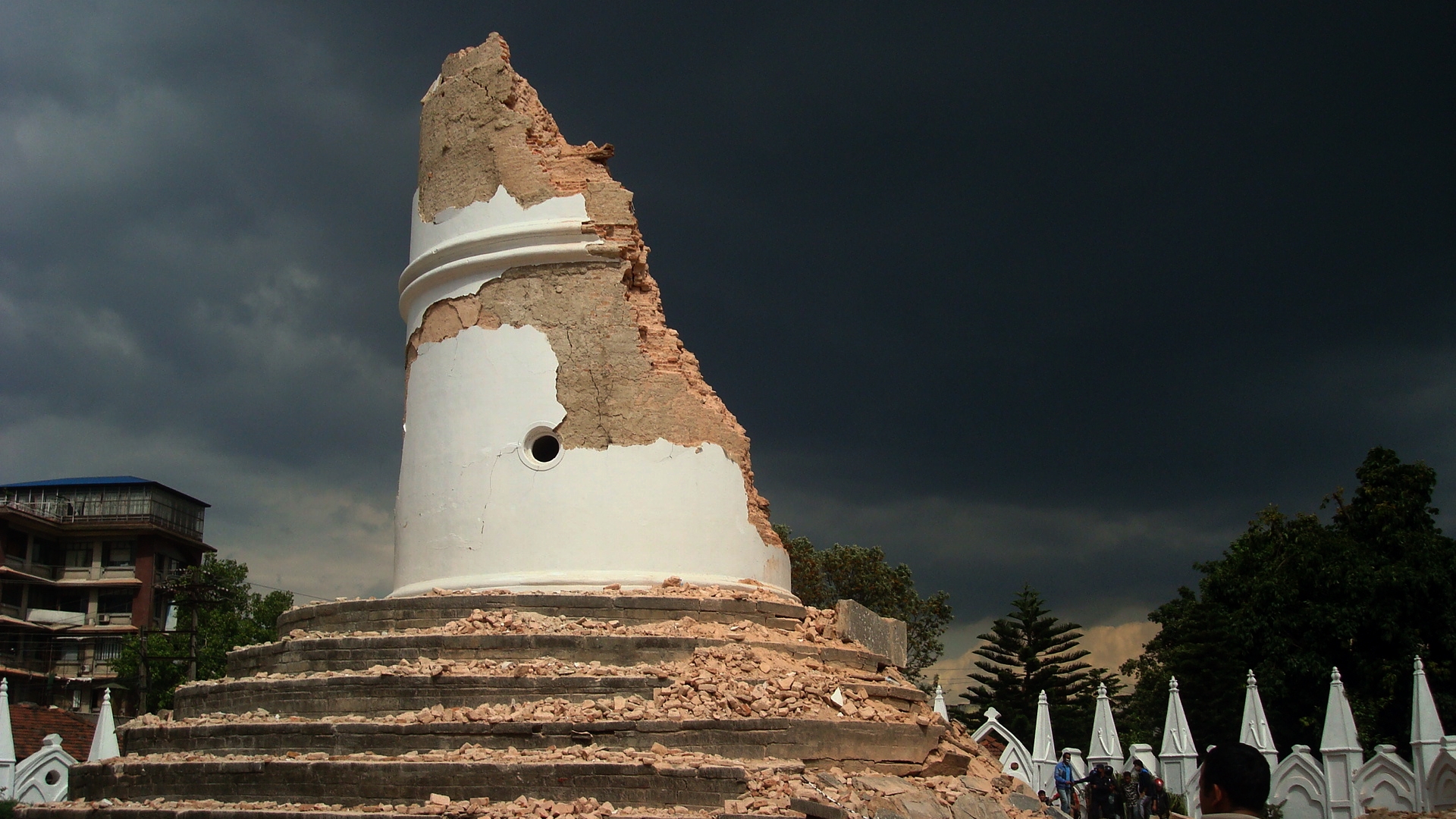
Dharahara, also called Bhimsen Tower, a nine-storey 61.88-metre tall tower, was destroyed after earthquake on 2015. Photo courtesy: WikiMedia
Members from Madhesi, Janajati, and Tharu communities, as well as women members, later described being pressured to fall in line. When the Madhesi Janadhikar Forum-Loktantrik finally walked out over unresolved provincial boundary demands, no Madhes-based party participated in the constitution’s final adoption.
Then Indian Foreign Secretary S. Jaishankar, now India’s External Affairs Minister, visited Kathmandu to urge political leaders to delay the constitution’s promulgation so Madhesi parties could be brought on board, but his request was rejected.
The entire southern Tarai, from Kailali in the west to Morang in the east, was in the grip of violent protest when the document was signed into law. The process reflected a fundamental tension in Nepal’s politics: the hill-origin, upper-caste men who dominate the major parties had a vision of nationalism and statehood that differed sharply from those who had been on the margins of the Nepali state for generations.
Constitutional scholars later noted that what Nepal lacked was not legal text but popular ownership of its foundational document.
Has the constitution been amended before, and what changed?
The constitution has been amended twice since its promulgation. The first amendment came in January 2016, and was a direct response to the Madhesh movement and the border blockade that was strangling Nepal’s supply lines.
This amendment formally recognized Madhesis and Tharus as vulnerable populations entitled to special protections, included them in proportional representation provisions in Parliament, and made population the primary criterion for delimiting electoral constituencies rather than geography.
The blockade was lifted in February 2016 after this amendment, but Madhesi parties did not fully accept the changes, arguing they were ambiguous and failed to specifically name Madhesi rights.
The second amendment came in June 2020 and was entirely different in nature. It incorporated Nepal’s updated political map, which claimed the territories of Limpiyadhura, Lipulekh and Kalapani as Nepali territory disputed with India. This amendment was more nationalist in character and attracted broad domestic support even as it strained relations with New Delhi.
These two amendments established that the constitution is not untouchable, but the bar is extremely high and the issues that remain unresolved are far more politically contested than anything addressed so far.
What is Article 274, and how does constitutional amendment actually work?
Article 274 is the provision governing how Nepal’s constitution can be changed. It places the document in the category that constitutional scholars call a rigid or entrenched constitution.
The article first establishes absolute limits: no amendment can be made that is prejudicial to Nepal’s sovereignty, territorial integrity, independence, or the sovereignty vested in the people. These core provisions are simply not amendable regardless of how many votes anyone has.
For every other provision of the constitution, an amendment requires passage by a two-thirds majority of the total membership of both the House of Representatives and the National Assembly, Nepal’s lower and upper houses respectively. That means at least 184 of 275 members in the House of Representatives and at least 40 of 59 members in the National Assembly.
If an amendment touches the borders or powers of any province, the bill must first be sent to the relevant provincial assembly for consent within thirty days of being introduced in Parliament, and the provincial assembly must approve it by a majority before it can proceed.
Any bill to amend the constitution must also be published for public information within thirty days of introduction. Once passed by both houses, it goes to the President, who must authenticate it within fifteen days.
Why did the Nepali Congress and CPN (UML) join hands in July 2024, and what was their amendment agenda?
Nepal’s two largest rival parties—the Nepali Congress, then headed by Sher Bahadur Deuba, and the CPN (UML) under KP Sharma Oli—came together in early July 2024.Their stated central justification was the need to amend the constitution to address a decade of implementation problems.
On July 14, 2024, Oli was appointed as prime minister, leading a government that held a combined strength exceeding two-thirds in the House of Representatives.
Their seven-point agreement specifically committed the coalition to review the constitution’s strengths and weaknesses and amend provisions causing difficulty in implementation. The chief target was the electoral system.
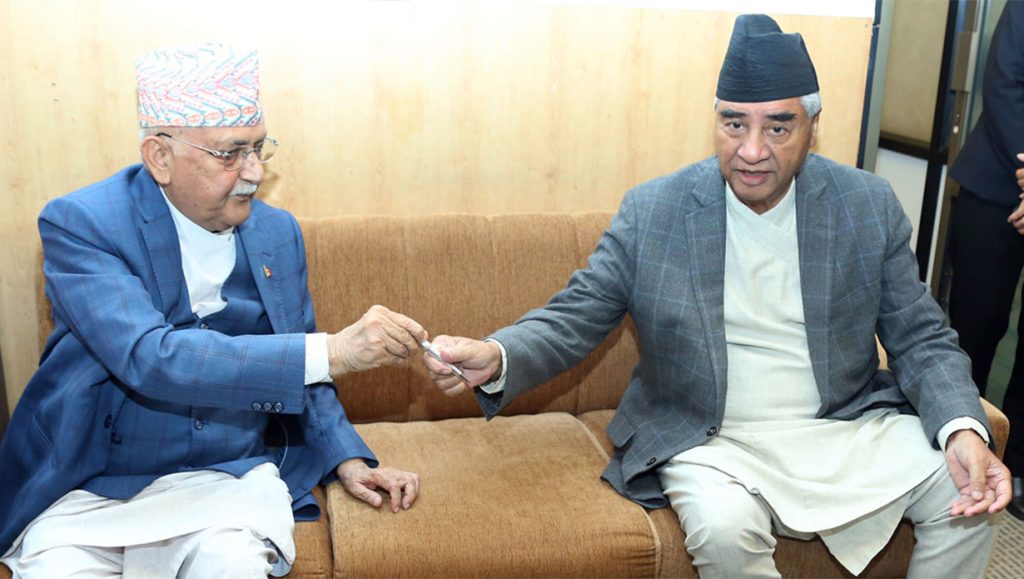
KP Oli (left) and Sher Bahadur Deuba (right) on the day the Nepali Congress and CPN (UML) join hands in 2024. File photo
Nepal’s mixed system, combining 165 first-past-the-post seats with 110 proportional representation seats in the House of Representatives, was blamed for producing perpetual hung parliaments.
The Congress and UML both favored reducing proportional representation seats and increasing the direct constituency seats, which would benefit traditional parties and potentially allow a single party to govern with a stable majority.
They also discussed reviewing provincial structures, the composition of the National Assembly, and the size of cabinet. However, neither party publicly articulated a detailed position.
How far did the Congress-UML coalition actually get on amendment?
Not very far at all. Despite the grand rhetoric around constitutional amendment being the very reason for forming the coalition, the Oli government made almost no concrete progress in seventeen months.
Within months of taking office, Oli told his party’s central committee that amendment would not be possible before 2030. His explanation was that without two-thirds majority in the National Assembly, the process could not move. The Congress and UML together held only about 26 of 59 National Assembly seats, far short of the 40 required.
The Communist Party of Nepal (Maoist Centre)—which later became part of a unified communist formation after merging with other factions—was, as the third-largest party and the dominant force in the National Assembly with 17 seats, deeply suspicious of the amendment agenda.
Madhes-based parties warned against anything that would weaken federalism or proportional inclusion. The eight-member joint task force of the two parties finally began bilateral talks on amendment only in December 2024, five months after forming the government.
The Gen Z protests of September 2025 swept the Oli government out of office, ending what had essentially been an unfulfilled promise. The two parties had made amendment their main agenda to justify the coalition, but made no concrete effort before being ousted.
What was the Gen Z movement of 2025, and how did it change the political landscape?
The Gen Z movement erupted in early September 2025 when the then Oli government banned 26 major social media platforms, including Facebook, YouTube, WhatsApp, Instagram, and Signal, for failing to register local representatives under Nepal’s digital regulations.
For Nepal’s youth, who had already simmered with anger over corruption, unemployment running at 17 percent, and a political class that seemed impervious to accountability, the ban was the final provocation. Protests began digitally, went to the streets, and spread from Kathmandu to every corner of the country.
Violence escalated, and on September 8 and 9, 2025, at least 76 people were killed, including a 12-year-old child. The scale of the violence and the collapse of the government’s legitimacy forced the Oli government out.

A gathering of youth at New Baneshwor in the midst of the Gen Z protest. Bikram Rai/Nepal News
The House of Representatives was dissolved. An interim arrangement was established outside normal parliamentary procedure, with former Chief Justice Sushila Karki appointed as a caretaker prime minister.
The Gen Z movement was not monolithic. Some voices within it called for fundamental constitutional change, questioned federalism, and even floated restoring the monarchy. Others demanded only accountability and better governance. This diversity of opinion within the movement itself reflected and amplified the broader national debate about what, exactly, needed to change.
Who are the key parties in amendment debate and what does each want changed?
The positions of Nepal’s major parties vary enormously, which is precisely why the amendment process is so difficult.
The Rastriya Swatantra Party, which now leads the government with 182 of 275 House seats after its March 2026 election landslide, wants a directly elected executive, a fully proportional parliament, a bar on members of parliament simultaneously serving as ministers, non-partisan local governments, and reformed provincial structures. This is the most radical reform agenda among the mainstream parties.
The Nepali Congress and the CPN (UML), by contrast, want to increase first-past-the-post seats at the expense of proportional representation, arguing that this will enable single-party majority governments.
The Nepali Communist Party, formed in November 2025 by the merger of the CPN Maoist Centre and other left forces under Pushpa Kamal Dahal and Madhav Kumar Nepal, wants a directly elected president, a fully proportional electoral system, and 50 percent women’s representation in all state organs.
Madhes-based parties insist that federalism, proportional inclusion, and Madhesi rights are non-negotiable and resist any amendments they perceive as rolling back these gains.
The Rastriya Prajatantra Party, the royalist right-wing party, demands the reinstatement of the monarchy, restoration of Nepal as a Hindu state, and the abolition of provinces.
What is the RSP government’s current taskforce doing?
On March 28, 2026, one day after Balendra Shah was sworn in as prime minister, the new government unveiled a 100-point governance reform blueprint. Point number four specifically committed to preparing a constitutional amendment discussion paper.
The Cabinet decided to form a taskforce under the coordination of Asim Shah, who is Prime Minister Balendra Shah’s political advisor, with participation from political parties represented in Parliament.
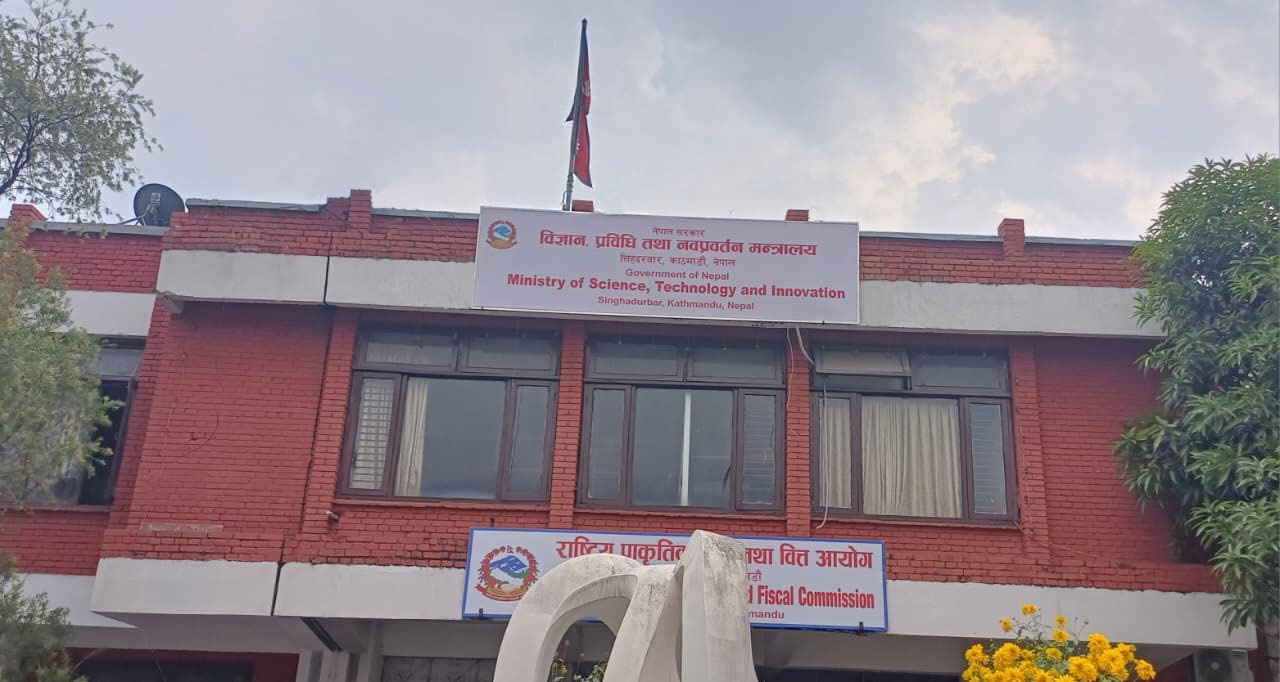
The taskforce held its first meeting at the Prime Minister’s Office in Singha Durbar and made clear that its mandate is not to itself amend the constitution but to gather views, consult experts, consult political parties, and draft a discussion document on possible areas of amendment.
Asim Shah has stated that the process will be based on national consensus, participation, and facts, and that the constitution cannot be amended in any manner contrary to sovereignty, territorial integrity, or the sovereign power vested in the people.
The taskforce member secretary Leeladhar Subedi has made presentations covering the form of governance, the electoral system, and the question of franchise for Nepalis living abroad. The panel has written to nine political parties seeking their written suggestions.
Why has the Asim Shah taskforce itself become controversial?
The appointment of Asim Shah to lead such a constitutionally weighty exercise drew immediate criticism. Asim Shah is a former filmmaker and is a former member of parliament through proportional representation under the RSP.
He does not hold a seat in the current parliament and has no formal background in constitutional law or jurisprudence. Critics from legal and constitutional circles argued that the taskforce lacks the credibility needed to steer such a complex national conversation.
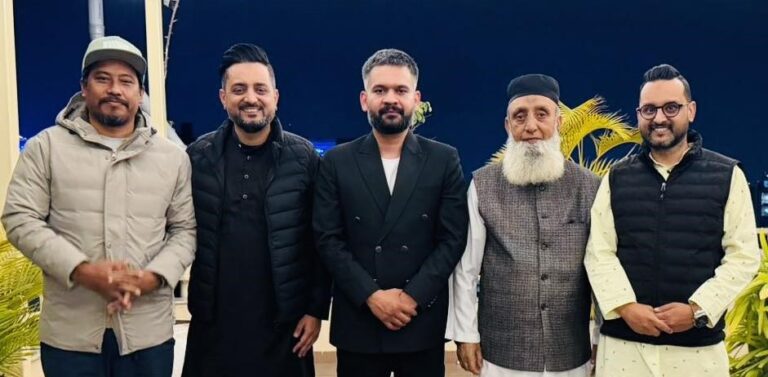
Nischal Basnet, Asim Shah, Balen, Asim’s father and Asif Shah
Adding to the controversy, a social media post that Asim Shah made five years ago surfaced, in which he had written suggesting the monarchy should be given another chance and saying the king should come and save the country.
For an advisor heading an amendment process in a constitutional republic that abolished the monarchy in 2008, this caused obvious discomfort.
Constitutional law experts have said that traditional parties do not trust the taskforce and that without their support, no amendment would be possible regardless of what the taskforce recommends. They have also suggested that an independent advisory committee of legal experts was essential for the process to be taken seriously.
What is the arithmetic challenge for the RSP in actually amending the constitution?
Even with 182 seats in the 275-member House of Representatives, the RSP’s amendment ambitions face a wall in the National Assembly. After the National Assembly elections of January 25, 2026, where the Nepali Congress and UML formed an electoral alliance, the upper house composition works decisively against the RSP.
The Nepali Congress holds 24 National Assembly seats, the Nepali Communist Party holds 17, the UML holds 11, and smaller parties account for the rest. The RSP holds no seats in the upper house.
A two-thirds majority in the National Assembly requires 40 of 59 members. Since any amendment bill must pass both houses with a two-thirds majority, the RSP cannot push through constitutional changes without the support of parties that are now in opposition and have their own conflicting visions of what should change.
For amendments touching provincial boundaries or powers, the consent of provincial assemblies is also required, and traditional parties dominate those as well. Senior advocates describe this as making Nepal’s constitution genuinely rigid, requiring not just numbers but genuine multi-party political consensus before a single word can be changed.
What are the main substantive issues being debated for amendment?
Several clusters of issues keep coming up across all discussions. The first is the form of government: should Nepal retain its parliamentary system where the prime minister is elected by parliament, or shift to a directly elected executive head? The RSP and some others favor a directly elected system, arguing it would give the executive a clear mandate. Traditional parties are divided on this.
The second issue is the electoral system: Congress and UML want more first-past-the-post seats to enable majority governments, while the RSP wants full proportional representation, and Madhes-based parties and some left forces fear that reducing proportional seats will shrink space for historically marginalized communities.
The third cluster concerns federalism itself: whether the seven provinces should be restructured, reduced, or even abolished. The RSP talks of reformed provinces, the RPP wants them scrapped, while Madhes-based parties and indigenous groups treat the provincial structure as a fundamental achievement that cannot be diluted.
A fourth issue is secularism: while no major mainstream party has officially committed to reversing it, there are voices within the Congress and UML, and loud voices from the RPP, calling for restoring Nepal’s Hindu state status.
A fifth issue is citizenship, particularly the discriminatory provisions affecting women and Madhesi communities that were never adequately addressed by the first amendment. Voting rights for Nepalis living abroad is another recurring proposal.
What is the leftist parties’ position on amendment?
The Nepali Communist Party, one of the main left forces now formed after the November 2025 merger of the CPN (Maoist Centre) and several allied groups under Pushpa Kamal Dahal and Madhav Kumar Nepal, has staked out positions that in some ways are more radical than the RSP’s.
The party has called for a directly elected president rather than a prime minister as the executive head, a fully proportional electoral system for parliament, and guaranteed 50 percent women’s representation in all state organs. These positions are framed as deepening democracy rather than rolling it back.
The left parties have consistently been the most vocal defenders of federalism and secularism as non-negotiable. They have warned repeatedly that any amendments that chip away at proportional representation or weaken the provincial tier would be seen as a betrayal of the inclusive vision that the 2015 constitution was supposed to embody.
The communist forces have historically also championed autonomy rights for Janajati and indigenous communities that they feel were not sufficiently addressed in the constitution as promulgated.
Their concern is that the current amendment discourse will produce changes that serve party interests rather than social justice.
What do Madhes-based parties and indigenous communities still want?
Madhes-based parties, organized in a front that includes the Janata Samajbadi Party, the Loktantrik Samajbadi Party, and several smaller formations, have consistently held that the 2015 constitution remains unfinished business from the perspective of the Madhes. Their core grievances go beyond what the first amendment addressed.
They want provincial boundary revision that gives Madhesi communities meaningful demographic weight in at least one province rather than being minorities scattered across five. They want genuinely proportional representation that names and guarantees Madhesi rights rather than lumping them with upper-caste hill communities in vague inclusion categories.
Citizenship remains a deep wound. The constitution’s citizenship provisions still make it harder for children of a Nepali mother and a foreign father to claim citizenship by descent, a provision that disproportionately affects Madhesi women and children given the open border with India and the reality of cross-border families.
Indigenous Janajati communities have never received the autonomous provincial arrangements or identity-based recognition they demanded during the constitution-drafting process. The Tharu community of the western Terai continues to feel that their historic homeland was divided and their identity as a distinct group from both Madhesis and hill communities was ignored.
Dalit community points to the inadequate translation of constitutional promises of inclusion into actual practice.
What does the debate about secularism involve?
Nepal was declared a Hindu kingdom under the 1962 Panchayat constitution, remained so under the 1990 constitution, and the 2007 interim constitution made the first move toward secularism which the 2015 constitution retained.
The RPP and various Hindu nationalist groups have consistently demanded that Nepal be re-declared a Hindu state, arguing that the country’s cultural, religious, and civilizational identity is inseparable from Sanatan Dharma. They also point to demographic reality: Nepal remains overwhelmingly Hindu by self-identification.
The traditional parties officially maintain secularism but the internal conversations are murkier. Reports have surfaced of quiet signals from senior leaders suggesting flexibility on this issue, with the BJP in India reportedly having lobbied against Nepal’s secular status.
The Nepali Communist Party, Madhes-based parties, and civil society organizations representing religious minorities treat secularism as a fundamental achievement and a protection for Christian, Muslim, Buddhist, and other communities who fear the return of a state religion would subordinate their rights.
The RSP has not made secularism reversal part of its agenda, focusing instead on governance reforms. Any move to restore Hindu state status would require the same two-thirds parliamentary majority that all other amendments need, and it is far from clear such a majority exists.
What happened with the monarchy debate and the Gen Z movement?
The abolition of the monarchy in May 2008 was one of the founding acts of the new Nepal. The first session of the first Constituent Assembly voted to end the 240-year Shah dynasty, and King Gyanendra Shah vacated Narayanhiti Palace.
The RPP has campaigned for restoration since, and the former king has occasionally tested political waters, including returning to public ceremonies. In March 2025, a large rally organized by pro-monarchy groups turned violent, killing two people and injuring dozens, with senior RPP leaders arrested.
The Gen Z movement of 2025 included some voices calling for restoring the monarchy, but this was never the dominant strand. Several Gen Z leaders who flirted with the idea subsequently walked it back.
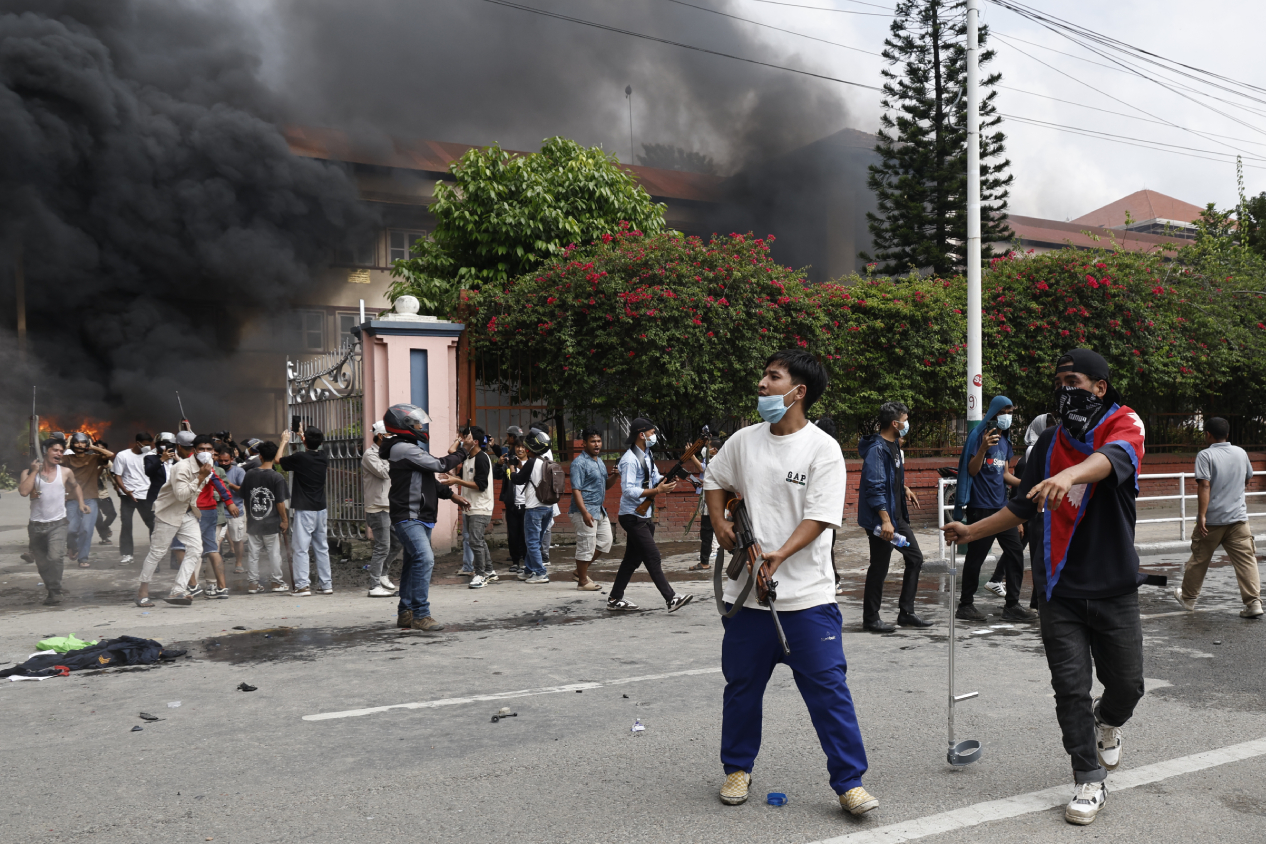
Protesters who seized weapons from security personnel after setting a fire inside the Supreme Court on September 9. Photo: Bikram Rai.
The RSP, which swept the March 2026 elections on a reform agenda, has not made monarchy restoration any part of its program. The Nepali Communist Party’s youths, representing Gen Z movement groups that worked with the party, explicitly stated that federalism, secularism, and republicanism are non-negotiable for their alliance.
For most serious political actors, the monarchy debate is the RPP’s niche territory and unlikely to ever command the parliamentary supermajority that would actually be needed to change the constitutional provision declaring Nepal a republic.
What has the amendment debate revealed about Nepal’s fundamental political tensions?
The constitution was always a document of compromise, written hastily after political exhaustion and a natural disaster, and it reflects the balance of power of that particular moment in 2015.
The hill-origin parties that dominated the Constituent Assembly carried their historic assumptions about what Nepal was and who counted as authentically Nepali into the text. Groups that had been marginalized for centuries, Madhesis, Tharus, Dalits, Janajatis, women, found that the constitutional promises of inclusion were written in a language vague enough to be diluted in practice.
Ten years of implementation have made this clearer. Provinces have struggled to exercise even the powers the constitution grants them because the federal government has not devolved in practice what it conceded on paper. Frequent coalition changes have prevented any government from serving a full term.
The electoral system produces parliaments where small parties extract disproportionate concessions in exchange for coalition support. At the same time, the proportional seats that traditional parties want to cut are the primary route through which women, Dalits, Madhesis, and indigenous communities enter parliament.
The amendment debate is therefore not just technical. It is a proxy war over whether the Nepali state will become more genuinely inclusive or whether the dominant groups will use the reform moment to consolidate their already substantial advantages.
Can the RSP actually deliver on constitutional amendment?
It is far too early to say. The taskforce is preparing a discussion paper, which is itself the beginning of a very long road. The RSP’s near-two-thirds majority in the House of Representatives gives it more legislative firepower than any party has had in Nepal’s recent political history.
But constitutional amendment requires two-thirds in both houses, and the opposition parties dominate the National Assembly and provincial assemblies. Without their cooperation, the RSP cannot change a single article.
The opposition’s interests are varied enough that negotiations will be genuinely difficult. Congress and UML may be willing to discuss electoral changes but will resist giving the RSP credit for delivering them. Madhes-based parties and left forces will be extremely vigilant about any changes that weaken inclusion provisions or provincial powers. The RPP wants things that virtually no one else will agree to.
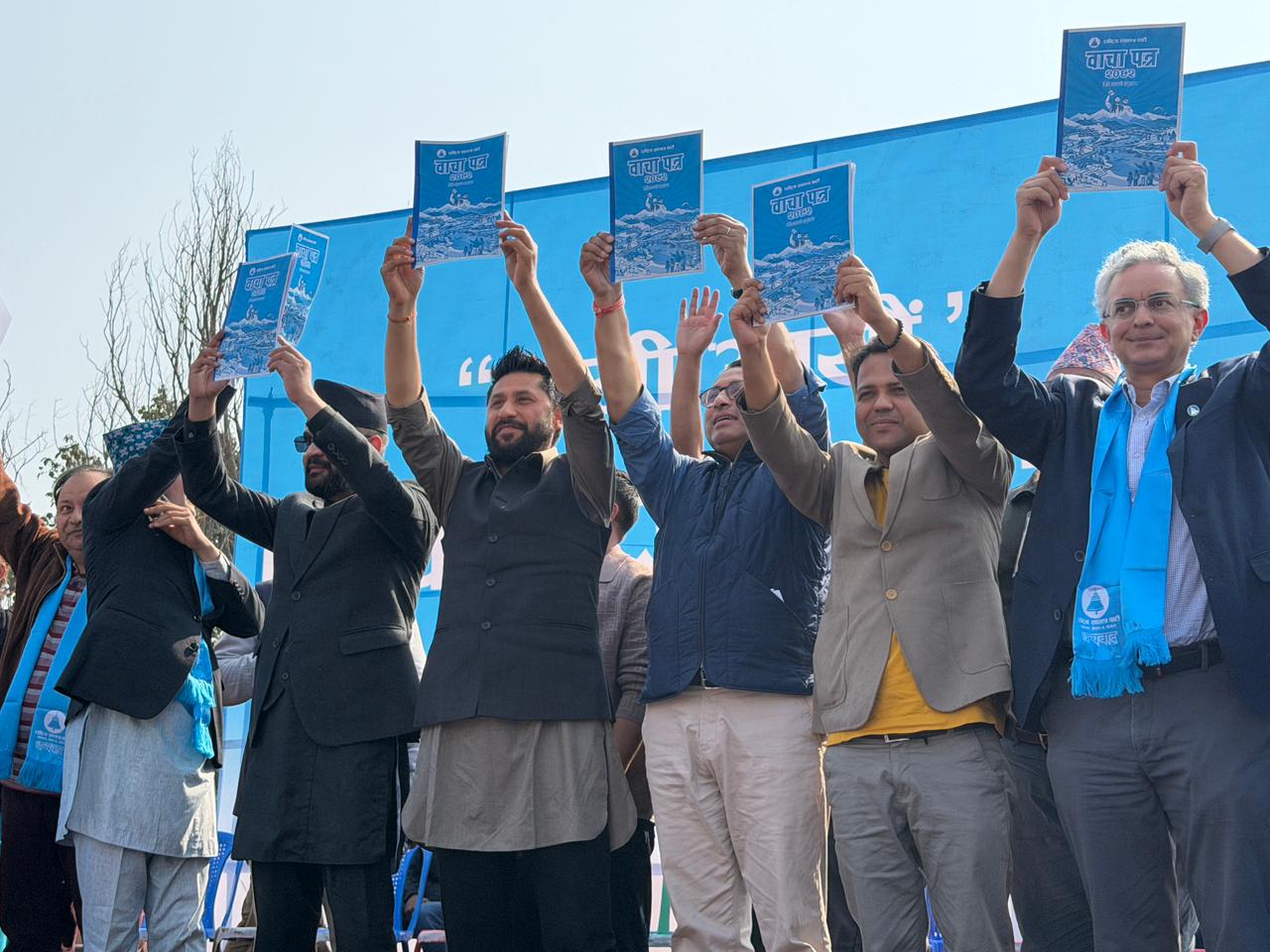
RSP) has unveiled a 22-page manifesto outlining 100 policy commitments, promising sweeping reforms from governance to the economy. File Photo
Constitutional experts and former attorneys general have made clear that the taskforce in its current form, led by someone without constitutional expertise and lacking buy-in from major parties, is an unlikely vehicle for a process as consequential as this.
The comparison with India’s constitution, amended over a hundred times since 1950, is instructive: sustained, incremental amendment requires not just numbers but a political culture willing to treat the constitution as a living and adaptive document rather than a trophy.
What should one watch for as the process unfolds?
The most important signal to watch is whether the RSP government manages to bring the opposition parties, particularly the Nepali Congress, CPN (UML) and the Nepali Communist Party, into the amendment discussion in a substantive way rather than a ceremonial one.
If the major opposition parties send their suggestions to the taskforce and engage seriously, it will suggest that a genuine national dialogue is beginning. If they treat the taskforce as an RSP political project and stay distant, the process will stall just as it did under the Oli government.
The second thing to watch is what the discussion paper itself contains. If it focuses narrowly on the form of government and the electoral system, as the RSP manifesto suggested, it will face fierce resistance from Madhes-based parties and left forces who see such changes as serving the interests of dominant communities at their expense.
If it also takes seriously the unresolved issues of citizenship, proportional representation, provincial powers, and community rights, the discussion paper could form the basis of a broader negotiation.
Finally, the provincial assembly elections and any shifts in National Assembly composition will matter enormously. Until the RSP has the numbers in both houses, the amendment remains a discussion paper and not a constitutional reality.
Nepal has been through this conversation before. What is different this time, if anything, is that a government with near-supermajority lower house strength is taking it more seriously than its predecessors did.