Kathmandu
Monday, July 27, 2026





From forged refugee lists and millions in fraud to the prosecution of powerful politicians and bureaucrats, the landmark case has now entered a hearing phase that will continue until a final ruling
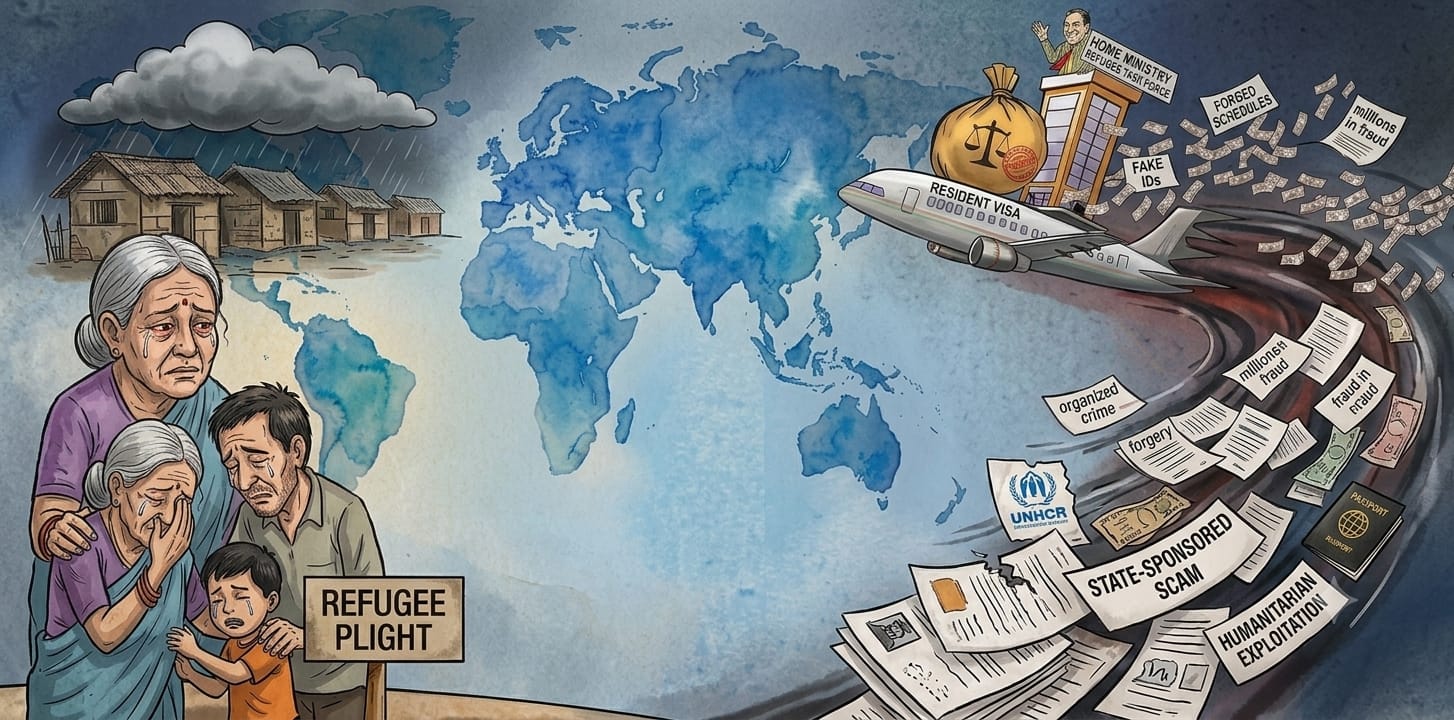
KATHMANDU: The fake Bhutanese refugee scam exploited the 1990s plight of ethnic Nepali Lhotshampa refugees, over 113,000 of whom fled Bhutan for UNHCR camps in Nepal before being mostly resettled to Western countries like the US by 2016. In 2019, fraudsters obtained an unreleased government report drafted by a Bal Krishna Panthi-led task force and appended fake schedules containing hundreds of ordinary Nepali citizens, falsely qualifying them for US resettlement.
Middlemen claiming Home Ministry ties charged victims Rs 1 to 5 million each for forged IDs and visas. Police documented over 800 victims, with one charge sheet noting 115 complainants who lost a combined Rs 288 million; no fake refugees ever reached the United States.
Exposed in March 2023, the probe expanded from middlemen to senior politicians and bureaucrats, leading prosecutors to charge 30 individuals on May 24, 2023, with organized crime, fraud, forgery, and offenses against the state. The Kathmandu District Court jailed 16 accused in June 2023, with higher courts offering mixed bail outcomes on appeal. Despite delays from political transitions, the Central Investigation Bureau made fresh arrests in November 2025.
Substantive hearings began in January 2026 under Judge Dhrubraj Karki, and on June 10, 2026, Judge Tej Bahadur Khadka’s bench placed the case on a continuous, uninterrupted hearing schedule as defense arguments began.
No final verdict has been delivered as the case has been scheduled for continous hearing and the scandal continues to fuel intense public demands for political accountability.
What exactly is the fake Bhutanese refugee scam?
The fake Bhutanese refugee scam was an organized fraud in which a network of middlemen, politicians, and bureaucrats allegedly used tampered government documents to deceive hundreds of ordinary Nepali citizens. They obtained an internal 2019 task force report on remaining genuine Bhutanese refugees and added fake names and details to create additional schedules. These fabricated lists were presented to victims as proof that they qualified as Bhutanese refugees eligible for resettlement in the United States or other countries.
Middlemen collected large payments from victims who believed they were buying legitimate processing of identity documents and visas. The victims handed over money ranging from Rs one million to five million per person, often borrowing heavily or selling assets.
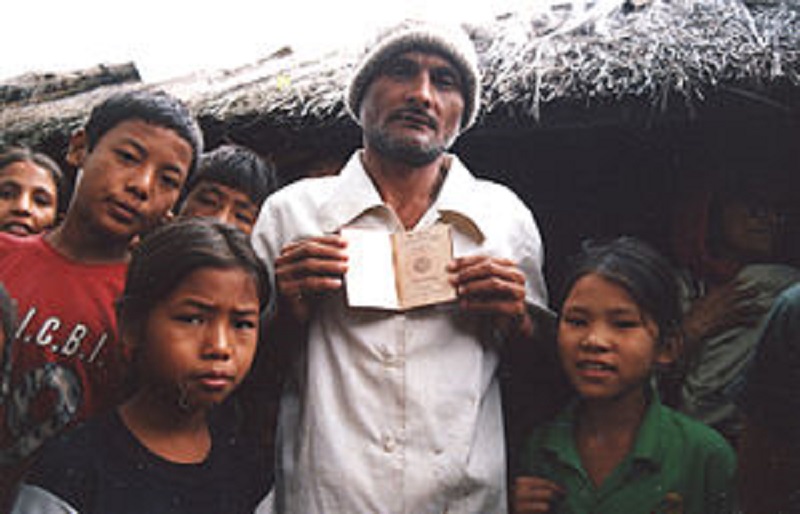
Lotshampa refugees in Beldangi Camp.File photo
Police investigations established that more than 800 Nepalis were affected overall, with documented losses in one charge sheet reaching Rs 288 million from 115 complainants. The racket operated by forging refugee identity cards, family records, and letters mimicking official processes. No actual resettlement of these fake cases has been confirmed by authorities.
The case was formally filed against 30 individuals on May 24, 2023, in Kathmandu District Court. Charges included organized crime, cheating, document forgery, and offenses against the state. The Kathmandu District Court sent 16 accused to judicial custody on June 16, 2023. Higher courts reviewed bail applications in subsequent months and years.
The Central Investigation Bureau intensified a second phase of the probe in November 2025 following new arrests. On June 10, 2026, the case entered continuous hearing before Judge Tej Bahadur Khadka’s bench, which will now hear the matter in every sitting until a verdict is delivered.
How does this scam connect to the real history of Bhutanese refugees in Nepal?
Genuine Bhutanese refugees, mainly ethnic Nepalis known as Lhotshampas, faced mass expulsion from Bhutan during the late 1980s and early 1990s due to strict citizenship and cultural policies.
Over 100,000 sought shelter in Nepal, where they lived in seven UNHCR-supported camps in Jhapa and Morang districts for many years. Prolonged verification talks between Nepal and Bhutan produced limited results.
Starting in 2007, major Western countries, led by the United States, offered resettlement. By around 2016, more than 113,000 genuine refugees had been relocated abroad, leaving a much smaller group of unresolved cases.
A Nepali government task force formed in 2019 under Bal Krishna Panthi examined the situation of the remaining verified refugees and prepared recommendations on identity verification and long-term solutions. The report focused on a limited number of legitimate cases.
The scam network exploited awareness of this real resettlement success and the existence of the unreleased task force report. Fraudsters allegedly inserted hundreds of Nepali citizens’ names into fake annexes and schedules, presenting them as pending refugee registrations.
Middlemen used these forged documents to convince victims they could join a supposed new wave of opportunities abroad. Victims paid substantial fees believing the promises were backed by official channels.
The fraud distorted a humanitarian process that had helped thousands of real refugees. Police and court records from the May 24, 2023, charge sheet and later proceedings repeatedly reference the distinction between the original verified refugee population and the fabricated additions. The case has drawn attention to how unresolved aspects of past refugee situations can be misused for criminal gain.
When and how was the scam initially exposed to the public?
The scam surfaced publicly in March 2023 when multiple victims approached police with complaints after realizing they had been deceived. Investigative journalism, particularly reports published in early April 2023, detailed how names had been added to copies of the 2019 task force report and how payments had been collected across several districts.
Police began arresting lower-level middlemen in late March 2023. The arrests quickly expanded to include more individuals with alleged connections to government offices.
By early May 2023, high-profile names from political and bureaucratic circles emerged in the investigation. Prosecutors filed the main case against 30 people on May 24, 2023, in Kathmandu District Court. The charge sheet outlined the scale of money collected and the methods used.
The Kathmandu District Court conducted extended hearings and ordered 16 accused into judicial custody on June 16, 2023. Patan High Court and the Supreme Court later reviewed detention and bail matters.
A second phase of the investigation targeted additional brokers. Bechan Jha was arrested in June 2024 as a key figure in money transactions. The Central Investigation Bureau relaunched and intensified efforts in November 2025 with further arrests. Media coverage and victim statements played a major role in bringing the details into the open and sustaining public interest through 2026.
What specific techniques did the fraud network employ to fabricate refugee credentials?
The network allegedly acquired a copy of the confidential 2019 Bal Krishna Panthi Task Force Report and created unauthorized additional schedules listing hundreds of Nepali citizens alongside the genuine cases. They produced forged refugee identity cards, detailed family information, and letters that imitated official UNHCR or Home Ministry formats. These documents were shown to victims as evidence of pending registration or resettlement processing.
Middlemen coordinated collection of biometric details from victims and issued phony cards. They arranged meetings that created the impression of access to senior officials. Payments were routed through intermediaries and often described as facilitation or processing fees. The operation spanned multiple districts, targeting people eager for foreign opportunities. Evidence recovered during arrests included copies of the tampered report and financial records.
The May 24, 2023, charge sheet described systematic forgery and conspiracy to cheat. Court proceedings have examined these fabricated materials. Additional arrests in 2025, such as that of Niranjan Kumar Kharel, focused on money handling aspects. One accused middleman, Sandesh Sharma, escaped custody in August 2025 during protests but was recaptured in October 2025.
The techniques relied on exploiting public knowledge of the real refugee resettlement program and the existence of government task force work on remaining cases.
How many victims were affected and what was the total financial damage?
Investigations identified more than 800 Nepalis as victims of the scam. One formal charge sheet filed on May 24, 2023, documented 115 complainants who together lost Rs 288 million. Individual payments ranged from one million to five million rupees, with some victims paying even higher amounts after borrowing or selling property. The total financial damage across all reported and unreported cases is believed to be substantially larger.
Victims came from various parts of the country and different socioeconomic backgrounds but shared the aspiration for better opportunities abroad. Many realized they had been duped only when promised deadlines passed without any progress on visas or travel.
Police gathered statements and financial evidence during the initial probe in 2023. Later phases, including the Central Investigation Bureau’s work in November 2025, continued tracing money flows. Bechan Jha’s arrest in June 2024 brought attention to large individual transactions, including references to significant cheques.
Court records from the June 16, 2023, custody order and subsequent hearings reference these loss figures. No victims received actual resettlement under the fake scheme. The documented scale has contributed to widespread discussion about the human and financial cost of the fraud.
Who were the core middlemen and operational leaders of the scam?
Keshav Dulal, who had prior exposure to refugee-related processes, and Sanu Bhandari emerged as key operational figures who allegedly handled the tampered 2019 report and victim recruitment. They worked alongside individuals such as Tanka Gurung, Sandesh Sharma Pokharel, Sagar Thulung, and others who managed direct contact with victims, document preparation, and payment collection.
Sandesh Sharma escaped from Central Prison in September 2025 during unrest but was recaptured in Lalitpur in October 2025. Niranjan Kumar Kharel was arrested in November 2025 for his alleged role in handling cash and cheque transactions linked to the racket. Bechan Jha, a construction businessman, was arrested in June 2024 and accused of acting as a major broker facilitating larger deals and connections.
These middlemen formed the visible layer that interacted with victims while allegedly channeling benefits upward. Police made initial arrests of these figures in March and April 2023. The May 24, 2023, charge sheet named them among the 30 accused. Later court proceedings and the 2025 investigative revival have continued to examine their roles and financial networks.
Which prominent politicians from major parties faced direct accusations?
The case implicated leaders from both the CPN(UML) and Nepali Congress. From UML, former Deputy Prime Minister and Energy Minister Top Bahadur Rayamajhi and his son Sandeep Rayamajhi faced charges. From Nepali Congress, former Home Minister Bal Krishna Khand was among those accused, along with connections involving his personal secretary Narendra KC.
Other names included former lawmaker Ang Tawa Sherpa and individuals linked to former Home Minister Ram Bahadur Thapa’s circle, such as security advisor Indrajit Rai.
The May 24, 2023, charge sheet listed these figures among the 30 total accused on charges of organized crime, fraud, and forgery. Political parties took internal actions, including suspensions in some cases. Public statements from leaders across parties, including UML Chairperson KP Sharma Oli, emphasized that no one involved should receive protection.
The scandal affected perceptions of governance in both major parties. Hearings that entered the continuous phase on June 10, 2026, continue to address the cases against these named individuals.
What specific allegations surround former Home Minister Bal Krishna Khand’s role?
Bal Krishna Khand, who served as Home Minister, was arrested at his residence on May 10, 2023. Prosecutors alleged that his position and ministry channels were used to facilitate or overlook the creation and circulation of forged refugee documents based on the 2019 task force report.
His personal secretary Narendra KC was also detained in connection with the matter. Allegations extended to suggestions that Khand and his wife Manju Khand may have known about or benefited from the activities.
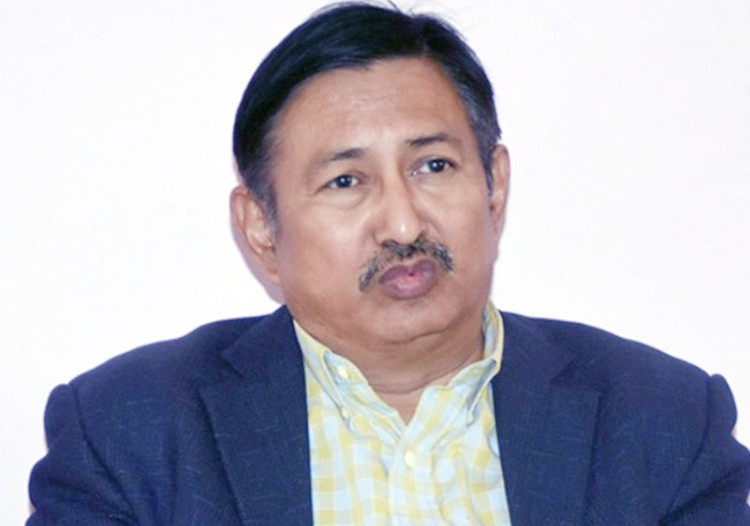
Bal Krishna Khand
Khand was included in the group of 16 sent to judicial custody by Kathmandu District Court on June 16, 2023. He later secured bail through higher court proceedings, with Patan High Court issuing a split verdict on his detention before a third judge ordered his release on Rs 3 million bail on December 14, 2023.
The charges against him formed part of the broader May 24, 2023, filing covering organized crime and forgery. As of June 2026, his case remains part of the active court proceedings that entered the continuous hearing stage on June 10, 2026.
What has been the legal journey and current status of UML leader Top Bahadur Rayamajhi?
Top Bahadur Rayamajhi, a senior CPN(UML) leader and former Deputy Prime Minister, faced an arrest warrant early in the investigation. He was among the 16 individuals ordered into judicial custody by Kathmandu District Court on June 16, 2023. Patan High Court reviewed the detention and issued orders in late 2023 upholding custody for several key accused. The Supreme Court in April 2024 rejected bail pleas for Rayamajhi and six others, directing them to remain in custody.
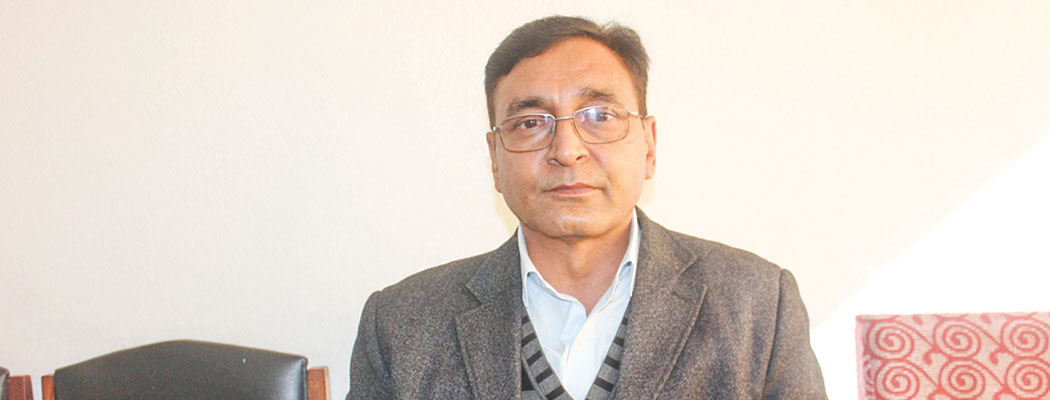
Top Bahadur Rayamajhi
Rayamajhi has spent extended periods in judicial custody, including time at Dillibazar Prison. He was suspended from certain party positions following the charges.
The case against him is included in the main May 24, 2023, filing. As of June 2026, Rayamajhi remains a central accused in the ongoing proceedings, which entered the continuous hearing stage on June 10, 2026, under Judge Tej Bahadur Khadka’s bench, with no final verdict yet delivered.
How were senior bureaucrats like former Home Secretary Tek Narayan Pandey implicated?
Tek Narayan Pandey, who served as the most senior bureaucrat in the Home Ministry during the relevant period, was arrested in May 2023. He faced allegations that his administrative role and expertise were used to enable the insertion of fake names into documents derived from the 2019 task force report.
Pandey was among the 16 sent to judicial custody on June 16, 2023. Higher courts reviewed his detention in subsequent appeals, with the Supreme Court in April 2024 also declining to release him. The charges against him included organized crime and forgery elements.
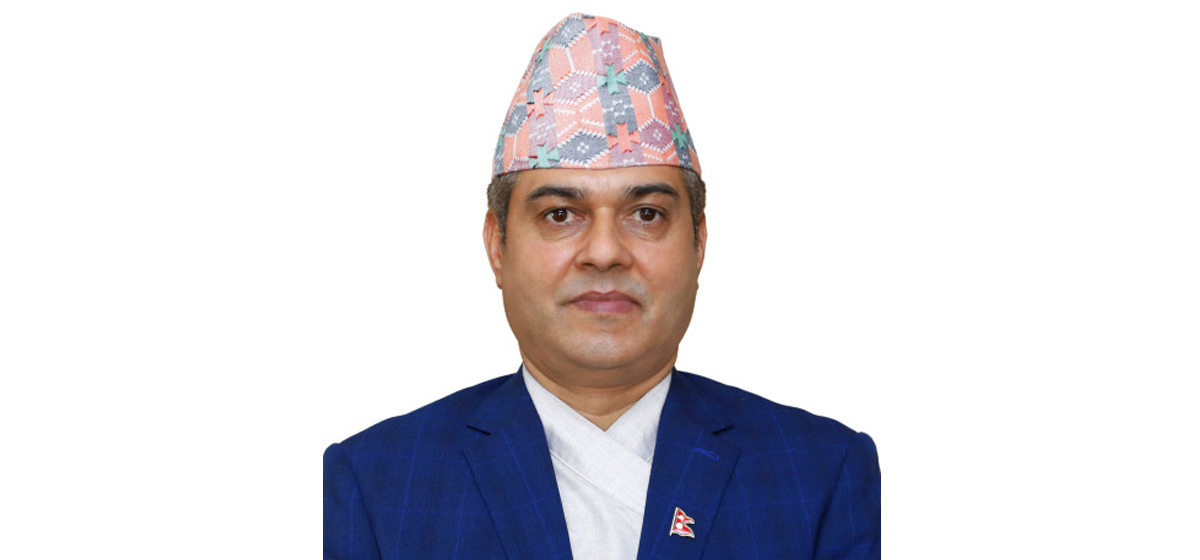
Tek Narayan Pandey
The bureaucratic angle of the case has been examined for how official processes could be compromised, making Pandey’s role a focal point for understanding the alleged state-level facilitation of the fraud. The case continues as part of the hearings that entered the continuous phase on June 10, 2026.
What formal charges were leveled against the accused in the May 2023 case filing?
On May 24, 2023, the District Attorney’s Office filed charges against 30 individuals in Kathmandu District Court. The indictment covered organized crime, cheating, document forgery, and offenses against the state.
These charges carried the possibility of lengthy prison terms if convictions were secured. The filing detailed how the network allegedly collected large sums by promising impossible resettlement using forged refugee credentials.
Money laundering aspects and conspiracy elements were also referenced. The case built on evidence from victim complaints, recovered documents, and financial records. Sixteen of the accused were ordered into judicial custody shortly afterward on June 16, 2023.
Supplementary filings addressed additional figures such as Bechan Jha. The charges have formed the legal basis for all subsequent court proceedings, including the continuous hearing that commenced on June 10, 2026.
What key court rulings addressed pre-trial detention and bail requests?
Kathmandu District Court, after extended hearings, ordered 16 accused into judicial custody on June 16, 2023, while releasing two others on bail amounts of Rs 1 million and Rs 500,000 respectively.
Patan High Court reviewed appeals in late 2023 and issued orders that largely upheld detention for several core figures while reaching split decisions in some instances, most notably on the case of former Home Minister Bal Krishna Khand, where judges disagreed before a third judge ordered his release on Rs 3 million bail on December 14, 2023.
The Supreme Court in April 2024 refused release for Top Bahadur Rayamajhi and six others, though it allowed bail or general dates for three individuals in that batch of petitions, releasing Ang Tawa Sherpa on Rs 3 million bail and Govinda Chaudhary on Rs 1 million bail. These decisions balanced the seriousness of the charges against individual rights during the pre-trial phase.
How have appeals and higher court interventions shaped the case’s trajectory?
Following the June 16, 2023, custody order, accused filed appeals at Patan High Court, which delivered decisions in December 2023 that maintained detention for key individuals while varying outcomes for others.
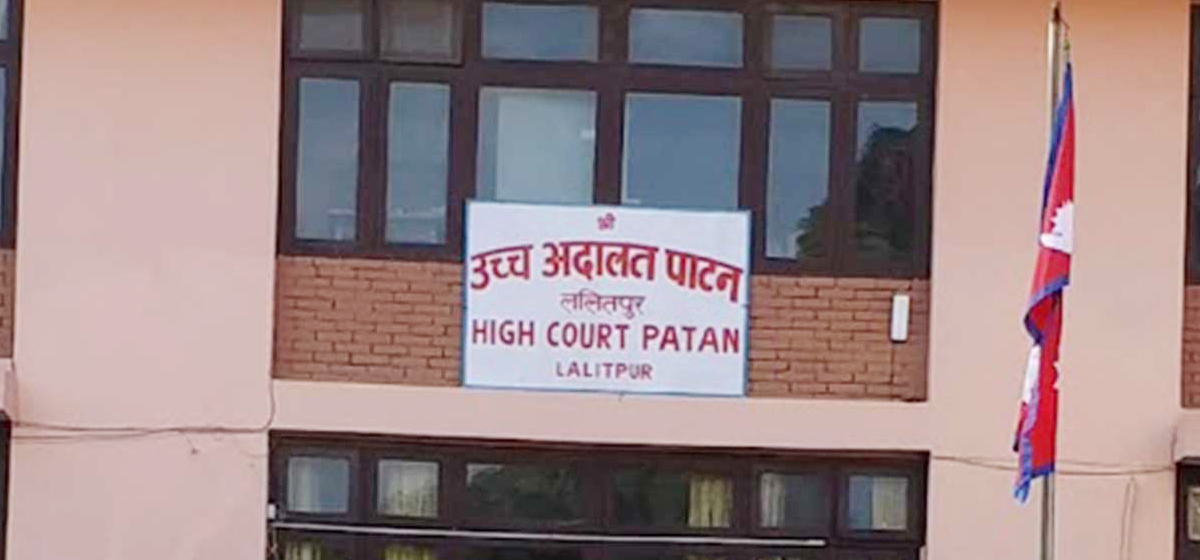
Further appeals reached the Supreme Court, resulting in the April 2024 ruling that kept seven prominent accused in custody. These higher court interventions clarified procedural matters and prevented premature releases that could have affected evidence collection.
Bechan Jha’s repeated bail applications were addressed through 2025 rulings that upheld his detention. Court files faced damage during unrest in September 2025, leading to retrieval orders. Higher court decisions have helped define the parameters under which the district court continues its work.
The case’s formal entry into continuous hearing on June 10, 2026, under Judge Tej Bahadur Khadka marks a new chapter in which the remaining procedural hurdles are expected to be resolved more quickly.
What is the current status of the main court proceedings as of June 2026?
The main case against the 30 accused is active in Kathmandu District Court and has now entered its most decisive phase. In a significant procedural development on June 10, 2026, Judge Tej Bahadur Khadka’s bench placed the case on a continuous hearing schedule, meaning the court will address it in every sitting without giving adjournments until a verdict is delivered. Defence lawyers began presenting their arguments on the same day.
Court officials confirmed that the case has formally entered the continuous hearing stage after spending more than three years in the court without reaching that point.
Substantive hearings had previously begun on January 25, 2026, under District Judge Dhruba Raj Karki, but the case had experienced procedural interruptions. The entry into continuous hearing is considered the final and most intensive phase before a verdict. No final verdicts have been delivered as of June 10, 2026.
The proceedings incorporate evidence from the initial investigation and later phases, including the supplementary charge sheets against Bechan Jha.
Why have delays and claims of selective prosecution plagued the investigation?
The investigation and court process experienced delays after the initial momentum in 2023 due to frequent government changes, procedural requirements, missing accused, and the complexity of tracing financial networks. The second phase slowed following Bechan Jha’s arrest in June 2024 until the Central Investigation Bureau relaunched efforts in November 2025. Some observers raised questions about the pace of action against certain high-profile names compared with others.
Public figures, including UML Chairperson KP Sharma Oli, stated on multiple occasions that no one implicated should be spared and that investigations must proceed without prejudice. File damage during protests in September 2025 added further complications until retrieval was ordered.
The case had been placed on the court docket 34 times by early 2026 without reaching the continuous hearing stage. These factors contributed to the extended timeline from the May 2023 filing to the June 10, 2026, start of continuous hearings. The case has tested the justice system’s ability to handle complex, politically sensitive matters.
Who is Bechan Jha and why has he become central to recent developments?
Bechan Jha, described as a construction businessman with alleged ties to political and brokerage networks, was arrested in June 2024 in connection with the scam. He faces accusations of acting as a major intermediary in financial transactions, including handling large sums linked to the fraud.
Supplementary charges were filed against him, and he has remained in custody through multiple court reviews in 2024 and 2025.
Jha’s statements and the financial trails associated with him have drawn attention to possible broader connections. Investigations into his role continued to face hurdles due to political transitions but gained renewed focus after government changes.
His case has become a focal point for uncovering the full extent of the network beyond the initial 30 accused. As the case enters continuous hearing from June 10, 2026, Jha’s role and the financial evidence associated with him are expected to receive detailed examination from the bench.
What allegations link Arzu Rana Deuba to the scandal?
Arzu Rana Deuba, a former Minister of Foreign Affairs and wife of former Prime Minister Sher Bahadur Deuba, has faced media scrutiny and allegations of possible knowledge or indirect links to the network, based on reported audio recordings and statements from some accused.
She has strongly denied any involvement, describing certain audio materials as fabricated. In 2023 and 2024, she filed complaints with the cyber bureau and pressed defamation cases against media outlets over coverage linking her name to the scam and to Bechan Jha.

Deuba couple
Police have examined related claims during the investigation, but no formal charges were filed against her in the main May 24, 2023, case. Reports in early 2026 noted that her alleged political ties continue to be part of ongoing scrutiny in the revived probe phases.
She has maintained that the reports lack factual basis and are aimed at damaging her reputation. The matter remains under examination without her being listed among the primary accused in court proceedings.
Has the investigative file been reopened or revived, and what triggered it?
Yes, the Central Investigation Bureau relaunched and intensified the second phase of the investigation in November 2025 under AIG Manoj Kumar KC. This revival followed the arrest of additional figures, including Niranjan Kumar Kharel, and incorporated new inputs on financial transactions. Earlier delays in the second phase had occurred after Bechan Jha’s June 2024 arrest amid shifting political circumstances.
Triggers included sustained public pressure, new victim information, and directives to address stalled corruption cases. The revival added momentum to tracing remaining links and brokers. Evidence from this phase has fed into the court proceedings that began substantive hearings in January 2026 and entered the continuous hearing stage on June 10, 2026. As of that date, aspects of the probe, particularly those involving Bechan Jha and associated networks, remain active.
What broader political and societal impacts has the scam had on Nepal?
The scandal has shaken public confidence in major political parties and state institutions by exposing alleged collusion at high levels. It prompted internal party reviews and suspensions for some accused. Leaders such as UML Chairperson KP Sharma Oli publicly called for full accountability without favoritism. Rastriya Prajatantra Party Chairperson Rajendra Prasad Lingden demanded parliamentary updates on the progress in 2023.
Societally, it highlighted the desperation for foreign employment and the risks of migration fraud. Civil society and media played roles in sustaining attention. The case has influenced discussions on strengthening document verification, digitizing records, and insulating investigations from political pressure. Protests and unrest in 2025 indirectly affected court files, adding to the timeline.
As the case enters its continuous hearing phase in June 2026, the scandal remains a central reference point in conversations about governance, judicial efficiency, and anti-corruption efforts.
What key unknowns persist and what documented events mark the case’s timeline up to June 2026?
Key unknowns include the exact full extent of financial beneficiaries beyond those already charged, the complete number of victims beyond documented figures, and whether any fabricated cases resulted in actual travel. Final court verdicts on the charges of organized crime and forgery remain pending.
The timeline includes: initial victim complaints and investigative reporting in March-April 2023; filing of the case against 30 on May 24, 2023; custody order for 16 on June 16, 2023; Patan High Court reviews through late 2023 and the Supreme Court’s April 2024 refusal to release Rayamajhi and six others.
Likewise, the timeline includes Bechan Jha’s arrest in June 2024; Central Investigation Bureau revival in November 2025 with new arrests including Niranjan Kumar Kharel; the escape and recapture of Sandesh Sharma in September-October 2025; court file damage during September 2025 unrest; the start of substantive hearings in January 2026 before Judge Dhruba Raj Karki; and the formal entry into continuous hearing on June 10, 2026, before Judge Tej Bahadur Khadka, with defence arguments commencing the same day.
The case stands as one of Nepal’s most prominent examples of alleged high-level fraud still working its way through the judicial system.
What does the entry into continuous hearing on June 10, 2026, actually mean for the case?
In the Nepali judicial process, a case entering continuous hearing, known in Nepali courts as herdaherdaima, means the bench is committed to taking it up in every sitting until a final verdict is delivered.
There are no longer routine adjournments or postponements to future dates on procedural grounds. This is widely considered the final and most intensive phase of a criminal trial before a verdict.
For the fake Bhutanese refugee scam, this marks a critical procedural turning point. The case had been listed on the court’s docket 34 times over the course of more than three years without reaching this stage.
Judge Tej Bahadur Khadka’s bench made the order on June 10, 2026, with defence arguments beginning the same day. Court information officer Shiva Khatiwada confirmed the development publicly. The entry into continuous hearing signals that all preliminary procedural stages, including custody reviews and ancillary petitions that had repeatedly interrupted progress, have been dealt with sufficiently for the court to focus on the core merits of the charges.
For the accused who have been in custody since 2023, and for hundreds of victims who have waited more than three years, the continuous hearing phase represents the most concrete sign yet that a verdict is drawing closer.
Which accused remain in custody and which have been released as the continuous hearing begins?
As the continuous hearing phase begins in June 2026, several key accused remain in judicial custody and have done so since the June 16, 2023, custody order that was upheld through multiple levels of appeal. These include Top Bahadur Rayamajhi, former Home Secretary Tek Narayan Pandey, security advisor Indrajit Rai, core middlemen Keshav Dulal and Sanu Bhandari, broker Sandesh Sharma, and construction businessman Bechan Jha who was arrested separately in June 2024. Prateek Thapa, son of former Home Minister Ram Bahadur Thapa, has been in custody following his arrest after initially evading it.
Among those who secured release through higher court bail orders are former Home Minister Bal Krishna Khand, who was released on Rs 3 million bail by a third Patan High Court judge in December 2023, and Ang Tawa Sherpa and Govinda Chaudhary, who were released on bail by the Supreme Court in April 2024.
Several other accused have been on general dates or taarikh throughout the proceedings. A number of individuals named in the original charge sheet remain at large and have not been brought before the court.
The continuous hearing phase will now require all parties to address the charges substantively, with the bench expected to examine witness statements, documentary evidence, and financial records until a verdict is reached.
![NSU protests closure of public library, demands immediate reopening [Photo Feature]](https://english.nepalnews.com/wp-content/uploads/2026/07/1-6.jpeg)