Kathmandu
Sunday, February 15, 2026





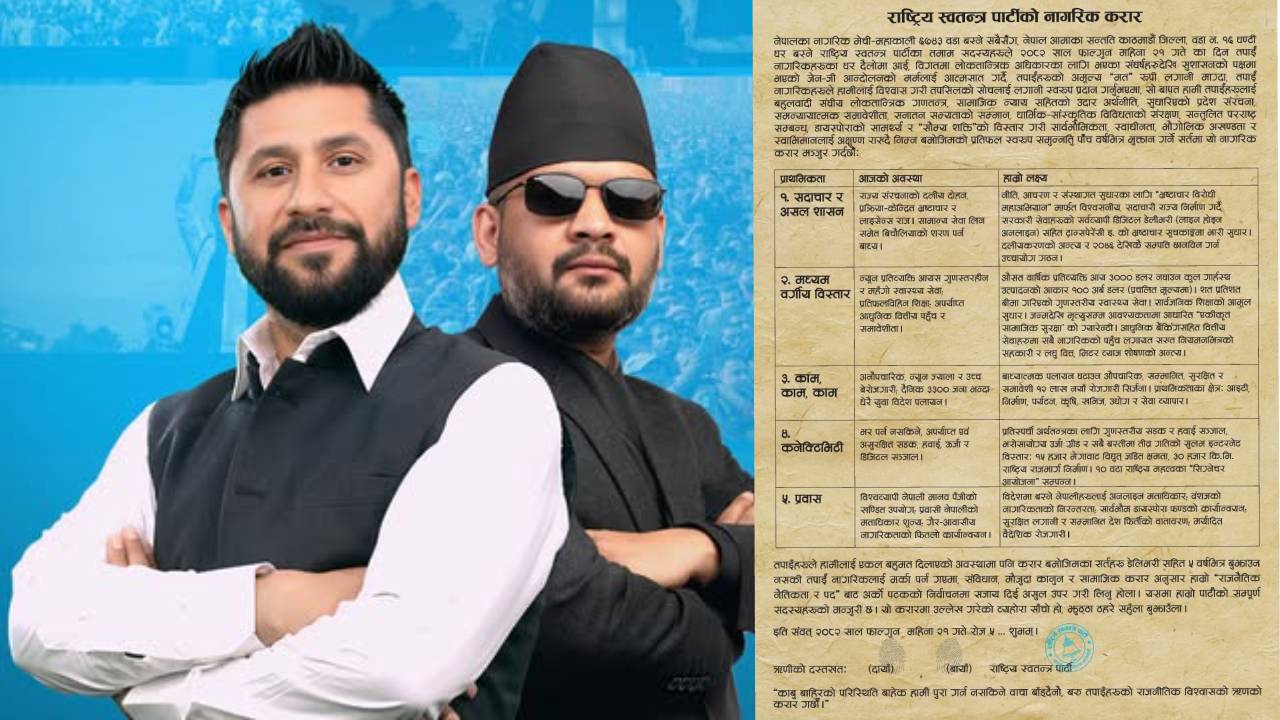
KATHMANDU: The Rastriya Swatantra Party (RSP), established in 2022 by former television presenter Rabi Lamichhane, has emerged as a key player in Nepal’s political arena by championing issues like anti-corruption measures, greater transparency in government operations, and more efficient administrative processes to better serve the public.
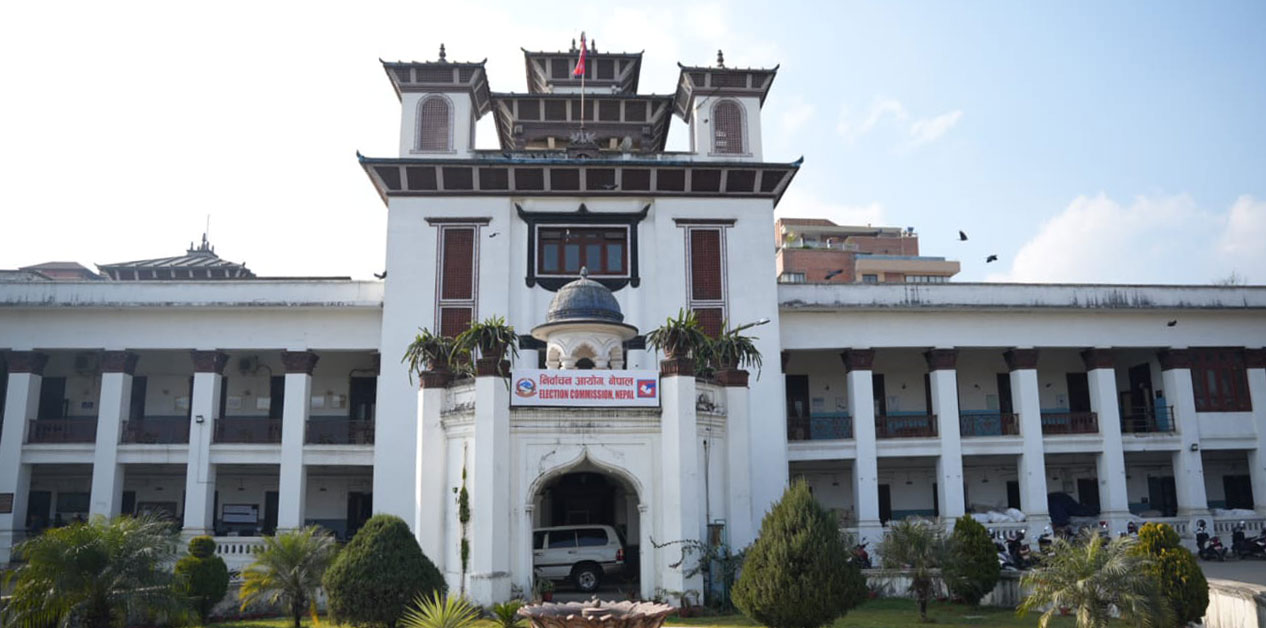
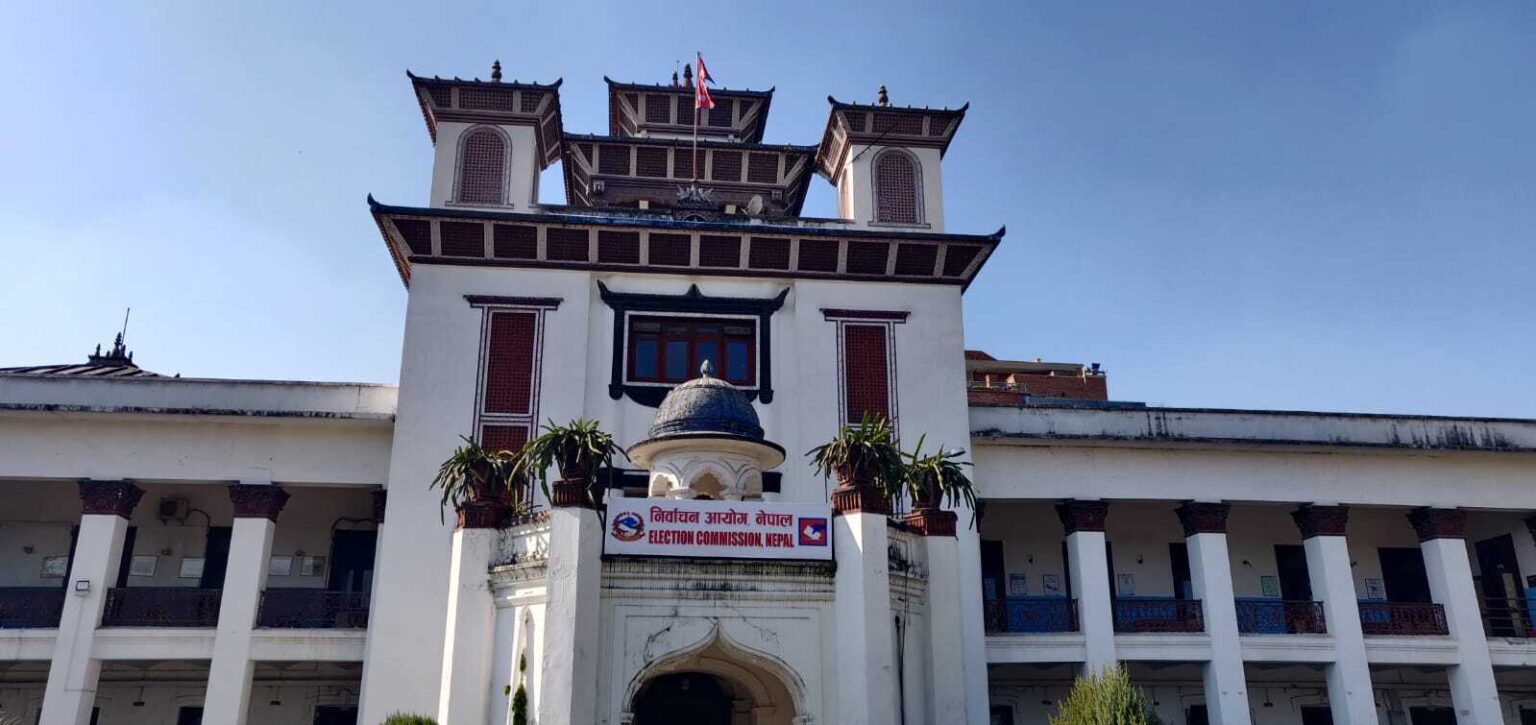
On February 15, 2026, the party made public its “Citizen Contract,” a central election document designed as a formal commitment to voters. This step was taken to meet the Election Commission’s stipulation that all political parties must disclose their manifestos or similar pledges by that specific date, ensuring a level playing field in the run-up to the voting.
The document’s launch precedes the snap elections for the House of Representatives set for March 5, 2026, which came about after the parliament was dissolved following intense public unrest and calls for systemic change on September 8 and 9, 2025. The Citizen Contract acts as a foundational agreement, laying out wide-ranging promises that RSP intends to handle as binding duties, including features for oversight like regular updates on advancements and outlined repercussions—such as possible stepping down from roles or other accountability steps—for any pledges that go unmet. Party officials have consistently emphasized that the contract restricts itself to practical, attainable objectives, sidestepping the kind of unclear ambitions frequently found in conventional party platforms.
A follow-up comprehensive pledge document is planned for release soon, building on the contract’s outline with more in-depth strategies. Creating these resources required a focused group effort, with major input from RSP president Rabi Lamichhane, vice-chair and economic expert Swarnim Wagle, who coordinated the writing through discussions with specialists and interested parties.
The contract dovetails with RSP’s latest partnerships, notably a seven-point pact with former Kathmandu Mayor Balendra Shah, known as Balen Shah, positioning him as the party’s choice for prime minister and leader of the parliamentary party after the polls. This collaboration weaves in Shah’s hands-on expertise in city management, including upgrades to Kathmandu’s roads, drainage systems, and trash handling, to inform the national-level proposals.
The pledges are grouped into five main categories for rollout over a five-year period in power: reinforcing effective governance routines, opening up focused prospects for young people, overhauling the economy to promote lasting and broad-based progress, updating administrative and organizational setups to boost performance, and elevating the provision of vital public amenities such as healthcare, schooling, and welfare programs.
In addition, RSP has woven in a “100 Days, 100 Works” plan, specifying 100 precise, short-term tasks to kick off within the first 100 days in office, targeting rapid achievements in fields like corruption checks, boosts to the economy for more jobs, and early tweaks to institutions.
This tactic underscores RSP’s aim to set itself apart from entrenched groups like the Nepali Congress, CPN-UML, and Nepali Communist Party, who have likewise been unveiling their platforms in the same timeframe, through a stress on feasibility, responsibility, and addressing the grievances voiced in the September 2025 demonstrations. Holding 21 seats in the dissolved House and putting forward candidates in 164 constituencies, the Citizen Contract anchors RSP’s electoral push, seeking to draw in those frustrated with old-style politics via a straightforward, contract-style assurance of results.
What exactly is the Citizen Contract?
The Citizen Contract stands as the core election material that the Rastriya Swatantra Party put out on February 15, 2026, serving as a well-organized, official assurance aimed at Nepali voters in preparation for the March 5 House of Representatives elections. Instead of sticking to the typical manifesto format, the party has purposefully crafted it as a binding pact between RSP and the general public, detailing a precise array of quantifiable pledges that span critical national domains including governance structures, economic policies, initiatives for youth development, reforms in institutions, and enhancements to public services. Leaders from the party have stressed that each objective listed is grounded in reality and can be accomplished with the resources and schedules at hand, intentionally avoiding the sort of excessive commitments that have plagued numerous historical political papers in Nepal. To embed responsibility, the contract features solid systems like ongoing public updates on execution status, open assessments of achievements, and established sanctions or outcomes when assurances are not fulfilled, which could involve required statements from top figures or even stepping aside in grave situations. This arrangement fosters a shared feeling of duty, enabling voters to genuinely enforce the party’s words through these integrated protections. The contract represents the kickoff stage in RSP’s platform reveal; an independent, more elaborate pledge document is due shortly to expand on strategies, specific deadlines, and allocation of resources for every section. The entire piece was assembled following in-depth internal deliberations, pulling from the party’s organizational framework and associated perspectives to align tightly with immediate national priorities such as tackling graft, reducing job scarcity, and fixing inadequate service provision that have been central to ongoing public talks. Furthermore, it opens with foundational values like maintaining a multi-party federal democratic system, advancing a liberal economy infused with social fairness, refining provincial setups, ensuring inclusive opportunities, honoring Sanatan traditions alongside protecting cultural variety, pursuing even-handed international ties, and bolstering the diaspora to protect national sovereignty and self-reliance. By framing votes as an investment that must yield returns through tangible outcomes, the contract seeks to rebuild faith in politics, especially after years of unkept vows from established parties, and positions RSP as a fresh alternative committed to measurable progress over empty rhetoric.
Why did RSP choose to call it a contract instead of a regular manifesto?
RSP opted for the contract designation to clearly differentiate its election material from the usual manifestos put forth by other political groups, which commonly include vast, optimistic assertions without robust ways to ensure compliance or continuation. By labeling it a contract, the party transforms its assurances into official duties directly to the electorate, altering the interaction from mere electioneering to a framework rooted in liability. RSP has clarified that this style views every pledge as something that can be upheld, with the party obligating itself to encounter defined fallout if objectives fall short—options might encompass open confessions of lapses, external reviews, or measures involving party heads to uphold reliability. This directly counters the profound skepticism among voters accumulated over decades when conventional parties consistently fell short on key declarations from prior votes, like substantial economic overhauls or rigorous anti-graft actions post-2022. The spotlight on openness and verifiable accomplishments resonates with RSP’s initial dedication to sensible administration. Moreover, it facilitates a gradual disclosure: the contract offers the broad pact initially, whereas the forthcoming pledge document explores nuances, permitting voters to interact with the substance step by step during the lead-in to March 5, 2026. This technique also merges practical instances from recent collaborations, such as demonstrated city-level improvements, to illustrate that the assurances are based on viable foundations. In essence, the contract approach aims to treat political promises like business deals, where failure to deliver invites consequences, thereby encouraging a more serious engagement between leaders and citizens in a context where broken pledges have eroded public confidence over multiple election cycles.
Why was the Citizen Contract released on February 15?
The party unveiled the Citizen Contract to the public on February 15, 2026, precisely in line with the Election Commission’s regulation mandating that all contesting political entities must present and make available their manifestos or comparable election pledges by that exact deadline. This schedule promotes complete openness and affords every participant a fair opportunity in the campaign process. Given that the House of Representatives vote is planned for March 5, 2026, this situates the unveiling within the formal period before the polls, offering around three weeks for citizens, reporters, and commentators to examine and discuss the details thoroughly. RSP had earlier hinted via its online platforms and media updates that it would begin with the contract proper prior to issuing a more extensive pledge document, permitting a methodical introduction of its program. The February 15 timing also syncs with the larger voting timeline, as outfits like the Nepali Congress, CPN-UML, and various others were wrapping up or disseminating their own platforms in that same mid-February slot, establishing grounds for direct contrasts in communal debates. Launching right on time assists RSP in creating drive for its campaign, bolsters its contenders in grassroots efforts across 164 electoral zones, and straightforwardly tackles requests for transparent outlines following the governmental shakeup sparked on September 8 and 9, 2025. Additionally, this action fulfills Nepal’s electoral statutes, which highlight prompt and accessible revelations to avert any faction from securing unjust edges and to aid electors in forming knowledgeable decisions. By adhering to this date, RSP not only complies with legal norms but also signals its commitment to the very transparency it advocates in its pledges.
Who put the Citizen Contract together and which leaders were involved?
A specialized team within the Rastriya Swatantra Party managed the assembly of the Citizen Contract, proceeding methodically to compose and refine the content based on fundamental policy aims and input gathered from the populace. Party head Rabi Lamichhane directed the endeavor at the highest level, leveraging his prior work in broadcasting and community outreach to guarantee the phrasing resonates plainly with regular folks. Vice-chair Swarnim Wagle, with his background in economics and emphasis on growth and systemic shifts, headed the composition group, facilitating sessions with professionals, fellow party participants, and diverse interest holders to anchor the suggestions in reliable data. The completed form incorporates angles from RSP’s fresher coalitions, particularly the seven-point accord struck with Balendra Shah; his real-world understanding of municipal administration—elements like enhanced pathways and refuse management in the metropolis—has been integrated into pertinent segments. RSP’s regional bodies and youth divisions supplied extra dimensions, ensuring the material responds to variances in issues throughout Nepal’s varied territories. This joint strategy echoes the party’s inclination toward comprehensive policy formulation, evident in its progression from capturing 20 positions in the 2022 balloting to its existing broadened footprint. Engaging prominent individuals like Lamichhane and Wagle straightaway maintains coherence with RSP’s enduring emphases: advancing liberal progressivism, combating corruption, and optimizing governmental functions. The outcome is a cohesive assurance that bears the complete authority of the party’s upper ranks, reflecting a blend of expertise from media, economics, and local governance to create a document that’s both aspirational and grounded.
Which main priority areas does the contract cover?
The Citizen Contract arranges RSP’s intended initiatives into five primary domains that the party intends to address across a complete five-year stint should it gain governmental influence, providing a straightforward guide for countrywide advancement. The initial one centers on sound governance, highlighting amplified clarity and more robust anti-corruption actions. The next prioritizes empowering the younger generation, offering directed openings in learning, employment, and entrepreneurial pursuits. The third entails reshaping the economy for consistent, all-encompassing development and attracting additional capital. The fourth deals with updating administrative systems and organizations to eliminate inefficiencies and elevate responsibility. The fifth concentrates on bettering routine public offerings, encompassing medical care, instruction, societal aid, and fundamental facilities. Every domain includes exact, monitorable benchmarks and schedules to keep the assurances practical instead of lingering as vague notions. For governance, as an illustration, it draws from contemporary cooperative learnings and incorporates effective community models observed in locales such as Kathmandu. The economic aspect underscores assistance for those working overseas and sustained efforts to lessen poverty, building upon concepts RSP has previously advanced. Structuring all into these five linked spheres allows the party to confront intertwined difficulties that came to the fore robustly after the September 2025 occurrences—elevated joblessness, disparate amenities, and organizational sluggishness. The design further simplifies supervision, with annual advancement summaries incorporated so electors can monitor independently. Beyond these, the contract weaves in broader commitments like upholding the multi-party federal setup, fostering a liberal economic model with social equity, refining provincial arrangements, and ensuring cultural preservation alongside diaspora support.
What specific economic promises appear in the contract?
The economic assurances in the Citizen Contract are geared toward cultivating settings that back both expansion and equity throughout Nepal. Central components encompass strategies to simplify commerce, for instance by trimming excess bureaucracy to pull in greater foreign direct inflows and streamlining setups for emerging enterprises. The paper advocates for taxation adjustments directed at lower-earning segments to lighten loads on at-risk populations, while upholding financial prudence. Those returning from abroad labor get highlighted focus via affordable financing, skill alignment schemes, and hands-on support to initiate businesses, acknowledging Nepal’s heavy dependence on overseas earnings. Over extended periods, the contract establishes bold but incremental objectives to drastically cut severe deprivation, encompassing countrywide food storage and allocation setups to assist needy groups across years, with defined checkpoints en route. Approaches for generating positions zero in on crucial fields—updating farming practices, revitalizing visitor industries, and broadening tech sectors—to produce work that matches domestic requirements. These vows prolong prior RSP stances, such as eliminating fees in overseas job placements, and gain from economist Swarnim Wagle’s contributions to maintain them sensible and informed by statistics. Collectively, the economic portion advocates for growth that narrows disparities, fortifies internal markets, and elevates total GDP via deliberate, actionable measures. Additional specifics include aiming for per capita income surpassing USD 3,000 annually on average, pushing GDP beyond USD 100 billion, and introducing unified social protections tailored to individual needs from cradle to grave, alongside universal entry to contemporary banking and finance tools, with tight oversight on cooperatives and small lending to curb abuses.
What does the contract say about health and education?
Regarding health, the Citizen Contract sketches a definite route toward a unified payment structure that would secure widespread entry irrespective of an individual’s earnings or whereabouts. It encompasses strategies to enlarge medical facilities, constructing advanced centers at regional hubs and essential outposts nearer to neighborhoods so residents avoid long journeys for treatment. The emphasis spans precautionary measures, hiring and keeping additional healthcare workers, and employing tech for superior handling of medical information and synchronization. On education, the paper vows complimentary, high-standard instruction up to the high school stage in all regions of the nation, supported by uniform program criteria and continuous educator improvement. Professional and skill-based learning receives substantial growth, with offerings customized to meet real employment needs in arenas like digital tech, cultivation, and manufacturing so the youth exit education prepared for the workforce. Electronic resources—web-based systems, interactive learning spaces, and distant education choices—play a prominent role to refresh instructional techniques and narrow divides in isolated zones. These health and schooling objectives derive benefit from RSP’s current collaborations, incorporating verified community achievements, and include routine evaluations such as annual examinations of registration figures, attrition levels, and healthcare reach to gauge genuine headway. The contract ties these to broader goals like expanding middle-class access to quality services, ensuring integrated social safety nets, and aligning education with economic priorities to foster long-term national development.
How does the contract handle corruption and governance problems?
Corruption and administration are given comprehensive coverage in the Citizen Contract via an extensive array of organizational and procedural alterations designed to strengthen supervision and candor. The paper suggests establishing autonomous anti-corruption agencies equipped with genuine powers for probing and pursuing matters swiftly and equitably. Informants would receive enhanced legal shields along with encouragements for disclosing improprieties in official or commercial activities. Rigorous guidelines would mandate complete open revelation of governmental dealings, bidding procedures, and significant rulings, backed by digital interfaces for public viewing of documents. To halt favoritism, public role assignments would adhere to transparent merit guidelines overseen by watch groups that prevent kin or bias-driven picks. Changes would extend to subnational and community tiers, devolving certain powers locally while preserving solid chains of answerability higher up. The contract details sanctions for breaches—judicial proceedings, monetary penalties, or direct dismissal from duties. These suggestions originate from RSP’s foundational agenda and leverage practical insights from its partnerships, particularly triumphs in city oversight, applying those ideas countrywide. Periodic appraisals are factored in to verify the modifications function as planned. Overall, good governance leads the priorities with a large-scale anti-corruption drive, reforms across policies, behaviors, and bodies to forge a reliable state apparatus.
What exactly is the “100 Days, 100 Works” part?
Although RSP has alluded to prompt starting measures in associated declarations, the Citizen Contract proper concentrates on the five-year blueprint without itemizing a particular “100 Days, 100 Works” roster in the accessible accounts. Wider promotional references imply a push for swift execution at the outset, yet the contract stresses the comprehensive five-year aims coupled with responsibility frameworks. This means the document prioritizes long-haul targets like economic milestones and governance overhauls, while suggesting that early momentum would support those larger goals, without spelling out 100 exact short-term tasks. The approach underscores RSP’s intent to demonstrate immediate action capability through tangible steps right after assuming roles, potentially including quick audits or initial policy shifts, but details remain in broader campaign contexts rather than the contract text.
How does the Citizen Contract fit into RSP’s broader election approach?
The Citizen Contract occupies the central spot in RSP’s tactics for the March 5, 2026, balloting, supplying a recorded, responsible base to solicit electoral backing amid a packed contest. By portraying assurances as upheld pacts instead of casual affirmations, it accentuates RSP’s dedication to feasible transformations and authentic liability, aiding the party in distinguishing itself from more veteran rivals. The material underpins the selection of aspirants over 164 constituencies, furnishing each with an identical lucid outline to convey in assemblies, residential calls, and local dialogues. It connects straight to RSP’s forward-thinking liberalism and newest developments, encompassing the coalition that appointed Balendra Shah as the premier contender, merging varied backgrounds to confront matters like administrative shortcomings and financial distress that intensified notably on September 8 and 9, 2025. The dual-phase unveiling—contract initially, in-depth pledge afterward—sustains voter involvement across the promotional period with increasingly thorough data. During a time when all principal parties are disclosing their platforms, this contract situates RSP as a choice centered on fulfillment and attentiveness. Commencing from its present 21 positions in the dissolved House, the party employs the document to advocate for an expanded part in the forthcoming 275-seat assembly, leveraging public dissatisfaction to build support.