Kathmandu
Friday, January 30, 2026





The influence of leftist parties, which have traditionally dominated election results in Bagmati Province, has grown weaker in recent times
KATHMANDU: Thirteen districts, 33 electoral constituencies, and around 3.7 million voters.
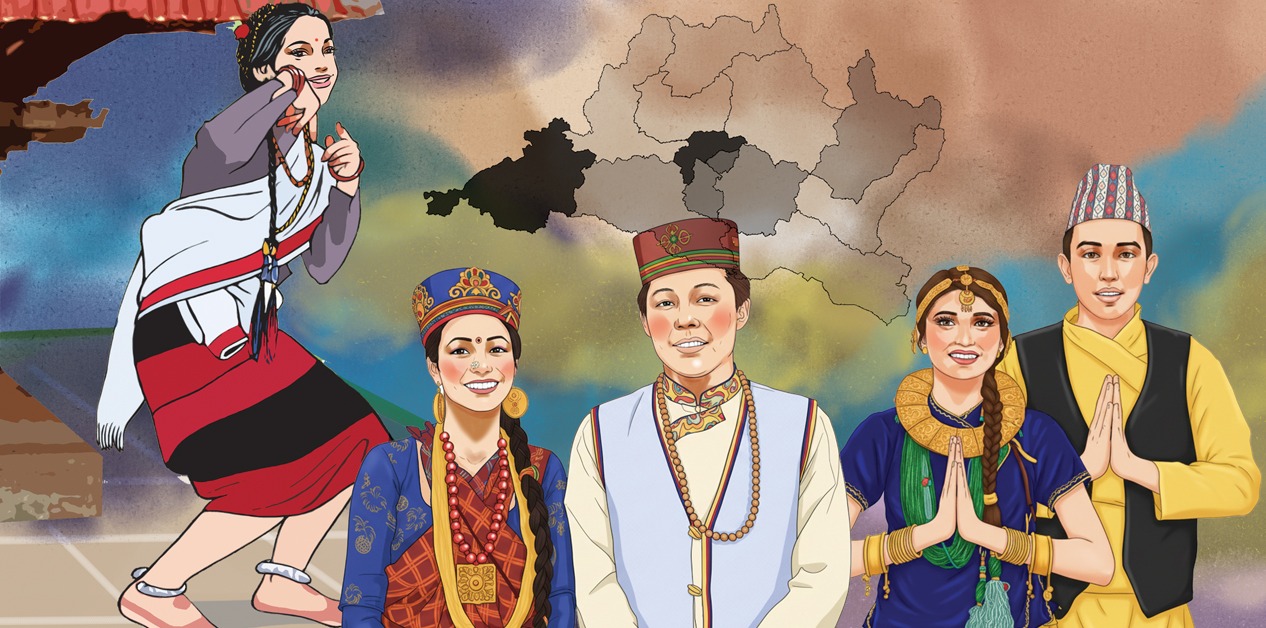
This numerical strength makes Bagmati Province the most powerful region in Nepal’s House of Representatives elections. Out of the country’s 165 first-past-the-post constituencies, Bagmati Province alone accounts for 33 constituencies across its 13 districts. This is exactly one-fifth of the total constituencies. In other words, one out of every five directly elected members of parliament comes from Bagmati.
With the federal capital Kathmandu located in this province, leftist forces have historically dominated parliamentary elections here. Among the seven general elections held since 1990 (2046 BS), except for the first Constituent Assembly election in 2008, the UML maintained dominance in Bagmati. The districts within Bagmati Province played a crucial role in establishing the UML as a major national political force and helped it expand its influence across the country.
However, the results of the 2022 House of Representatives election signaled a decline in the UML’s influence in Bagmati. Out of 33 constituencies in the province, the UML won only four seats in that election. This weak performance is largely attributed to the election results in Kathmandu district. In the Kathmandu Valley, which has 15 constituencies, the UML won only two.
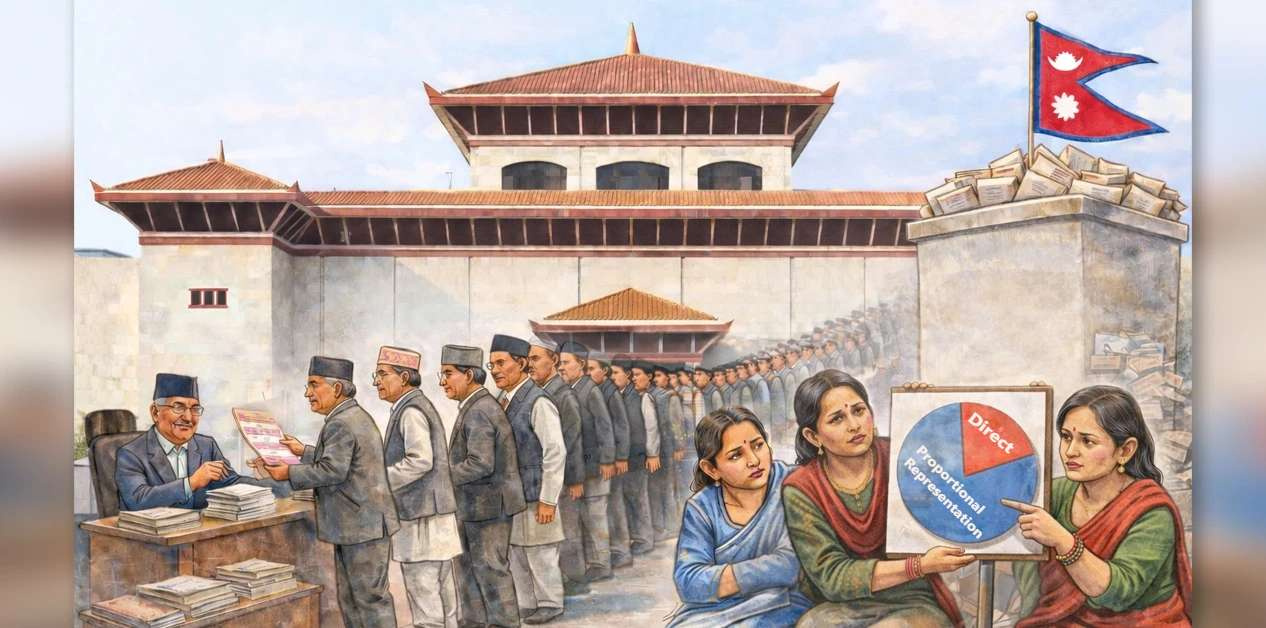
Bagmati Province, which has the highest number of voters among all provinces, also plays a significant role in helping parties secure votes under the proportional representation system. The province has 3,682,310 voters, accounting for about 19.5 percent of the country’s total 18,903,689 eligible voters for the election scheduled on March 5.
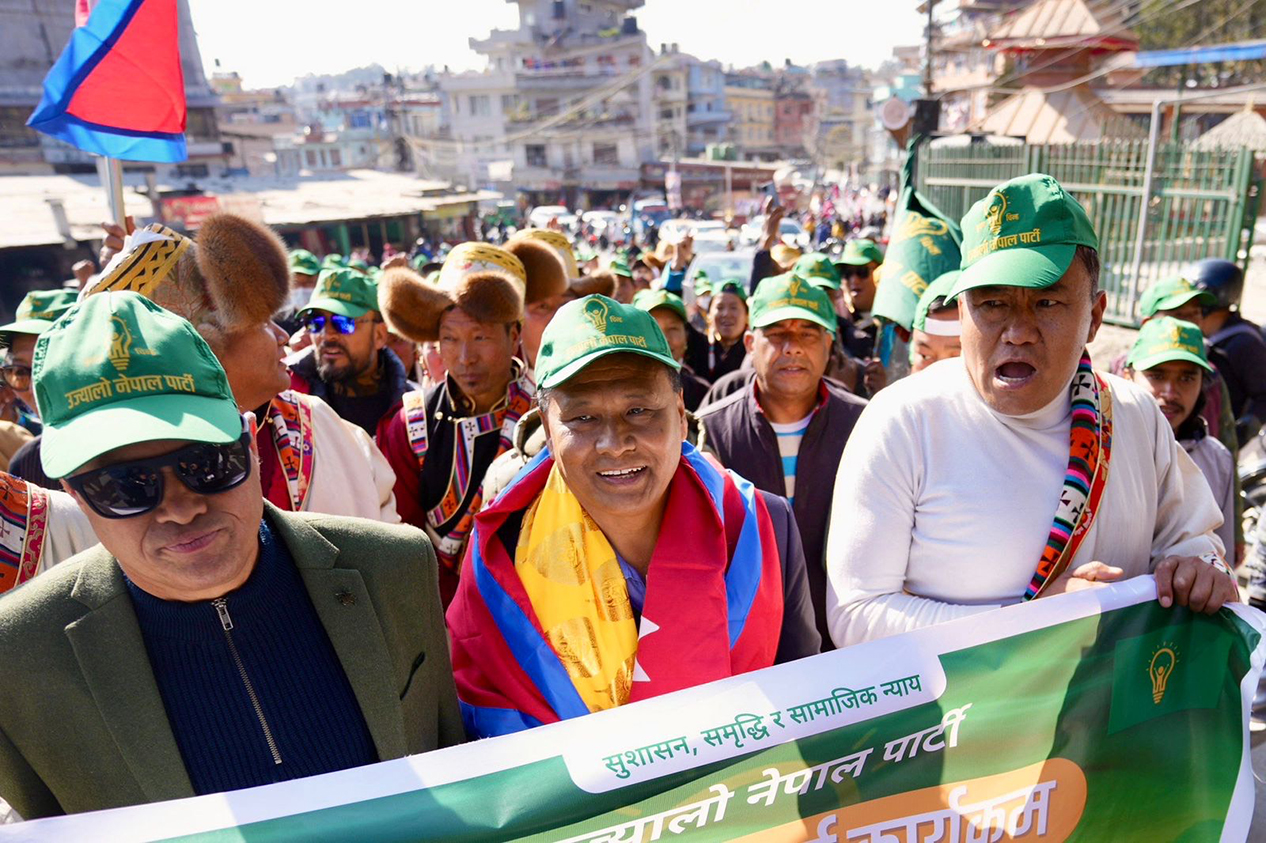
Kulman Ghising, Chairperson of the Ujyalo Nepal Party, while going to file his candidacy from Kathmandu-3.
Political sociologist Ram Gurung says that because of its large number of constituencies and voters, Bagmati Province has always remained at the center of national politics. “Among the provinces, Bagmati has the highest number of seats under the direct election system and also the highest number of voters, which naturally makes it politically powerful,” he says. “Since the federal capital is located here, Bagmati becomes the decisive arena that shapes political discourse and influences how other regions are viewed. Decisions made in Bagmati ultimately become national decisions.”
Bagmati Province comprises 13 districts: the three districts of the Kathmandu Valley, along with Sindhuli, Kavrepalanchok, Dolakha, Ramechhap, Sindhupalchok, Rasuwa, Nuwakot, Dhading, Chitwan, and Makwanpur. The province stretches from the Tarai plains to the Himalayan region. Three of Nepal’s six metropolitan cities and one sub-metropolitan city are located in this province.
Among the districts of Bagmati that elect 33 members to the House of Representatives, the three Kathmandu Valley districts dominate. Of the 33 MPs, 45 percent, or 15 MPs, are elected from these three districts alone: 10 from Kathmandu, three from Lalitpur, and two from Bhaktapur. Outside the Valley, Chitwan elects three MPs, while Sindhuli, Kavre, Makwanpur, Nuwakot, and Dhading each elect two MPs. Dolakha, Ramechhap, and Rasuwa elect one MP each.
For the House of Representatives election to be held on March 5, Bagmati Province has a total of 731 candidates—500 from political parties and 231 independents. Kathmandu district has the highest number of candidates, with 250 (including 82 independents), while Rasuwa has the lowest, with just 12 candidates (including three independents).
Bagmati Province is not only a political and administrative hub but also an economic and social center. Compared to other parts of the country, it has a more educated electorate and voters with higher economic status. According to the constituency-wise demographic report prepared by the National Statistics Office based on the 2021 national census, eight out of the 10 constituencies classified as having “very high economic status” are located in Bagmati Province, including Kathmandu-1, Kathmandu-4, and Lalitpur-3. These constituencies are categorized as such due to the concentration of affluent residents. In Kathmandu-1, as much as 74 percent of the population falls under the very high economic status category. Nationally, 19 percent of Nepal’s population belongs to this category.
In the fiscal year 2023/24, Bagmati Province contributed 36.5 percent of the country’s total Gross Domestic Product. The total GDP at consumer prices that year was Rs 6.107 trillion. According to the 2021 report of the National Statistics Office, four of the 10 most populous constituencies in the country are located in Bagmati Province. Similarly, all of the top 10 most populous fully urban constituencies are also in this province, all within the Kathmandu Valley.
The Kathmandu Valley also attracts the highest number of internal migrants. Nine out of the top 10 constituencies receiving migrants from other districts are located in the Valley. Migration has a direct impact on Bagmati Province’s population size, growth rate, and demographic structure, which in turn affects its politics.
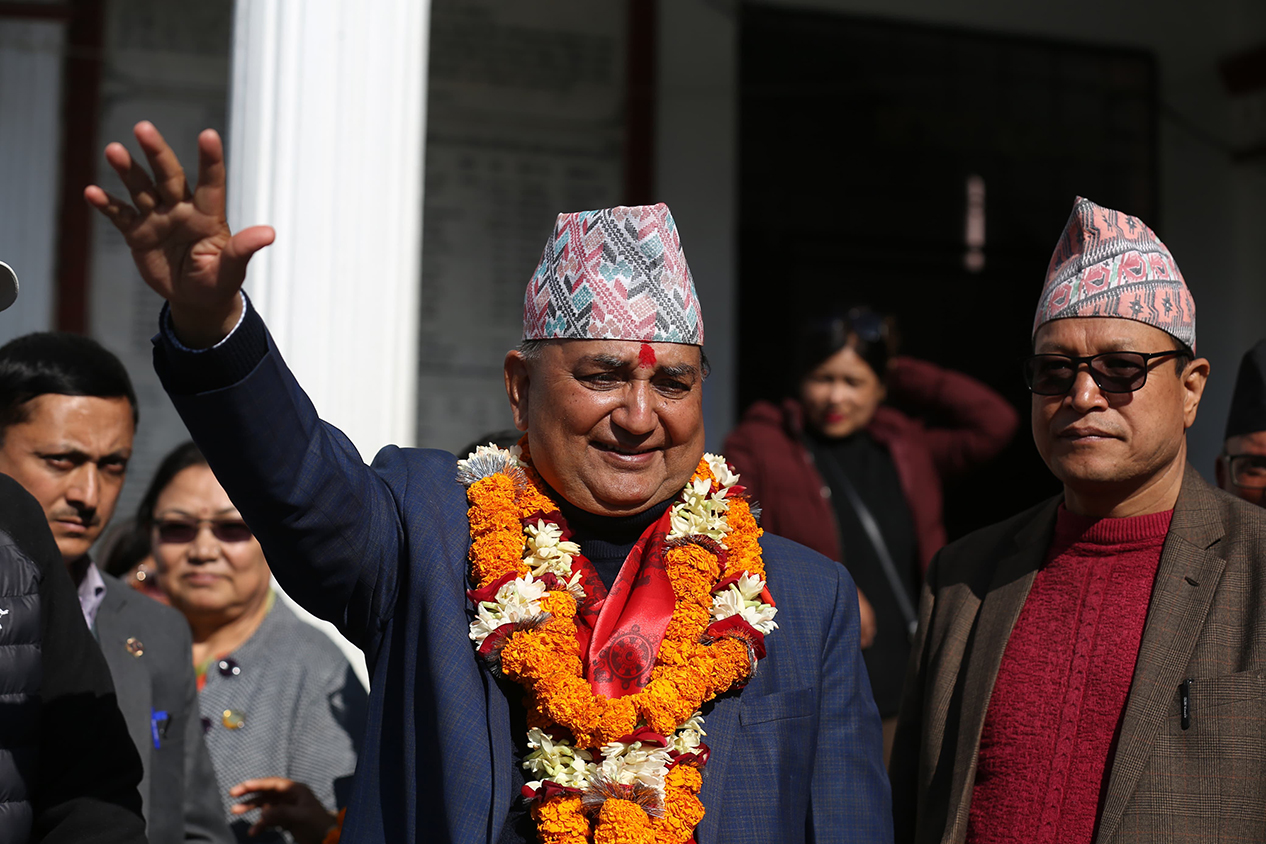
Ishwar Pokhrel, a leader of the CPN-UML, after registering his candidacy from Kathmandu-5. Photo: Nepal Photo Library.
Decentralization expert and former lawmaker Krishna Prasad Sapkota says that any force seeking to establish dominance in national politics must also strengthen its presence in Bagmati Province. “Although the constitution has organized the country into a federal structure and emphasizes decentralization of power, in practice power and resources remain concentrated in Kathmandu. Therefore, anyone aiming to strengthen their national political presence must maintain influence in Bagmati as well,” he says. Sapkota was elected as a UML member of the first Constituent Assembly in 2008.
After the promulgation of the new constitution in 2015, Nepal transitioned to federalism, and a popular slogan emerged: “Singha Durbar in every village.” The slogan symbolized the idea of empowering local governments and delivering state services directly to citizens’ doorsteps, eliminating the need to rely on the central government. However, in practice, Kathmandu continues to tightly control many important powers, maintaining centralization. Citizens still have to travel to Kathmandu for services ranging from correcting errors in academic certificates to obtaining foreign employment-related services. Similarly, fast-track passport services are available only at the Department of Passports in Tripureshwor. Budget allocation to local and provincial governments, deployment of civil servants, distribution of royalties from natural resources, and other administrative matters remain under federal government control.
Due to its political and administrative importance, Bagmati Province consistently draws electoral attention and offers political parties an easy platform to project nationwide influence, making it highly attractive to them.
Leftist dominance
Since the political change of 1990, elections in Bagmati Province have consistently shown the dominance of leftist parties.
After the establishment of the multiparty system, the first House of Representatives election in 1991 had 37 constituencies across the 13 districts that now form Bagmati Province. Leftist parties won 27 of these constituencies. Among them, the CPN (UML) won 21 seats, United People’s Front won four, and CPN (Democratic) and Nepal Workers and Peasants Party (NWPP) won one seat each. The Rastriya Prajatantra Party (RPP) won three seats. At that time, despite securing a single-party majority nationwide, the Nepali Congress was limited to just seven seats in Bagmati. Nationally, the Nepali Congress won 110 out of 205 seats to form a majority government.
In the 1991 parliamentary election, the then Prime Minister and acting president of the Nepali Congress, Krishna Prasad Bhattarai, was defeated in Kathmandu itself. He lost to UML General Secretary Madan Bhandari in Kathmandu Constituency No. 1. Contrary to widespread expectations that Bhattarai would easily defeat Bhandari amid a nationwide wave in favor of the Nepali Congress, the outcome turned out differently. Much like the keen interest currently focused on Jhapa-5 due to the contest between UML Chair KP Sharma Oli and senior Rastriya Swatantra Party leader Balendra Shah (Balen), Kathmandu-1 was closely watched at that time.
In the mid-term election of 1994, the number of constituencies in Bagmati Province increased to 39 following constituency re-demarcation. In that election, the UML emerged as the largest party in the country by winning 88 seats overall, and districts within Bagmati Province made a significant contribution to that success. The UML won 22 out of the 39 constituencies in Bagmati. Of the remaining 17 constituencies, the Nepali Congress won nine, the Rastriya Prajatantra Party (RPP) won six, and the Nepal Workers and Peasants Party (NWPP) won both seats in Bhaktapur.
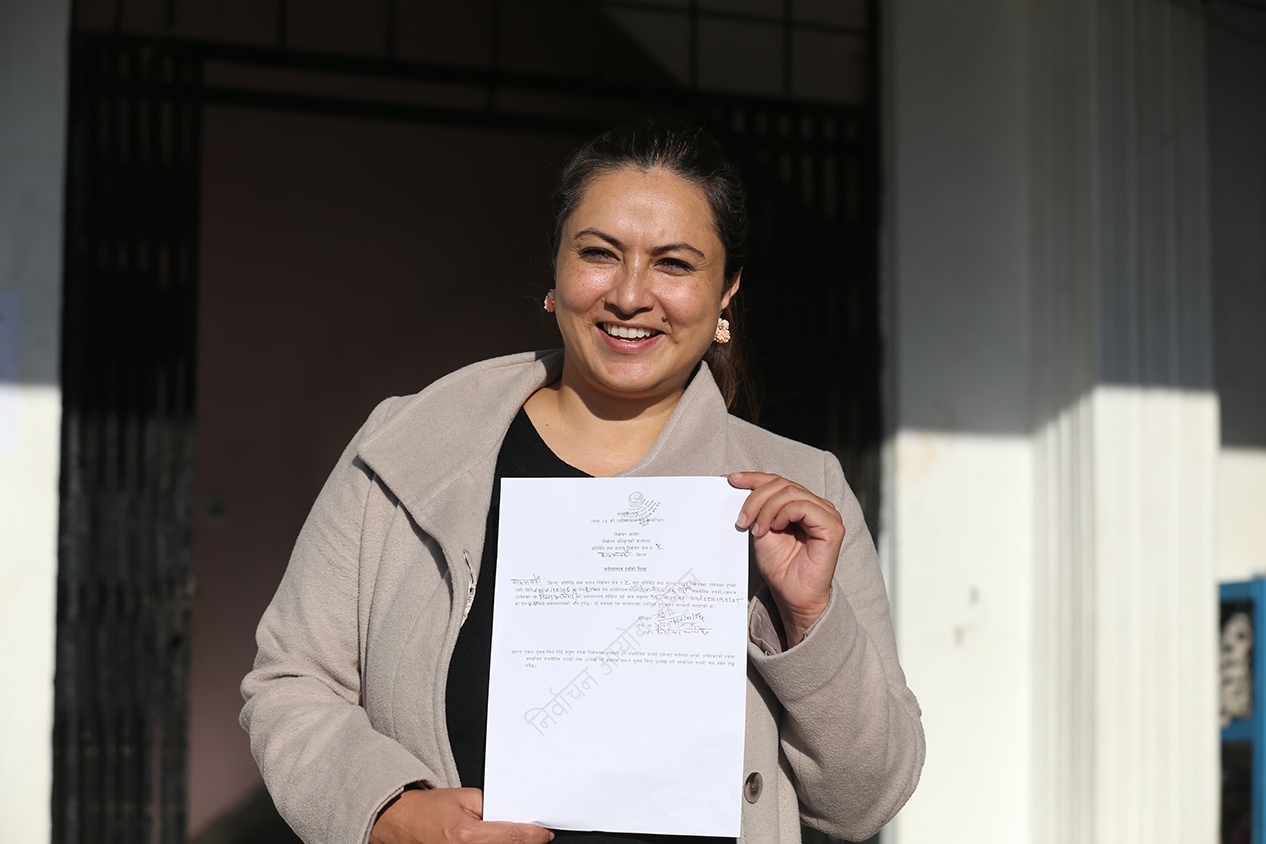
Nisha Adhikari, a leader of the Dynamic Democratic Party, after registering her nomination from Kathmandu-5. Photo: Nepal Photo Library.
The UML’s influence remained strong in the 1999 general election as well. Even amid party splits, the UML won 21 of the 39 constituencies in Bagmati. The Nepali Congress won 14 seats, the RPP won two, and the NWPP and United People’s Front won one seat each.
However, the UML’s sustained grip on Bagmati began to weaken in subsequent elections. Former lawmaker Sapkota says, “Until the people’s movement of 2006, the UML remained the strongest force in this region. During that period, UML candidates were frontrunners in all districts except Sindhuli, Ramechhap, Rasuwa, and Nuwakot.”
In the first Constituent Assembly election of 2008, the CPN (Maoist), which had entered peaceful politics after abandoning armed insurgency, replaced the UML as the dominant force. Winning 120 of the 240 constituencies nationwide, the Maoists emerged as the largest party. Of those, they won 32 constituencies in Bagmati alone. At that time, the number of constituencies in districts that now fall within Bagmati Province had been increased to 45. In that election, the UML was reduced to just three seats in the region, while the Nepali Congress won seven, the NWPP won two, and the United People’s Front won one seat.
The Maoists also secured the highest number of votes under the proportional representation system. Of the total 10,739,078 votes cast under proportional representation nationwide, the Maoists received 29.28 percent (3,144,204 votes). In Bagmati Province alone, the Maoists secured 36 percent of the total votes cast—770,354 votes. In that election, the Maoists secured 100 of the 333 seats allocated through the proportional representation system.
After the first Constituent Assembly failed to promulgate a constitution, the second Constituent Assembly election was held in 2013, bringing the Nepali Congress and the UML back to the center of power. Under the first-past-the-post system, the Nepali Congress won 105 of the 240 seats nationwide and secured 22 of the 45 constituencies in Bagmati. Adding 91 seats from the proportional representation system, the Nepali Congress emerged as the largest party with a total of 196 seats.
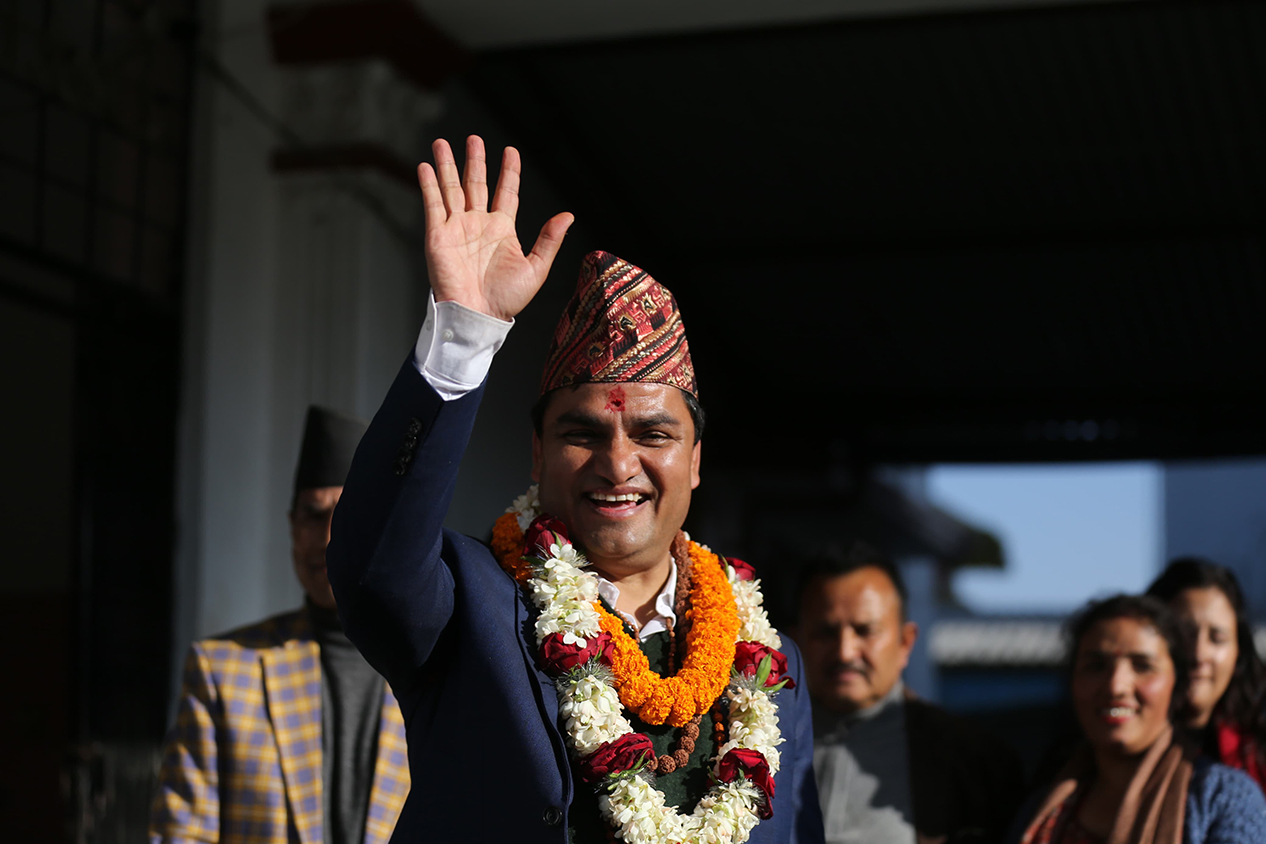
Pradeep Paudel, candidate of the Nepali Congress, after registering his nomination in Kathmandu-5. Photo: Nepal Photo Library.
Although the UML lost its earlier dominance in Bagmati in that election, it still won 18 constituencies there. Nationwide, the UML secured 175 seats—91 through direct elections and 84 through proportional representation. The Unified CPN (Maoist) won 26 seats through direct elections, including three in Bagmati, and became the third-largest party with a total of 80 seats after adding 54 proportional representation seats. Of the remaining two constituencies in Bagmati, the RPP won one, while the NWPP maintained its three-decade-long dominance in Bhaktapur-1.
The 2017 and 2022 elections
After the promulgation of the constitution, the House of Representatives election held in November–December 2017 saw strong support for the left alliance of the UML and the Maoist Center. Public opinion tilted toward the alliance due to their campaign for left unity and economic prosperity, as well as public resentment over India’s blockade following the promulgation of the constitution. The left alliance won nearly two-thirds of the seats nationwide, with Bagmati Province playing a crucial role. Of the 33 constituencies in Bagmati, the UML won 20 and the Maoist Center won seven, totaling 27 seats. The Nepali Congress won five seats, while the NWPP won one.
In that election, the UML won 121 seats in total—80 through direct elections and 41 through proportional representation. The Maoist Center secured 53 seats—36 direct and 17 proportional. Together, the two parties held 174 of the 275 seats in the House of Representatives. The Nepali Congress was reduced to third place, winning 63 seats (23 direct and 40 proportional).
Under proportional representation, the UML received 3,173,494 votes nationwide, of which Bagmati Province contributed 726,729 votes—36 percent of the proportional votes cast in the province.
Following the election, the UML and Maoist Center merged on 17 May 2018 to form the Nepal Communist Party (NCP). However, due to internal conflict between co-chairs KP Sharma Oli and Pushpa Kamal Dahal, the party split after two years, nine months, and 19 days.
On 18 August 2021, the UML split, with Madhav Kumar Nepal’s faction breaking away to form the CPN (Unified Socialist). In the 2022 House of Representatives and Provincial Assembly elections, the Nepali Congress, Maoist Center, and Unified Socialist formed an electoral alliance, while the UML entered into seat-sharing arrangements with the RPP and Madhes-based parties in some constituencies.
In Bagmati Province, out of the 33 constituencies under the direct election system, the Nepali Congress won the highest number—13 seats. Nationwide, the Nepali Congress emerged as the largest party with 89 seats (57 direct and 32 proportional). The UML won four seats in Bagmati and secured a total of 78 seats nationwide—44 direct and 34 proportional. The Maoist Center won 18 direct seats nationwide, including five in Bagmati, and added 14 proportional seats to secure a total of 32 seats, making it the third-largest party.
The fourth-largest force in Parliament emerged as the newly formed Rastriya Swatantra Party (RSP). Entering the election just four months after its formation, the party unexpectedly garnered significant public support. All seven constituencies it won through direct elections were in Bagmati Province. With seven direct seats and 13 proportional seats, the party secured a total of 20 seats. The RSP’s success in Bagmati provided the foundation for its establishment as a national political force.
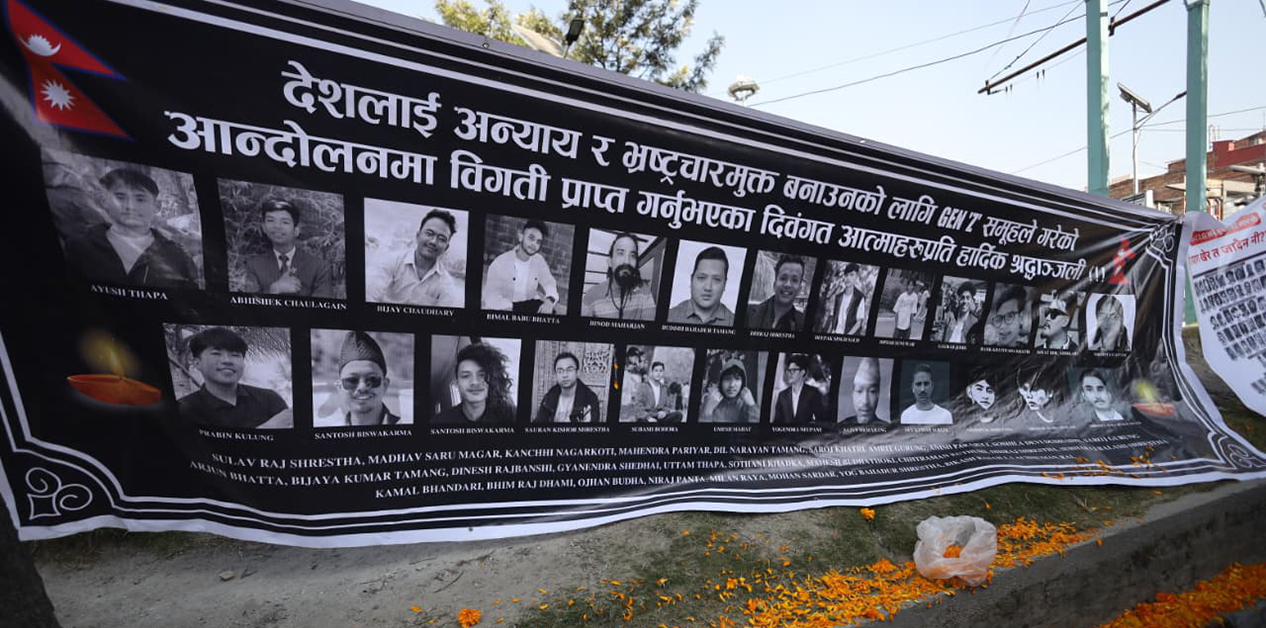
Political sociologist Gurung says that because Kathmandu is the center of national politics, events and decisions made here influence the entire country and help shape political image and legitimacy, making this a matter of prestige for political parties. “If the Gen-Z movement that took place last September had occurred in Surkhet instead of Kathmandu, its impact would not have been what we see today,” Gurung says. “Those who establish influence in Kathmandu also determine the direction of national politics, which is why the Bagmati Province holds exceptional importance in electoral arithmetic.”