Kathmandu
Friday, January 23, 2026





Systemic delays leave patients without treatment for up to 10 months after symptoms emerge
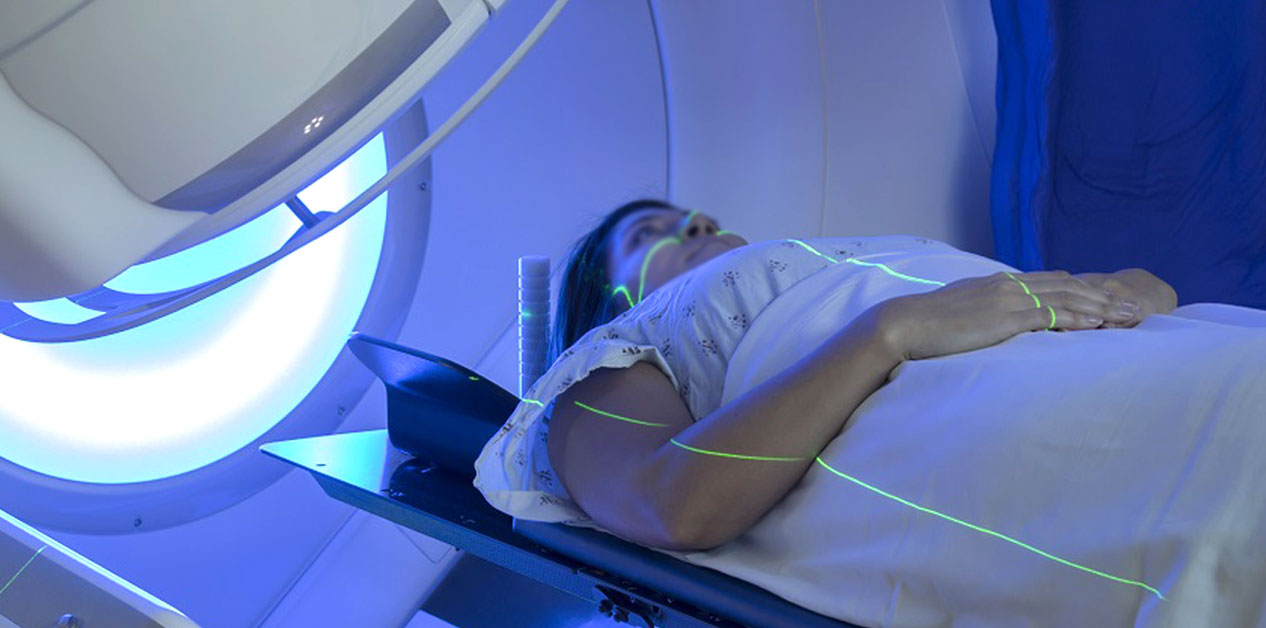
KATHMANDU: A 58-year-old woman, residing in Naya Bazaar, Sorakhutte, Kathmandu, had been experiencing headaches and dizziness for nearly a year. She initially dismissed the symptoms as minor. However, six months ago, as her condition deteriorated, she sought medical attention at a hospital. The diagnosis was shocking: she had a cancerous brain tumor that was already in the fourth stage.
For the past six months, she has been commuting between Bir Hospital and Civil Hospital. Her radiation therapy has been underway at Civil for three months.
Since the onset of the disease, her treatment has already cost around Rs 700,000. Since the cancer is in its final stage, the possibility of recovery is extremely low. However, she is making every possible effort to prolong her life.
“If I had come to the hospital on time, I might have been cured, they say,” the woman said. “If I had found out sooner, I could have saved both money and my life.”
The plight of a 42-year-old woman from Namobuddha Municipality of Kavre is similar. Her health deteriorated five years ago. However, she ignored it. After three or four months, when her condition became more complicated, she went to Dhulikhel Hospital.
The hospital referred her to Tribhuvan University Teaching Hospital in Maharajgunj. Only after arriving there did she come to know she had intestinal cancer. She is currently visiting Civil Hospital to shrink the cancer tumor. Over five years, she has already spent Rs 2.2 million solely on treatment.
These two cases are merely examples; most people in Nepal receive a very late cancer diagnosis due to a combination of factors, including personal negligence, systemic healthcare delays, and financial hardship.
Alarming systemic delays
According to a study published in the BMJ journal on November 10 by a team led by scientist Dr. Dipendra Singh of the International Agency for Research on Cancer (IARC), which operates under the World Health Organization (WHO), patients often remain confused about where to seek treatment for up to one month after the initial symptoms appear.
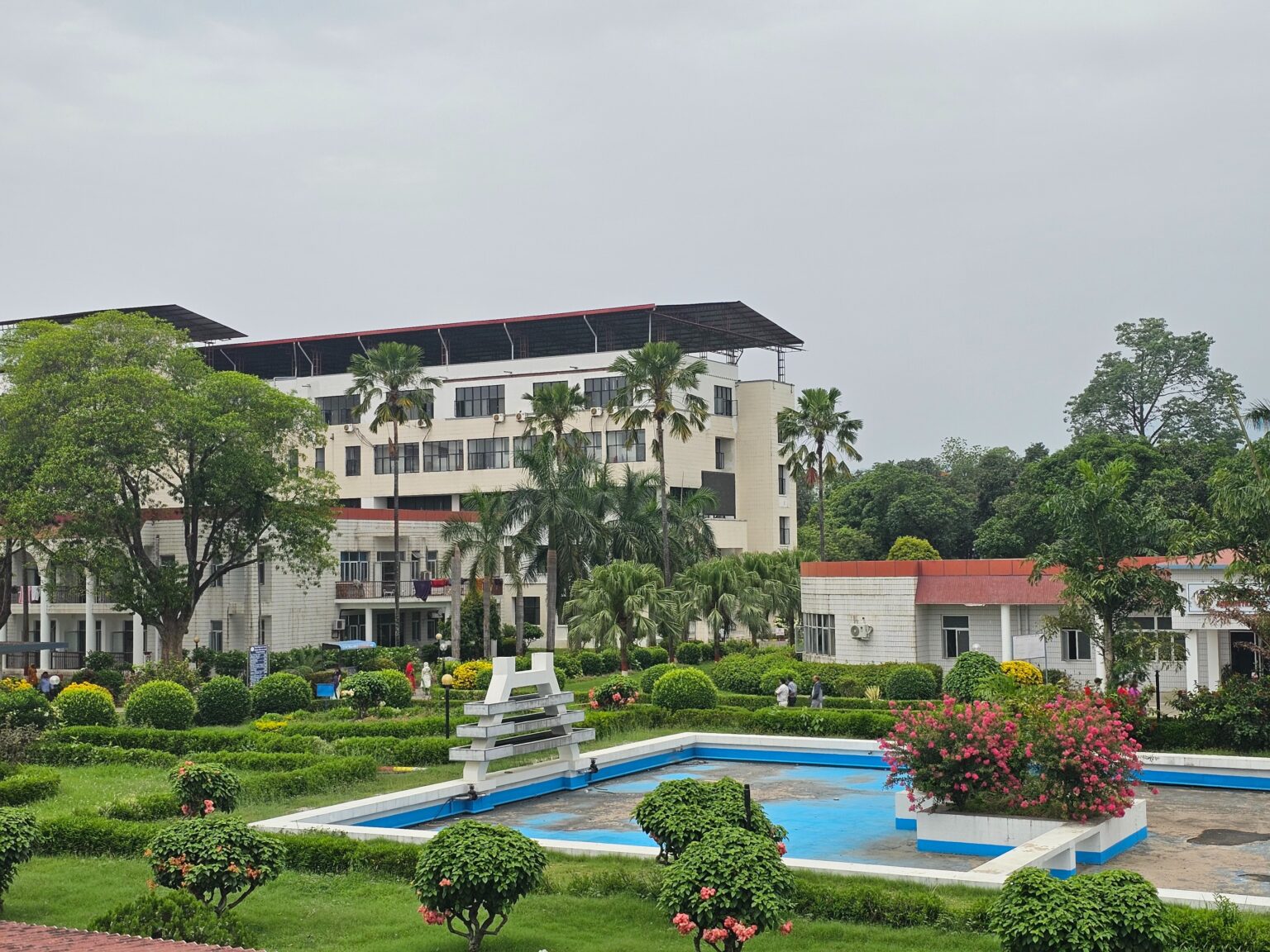
The study, conducted at BP Koirala Memorial Cancer Hospital, noted that even after reaching a health institution with symptoms, it takes an average of 48 days to confirm a cancer diagnosis. Such delays caused by procedural hassles, lack of resources, waiting for reports, and shortage of specialists, rather than individual actions, are called systemic delays. The study mentioned that from the appearance of symptoms to the confirmation of cancer and the start of treatment, patients, on average, have to wait for more than four months.
As per the study, 25 percent of patients had to wait an average of more than six months to start treatment. The study called a six-month wait for cancer treatment an alarming fact.
According to the study, some patients with large intestinal cancer could not even start treatment for up to 10 months after symptoms appeared. By this stage, the cancer severely complicates the patient’s health. Physicians state that starting treatment after 10 months is tantamount to not receiving treatment at all.
It was also found that 50 percent of the patients participating in the study had to wait one month to meet a health professional for the first time.
Dr. Subhash Pandit, a cancer specialist at Civil Hospital, says that due to low cancer awareness among the general public, they are the first to be late in coming to the hospital for treatment.
Furthermore, Pandit says that the lack of equipment, manpower, and labs to detect cancer in Nepali hospitals has further complicated the problem.
“It takes time to detect lung, intestinal, and stomach cancer,” Pandit says. “Many patients arrive in the third and fourth stages, where the possibility of recovery is low.”
Negligence delays disease identification
The study found that individuals over 70 years old are 1.63 percent more likely to be diagnosed with cancer late, or at an advanced stage, compared to those under 50 years. The report suggests that older people are more likely to ignore cancer symptoms, attributing them to age, which leads to late diagnosis.
Similarly, people from the Dalit community were found to be 1.80 times more at risk of late diagnosis compared to Brahmin/Chhetri communities, which reflects ethnic inequality in access to healthcare.
The study also found that men have a higher risk of cancer compared to women. However, the study did not detail the reasons why men are at risk. This could be due to various reasons, including negligence towards health, smoking, and alcohol consumption. On the other hand, men were found to be diagnosed with cancer 3.13 times later than women.
According to the study, when many patients reach the hospital late, treatment options are limited. Additionally, even if they receive treatment, the probability of success is very low.
Cancer can be prevented
According to cancer specialist Dr. Pandit, if cancer is detected in the early stages, it can be prevented and treated.
Generally, the cure rate is 90 percent if detected in the first stage, 70 percent in the second stage, 50 percent in the third stage, and five percent if detected in the fourth stage. However, he says the risk has increased as most patients in Nepal arrive at the hospital in the third and fourth stages. He adds that systemic delays and financial hardship further increase the risk.
The study recommends prioritizing increased public awareness, coordination with primary healthcare services, expansion of testing capacity, streamlined treatment procedures, and regular data monitoring for cancer prevention and risk reduction.
Meanwhile, Nisha Joshi, Senior Public Health Officer at the Family Welfare Division, says that the government is providing capacity-building training to health workers on non-communicable diseases in all 77 districts to identify and prevent cancer in the early stages.
Furthermore, the government has arranged for medical treatment of up to Rs 100,000 for cancer patients through the Indigent Citizens’ Drug Treatment Fund. Joshi states that the provincial governments also provide additional treatment assistance of up to Rs 100,000.
According to the Family Welfare Division, the government is also preparing to include the HPV vaccine program, which targets girls aged 9 to 14 years for the prevention of cervical cancer, in the national immunization program. It has also issued a guideline to systematize screening and prevention activities.