Kathmandu
Thursday, February 5, 2026





The reputation and experience Nepal has gained in eye treatment are exemplary for other countries as well
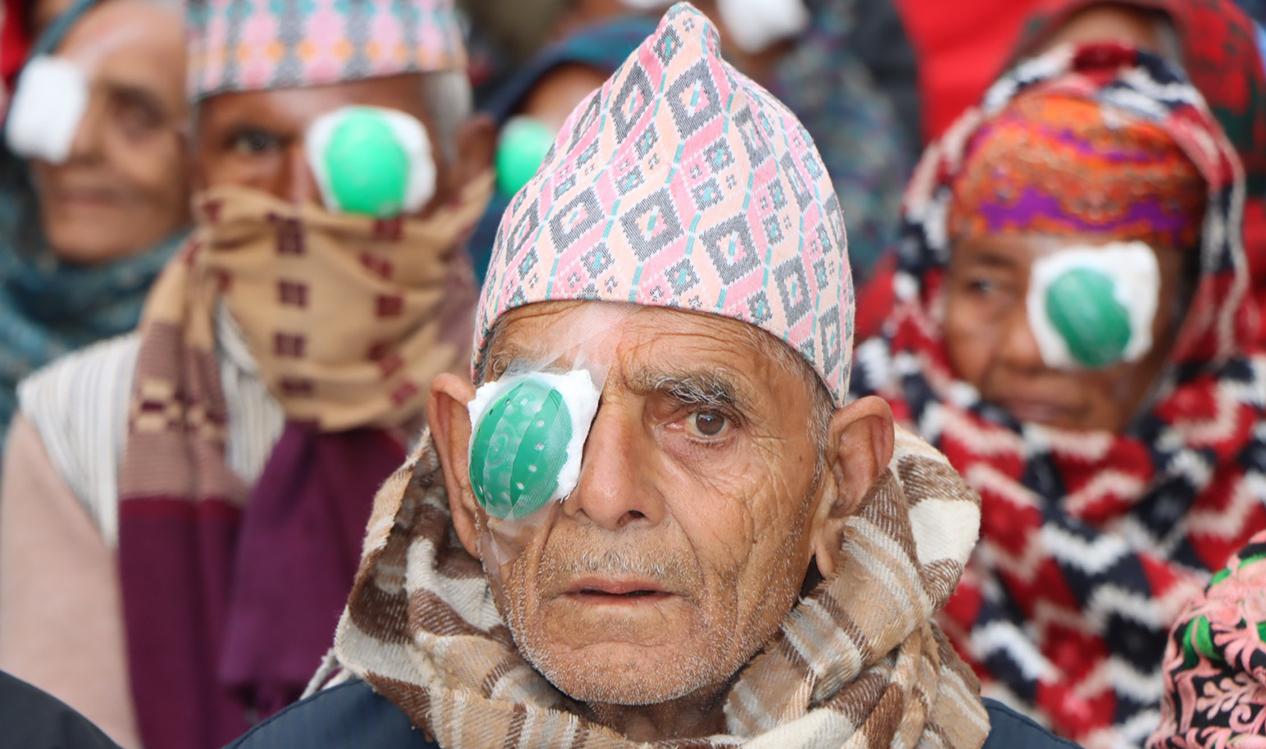
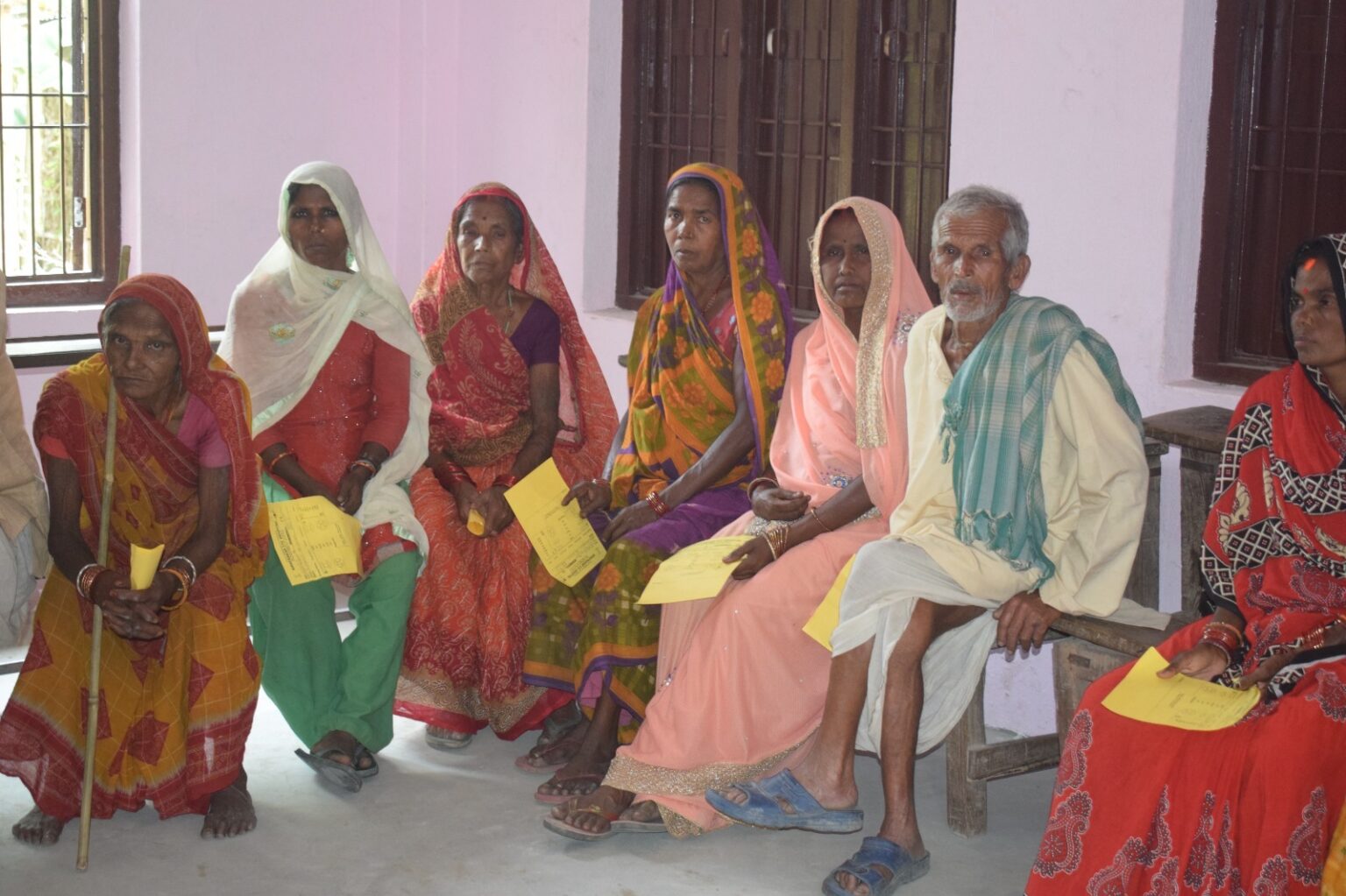
KATHMANDU: Women and men holding registration slips are standing in long queues. Some are sitting on the ground to rest, while others are eating the food they brought with them, sitting right there. At first glance, the scene looks like a small marketplace. This sight was observed on 30 January 2026 at Biratnagar Eye Hospital. Most of the people standing in line had come from India for eye treatment.
Operated by the Nepal Netra Jyoti Sangh (NNJS), this hospital is among those treating the highest number of eye patients in Nepal. Established in 2006, the hospital alone treated 700,000 eye patients in 2025. Out of these, 70,000 underwent surgical procedures.
Treating 700,000 patients in a single year is no ordinary achievement. According to hospital statistics, 54 percent of OPD patients are Nepali, while the remaining 46 percent come from India, Bangladesh, and Bhutan. Hospital Manager Kumar Prithu says, “Among the foreign patients who come here, five percent are Bangladeshi and one percent are Bhutanese. The rest come from various states of India.”
Under Biratnagar Eye Hospital, 22 eye care centers are operating in different parts of Koshi Province. Hospitals capable of performing eye surgeries are being run in Itahari of Sunsari and Fikkal of Ilam. The hospital also conducts eye camps and awareness programs by reaching villages. Surgical camps are organized for patients who are unable to come to the hospital.
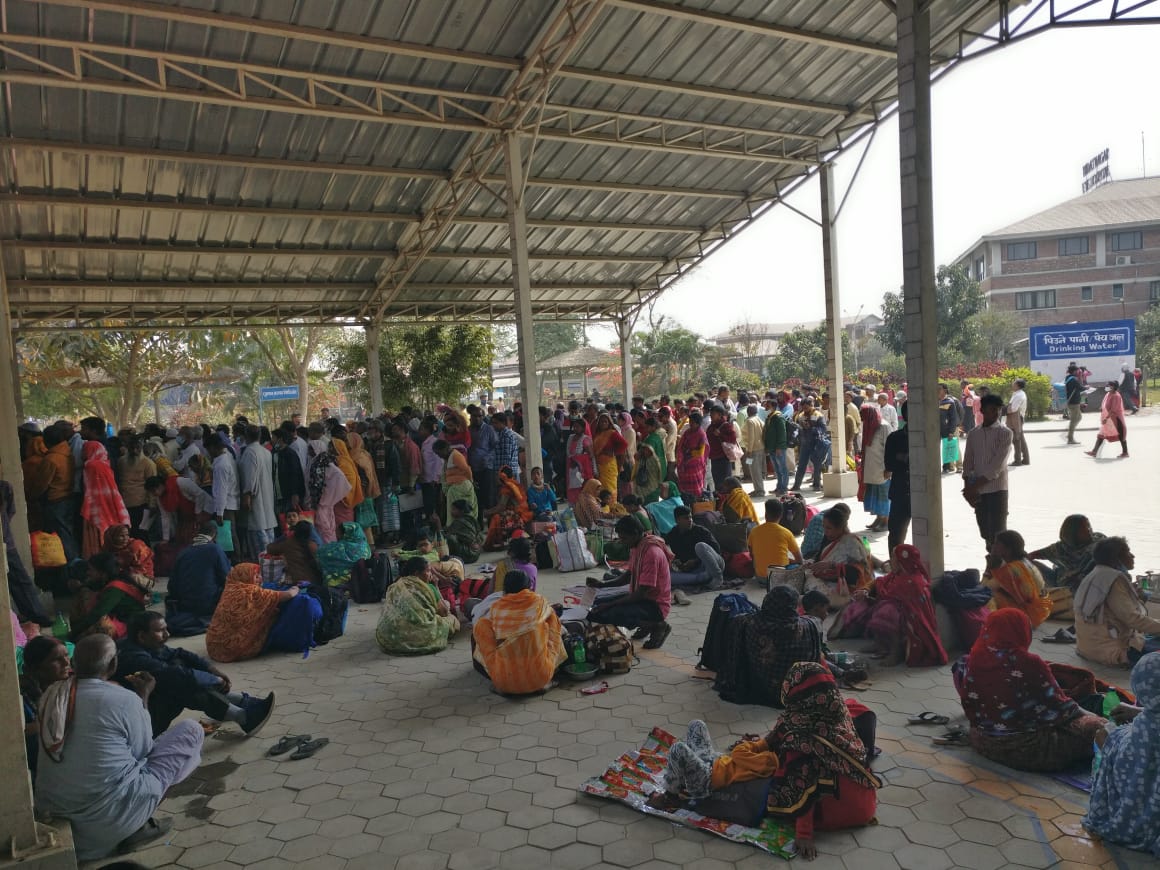
Service recipients standing in line for treatment at Biratnagar Eye Hospital Photo: Rasmita Bhattarai
The NNJS provides eye care services across the country through 28 eye hospitals, 224 eye care centers, and branch offices in 45 districts. From 2019 to 2024, the number of foreign patients coming to Nepal for treatment has increased every year. In 2024 alone, a total of 3,294,430 people received treatment at NNJS-affiliated hospitals. Among them, 907,071 were foreign patients.
The number of foreigners undergoing eye surgery is higher than that of Nepalis. Last year, 259,890 people underwent eye surgery, of which 162,845 were foreigners and 97,045 were Nepali. “Data from the past five years show that every year, the number of foreigners undergoing surgery is higher than that of Nepalis,” says Prithu.
The reason Nepal has achieved such a level of success in eye care is more due to community contribution than government involvement. It is because of community support that Nepal has been able to establish an outstanding record in eye care. In fact, government investment in eye care is relatively low. Financial support from international non-governmental organizations such as the World Health Organization, along with community donations and cooperation, has made Nepal a reliable destination for eye treatment. NNJS Communication Officer Krishna Bhattarai says, “Eighty percent of investment in the country’s eye care sector comes from the community and non-governmental organizations. About one percent comes from the government, and the rest from the private sector. Community investment has made Nepal a trustworthy destination for eye care.”
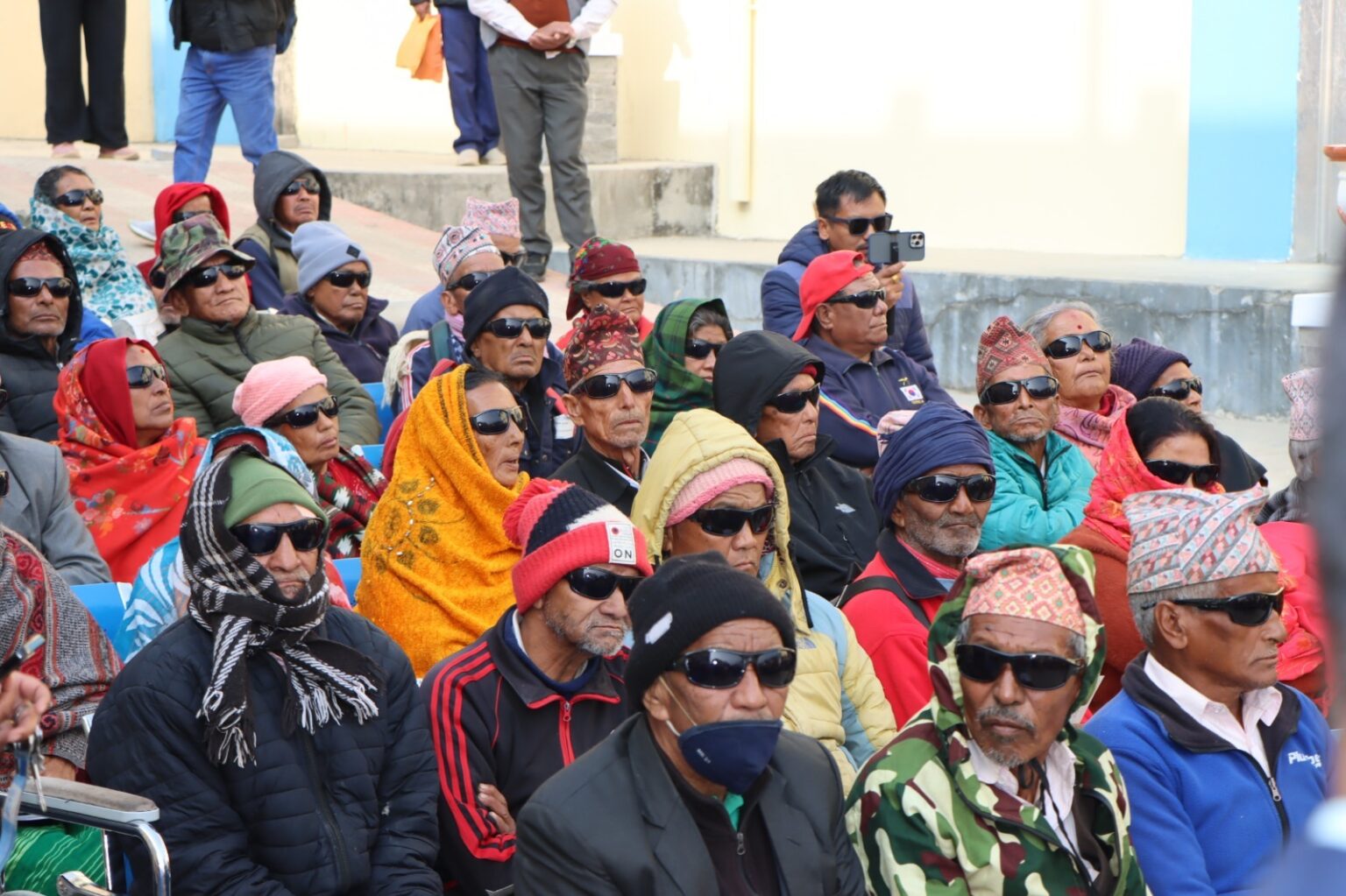
Participants in an eye camp conducted by the Nepal Netra Jyoti Sangh Photo: Krishna Bhattarai
The largest network in eye care in Nepal belongs to the NNJS. Started in 1992 with donor support, Tilganga Eye Hospital operates eye hospitals in Gaushala, Bhaktapur, and Hetauda. Similarly, eye hospitals are also run with the support of the Red Cross. Government hospitals also provide eye treatment services.
Along with eye treatment, Tilganga has earned a reputation for lens production. Producing lenses since 1995, Tilganga currently exports lenses to more than 40 countries around the world. It produces around 450,000 lenses annually, with prices ranging from Rs 300 to Rs 4,000 per lens. Of the total production, 60 percent is exported abroad and 40 percent is used within Nepal. According to Tilganga’s data, lenses made by Dr Sanduk Ruit’s team have been implanted in the eyes of more than 6.5 million people worldwide.
Participants in an eye camp conducted by the Nepal Netra Jyoti Sangh Photo: Krishna Bhattarai
According to Dr Prakash Budhathoki, spokesperson for the Ministry of Health and Population, public–private partnership has made Nepal one of the leading countries in eye care in South Asia. Budhathoki says, “Both lenses made in Nepal and eye treatment services are affordable and of high quality, which is why other countries are also learning from Nepal’s practices in eye care.”
Skilled human resources, quality treatment
The production of skilled human resources has also contributed to Nepal becoming self-reliant in eye care. Special focus has been given to producing skilled manpower and providing quality treatment within the NNJS itself. This has attracted not only Nepali patients but also citizens from India, Bangladesh, and Bhutan.
Before 1978, eye disease treatment was available only at Bir Hospital. At that time, patients had to wait up to a year for eye surgery. Until 1980, Nepal had only seven eye specialist doctors. They were working in Kathmandu and the eastern and central regions. There was no eye care service available west of Pokhara. Nepalis facing eye problems were forced to travel to Sitapur, India, for treatment.
However, the situation began to change after the NNJS wrote letters requesting training support from institutions in India and other countries. With financial assistance from the World Health Organization, 10 doctors completed MD degrees in ophthalmology from the All India Institute of Medical Sciences (AIIMS) and returned to Nepal. One of the members of that group was Dr Sanduk Ruit. After returning to Nepal, Tilganga Eye Hospital was established under his active leadership. He initiated Tilganga by securing land from the Pashupati Area Development Trust and support from foreign donors.
With the support of the Swiss Red Cross, three more doctors completed MD degrees in ophthalmology from Chandigarh, India, while five others completed postgraduate studies from Kasturba Medical College, Manipal. This further increased the number of skilled eye care professionals. Similarly, from 1981, the NNJS began producing assistant-level eye care manpower in affiliation with CTEVT. As these trained professionals started working in districts, eye care services became more accessible across the country.
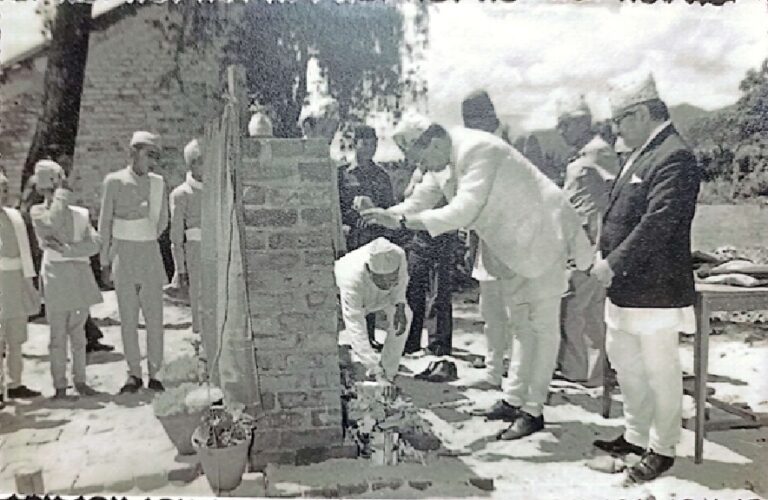
The foundation stone–laying ceremony of Nepal’s first eye hospital, Nepal Eye Hospital, in 2030 B.S., by the then Prime Minister Kirti Nidhi Bista
Because attention has been given from the very beginning to producing skilled human resources for eye care, the country does not face a major shortage of the doctors and technicians it needs. At present, Nepal requires 610 ophthalmologists. Of these, 443 have already been produced. The country still needs an additional 186 specialists. Although there is a slight shortage of specialists, there is no problem in eye care services because other human resources are sufficient, says Dr Sailesh Kumar Mishra, executive director of the NNJS.
According to the NNJS’s data, the total number of eye care physicians in the country is currently around 1,400, which is 790 more than the requirement based on population and World Health Organization standards. Similarly, the number of assistant-level eye care personnel stands at 2,400. This number also exceeds the WHO standard by 1,180. “Nepal has become the leading destination for eye care in South Asia. This is why patients from abroad also come here for treatment,” Mishra says. “Since patients admitted for surgery can return home the very next day, Nepal becomes their preferred choice.”
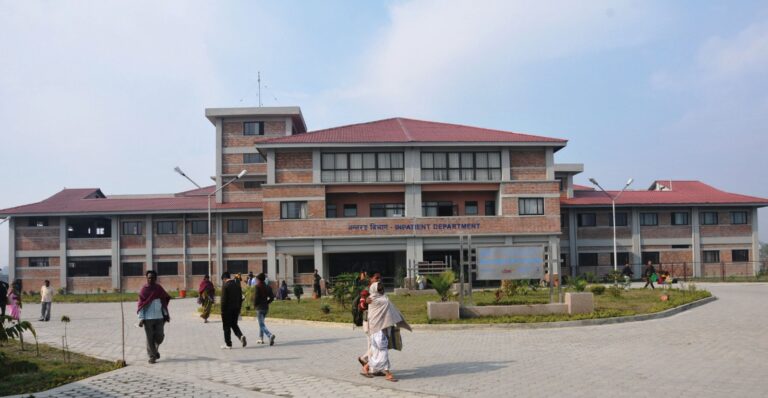
Biratnagar Eye Hospital
Eye treatment in Nepal is also not particularly expensive. Because eye care is affordable, foreigners are increasingly attracted to Nepal. At eye hospitals operated by the NNJS, the average bed charge is Rs 200, while surgery fees range from Rs 5,000 to Rs 15,000. These costs themselves motivate foreigners to come to Nepal. For example, last year alone, the NNJS earned Rs 1.5 billion solely from foreign nationals visiting its affiliated hospitals. This figure does not include income from Tilganga, Red Cross, and other private eye hospitals.
Kumar Prithu, manager of Biratnagar Eye Hospital, says that foreign patients who come to Nepal for treatment spend money not only at hospitals but also on other services, thereby contributing to the national economy. He explains, “Many Indians come to Nepal with their entire families because treatment here is cheaper than in India. When families come together, they also travel around. This directly supports tourism as well.”
As Nepal has made progress in eye care, in recent years the federal as well as provincial and local governments have also begun allocating budgets for eye treatment.
According to Dr Sailesh Mishra, executive director of the NNJS, in the current fiscal year alone, all three levels of government together have provided nearly Rs 270 million in grants for eye care.
From struggle to success
Nepal did not achieve success in eye care overnight. Among all contributors to the country’s remarkable achievements in this field, the greatest contribution belongs to Dr Ram Prasad Pokharel. It was due to his struggle in 1974 that Nepal’s first eye hospital was established.
In March 1978, the World Health Organization organized a program in New Delhi, India, on the subject of curable blindness. Dr Pokharel participated in that program from Nepal. There, he presented a working paper describing his ongoing struggle against blindness in Nepal.
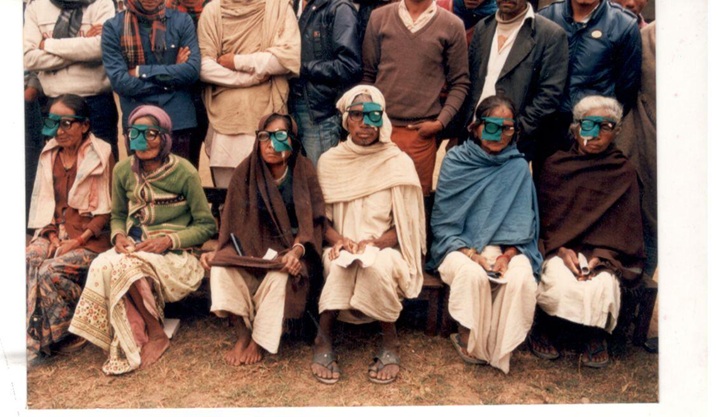
Happiness after cataract surgery
His paper deeply impressed all the participants. In his book “Tamasoma Jyotirgamaya”, Dr Pokharel writes about this experience: “After my presentation, several representatives expressed their willingness to help. Among those who extended a helping hand were Dr Nicole Grasset, Dr Thangavelu, and other members.”
At the time when Pokhrel presented his paper in New Delhi, Nepal did not even have a microscope for use in eye surgery. There was no clear understanding of what kinds of eye problems Nepalis were suffering from. There were not even any statistics available on the subject.
Faced with such a situation, it was through Dr Pokharel’s initiative that Nepal conducted its first national blindness survey in 1981 with investment from the Netherlands. Conducted with the collaboration of the World Health Organization, NNJS, the Ministry of Health, Sewa Foundation, and the Netherlands, the survey found that 0.84 percent of Nepalis were blind. It revealed that 1.7 percent of Nepalis had vision in only one eye, while 1.85 percent had low vision.
The survey also identified cataracts as the main challenge causing blindness in Nepal. The second major cause of blindness was trachoma, a disease affecting the cornea.
After the survey results were made public, a master plan for eye care services was prepared under Dr Pokharel’s leadership. The plan included seven key points, such as building self-reliant human resources within 20 years, appealing to communities for support, and raising awareness in rural areas. However, the government—already struggling to manage treatment for other diseases—lacked the capacity to implement this master plan. As a result, responsibility for its execution was given to the NNJS.
In 1978 itself, the NNJS was established by nine prominent individuals: Rabi Shumsher Rana, Dr Ram Prasad Pokharel, Mani Harsha Jyoti, Badri Bikram Thapa, Ananga Man Sherchan, Banwari Lal Mittal, Tola Ram Dugad, Raj Krishna Shrestha, and Kamal Mani Dixit. By appealing to foreign donors, the NNJS began collaborating with communities to establish eye hospitals in all 14 zones of the country.
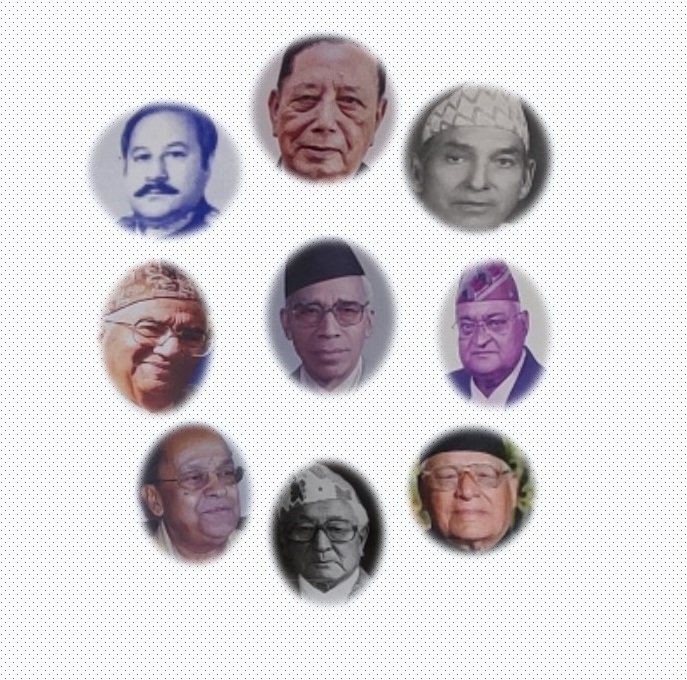
Founders of the Nepal Netra Jyoti Sangh: Rabi Shumsher Rana, Dr Ram Prasad Pokhrel, Mani Harsha Jyoti, Badri Bikram Thapa, Anang Man Sherchan, Banwari Lal Mittal, Tola Ram Dugad, Raj Krishna Shrestha, and Kamal Mani Dixit
Following the NNJS’s call, communities in many parts of the country donated land, while many others provided financial support. Local communities donated land for eye hospitals in Biratnagar, Lahan, Birgunj, Bhairahawa, and Nepalgunj, while the government itself provided land in Geta of Kailali, Dang, and Bharatpur. Dr Mishra, executive director of the NNJS, says, “The NNJS prioritized community participation in its work as early as 40 years ago. The World Health Organization introduced the concept of community participation in eye care only later. This is an excellent example proving that work done in partnership with the community leads to success.”