Kathmandu
Wednesday, January 7, 2026





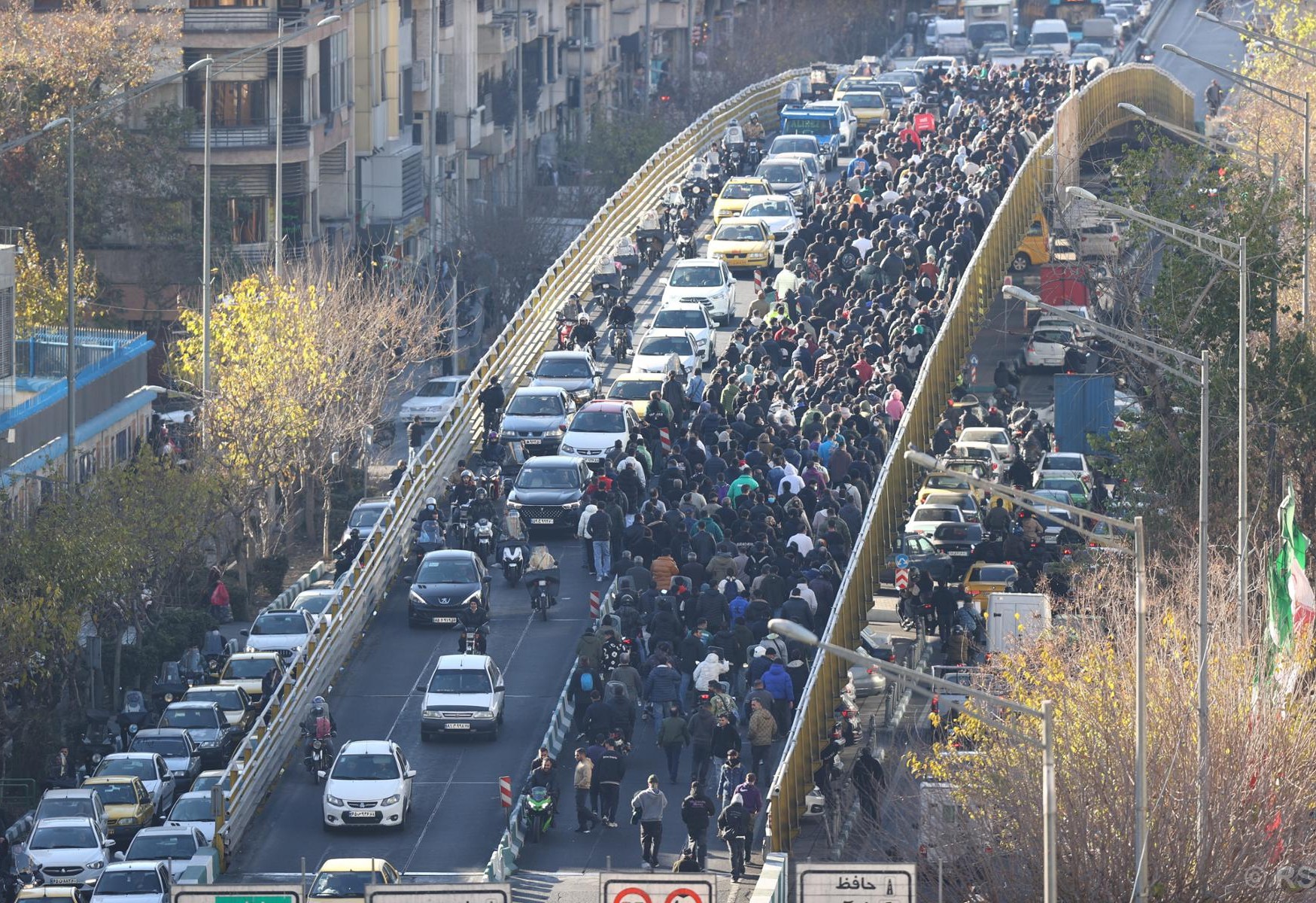
DUBAI: The death toll in violence surrounding protests in Iran has risen to at least 35 people, activists said Tuesday, as the country’s theocracy acknowledged the unrest in one western province where security forces reportedly raided a hospital.
The figure came from the U.S.-based Human Rights Activists News Agency, which said more than 1,200 people have been detained in the protests, which have been ongoing for more than a week.
It said 29 protesters, four children and two members of Iran’s security forces have been killed. Demonstrations have reached over 250 locations in 27 of Iran’s 31 provinces,
The group, which relies on an activist network inside of Iran for its reporting, has been accurate in past unrest.
The semiofficial Fars news agency, believed close to Iran’s paramilitary Revolutionary Guard, reported late Monday that some 250 police officers and 45 members of the Guard’s all-volunteer Basij force have been hurt in the demonstrations. However, Iran’s government has offered no overall statistics or information about the unrest.
– Iran promises Ilam investigation –
Late Monday, Iranian President Masoud Pezeshkian assigned the country’s interior ministry to form a special team for a “full-fledged investigation” of what had been happening in Ilam province. Malekshahi County in Iran’s Ilam province, some 515 kilometers (320 miles) southwest of Iran’s capital, Tehran, has seen protesters killed as online videos purported to show security forces firing on civilians.
The presidency also acknowledged an “incident in a hospital in the city of Ilam.” Online video showed security forces wearing riot gear raiding a hospital, where activists said they were seeking demonstrators.
The hospital assault drew criticism from the U.S. State Department, which in Iran’s Farsi language called the incident “a crime.”
“Storming the wards, beating medical staff and attacking the wounded with tear gas and ammunition is an clear crime against humanity,” a post on the social platform X read. “Hospitals are not battlefields.”
A report by Fars earlier alleged without offering evidence that demonstrators carried firearms and grenades. Firearms are more prevalent in western Iran, along the border with Iraq, but there’s been no clear evidence provided by the government to support allegations of demonstrators being armed. Ilam has hundreds of kilometers (miles) of border with Iraq.
Iran’s rural Ilam province is mainly home to the country’s Kurdish and Lur ethnic groups and faces severe economic hardship.
– Protester deaths a focus of Trump –
The growing death toll carries with it the chance of American intervention. U.S. President Donald Trump warned Iran on Friday that if Tehran “violently kills peaceful protesters,” the United States “will come to their rescue.”
While it remains unclear how and if Trump will intervene, his comments sparked an immediate, angry response, with officials within the theocracy threatening to target American troops in the Mideast. The comments took on new importance after the U.S. military on Saturday captured Venezuelan President Nicolás Maduro, a longtime ally of Tehran.
The protests have become the biggest in Iran since 2022, when the death of 22-year-old Mahsa Amini in police custody triggered nationwide demonstrations. However, the protests have yet to be as widespread and intense as those surrounding the death of Amini, who was detained over not wearing her hijab, or headscarf, to the liking of authorities.
Iran has faced rounds of nationwide protests in recent years. As sanctions tightened and Iran struggled after a 12-day war with Israel, its rial currency collapsed in December, reaching 1.4 million to $1. Protests began soon after, with demonstrators chanting against Iran’s theocracy.
On Tuesday, $1 traded at 1.46 million rials.
Understanding the scale of this latest round of protests has been difficult. Iranian state media has provided little information about the demonstrations. Online videos offer only brief, shaky glimpses of people in the streets or the sound of gunfire. Journalists in Iran also face limits on reporting in general such as requiring permission to travel around the country, as well as the threat of harassment or arrest by authorities.
But the protests do not appear to be stopping, even after Supreme Leader Ayatollah Ali Khamenei on Saturday said “rioters must be put in their place.”