Kathmandu
Friday, January 9, 2026





WASHINGTON: Just a day after US President Donald Trump announced Washington’s withdrawal from 66 international organisations, treaties and alliances, the US Treasury Department on Thursday formally announced the country’s immediate withdrawal from the Green Climate Fund (GCF).
According to the Treasury Department statement, the decision aligns with the Trump Administration’s earlier commitment to withdraw from the UN Framework Convention on Climate Change (UNFCCC).
The US Treasury further noted that the United States has also stepped down from its seat on the GCF Board, effective immediately.
“In alignment with the Trump Administration’s decision to withdraw from the UN Framework Convention on Climate Change (UNFCCC), the U.S. Department of the Treasury has notified the Green Climate Fund (GCF) that the United States is withdrawing from the Fund and stepping down from its seat on the GCF Board, effective immediately,” the statement read.
US Treasury Secretary Scott Bessent also said that the goals set by the GCF were “contrary” to Washington and that it would no longer fund “radical organizations.”
“Our nation will no longer fund radical organizations like the GCF whose goals run contrary to the fact that affordable, reliable energy is fundamental to economic growth and poverty reduction,” Bessent said.
The decision, according to the US Treasury Department, reflects the Trump Administration’s commitment to advancing all affordable and reliable energy sources, which it views as essential for economic development and poverty alleviation.
The Green Climate Fund (GCF) is the world’s largest climate fund dedicated to supporting developing countries. It mobilises and channels large-scale financing, strengthens institutional capacities, supports transformative climate action, and brings together global partnerships to deliver meaningful and lasting impact.
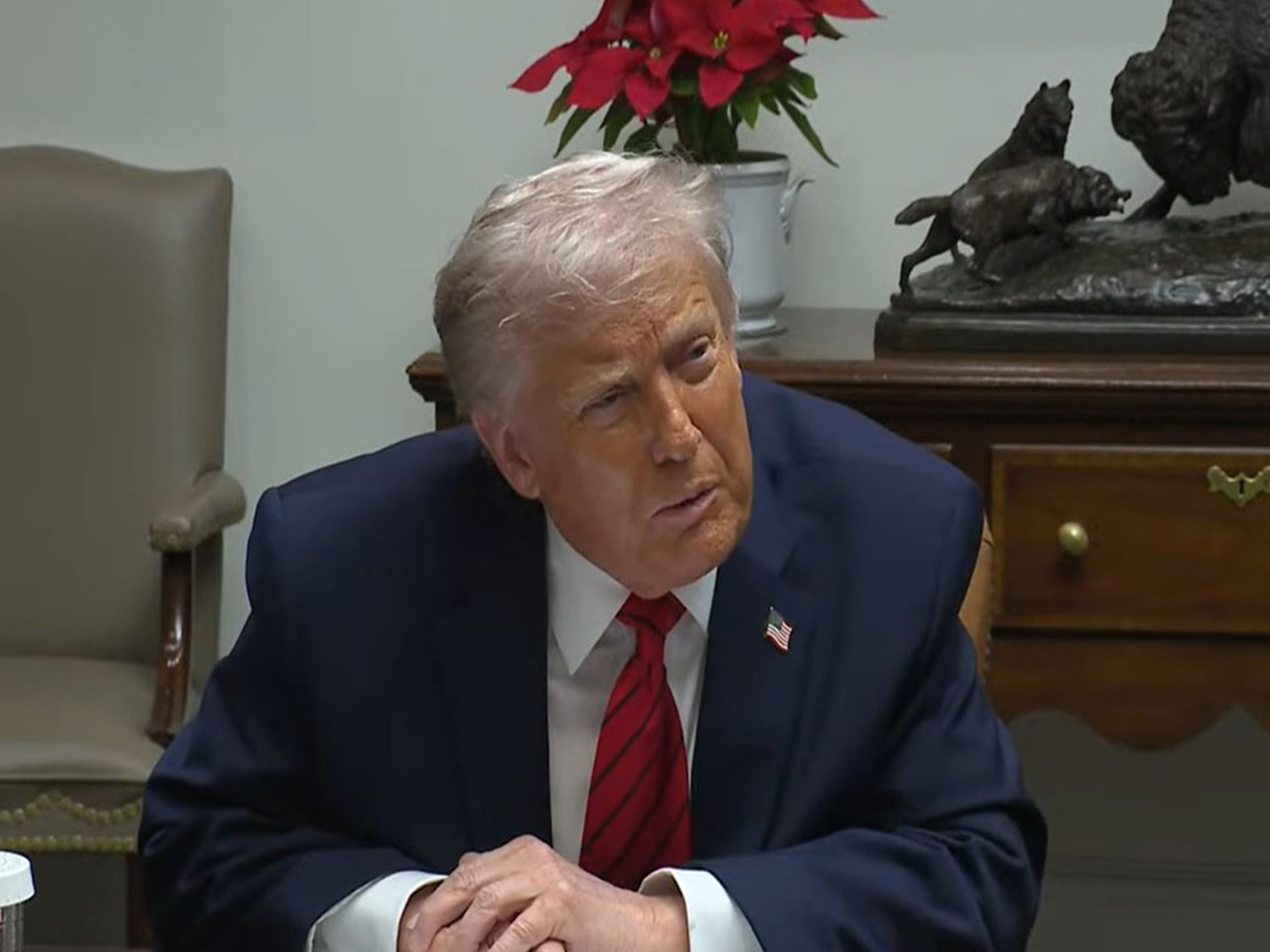
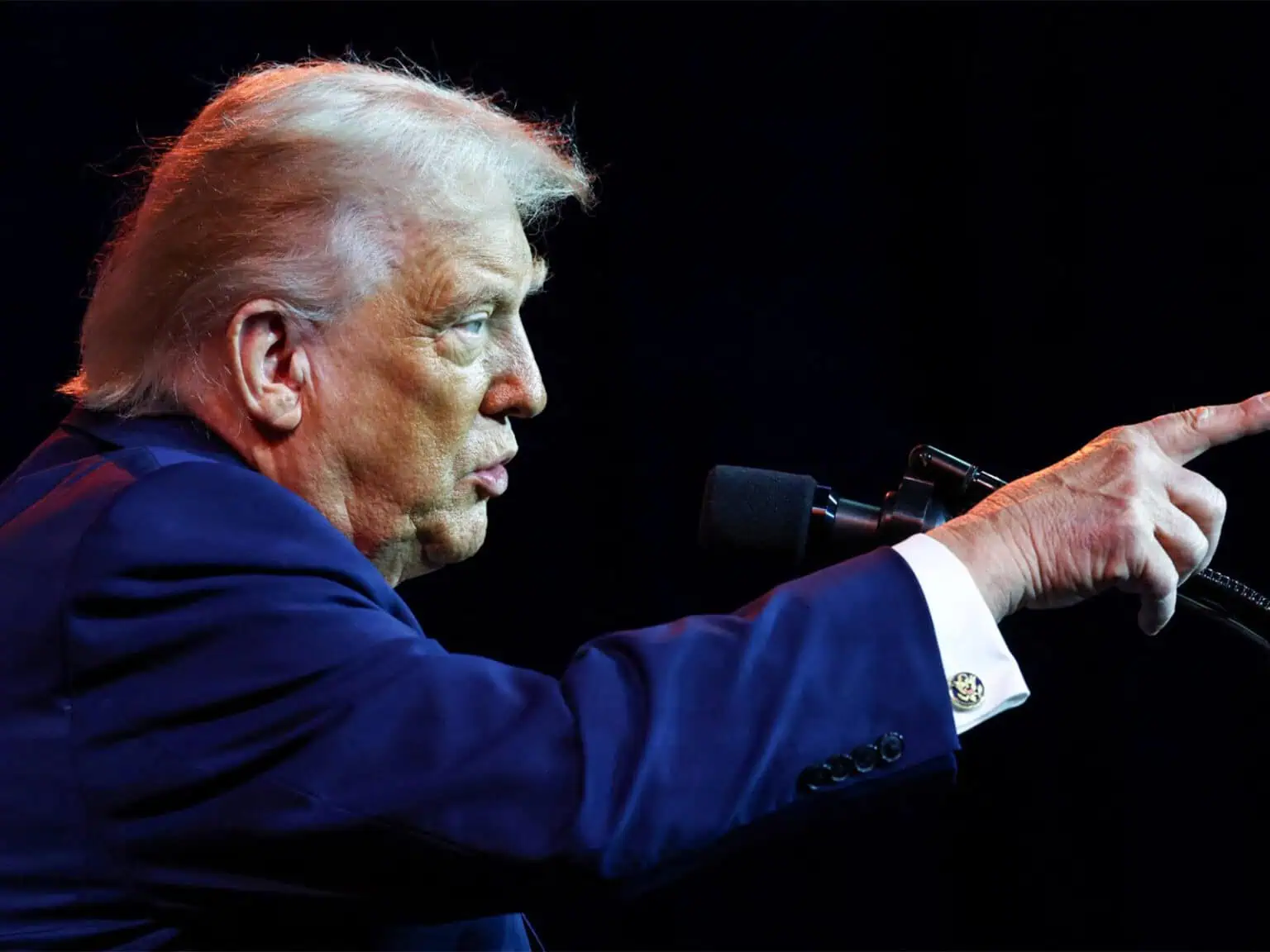
This decision by the US Treasury Department comes a day after US President Donald Trump signed a Presidential Memorandum on Wednesday directing the withdrawal from 66 international organisations, conventions and treaties that his administration has determined to be “contrary to the interests of the United States”.
The memorandum stated that the decision follows a comprehensive review ordered under Executive Order 14199, issued on February 4, 2025, which mandated an assessment of all international intergovernmental organisations, conventions and treaties involving US membership, funding or support.
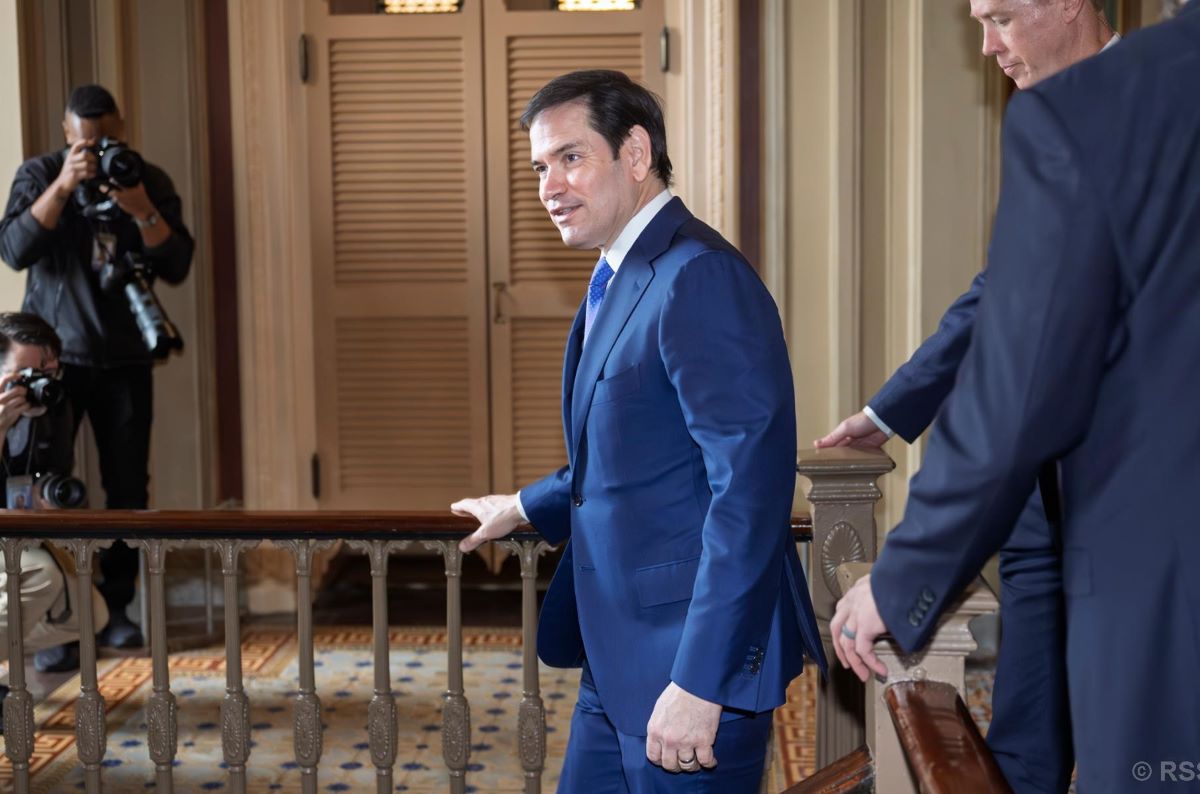
According to the memorandum, US Secretary of State Marco Rubio, in consultation with the United States Representative to the United Nations, submitted a report identifying organisations and agreements “found to be inconsistent with US interests”.
After reviewing the findings and consulting Cabinet members, the President concluded that continued participation in certain bodies, both within the United Nations and in non-UN bodies, was no longer in the country’s interest.
According to the White House, the 66 organisations consist of 35 non-United Nations organisations and 31 United Nations entities.
The list also consists of India-France-led International Solar Alliance (ISA), lauched in order to bring countries together to address climate change by promoting and deploying solar energy solutions.
According to the ISA website, the idea was conceived on the sidelines of the COP21 climate conference in Paris in 2015. After an amendment to its Framework Agreement in 2020, membership was opened to all United Nations member states. The Alliance aims to mobilise USD 1 trillion in solar investments by 2030 while lowering the costs of solar technologies and financing.
Following this development, the Indian government has noted reports that the US has decided to withdraw from 66 international organisations, including the ISA, sources said, adding that the Alliance remains focused on its objective of supporting its member countries in scaling up solar energy in line with their needs.
Sources said the Solar Alliance comprises 125 member and signatory countries and will continue to work in line with its members’ needs to achieve universal energy access.
Sources said the ISA will continue to prioritise cooperation with Least Developed Countries (LDCs) and Small Island Developing States (SIDS) in the development and deployment of solar energy solutions. Trump’s dismissals of organisations battling climate change have been evident since his inauguration.
In November, during his address at the United Nations General Assembly (UNGA), Trump launched a sharp critique of climate science, terming climate change the “greatest con job ever perpetrated on the world” and dismissing global efforts to tackle it as misguided.
While several world leaders, including UN Secretary-General Antonio Guterres and Brazilian President Luiz Inacio Lula da Silva, used their speeches to call for urgent climate action, Trump’s remarks took a markedly different tone.
Addressing the gathering, Trump described climate change as a “fake energy catastrophe” and criticised what he called a growing dependence on renewable energy sources.
He asserted that the concept of a carbon footprint was a hoax and accused unnamed groups of having “evil intentions” in pushing environmental agendas.
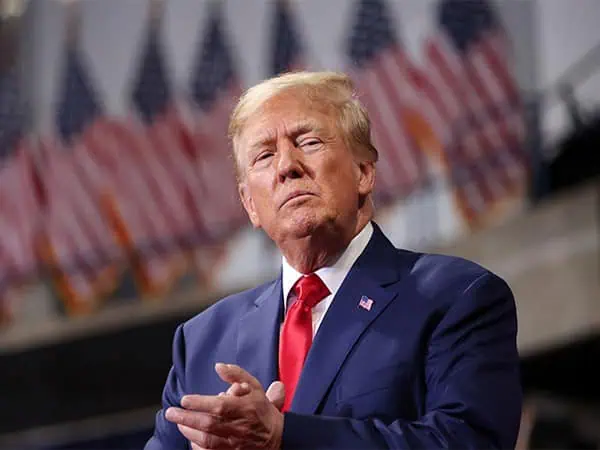
“The carbon footprint is a hoax, made up by people with evil intentions, and they’re heading down a path of total destruction,” Trump said, in a speech that lasted more than 45 minutes – almost three times the UN’s suggested 15-minute limit for world leaders.
Trump also launched a lengthy tirade against renewable energy, dismissing clean energy policies as wasteful and ineffective.
Besides calling climate change “the greatest con job ever perpetrated on the world”, Trump mocked renewables as a costly failure.
“If you don’t get away from this green scam, your country is going to fail,” Trump said, criticising European countries, including Germany, Greece, and Switzerland, for their investments in renewables.