Kathmandu
Tuesday, February 24, 2026





Weak investigations shrink CIAA’s success rate to mere 50 percent
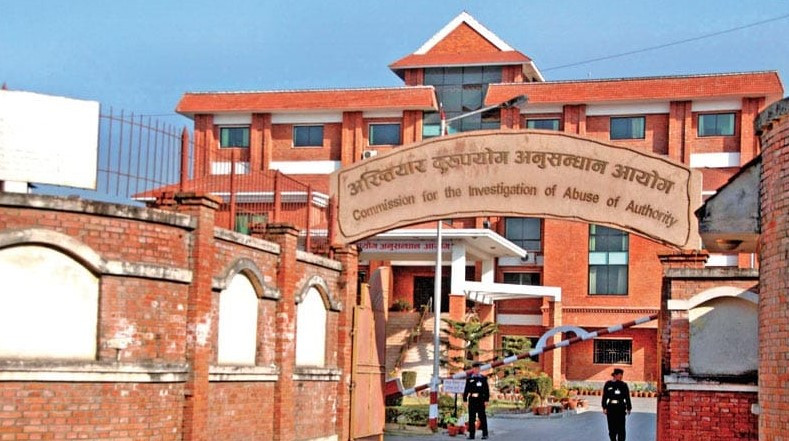
KATHMANDU: One corruption case registered by the Commission for the Investigation of Abuse of Authority (CIAA) was dismissed by the Special Court on December 29, 2025. The CIAA had filed the case against 10 people, including then Medical Superintendent Sanjay Kumar Thakur, alleging irregularities in the quality and cost of the Narayani Hospital building. The case, registered at the Special Court on May 4, 2025, resulted in acquittal for all defendants due to insufficient evidence.
This is a recent example of cases filed by the CIAA failing in the Special Court. It has become increasingly common for accused persons to be acquitted in cases hastily registered by the CIAA. In the much-discussed wide-body aircraft procurement scandal, where the CIAA claimed corruption worth Rs 1.47 billion involving 32 individuals, the authority achieved only partial success. The Special Court acquitted 22 out of 32 defendants. On December 5, 2024, only 10 individuals, including former Nepal Airlines Corporation board chairman Shankar Prasad Adhikari, were convicted, while former minister Jeevan Bahadur Shahi and nine others received a clean chit.
The CIAA was dissatisfied with this verdict and filed an appeal at the Supreme Court on December 2, 2025, stating that the decision had ignored evidence and was erroneous. The CIAA even cited the old saying “leniency for the powerful, law for the weak” regarding the acquittal of former minister Shahi, accusing the Special Court of treating evidence as secondary.
The appeal in the wide-body aircraft case is currently under consideration at the Supreme Court. However, the Special Court’s verdict highlights not only weak investigation and evidence by the CIAA, but also a fundamentally weak foundation of the case itself. The CIAA had claimed an unusually high amount of loss and named many defendants in the case.
These are not isolated incidents. The CIAA has failed to achieve a 100 percent success rate in corruption cases. For example, in the Lalita Niwas land grab case, where public land was registered in private names, the CIAA charged 175 individuals, including former Deputy Prime Minister Bijay Kumar Gachchhadar. Although the case was filed on February 5, 2020, the Special Court acquitted Gachchhadar and 20 others on February 15, 2024. Unsatisfied, the CIAA appealed to the Supreme Court on March 5, 2025. The case is still unresolved.
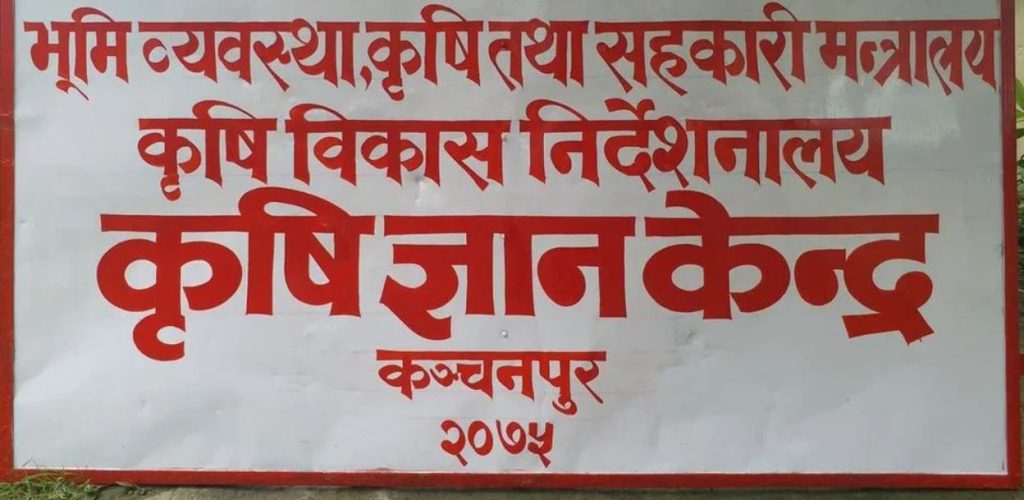
The CIAA has also appealed smaller cases involving losses in the hundreds of thousands of rupees, not only cases involving millions and billions of rupees. For instance, in a bribery case against agricultural officer Mohan Singh Dhami and others of Shailyashikhar Municipality, Darchula, involving Rs 912,000, the Special Court issued a partial acquittal on November 14, 2024. The CIAA appealed again on December 1, 2025. Similarly, in a case alleging that Dhaneśwar Prasai of the Department of Civil Personnel Records, Chhauni, had accepted Rs 300,000 in bribes for pension processing, the CIAA failed after the Special Court granted partial acquittal on July 16, 2025, prompting another appeal by the CIAA on December 24, 2025.
These examples clearly indicate weaknesses in the CIAA’s investigation, evidence collection, and overall case-filing process. Had strong evidence been presented, different verdicts might have been delivered in these cases. Due to weak investigations, many cases result in partial convictions or full acquittals of all the accused.
Nearly 50 percent of cases decided by the Special Court are appealed by the CIAA to the Supreme Court. Special Court verdicts often cite weak investigations, failure to substantiate allegations, and lack of evidence.
Former Nepal Bar Association president Chandeshwar Shrestha attributes this problem primarily to investigative weaknesses. “Weaknesses in investigation are the reasons behind the failure of the CIAA. Only those who are involved in corruption should be prosecuted,” he says, “Cases should be filed only against those clearly involved, based on solid facts and evidence, rather than implicating everyone associated.”
Nearly 50 percent of cases decided by the Special Court are appealed by the CIAA to the Supreme Court. Special Court verdicts often cite weak investigations, failure to substantiate allegations, and lack of evidence.
Another example is the electricity expansion irregularity case in Likhu Tamakoshi Rural Municipality, Ramechhap, involving Chairperson Govind Bahadur Khadka and 24 others. In the case registered at the Special Court on March 31, 2022, the court acquitted 21 of them, stating that suspicion—no matter how strong—cannot replace evidence, and that intent, collusion, and direct involvement were not proven. Corruption cases require clear and concrete evidence. “The government could not produce concrete and objective evidence,” the Special Court said in its verdict issued on March 25, 2024.
The CIAA is the main constitutional body for corruption control, yet last year it achieved only a 52 percent success rate (full and partial combined). Weak investigations and insufficient evidence are the main reasons cases fail or result in partial convictions.
Why do the cases filed by the CIAA become weak at the court? According to the CIAA’s own assessment, the removal of sting operation provisions reduced success rates. Previously, CIAA officials would conduct trap operations by providing bribe money themselves. However, the Supreme Court invalidated Rule 30 of the CIAA Regulations 2002 on April 21, 2021, ruling such practices illegal. Since then, the CIAA has stopped trap operations, making evidence collection harder. It has been claimed in the 35th annual report of the CIAA that evidence collection became difficult after the anti-corruption body was stopped from catching the accused red-handed through sting operations, leading to a lower success rate.
After the Supreme Court ruling, CIAA’s success rates declined: 38.51 percent in FY 2021/22, 33.43 percent the 2022/23, and 52 percent in FY 20824/25.
Former judge Prabha Basnet notes that Nepal’s prosecution process lacks strength and credibility. Weak evidence and the tendency to include many defendants undermine cases. Basnet who served as a judge at the Special Court for three years, found during her visit to Japan that the Japanese government succeeds in 98 percent of cases due to careful selection and strong evidence. “Cases should be filed on the basis of facts and evidence, not just on the basis of suspicion and complaints. There are also loopholes in the law,” she observes.
Evidence plays the central role in cases of corruption and irregularities. Cases involving fake certificates show higher success rates due to clear documentary evidence. Basnet also notes that naming many defendants increases chances of acquittal.
Also, the modus operandi of the CIAA is responsible for the constitutional anti-graft body getting only about 50 percent of success in the cases it files at the Special Court. With the development of the information technology, the style of corruption has changed but the CIAA struggles with modern corruption methods due to lack of skilled manpower, technology, and investigative tools. Transparency International Nepal Chair Madan Krishna Sharma says the system itself is weak, lacking trained investigators and modern technology. “The failure to have skilled and trained experts to conduct investigation is a weakness of the CIAA. It should focus on technology, skilled human resource and legal improvement,” notes Sharma.
Another challenge is cross-border information exchange, as corruption increasingly involves foreign jurisdictions. “As the circle of corruption expands beyond borders, we face difficulties in receiving cooperation from the concerned foreign countries,” claims the CIAA.
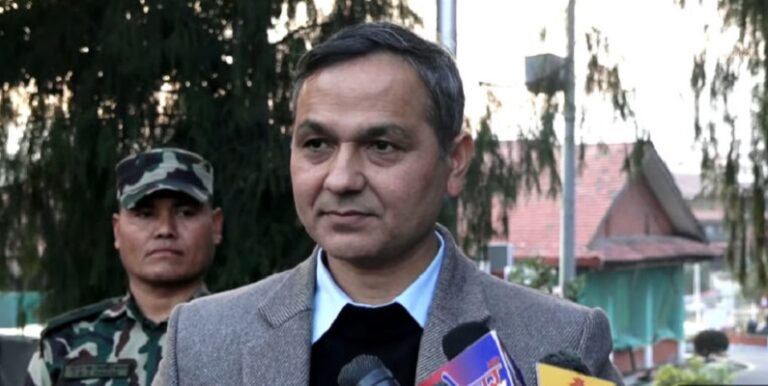
In the past 10 years, 2,350 CIAA cases have been decided by the Special Court, with 1,061 appealed to the Supreme Court—indicating around 50 percent resulted in acquittal or partial acquittal. There is no data on success rates at the Supreme Court level. Join Spokesperson of the CIAA, Ganesh Bahadur Adhikari says the CIAA does not have data on the success rates of the cases appealed at the Supreme Court.
Evidence plays the central role in cases of corruption and irregularities. Cases involving fake certificates show higher success rates due to clear documentary evidence.
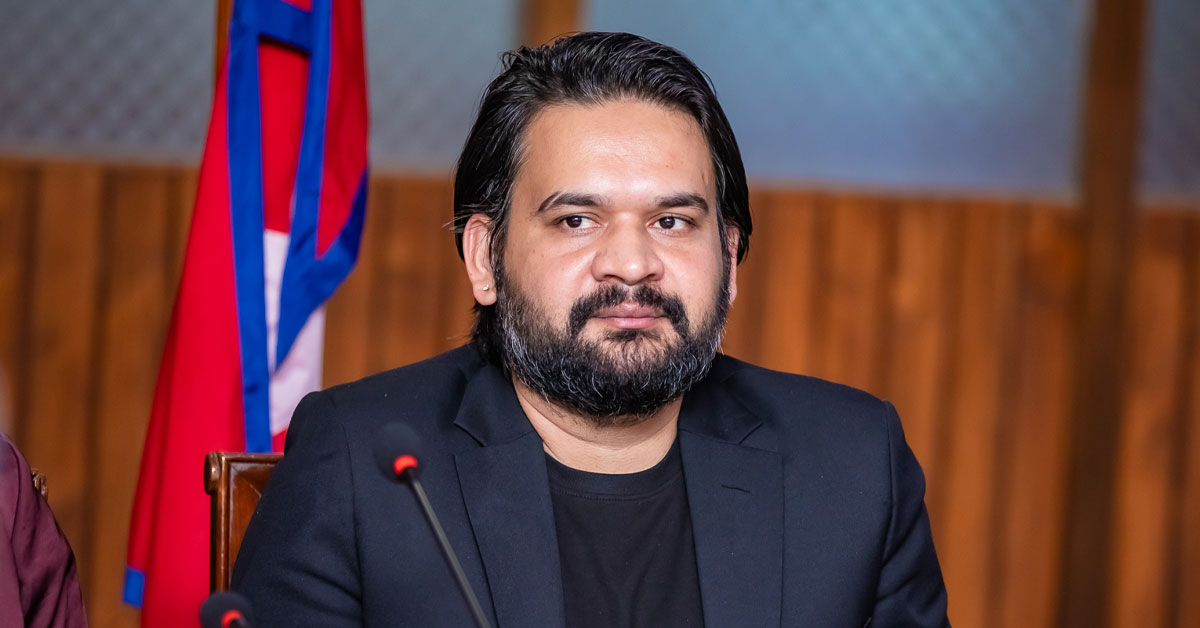
Former CIAA Chief Commissioner Surya Nath Upadhyay states that weak investigations reduce conviction rates and unfairly damage the reputation of those later acquitted. As this affects also the innocent, Upadhyay stresses that cases should not be registered without evidence. “In cases where the Special Court acquits the accused, the latter face legal hassles for doing nothing wrong. Who is to compensate for their mental, financial and other losses?” he asks, “How to reestablish the dignity of those who get a clean chit?”
During Upadhyay’s tenure as the head of the CIAA (2057–2063), success rates ranged from 84 to 92 percent due to strong evidence-based prosecutions. “We would file cases only after deep investigations and collection of strong evidence. That’s why the success rate of the CIAA was higher back then,” reminisces Upadhyay.
Currently, the CIAA’s success rate has dropped to 50 percent, damaging its credibility and giving it a bad name and reputation. Upadhyay emphasizes the need for skilled investigators, continuous training, and filing cases only with solid evidence. “A case should be filed based on only those complaints which have solid evidence. That would increase the success rate,” he says.
From FY 1990/91 to 2024/25, the CIAA registered 3,622 cases, mostly involving fake academic certificates (1,269 cases), followed by bribery (912), misuse and loss of public property (438 each), and illegal asset acquisition (162). According to Transparency International’s 2024 report, Nepal ranks 107th globally on the corruption perception index.