Kathmandu
Wednesday, January 7, 2026





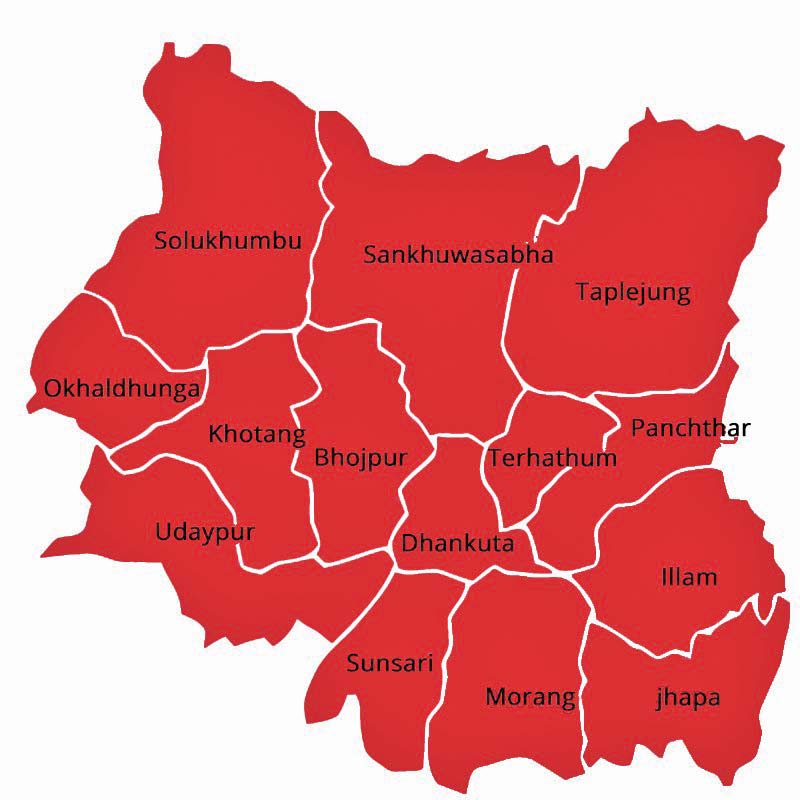
KATHMANDU: A study has shown that 80 percent of start-up enterprises in Koshi Province are earning profits, despite facing challenges such as inadequate capital, a shortage of skilled human resources, limited market access, and insufficient government facilities.
According to a special report on the status of start-up businesses in Koshi Province released by Nepal Rastra Bank on Monday, four out of five start-ups in the province are operating profitably.
The study covers 160 start-up enterprises that applied for loans at the Industrial Enterprises Development Institute and were shortlisted for the same. These enterprises are categorized into five sectors: agriculture and forestry, production-based, service-oriented, tourism, and information technology.
Of the total, 41.3 percent are engaged in agriculture and forestry, 18.1 percent in production-based industries, 17.5 percent in service-based businesses, 13.8 percent in tourism, and 9.4 percent in the IT sector.
Regarding commercial potential, 43.1 percent of respondents identified agriculture and forest-based industries as the most promising sector, followed by tourism (21.3 percent), manufacturing (13.8 percent), services (10 percent), information technology (8.1 percent), and energy and construction sectors (1.9 percent each).
Among the start-ups, 54 percent have adopted innovative ideas in products and services, 41 percent in production processes, and 5 percent in distribution processes.
In terms of age, 39.3 percent of entrepreneurs fall within the 21–35 age group, 44.4 percent are aged 36–50, and 16.2 percent belong to the 50–70 age group. Overall, 74.4 percent of the entrepreneurs are male and 25.6 percent are female.
The key motivating factors for operating start-ups include the desire for self-sufficiency (37.1 percent), contributing to society (25.8 percent), exploring new opportunities (25.1 percent), lack of employment (7.9 percent), and other factors (4.1 percent).
A total investment of Rs 2.56 billion has been made in the 160 start-ups covered by the study, with 38.7 percent financed through loans and 61.3 percent from entrepreneurs’ own capital.
The report further states that 40.6 percent of enterprises have received government grants and facilities whereas 59.4 percent have not been able to access such support.
Market access remains a challenge, as 45 percent of enterprises primarily serve local markets, 46.9 percent operate at the national level, and only 8.1 percent supply goods and services to international markets.
Based on technology usage, 27.5 percent of enterprises use advanced technology, 65 percent rely on general technology, and 7.5 percent do not use any technology.
For marketing and promotion, 33.9 percent of enterprises depend on friends and relatives, 28.3 percent use social media platforms, 8.5 percent operate through websites, 7.2 percent rely on online advertisements and festivals, 6.1 percent use traditional methods, 4.1 percent conduct door-to-door contact, and 4.3 percent employ other promotional methods.
In terms of employment, 48.4 percent of workers in these enterprises are women, while 51.6 percent are men.
The central bank has recommended several measures to promote start-ups, including the mobilization of seed capital, implementation of joint-venture models, expansion of venture capital, provision of tax incentives, legal flexibility, and ensuring easy access to debt financing.
Additionally, the report suggests establishing incubation centers at the federal, province, and local levels, along with implementing special incentive programmes and financial literacy initiatives to help entrepreneurs better explore market opportunities. (RSS)