Kathmandu
Friday, February 20, 2026





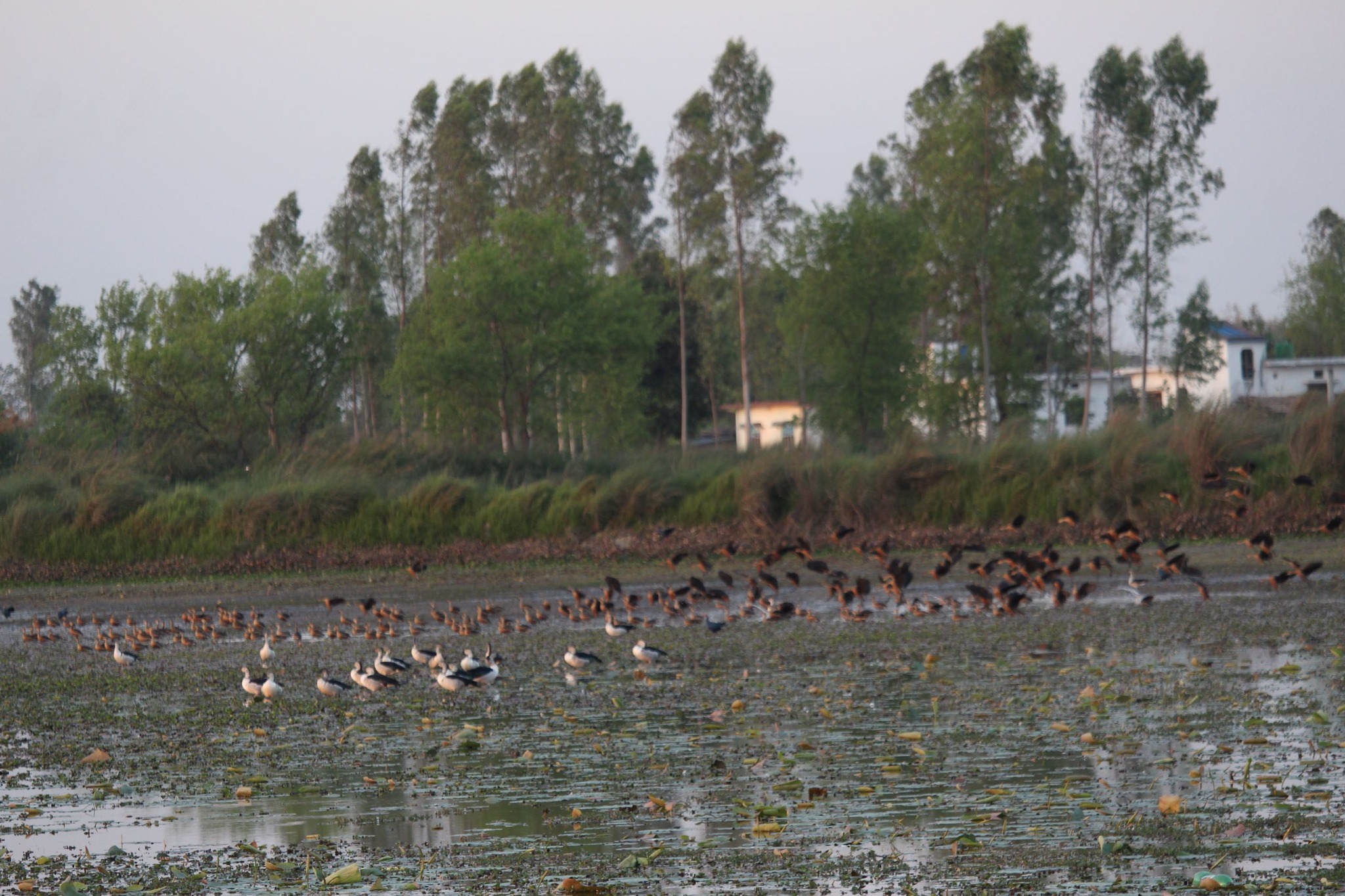
KANCHANPUR: The census of aquatic or water birds have started in Kanchanpur district from today to record the status and population of indigenous and migratory birds dependent on various water bodies and wetlands areas.
The census is being carried out in coordination of the Bird Conservation Nepal (BCN) and at the initiative of the Shuklaphanta National Park.
More than 20 enumerators have been deployed across the reservoir, lakes, ponds, wetlands, rivers outside the park for the bird count, according to Hirulal Dagaura, senior ornithologist associated with the Nepal Birds Conservation Association.
Enumerators representing various relevant organizations and groups such as National Trust for Nature Conservation, Nepal Ornithologists’ Association, the Connect Project, ZSL, the Park Buffer Zone Management Committee and Himalayan Culture will coordinate efforts for the same, informed Dagaura.
Similarly, individuals from the Nature Guide Association and Kanchanpur Birds Conservation Group also get involved in the census.
He shared that more than 20 enumerators are in the field at present who, he added, will be using equipments such as binoculars, camera and GPS among others to conduct the census.
Furthermore, he informed that elephants will be used for the census to reach out to the lakes and ponds that can’t be easily reached on foot.
Census is underway at ponds such as Sikari Taal, Baba Taal, Tara Taal, Rani Taal, Badhani Taal, Bandaa Taal, Puraini Taal and Chaudhar River, he shared.
Bird count is also being conducted in wetlands such as Radhapur, Jhiljhila and Ratanpur, he added.Moreover, aquatic bird count will be conducted at wetland areas outside the park such as Mahakali River.
During the census that will last till January 18, information related to aquatic bird species, population, potential threat, human activities and habitat-related problems will be collected, it was shared.
According to Dagaura, more than 70 species of aquatic birds used to be observed in a single lake in the past.
However, he worryingly said, the number has now been reduced by half owing to various reasons such as habitat loss from urbanization and lack of conservation of water bodies and wetlands, reduced food availability, increasing use of pesticides among others.
According to him, Nepal is an important country along the Central Asian Flyway, serving as an important winter refuge for migratory birds from Asia, Europe and Siberia.