Kathmandu
Monday, February 2, 2026





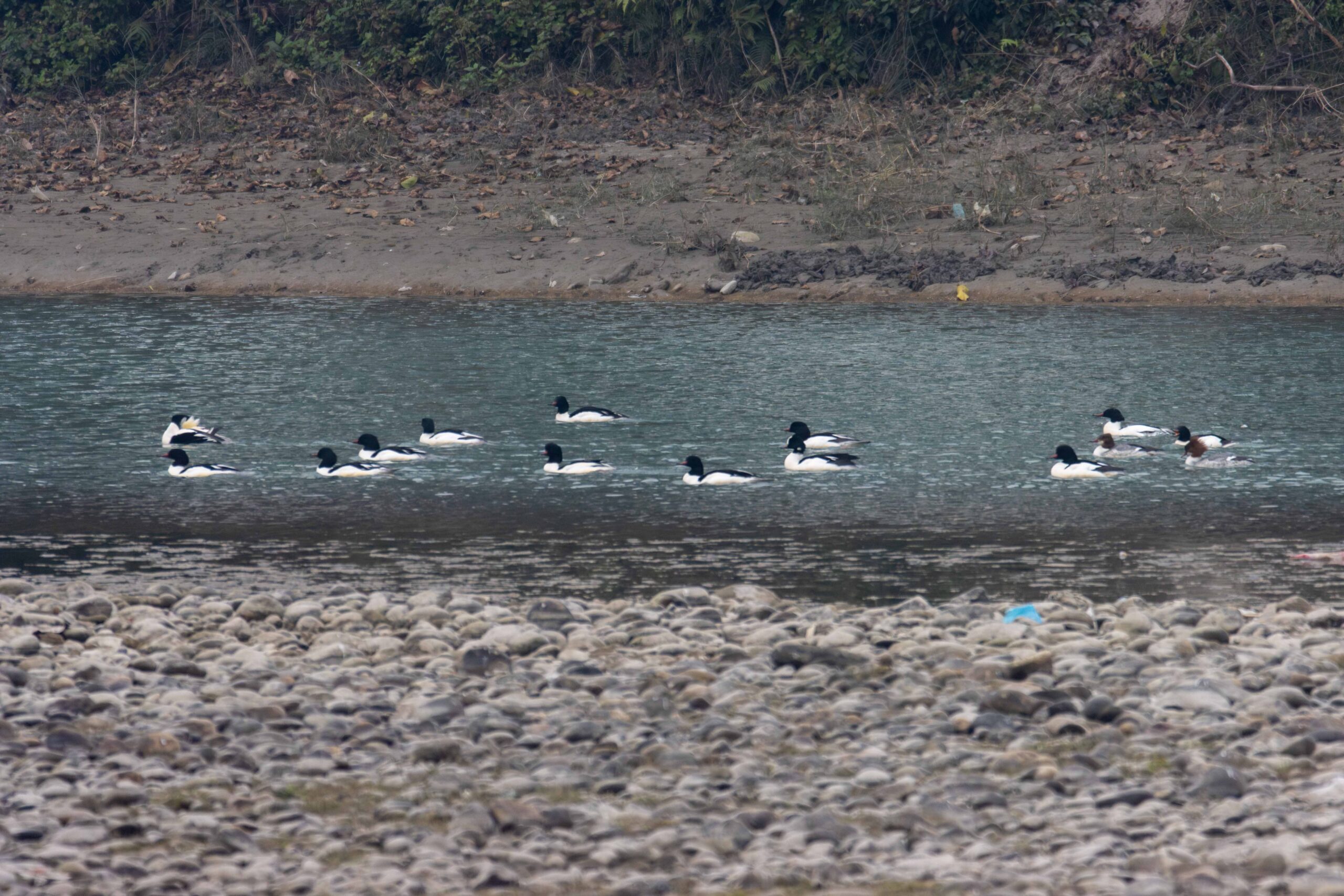
KATHMANDU: World Wetlands Day, observed annually on February 2, is being marked across Nepal through various programs under the theme ‘Wetlands and Traditional Knowledge: Celebrating Cultural Heritage.’ This year’s observance highlights the importance of conserving wetlands alongside safeguarding traditional knowledge and cultural practices that have long been intertwined with these ecosystems.
Wetlands encompass a wide range of water bodies and waterlogged areas, including marshes. Lakes, ponds, pools, rivers, streams, waterfalls, and paddy fields are all classified as wetlands. As ecosystems of high biodiversity value, wetlands serve as vital habitats for diverse plant and animal species while also supporting human livelihoods.
This day is celebrated with the aim of protecting and promoting wetland areas. In Nepal, recently, wetland areas seem to be becoming limited due to human encroachment activities and the changes seen in the weather due to the effects of climate change. Their area and quality are decreasing. In some places, wetlands have even disappeared.
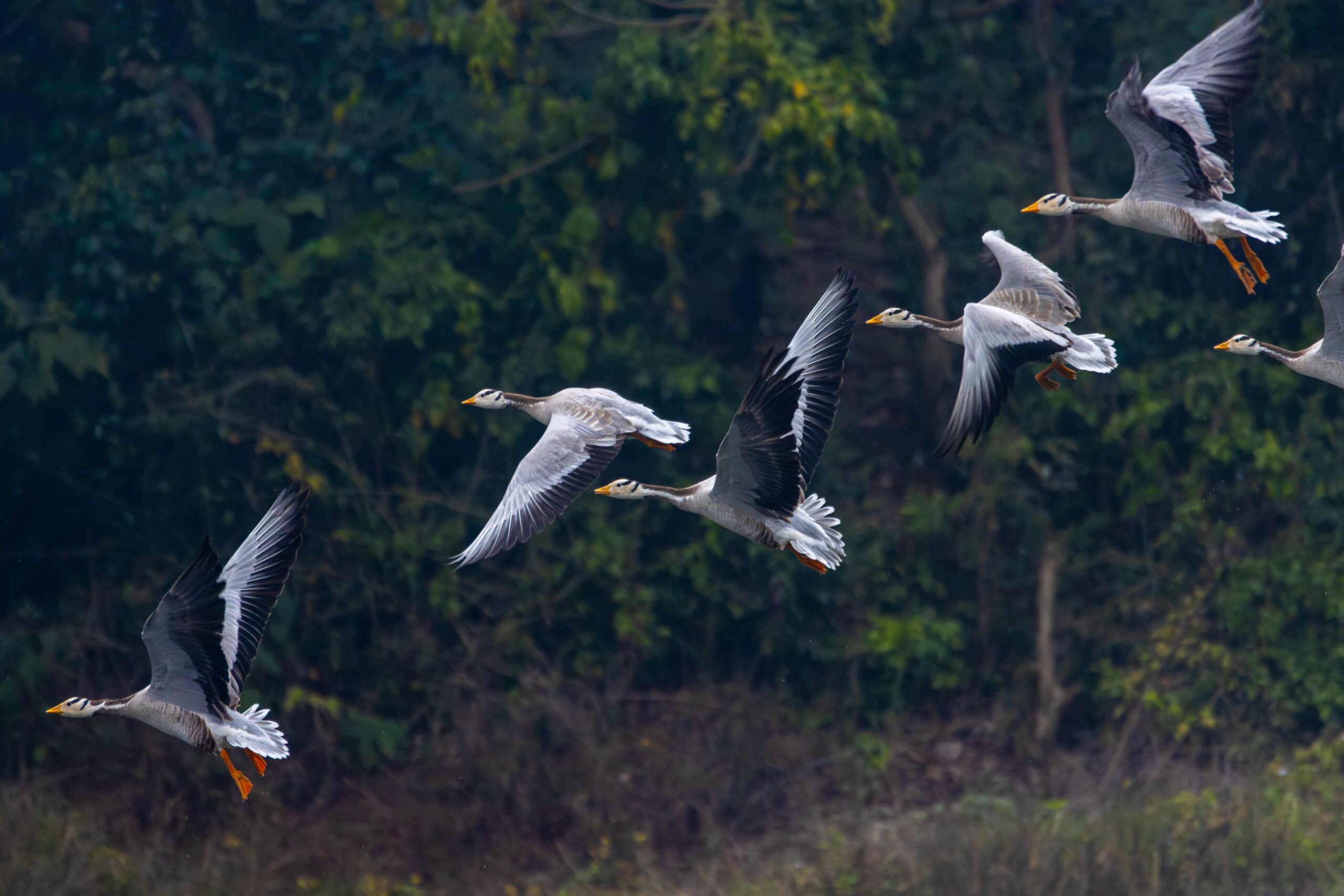
Photo Courtesy: Nepal Photo Library
Challenges have been added, including unmanaged developmental infrastructure, increasing population near wetland areas, rising pollution, and the tendency to directly dispose of waste from human settlements and industries into rivers and wetland areas, according to Senior Ecologist Hari Bhadra Acharya, information officer of the Department of National Parks and Wildlife Conservation.
Encroachment and exploitation
Senior Ecologist Acharya said wetlands are facing mounting challenges due to climate change, marked by flooding during heavy rains and severe dryness during prolonged dry spells. He noted that poverty and unemployment have increased people’s dependence on wetlands, while changes in traditional farming practices, overexploitation of wetland resources, the spread of invasive alien species, and the excessive use of chemical fertilizers and pesticides have further intensified pressure on these ecosystems.
With the aim of protecting and promoting wetland areas globally, the Convention on Wetlands (Ramsar Convention) was held in 1971 in the city of Ramsar, Iran. Remembering February 2, the day the Ramsar Convention was signed, World Wetlands Day began to be celebrated.
The Ramsar Convention lists wetlands that hold international importance and provide shelter to highly sensitive, endangered, and threatened biological species or ecological communities in the Ramsar list. To date, the number of member countries has reached 172. Additionally, 2,422 wetlands are listed in the Ramsar list. Nepal became a party to the Ramsar Convention on April 17, 1988, after listing the Koshi Tappu Wildlife Reserve as a Ramsar site on December 17, 1987.
Due to a lack of public awareness and information, human encroachment on wetlands is increasing. On the occasion of the day, the Department of Parks under the Ministry of Forests and Environment unveils banners with slogans on hoarding boards at the entrance of the forest complex. Apart from this, the Provincial Ministry of Forests, protected areas, and Division Forest Offices celebrate the day by organizing various programs at their respective levels, informed the Director General of the Department, Dr Buddhi Sagar Poudel.
Mentioning that water sources in wetland areas have been decreasing lately, he stated that in coordination with all three tiers of government, work is being done to protect existing ponds and even construct new ones for wetland conservation.
Currently, Nepal’s Koshi Tappu, Ghodaghodi Lake Area, Jagdishpur Reservoir, Beeshazar and associated lakes, Rara Lake, Phoksundo Lake, Gosaikunda and associated lakes, Gokyo and associated lakes, Mai Pokhari, and various lakes of the Pokhara Valley are listed in the Ramsar list. The total area covered by these wetland regions is 60,561 hectares. Wetlands are among the most biodiverse habitats in the world and are home to many endangered species. 40 percent of the world’s plant and animal species live or breed in wetlands.
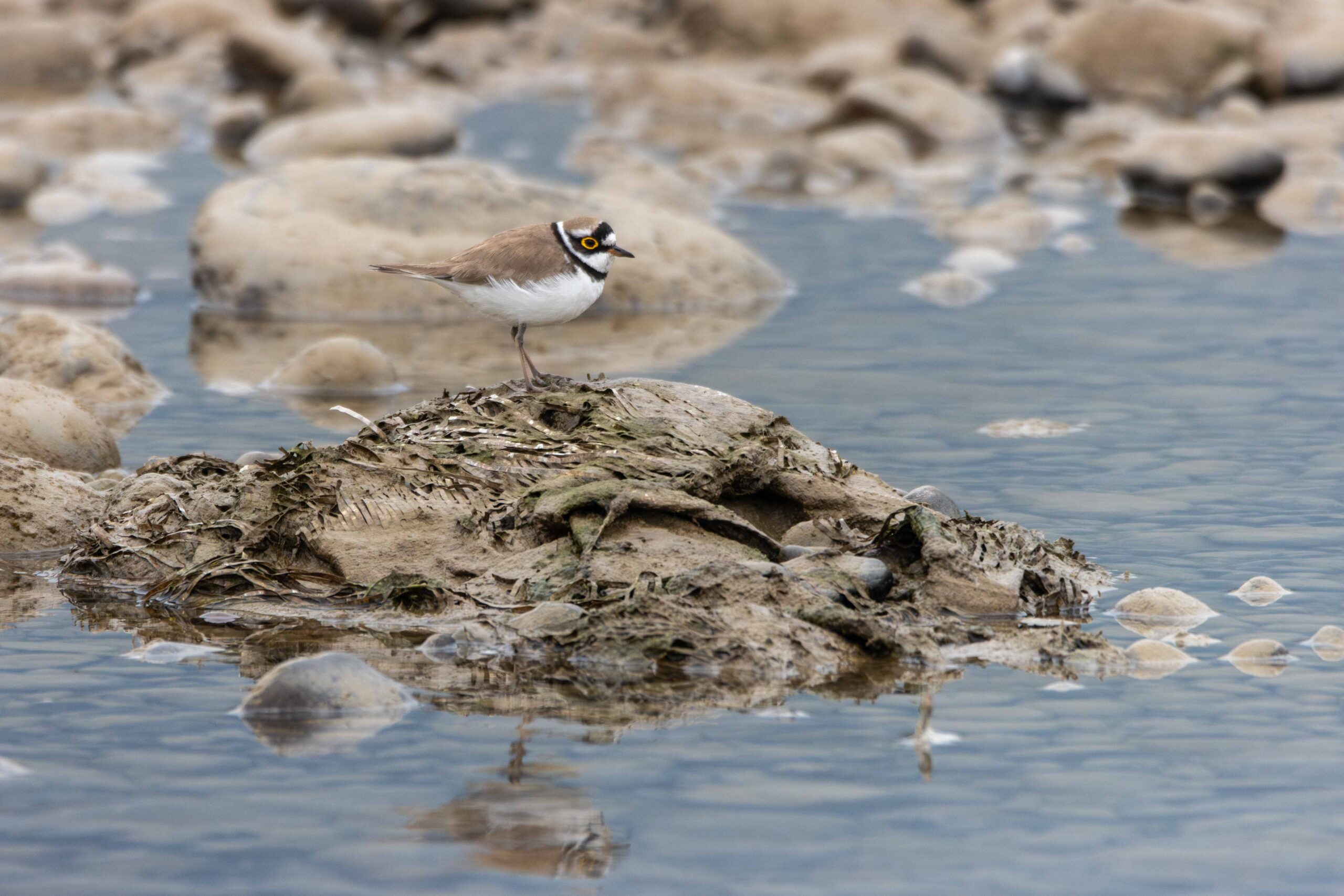
Photo Courtesy: Nepal Photo Library
Highlighting the ecological significance of wetlands, Director General Dr Paudel said they serve as vital habitats for millions of migratory birds, fish, amphibians, insects, and plant species. He noted that at least 172 endangered plant and animal species in Nepal depend directly on wetlands.
Department statistics show that of the 878 bird species recorded in the country, around 193 rely on wetland ecosystems. In addition, some 17 of Nepal’s 20 vertebrate animal species, about 25 percent of the country’s 7,000 plant species, and 246 indigenous flowering plants are sustained by wetlands.
Wetlands cover about 9 percent of the world’s land area and about 5 percent of Nepal’s land area. There are wetland areas of international importance in the Terai, hills, and Himalayan regions of Nepal. According to the records of the International Union for Conservation of Nature (IUCN) Nepal, there are 163 wetlands in the Terai and 79 wetlands in the Himalayan and hilly regions.
Wetlands mitigate the effects of climate change and land degradation and provide an environmental safety shield. Lately, wetlands have become destinations for ecotourism, providing experiences of natural beauty, including the observation of birds and wildlife found there.
Legal and policy arrangements for wetland conservation
Considering the challenges of the wetland areas, the Ministry of Forests has moved forward with various programs and policies related to wetland conservation in coordination with the provincial and local levels, informed Ministry spokesperson Bishal Ghimire.
Emphasizing sustainable management, Ghimire said that benefits for local communities are being ensured through the responsible use of wetlands with the coordinated involvement of federal, provincial, and local governments. He added that public awareness programs are being conducted to promote wetland protection, while various initiatives are also underway to pass on knowledge and skills related to the importance and conservation of wetlands to the younger generation.
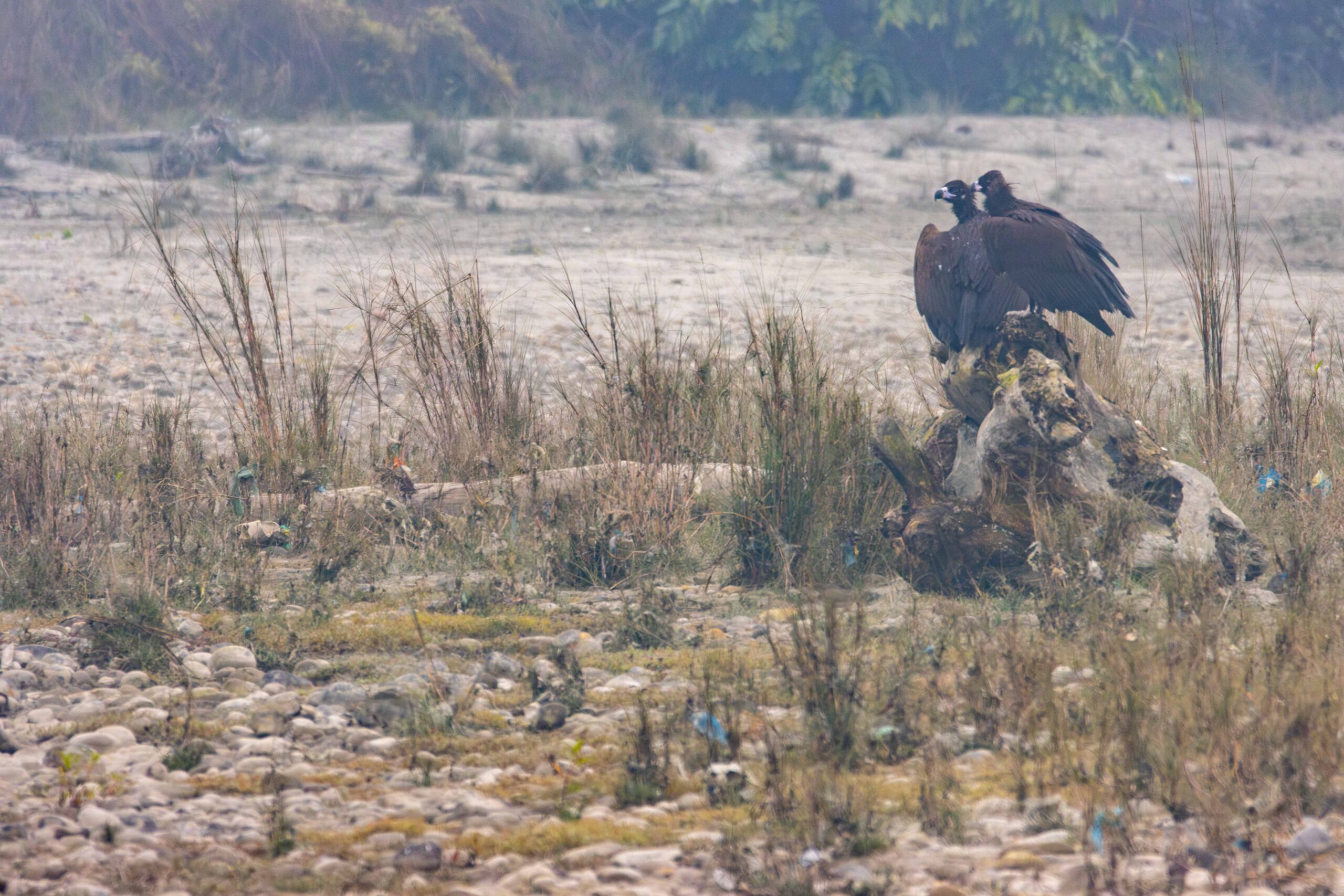
Photo Courtesy: Nepal Photo Library
Ghimire Further informed that the government has made various legal and policy arrangements for the protection of wetland areas. Nepal has been expressing its commitment to the protection, promotion, and management of wetlands through policies and laws, including the Constitution, Water Resources Conservation Act-1992, Local Government Operation Act-2017, Environment Protection Act-2019, Aquatic Animal Protection Act-1960, National Wetland Policy-2012, periodic plans, and the National Ramsar Strategy and Action Plan.
Since the process of water circulation and purification continues through the interaction of water and land in wetlands, they are also called the ‘kidneys of nature.’ Wetlands are also important for maintaining water quality, regulating the water cycle and climate, and balancing the temperature. Therefore, everyone’s cooperation is necessary for their conservation. (RSS)