Kathmandu
Friday, January 30, 2026






KATHMANDU: Nepal News is transforming the way stories are told in Nepal. No longer content with simply reporting events, our journalists dig deeper, asking not only what is happening, but why it matters.
Each story is carefully planned, with clear assignments, structured outlines, thorough research, verified data, and insightful quotes. Every piece is thoughtfully edited and crafted to provide clarity amid the noise.
Every week, we present a curated selection of stories that capture the heartbeat of Nepal — from groundbreaking investigative reports to human-interest features, policy analyses, and cultural insights. These are more than just news stories; they are windows into the forces shaping our society, economy, and daily lives.
Here’s a look at the seven standout features from last week, each reflecting our commitment to quality journalism, storytelling depth, and editorial integrity. Explore these stories to understand not just the headlines, but the narratives behind them.
NPL emerges as a golden opportunity for Abinash
In an in-depth report by Deep Subedi, correspondent at Nepal News, Abinash Bohara’s journey as a fast bowler is explored amid his 18-month absence from the national team. Despite outperforming peers like Karan KC and Sompal Kami in domestic stats, inconsistency at the international level has kept him out. Bohara is now excelling in the Nepal Premier League with Sudurpashchim Royals, taking 14 wickets in seven games. With veteran bowlers aging and injuries affecting their availability, Bohara emerges as a promising alternative for Nepal’s pace attack, positioning himself for a potential national team recall.
https://english.nepalnews.com/s/sports/npl-emerges-as-a-golden-opportunity-for-abinash/
Laxmi Bardewa shows motherhood should not halt an actress’s career
In an exclusive report by Prabhakar Gautam, senior correspondent at Nepal News, Laxmi Bardewa reflects on balancing motherhood and her acting career. After gaining acclaim for her role in Bulbul, she strategically waited for substantial roles, finally achieving a breakthrough with Abhimanyu-Chapter 1. During filming, she ensured her seven-month-old son accompanied her for breastfeeding, highlighting both the challenges and emotional rewards of working while parenting. Bardewa’s experience underscores evolving support for women in Nepali cinema, advocating for safer and more accommodating sets, and signals that motherhood need not impede an actress’s career trajectory.
Mustang: How Himalayan beauty became a billion-rupee prosperity
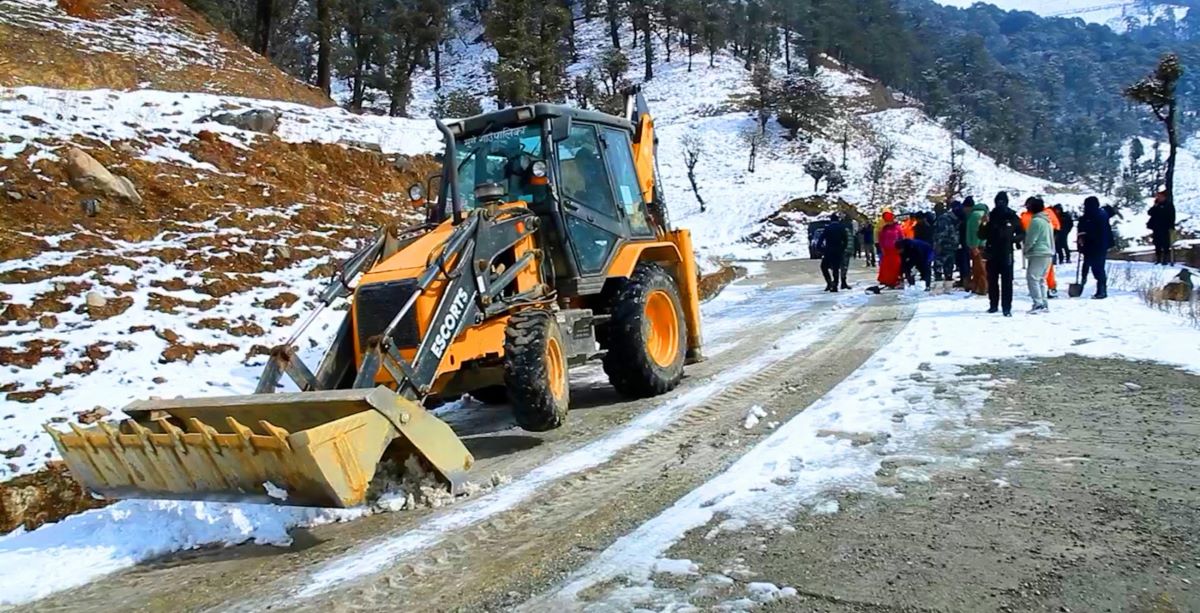
In a detailed report by Gopal Dahal, special representative of Nepal News, Mustang emerges as a Himalayan hub of prosperity driven by agriculture, tourism, and local cooperation. This fiscal year, potato production rose to 9,665 metric tons, generating Rs 628.2 million, while apple and mountain goat exports collectively contributed over Rs 2 billion. Tourism adds another Rs 5–7 billion annually. Road connectivity and strong coordination among local municipalities and farmers have enabled efficient marketing of produce and enhanced tourism. Mustang’s collaborative approach showcases how remote geography and small populations can achieve economic strength through collective effort and infrastructure development.
Vulnerable Nepali farmers faces looming threat of cheap Indian rice
In a report by Uddab Thapa, Special Representative of Nepal News, Nepali paddy farmers face financial stress as government procurement remains limited and cheap rice imports from India undercut local prices. Despite a production of roughly 5.9 million metric tons, the Food Management and Trading Company plans to purchase only 180,000 metric tons this year, forcing many farmers to sell at Rs 1,000 below the guaranteed rate. Excessive imports, labor shortages, and rising dependence on local traders highlight structural challenges in the Terai and Madhesh regions, threatening the livelihoods of cultivators and the sustainability of indigenous rice varieties.
Supreme Court tilts toward direct judges as cadre influence fades
In an analysis by Bhasha Sharma, Senior Correspondent of Nepal News, the Supreme Court of Nepal is set to be led by a decade-long succession of Chief Justices appointed directly from the legal practitioner pool, sidelining cadre judges who rise through the judicial service. Experts and former judges warn that this trend, influenced by political interference, undermines administrative experience and case-handling expertise. While direct appointments from the Bar dominate leadership, proponents argue for merit-based selection that balances experience, competence, and judicial service to ensure effective governance and inspire lower-level judges across the country.
Oli’s authoritarian grip
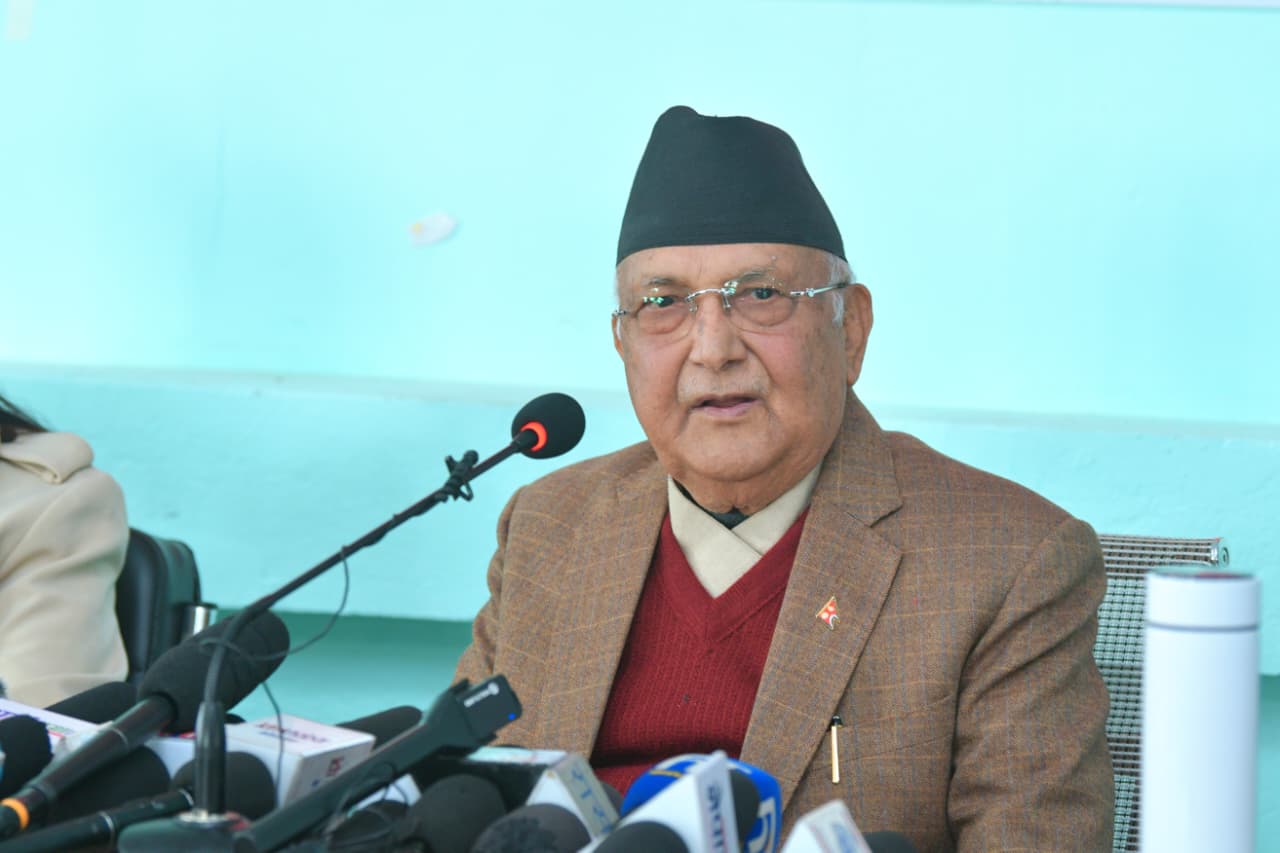
Baburam Bishwakarma, editor of Nepal News, reports that KP Sharma Oli is consolidating personal control over the CPN (UML), sidelining party rules, rivals, and dissenters to secure a third term as chairman. From emulating authoritarian leaders abroad to suppressing internal opposition, Oli’s leadership is described as dictatorial and individualistic. Critics, including former allies and party members, warn that his style risks deepening factionalism, weakening internal democracy, and undermining the party’s long-term viability. Despite growing internal challenges from figures like Ishwar Pokharel and former President Bidya Devi Bhandari, Oli appears determined to maintain his grip through centralized, top-down control.
https://english.nepalnews.com/s/politics/olis-authoritarian-grip/
Why Nepali medical talent eyes Gulf countries
Kalpana Bhattarai, correspondent of Nepal News, reports that a growing exodus of Nepali doctors to Gulf countries, including Oman and the UAE, is reshaping the domestic healthcare landscape. Driven by low salaries, unstable politics, heavy student loans, and poor working conditions in Nepal, doctors like Dr. Anjan Tiwari and Dr. Sabal Sapkota seek higher pay, professional security, and better facilities abroad. With benefits up to seven times higher than in Nepal and superior work environments, nearly 12,000 doctors have obtained certificates to work overseas in the past six years, leaving domestic hospitals increasingly dependent on temporary staff.
https://english.nepalnews.com/s/feature/why-nepali-medical-talent-eyes-gulf-countries/