Kathmandu
Tuesday, February 24, 2026






KATHMANDU: Nepal News is transforming the way stories are told in Nepal. No longer content with simply reporting events, our journalists dig deeper, asking not only what is happening, but why it matters.
Each story is carefully planned, with clear assignments, structured outlines, thorough research, verified data, and insightful quotes. Every piece is thoughtfully edited and crafted to provide clarity amid the noise.
Every week, we present a curated selection of stories that capture the heartbeat of Nepal — from groundbreaking investigative reports to human-interest features, policy analyses, and cultural insights. These are more than just news stories; they are windows into the forces shaping our society, economy, and daily lives.
Here’s a look at the seven standout features from last week, each reflecting our commitment to quality journalism, storytelling depth, and editorial integrity. Explore these stories to understand not just the headlines, but the narratives behind them.
Lumbini Province: Several airports but no regular flights
By CP Khanal, Butwal district correspondent of Nepal News, the report chronicles four decades of airport ambitions across Lumbini Province, revealing how politically driven construction, weak feasibility studies, and poor passenger demand have left several facilities closed, stalled, or underused. From Rolpa to Dang, Arghakhanchi, Pyuthan, Palpa, and Gulmi, airports built with billions in public funds have become grazing fields or playgrounds. Aviation experts warn that election-oriented infrastructure has drained state coffers while essential priorities such as healthcare, drinking water, education, and livelihoods in the hill districts continue to be neglected.
https://english.nepalnews.com/s/business/lumbini-province-several-airports-but-no-regular-flights/
Backdoor state benefits for former CMs
By Birendra Raman, Janakpur district correspondent of Nepal News, the report lays bare how Madhesh Province has quietly institutionalized generous state facilities for former chief ministers through working procedures rather than parliamentary law. Vehicles, fuel, staff, and security are being extended despite Supreme Court directives and fiscal constraints, adding long-term pressure on the provincial treasury. With political instability producing multiple former chief ministers, annual costs are rising while development spending shrinks. Critics warn such backdoor benefits risk deepening public anger, weakening federalism, and reinforcing perceptions of governance driven by privilege rather than public need.
https://english.nepalnews.com/s/politics/backdoor-state-benefits-for-former-cms/
The long blacklist hints at an unhealthy economy
By Uddab Thapa, special representative of Nepal News, the report spotlights Nepal’s swelling blacklist as a warning sign of an economy under prolonged stress. With nearly 140,000 individuals and institutions blacklisted, most due to cheque bounce cases, the central bank has begun reassessing rigid provisions amid rising non-performing loans and post-pandemic slowdown. While blacklisting enforces financial discipline, experts caution that its harsh and opaque application is trapping genuine borrowers, damaging reputations, freezing banking access, and further constricting economic recovery unless broader structural issues are addressed.
https://english.nepalnews.com/s/business/the-long-blacklist-hints-at-an-unhealthy-economy/
Will Balen be Nepal’s next prime minister?
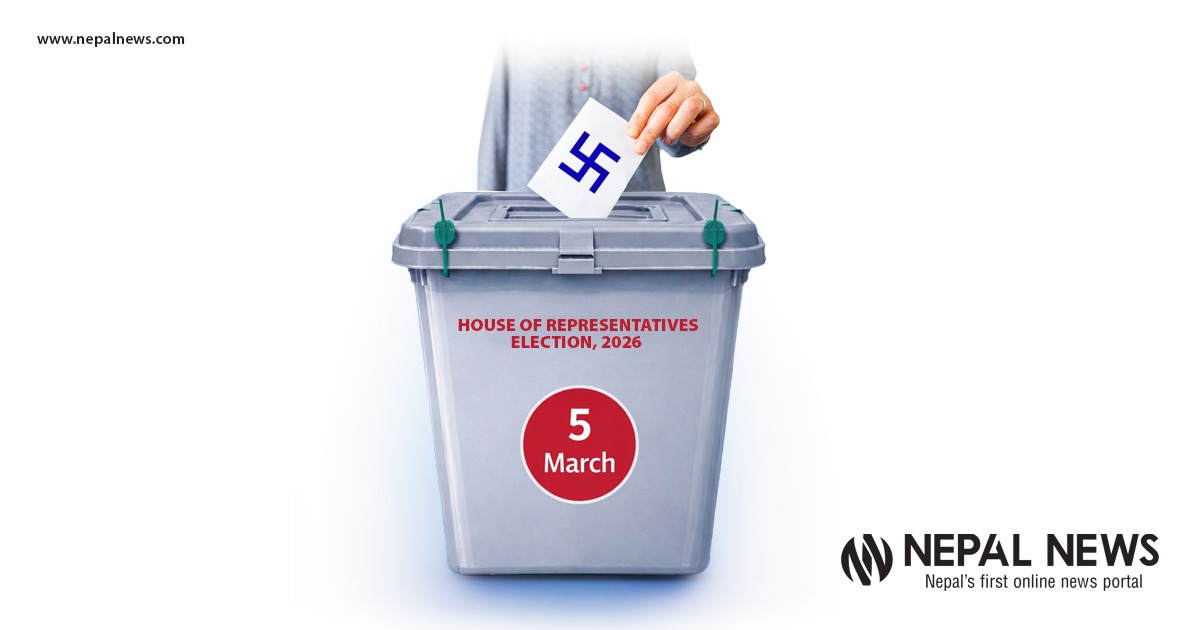
By Akhilesh Tripathi of Nepal News, the report maps a pivotal realignment among Nepal’s alternative political forces after Rastriya Swatantra Party chairman Rabi Lamichhane endorsed Kathmandu Mayor Balendra Shah as the party’s prime ministerial candidate. The seven-point agreement signals a cautious move toward unity ahead of the March 5 general elections, reshaping calculations for both new and traditional parties. While Balen emerges as the central figure, challenges remain in consolidating Gen Z leaders and rival reformist groups, making convergence the decisive factor in whether old parties can be displaced.
https://english.nepalnews.com/s/politics/will-balen-be-nepals-next-prime-minister/
Failed CIAA
By Bhasha Sharma, special representative of Nepal News, the report scrutinizes the Commission for the Investigation of Abuse of Authority’s declining courtroom success, as weak investigations and thin evidence lead to frequent acquittals and partial convictions at the Special Court. From the Narayani Hospital case to the wide-body aircraft scandal and Lalita Niwas land grab, nearly half of CIAA verdicts are appealed to the Supreme Court. Former judges, legal experts, and past CIAA chiefs warn that poor case selection, outdated investigative methods, and lack of skilled manpower have eroded credibility, leaving corruption prosecutions vulnerable and public trust diminished.
https://english.nepalnews.com/s/long-reads/failed-ciaa/
Government failing to secure people’s basic right to breathe clean air
By Bidhya Rai, special representative of Nepal News, the report highlights Kathmandu and Nepal’s worsening air pollution crisis, revealing how toxic air, ineffective policies, and unspent pollution control fees endanger public health. From winter smog choking the valley to indoor air hazards in rural households, micro particulate matter (PM 2.5) and other pollutants remain alarmingly high, causing premature deaths, respiratory and cardiovascular diseases, and economic losses. Despite multiple laws, emission standards, and monitoring stations, weak enforcement and systemic failures leave citizens exposed, while Kathmandu and Madhesh continue as persistent pollution hotspots.
Why Is disability more prevalent among hill Dalits?
By Gopal Dhakal, special representative of Nepal News, the report explains why disability prevalence is notably higher among Hill Dalits compared with other groups in Nepal. National statistics show Hill Dalits have the highest disability rate at about 2.9 percent, driven by entrenched poverty, malnutrition, limited access to health care, hazardous work, and low education levels. Poor living conditions and delayed medical treatment in remote hilly areas compound risks. Experts also note that social exclusion and weak policy focus worsen outcomes, and Hill Dalit men, often in physically demanding jobs, face the greatest burden, contributing to the lowest life expectancy in this group.
https://english.nepalnews.com/s/health/why-is-disability-more-prevalent-among-hill-dalits/