Kathmandu
Tuesday, February 24, 2026





Park officials say shrinking wildlife habitats have intensified clashes
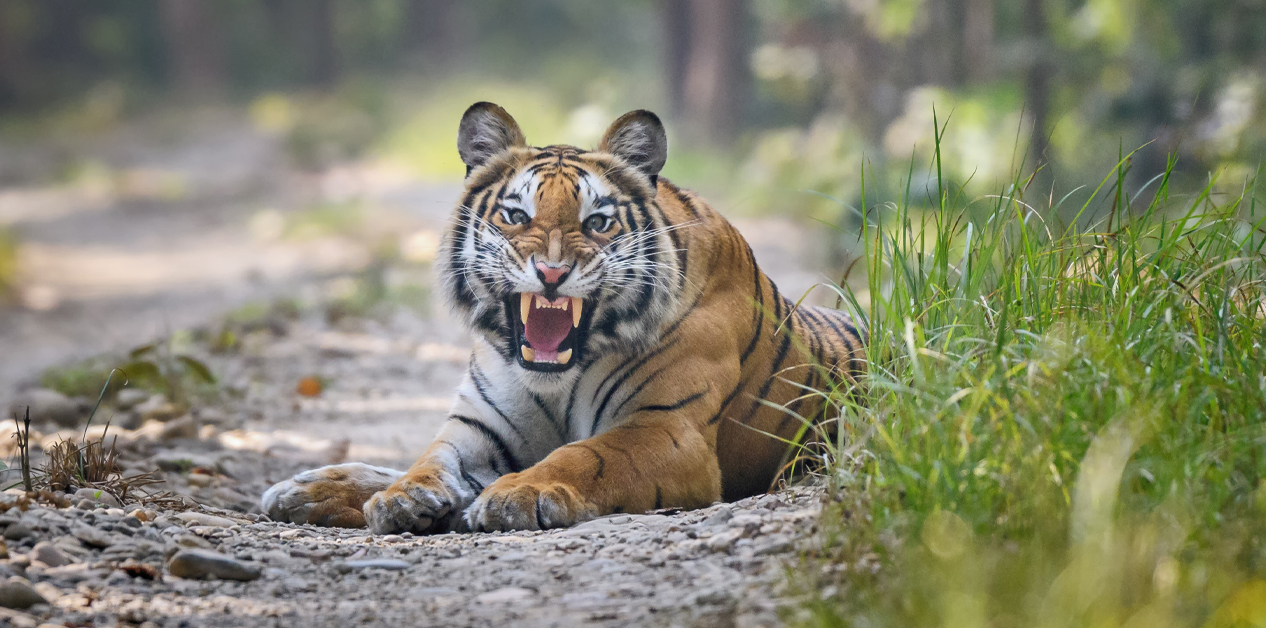
BUTWAL: On 5 January 2026, 61-year-old Marichman Bhandari of Sauri, Rapti Sonari Rural Municipality-1 in Banke, was killed in a tiger attack inside the Banke National Park area while grazing cattle.
Two days later, on January 7, 57-year-old Ganga Saru of Geruwani, Bheriganga Municipality-5 in Surkhet, located in the buffer zone between Banke National Park and Bardiya National Park, was also killed in a tiger attack.
These incidents, occurring within a month in and around the buffer and impact zones of Banke and Bardiya national parks, illustrate how severe and challenging human–wildlife conflict has become in Lumbini Province. In just the first six months of the current fiscal year 2025/26 (mid-July 2025 to mid-January 2026), 10 people have died in attacks by tigers and other wild animals in the province. Of them, eight deaths occurred in Bardiya and one each in Kapilvastu and Banke.
During the same period, 14 people were injured in wildlife attacks, and 97 domestic animals were killed, according to data from the provincial Ministry of Forests and Environment. Wildlife casualties have also been significant. Over the six months since mid-July 2025, as many as 17 wild animals have died, and 315 injured animals have been rescued, said Prabhat Sapkota, Director General of the Forest Directorate.
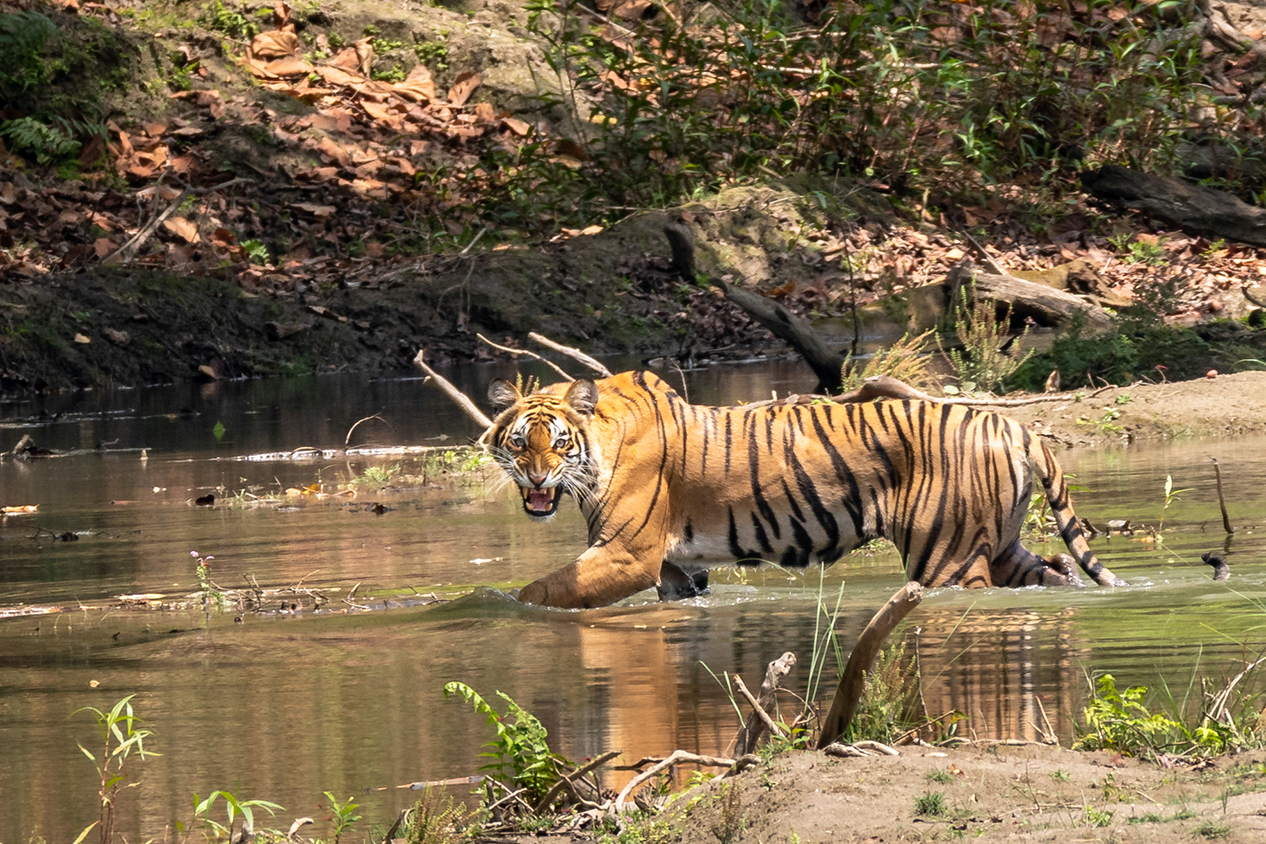
Human–wildlife conflict has long been a persistent problem in Lumbini Province. Deforestation, human encroachment into wildlife habitats, and obstruction of biological corridors have shrunk animal habitats, pushing wildlife into human settlements and resulting in damage and casualties on both sides. Wildlife attacks have caused human deaths and injuries, destroyed homes and sheds, and damaged crops. In retaliation, people have targeted wild animals.
Birendra Prasad Kandel, Senior Conservation Officer at Banke National Park, said that shrinking habitats have worsened the conflict. “Infrastructure such as highways, canals, and high-tension electricity lines inside the park has affected wildlife habitats, forcing animals to enter settlement areas,” he says.
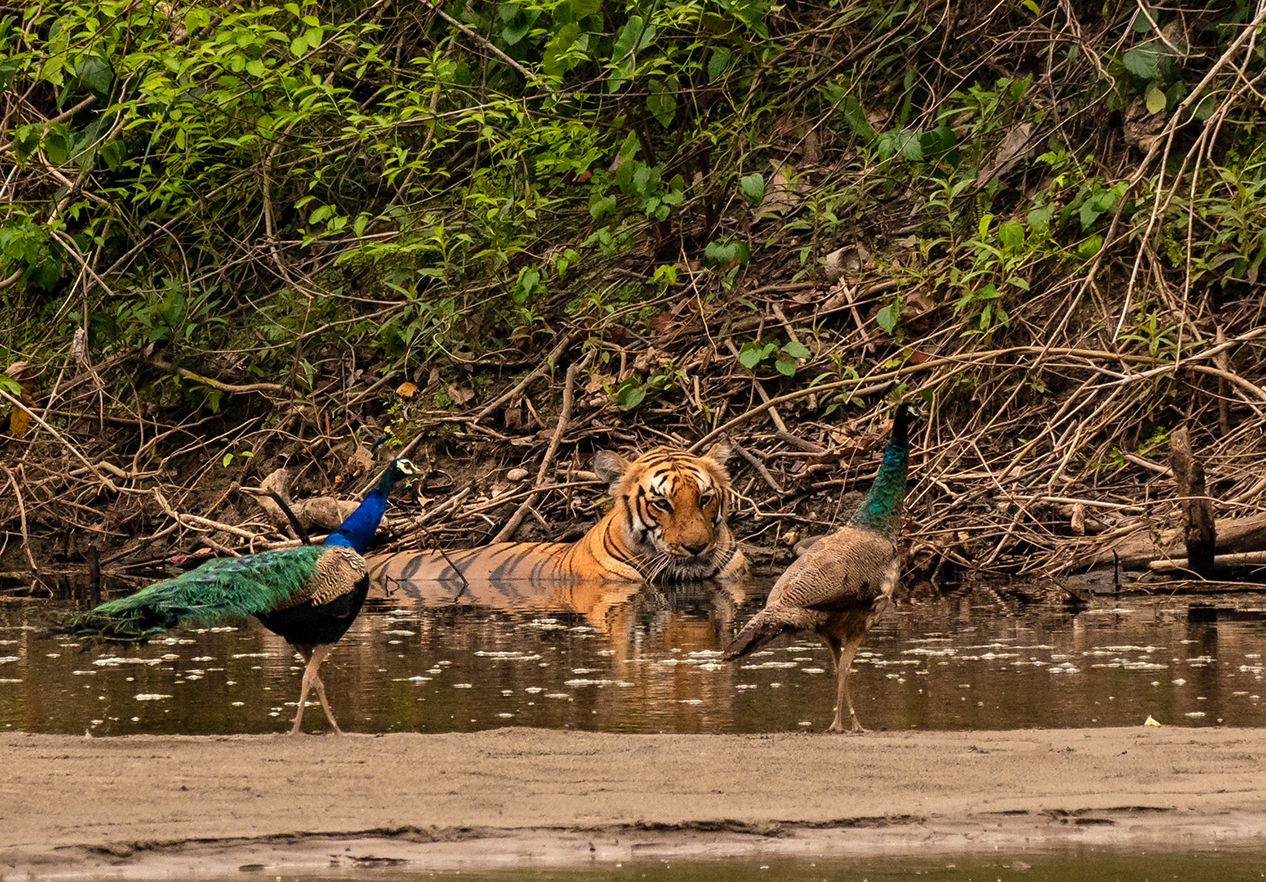
A study report titled ‘Human–Wildlife Conflict Management Study Report in Lumbini Province’, published in 2021 by the provincial Ministry of Industry, Forests and Environment, also identified mutual encroachment into each other’s habitats as the key cause of the conflict. The report noted rising human–wildlife conflict in eight of the province’s 12 districts: Banke, Bardiya, Dang, Arghakhanchi, Gulmi, Pyuthan, Rupandehi, and Rukum East. According to the report, in Banke and Bardiya, people face conflict with elephants, tigers, leopards, and wild boars; in Arghakhanchi and Gulmi, with leopards and wild boars; in Pyuthan, Dang, and Palpa, with monkeys, wild boars, leopards, and porcupines; and in Rukum East, particularly around the Dhorpatan Hunting Reserve area, with wild boars, bears, and wolves.
In Bardiya, 53 people have lost their lives in wildlife attacks over the past five years. Of them, 36 were killed in tiger attacks.
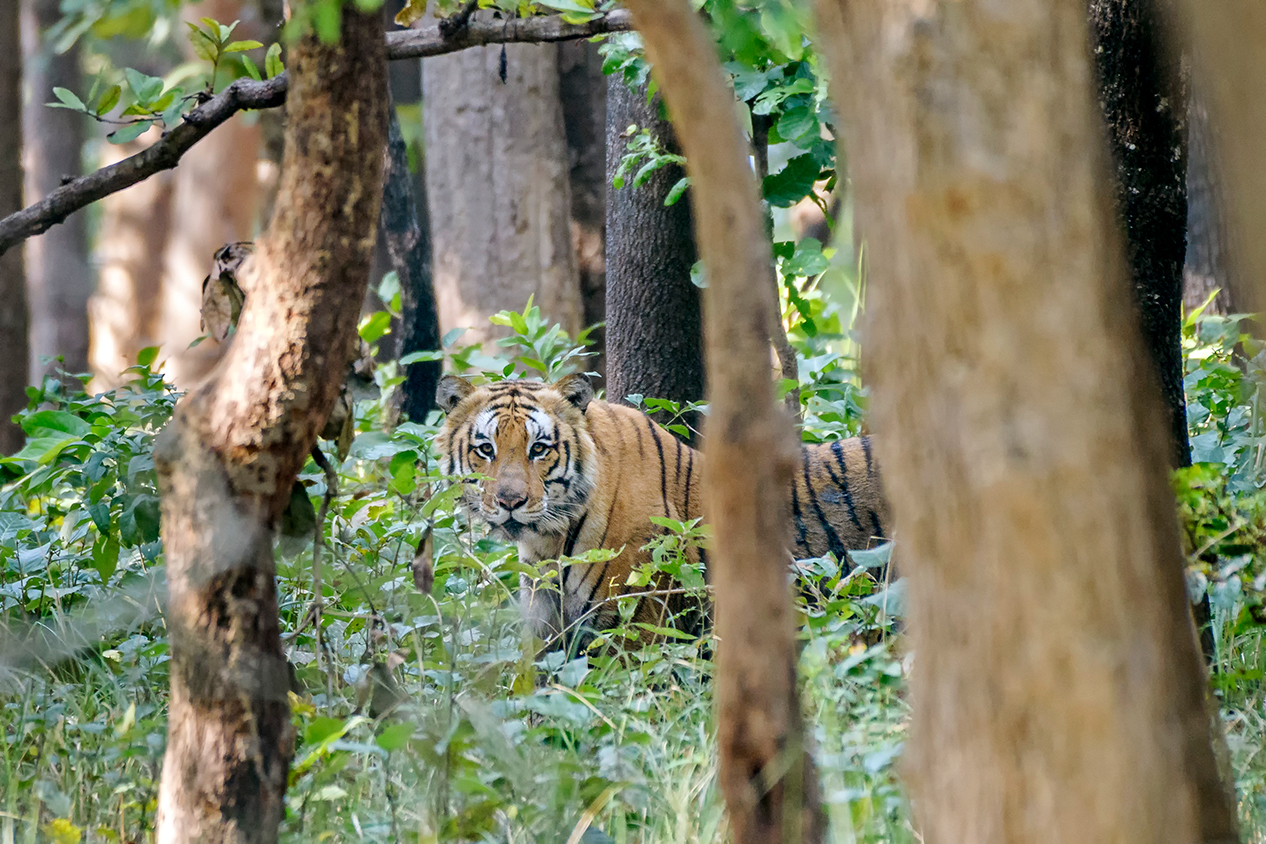
As the tiger population increases, human fatalities in settlements near forest areas have also been rising. According to the Fourth National Tiger Census conducted in 2021/2022 (2078 BS), 125 tigers were recorded in Bardiya National Park. The census showed that the country’s total tiger population had reached 355. Of the total, 128 tigers were found in Chitwan National Park, 125 in Bardiya, 41 in Parsa National Park, 36 in Shuklaphanta National Park, and 25 in Banke National Park. The tiger census is conducted every four years.
To prevent wild animals from entering settlements, local authorities and security personnel conduct night patrols. However, this has not been effective in reducing human–wildlife conflict. Bijay Raj Subedi, chief of the Division Forest Office Bardiya, said, “On the one hand, human settlements are expanding into forest areas, and on the other, there is a shortage of natural prey for wildlife. As a result, human–wildlife conflict has been increasing.”