Kathmandu
Friday, February 27, 2026





With just one week left before the statute of limitations for prosecution expires, the investigation remains weak
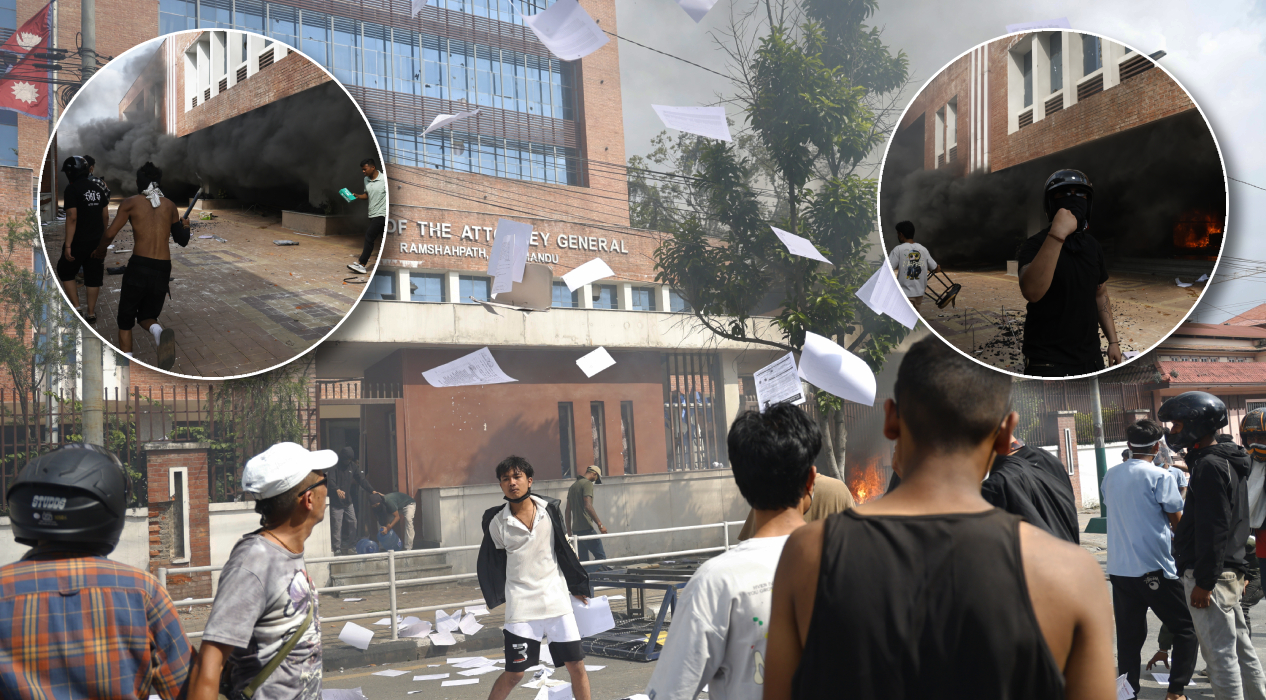
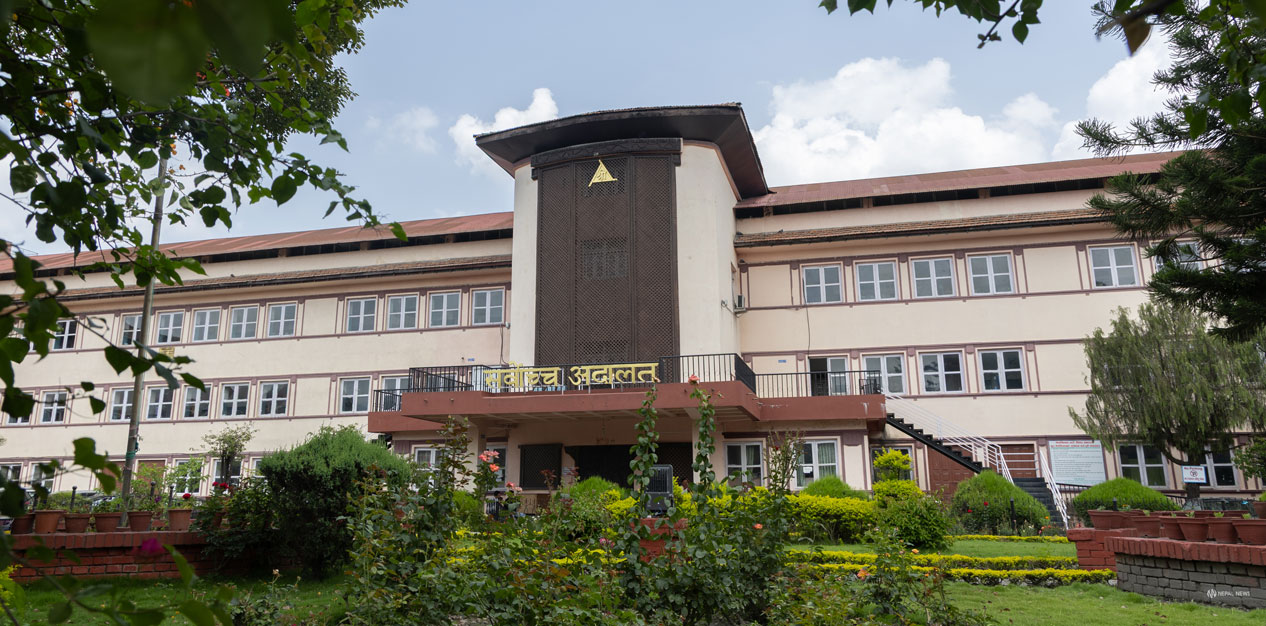
KATHMANDU: During the Gen-Z revolt on September 9 last year, vandalism, arson, and looting took place at the Office of the Attorney General, the Chief Justice’s Secretariat, and the offices of the Special and District Government Attorneys. These are state institutions authorized to investigate crimes, identify offenders, and initiate legal action.
Section 285 of the National Criminal Code provides that those involved in arson and vandalism can be charged with “criminal mischief.” Such offenses carry a statute of limitations of six months. This means that if cases are not filed within the next week, those acts will no longer be considered prosecutable offenses under the law.
Six months since the destruction will be completed on March 8. However, there remains uncertainty about whether those who set fire to these vital and sensitive state buildings will be punished.
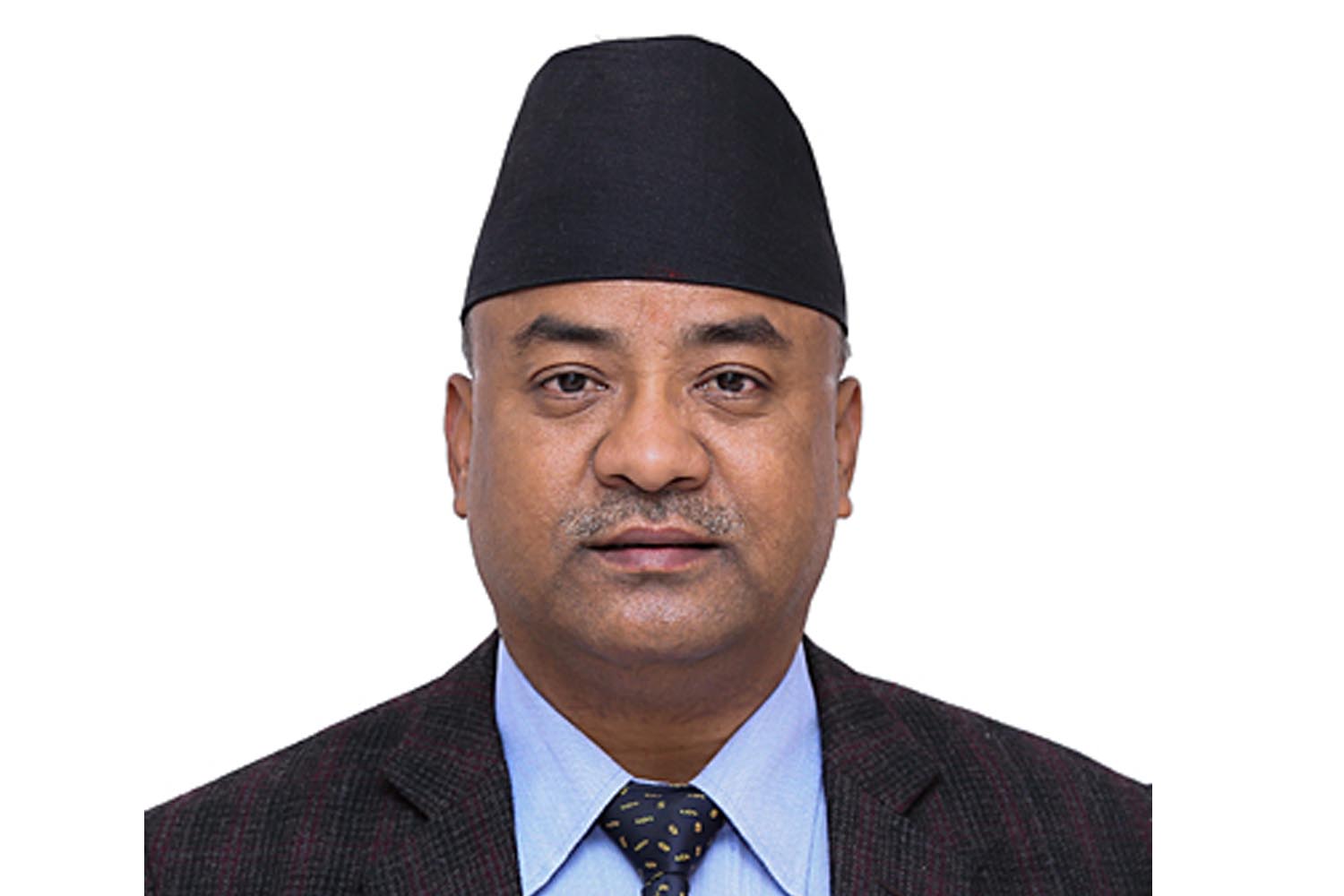
As of 6 February 2026, police have sent 86 case files related to last year’s September 9 incidents to the District Government Attorney’s Office (DGAO) in Kathmandu. In 64 of those cases, no specific individual has been identified for prosecution. “To file a case, the offender must be identified. The files received from police investigations are under review. We will register cases based on the evidence,” said Ram Hari Kafle, head of the Kathmandu DGAO. He admitted that the incidents could not be investigated thoroughly.
According to Superintendent of Police (SP) Pawan Kumar Bhattarai, the spokesperson for the Kathmandu District Police Range, 119 people arrested in the Kathmandu Valley so far have been released on their own recognizance.
Deputy Inspector General (DIG) and spokesperson for Nepal Police, Abi Narayan Kafle told Nepal News that 605 cases related to the destruction on September 8 and 9 last year have been registered in court, and 186 individuals are in judicial custody pending trial. Nineteen individuals are currently in police custody for investigation. So far, 736 people arrested across the country have been released.
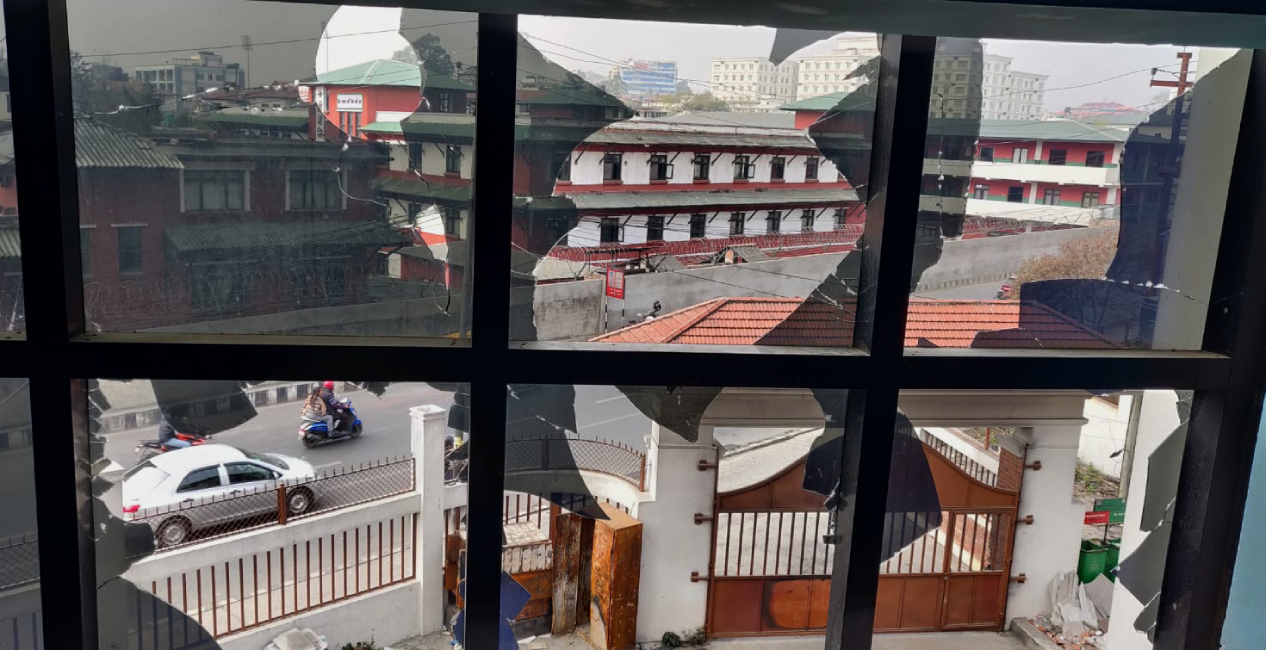
View seen through the window of the District Government Attorney’s Office in Kathmandu, vandalized on 9 September.
Photo: Bhasha Sharma.
Case to be filed against Gautam
On February 20, Mahendra Gautam, who was involved in setting fire at Singha Durbar during the Gen-Z movement, was initially cleared by the DGAO in Kathmandu due to insufficient evidence. However, that decision was overturned by the High Government Attorney’s Office (HGAO) in Patan. The Kathmandu DGAO is now in the process of filing a case against Gautam. Chief of the office, Kafle stated that since the Patan HGAO nullified the previous decision, a case may proceed against Gautam under the charge of “criminal mischief.”
The decision to file or not file a case can escalate from the DGAO to the HGAO and up to the Office of the Attorney General. If a decision is upheld, no case proceeds; if rejected by a higher authority, a case must be registered according to law.
Gautam, a permanent resident of Chitwan, appeared in a video clip saying, “We have already set fire to Singha Durbar.” Since there was no visual evidence of him actually setting the fire, and spoken words alone were deemed insufficient proof, the Kathmandu DGAO decided not to prosecute Gautam and sent a letter to Kathmandu Police for his release. His release sparked widespread protest. Ultimately, he will not receive immunity from prosecution.
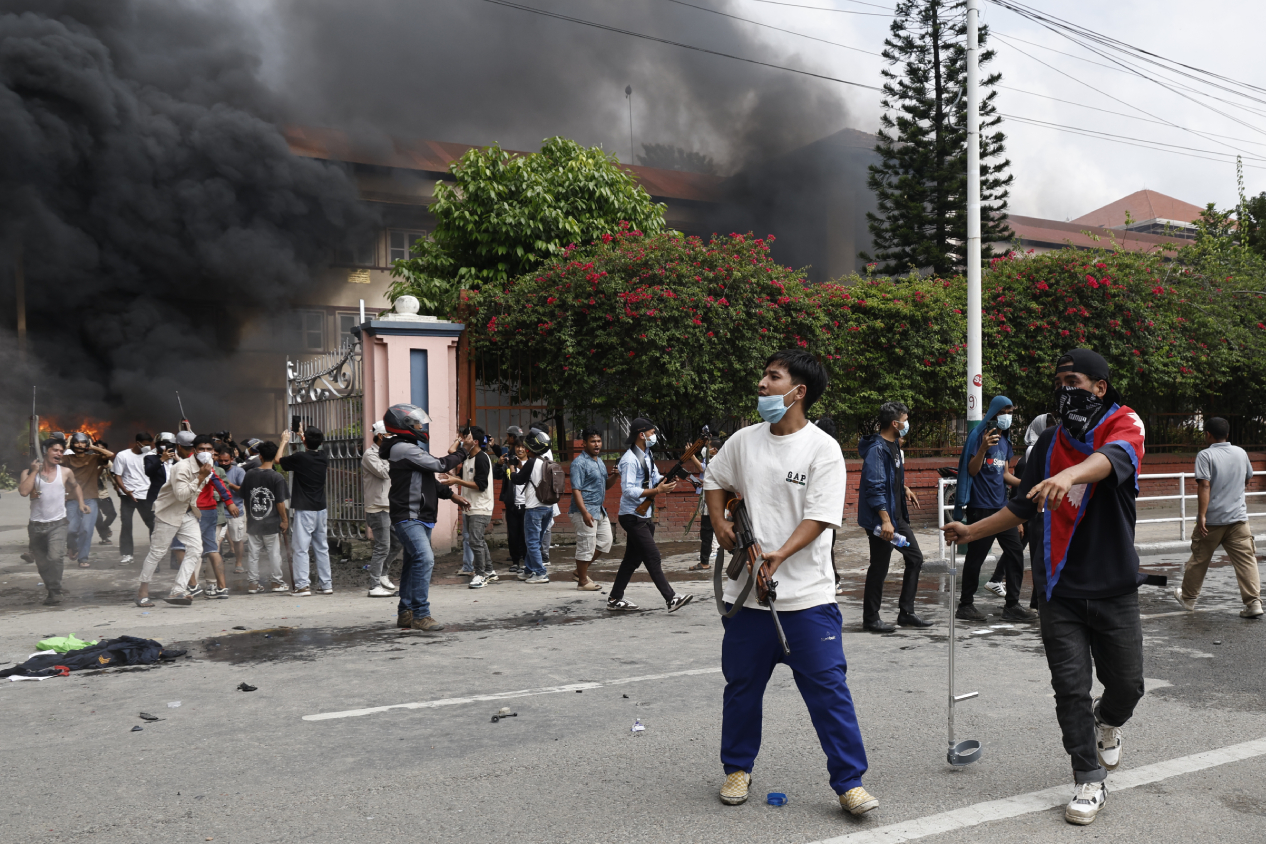
Protesters who seized weapons from security personnel after setting a fire inside the Supreme Court on 9 September. Photo: Bikram Rai.
Article 158(1) of the Constitution states that the Attorney General has the final authority to decide whether to prosecute or not prosecute a case on behalf of the Government of Nepal. It also mentions that even to withdraw a government case, the opinion of the Attorney General must be obtained.
Alleged government reluctance
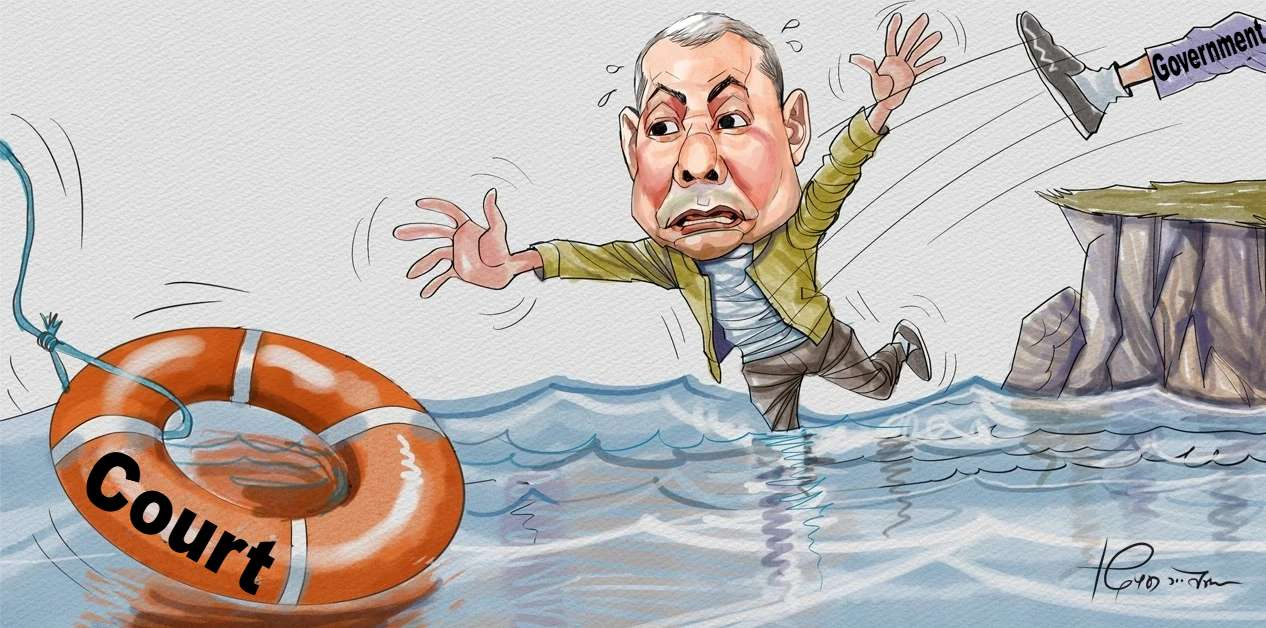
Various developments suggest that the government itself may be inclined not to take action against those involved in killings, violence, vandalism, and arson during the Gen Z revolt.
On 25 September 2025, Home Minister Om Prakash Aryal instructed the police not to make arrests, stating that an investigation commission had been formed to examine the actual human and material damage caused during the revolt. The home ministry analyzed that increased police activity could further challenge national peace and security.
A home ministry statement issued on September 25 last year said “the commission was tasked with collecting and analyzing information or complaints related to physical and human damage and providing recommendations regarding action.” It further stated: “Once the commission submits its report with recommendations, the government will act according to law. Therefore, regular state mechanisms would not immediately proceed with action on matters falling within the commission’s jurisdiction.” Stakeholders criticized this decision, arguing that it would render the law inactive and increase impunity.
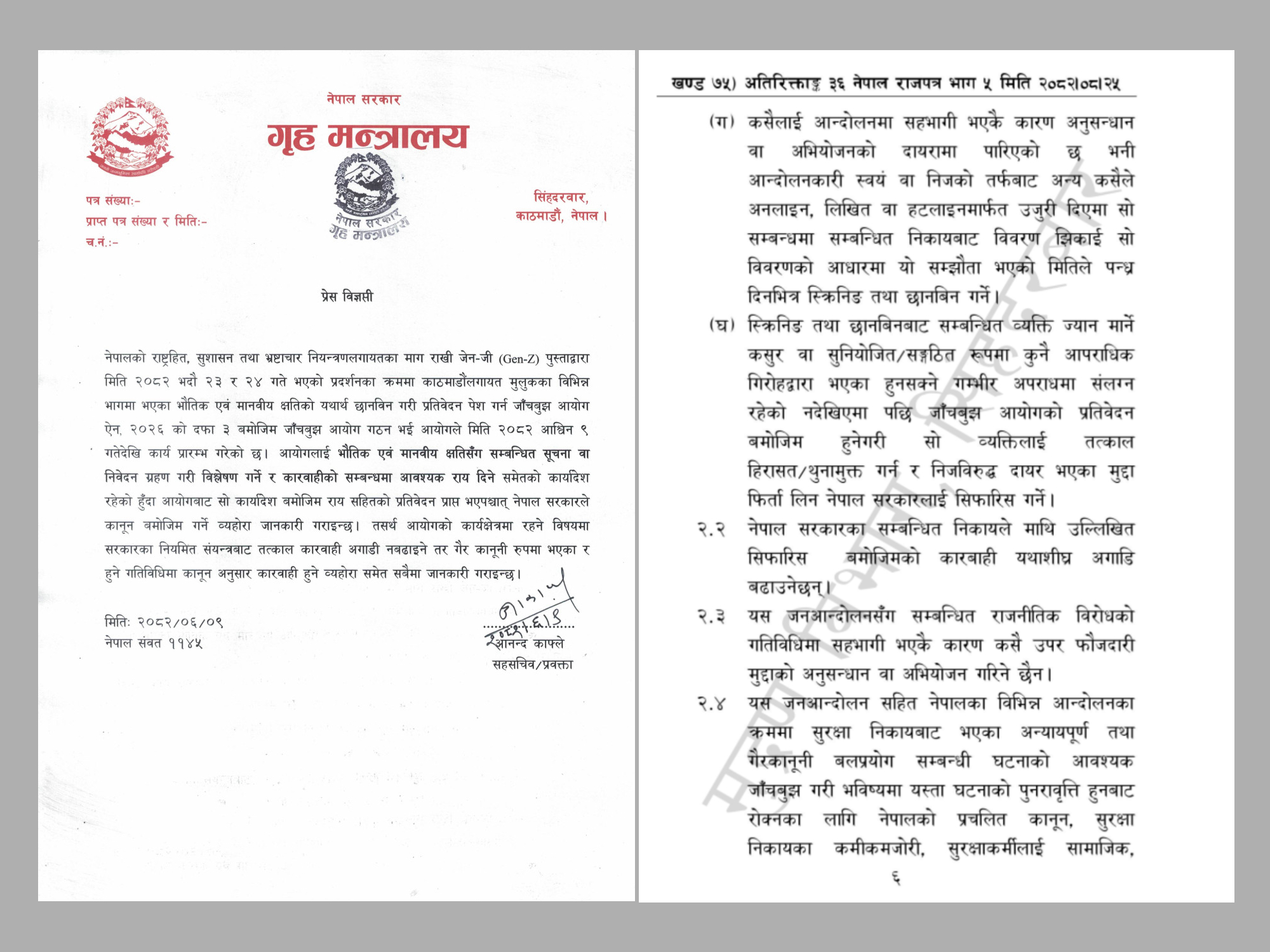
The investigation commission, coordinated by Gauri Bahadur Karki and given a three-month term, began work on September 25 last year. However, the commission has yet to submit its report on the two-day incidents.
Three months after the Gen Z rebellion, on 10 December 2025, the government reached an agreement with Gen Z representatives, recognizing it as a “political-social movement.” The government formed under the leadership of Sushila Karki agreed that those involved in destructive and criminal activities would not be prosecuted under existing criminal law. The agreement was published in the Nepal Gazette the next day on December 11. The notice stated: “No criminal investigation or prosecution shall be initiated against anyone solely for participating in political protest activities related to this people’s movement.”
Deputy Attorney General Sanjiv Raj Regmi stated that it is wrong to argue that cases will not proceed against those involved in destruction, vandalism and arson during the Gen Z movement even if sufficient evidence exists against them. “Cases with evidence will proceed. No one can order that cases not be filed,” he said. “Those involved in arson whose names and identities are established must be prosecuted.”
He also noted that with the statute of limitations approaching, investigations and prosecutions are ongoing in the concerned districts to resolve all pending cases.