Kathmandu
Tuesday, February 17, 2026





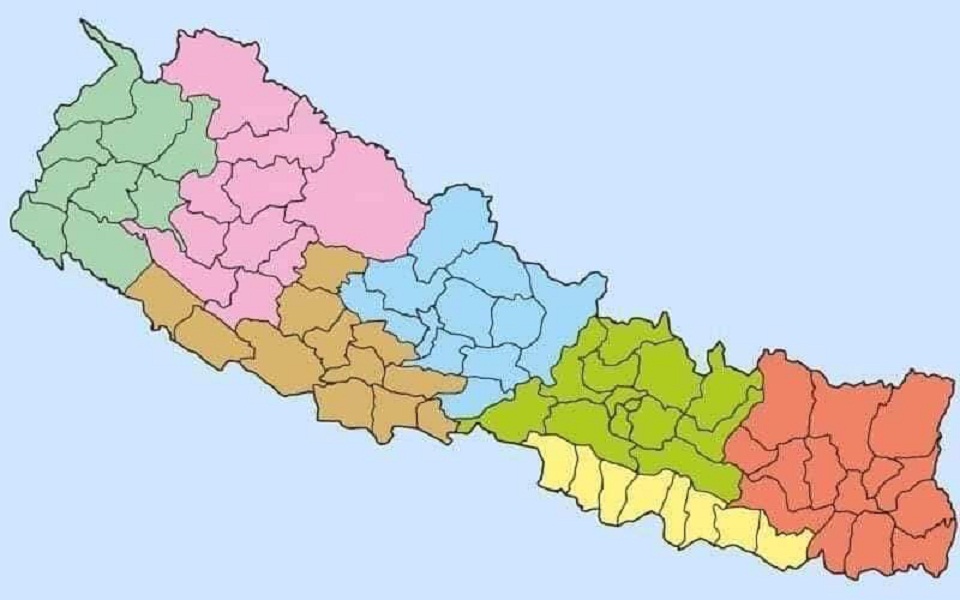
In Nepal, it’s common to look to heroes, young urban leaders, reformers, or even royalty, to fix what seems broken. We also look abroad, to Japan, Korea, Europe, or the United States, and wonder why we cannot achieve the same. In times of uncertainty, it is natural to hope that someone strong and decisive will lead the way. Yet real change rarely comes from a single person, and it cannot simply be copied from elsewhere. Development is not a spectacle, and society is not a stage waiting for a protagonist. It is a complex, living ecosystem of people, cultures, and histories that cannot be rearranged at will.
Inside Nepal, this hero-worship divides us. Villagers, the gaunle, are seen as waiting, patient and passive, while the urban elite, the sahariya, are expected to come and save the day. Yet these urban leaders rarely understand the realities of life in the villages, the rhythms of the seasons, the local knowledge of farming, the unspoken ways in which communities organize themselves. Similarly, we look at foreign countries as examples of success, forgetting that even the richest nations have struggles. I live in Norway, one of the wealthiest countries in the world. People here are not always happy. Money does not solve everything. Back home, some politicians promise to make everyone a crorepati in five years; an impressive dream, yes, but it does not solve real problems of inequality, social cohesion, or environmental sustainability.
The problem is that we rarely focus on building the capacity of people and communities to find their own paths. Change has to come through their own way. Sustainable change does not transplant well. When it is imposed from outside, whether by urban elites, NGOs, or foreign governments, it tends to mutate into control, rules that look good on paper but fail in practice. When it grows locally, rooted in context, culture, and lived reality, it actually has a chance to improve life, not just make statistics look better.
Every community has its own history, shaped by its land, culture, and traditions. You cannot impose a one-size-fits-all solution without understanding that history. True development comes when people are empowered to navigate their own past and imagine their own future. The people of a village, through centuries of experience, may know how to manage irrigation, conserve forests, or preserve medicinal plants. These forms of knowledge may seem small to outsiders, but they are invaluable when building sustainable, context-specific solutions.
Every community has its own history, shaped by its land, culture, and traditions. You cannot impose a one-size-fits-all solution without understanding that history.
Nepal is rich, not just in resources like water, forests, and fertile land, but also in culture, spirituality, and resilience. Yet we often let urban elites or foreign models define what success looks like. Development should not be about creating followers or temporary heroes. It should be about equipping everyone, from pahad to tarai, to see their own potential and take meaningful action in their own way. The role of leaders, educators, and policymakers is to facilitate, to remove obstacles, and to provide tools, not to dictate the path.
Education is key. Not just literacy or technical skills, but awareness of one’s strengths, history, and resources. Spirituality, reflection, or simply the habit of thoughtful observation can help people understand themselves, their values, and their power to shape their world. Awareness programs from childhood can instill pride in local culture, environment, and heritage while fostering curiosity about the wider world. The goal should be to empower, not preach; to guide, not command. For instance, teaching children about local biodiversity alongside global environmental challenges encourages them to innovate solutions relevant to their own village, rather than only imitating foreign models.
We also need to rethink the urban-rural hierarchy. Villages are not passive; they are full of knowledge, skills, and resilience. Urban elites can contribute, but only if they listen, learn, and support local initiatives rather than imposing their own vision. The same goes for looking abroad: other countries can inspire us, but their solutions cannot be copied wholesale. Every society has its struggles. Norway is rich, but it is not perfect. Japan is technologically advanced, but it has its own social pressures and inequalities. Nepal can learn from these experiences, but it must translate inspiration into contextually appropriate action.
The greatest challenge for Nepal may be cultural: the stories we tell about ourselves, the values we teach our children, the way we define success. Societies are shaped not only by policies, but by the narratives they repeat. When we tell ourselves that a single hero will rescue the nation, or that wealth alone defines progress, we create expectations that no leader and no economy can realistically fulfill. We begin to misidentify the causes of our frustration. Instead of examining weak institutions, unequal opportunities, or our own civic habits, we wait for dramatic intervention.
If we teach youth that heroes will save the country or that becoming a crorepati is the ultimate goal, we create dependence, disappointment, and disillusionment. But if we teach curiosity, resilience, awareness, and the courage to act locally, we equip people to build change from the ground up. Communities that see themselves as capable, rather than waiting to be rescued, become resilient in the face of crises, from floods to economic shocks to social tensions.
The greatest challenge for Nepal may be cultural: the stories we tell about ourselves, the values we teach our children, the way we define success. Societies are shaped not only by policies, but by the narratives they repeat.
Nepal’s future is not in waiting for a single urban hero or copying foreign ideas. It is in recognizing the richness of our history, culture, and environment, understanding local realities, facilitating locally rooted development, and nurturing awareness and empowerment from childhood. Only then can gaun, sahar, pahad, and tarai all thrive in their own ways, contributing to a society that is connected, resilient, and truly alive.
Harmony does not mean erasing differences; it means respecting them, listening, and supporting diverse paths forward. Change is not a gift to be delivered; it is a reality to be lived, locally, authentically, and sustainably. Real progress comes when we stop idolizing heroes and start trusting communities, when we stop copying abroad and start innovating at home. The heart of development lies not in grand promises or spectacular projects, but in ordinary people, acting thoughtfully, courageously, and consistently in their own spaces. This is the Nepal we can build, not by waiting for someone to save it, but by recognizing that no one is coming. The work has always been ours.